Mobile Home Park Dog Waste Removal Operations Guide
This is a subtitle for your new post

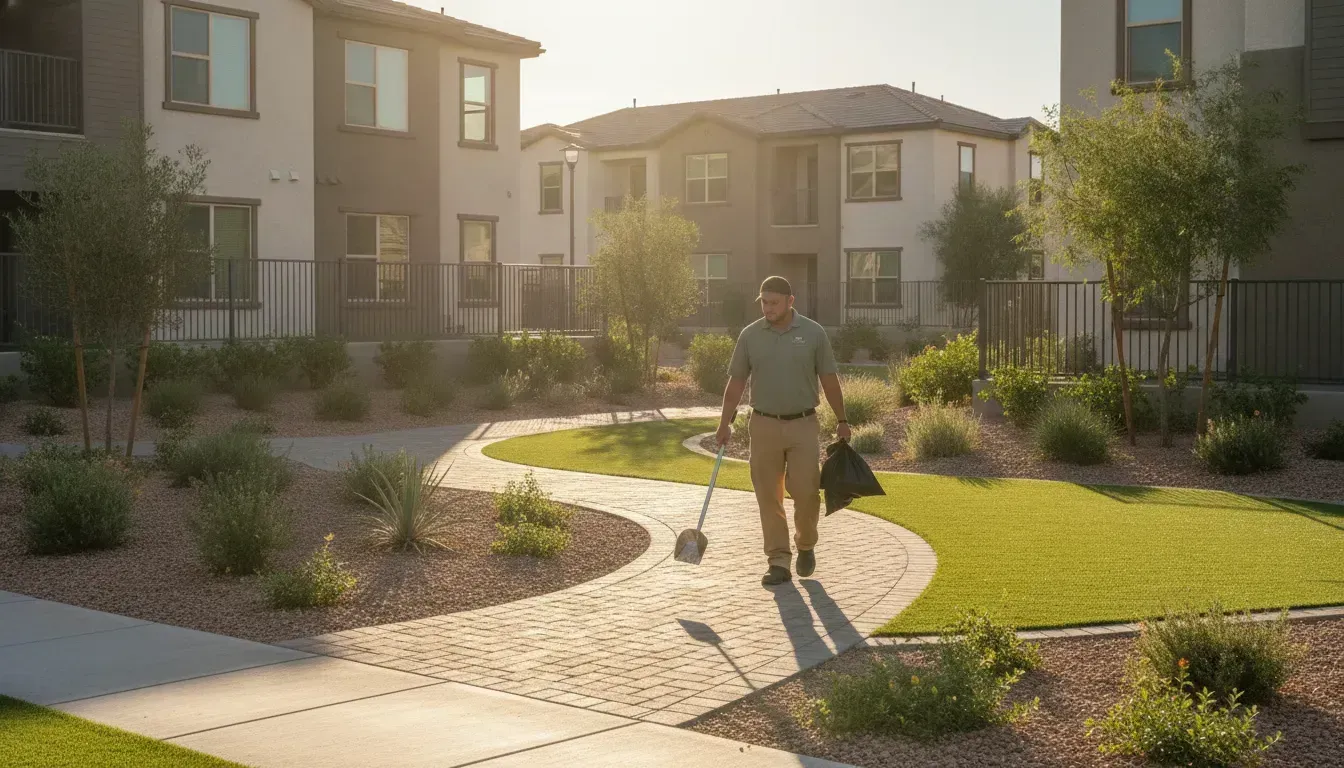
In a mobile-home community, pet waste is not confined to one yard. It appears along sidewalks, near shared green space, around pet relief areas, and beside the routes residents use every day. When cleanup depends only on occasional complaints or already-busy maintenance staff, missed areas and overflowing stations can quickly become an operations problem.
Call A1 Pet Maintenance at (702) 521-2624 Today
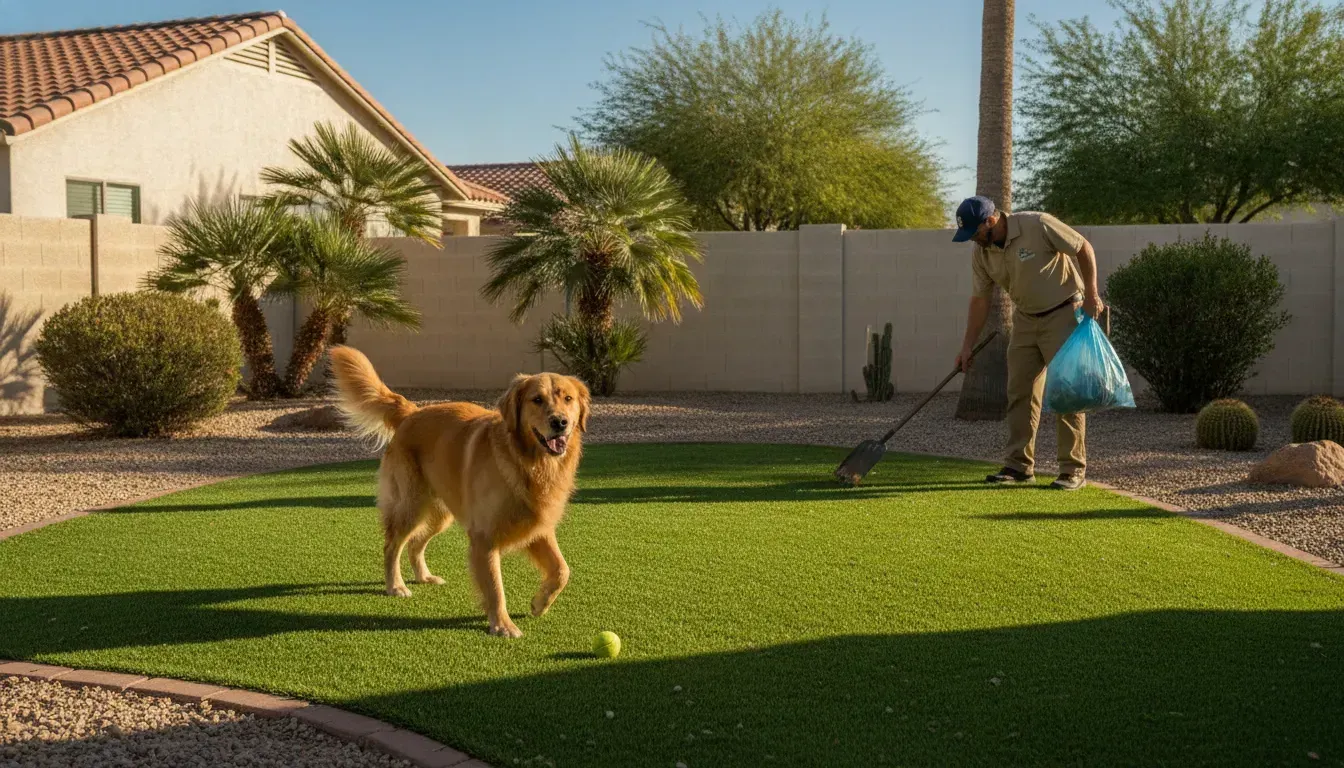
Mobile home park dog waste removal is best managed through a recurring, route-based program that covers common areas, pet-friendly zones, and waste stations on a defined schedule. A professional partner can handle removal and station support across natural grass and artificial turf, giving managers a consistent process instead of relying on scattered reports.
A dependable program also supports a cleaner resident experience and reduces the time staff spend tracking isolated complaints. A1 Pet Maintenance brings more than 26 years of experience serving communities and commercial properties in Nevada and Arizona. The first step is understanding why consistent removal matters for health, shared-space cleanliness, and day-to-day property management.
Call A1 Pet Maintenance at (702) 521-2624 Today
Why Does Mobile Home Park Dog Waste Removal Matter?
Dog waste in a mobile home park is more than an unpleasant sight. Shared sidewalks, green spaces, playground edges, and pet-friendly areas are used by residents throughout the day, so one missed deposit can affect many people. A dependable removal program helps protect the appearance and usability of common areas while giving property managers a practical way to address an ongoing maintenance responsibility.
There is also a water-quality concern. According to the U.S. Environmental Protection Agency, pet waste left on the ground can be carried into storm drains by rain or snowmelt. That runoff may eventually reach local water bodies and transport pathogens with it. In a desert community, rainfall may be seasonal, but intense storms can still move accumulated waste quickly across paved surfaces and drainage paths. Managers can compare this approach with A1's commercial pet waste removal planning when defining shared-space coverage.
Untreated dog feces can contain pathogens such as Salmonella and E. coli, as well as parasites including roundworms and hookworms. This does not mean every deposit will make someone ill, and waste removal is not a guarantee of germ-free grounds. It does mean prompt collection is a sensible part of responsible common-area maintenance, particularly where children, older adults, pets, and maintenance crews share the same environment.
How does waste affect the resident experience?
Residents notice recurring odor, visible waste, and contaminated-looking walking routes. These conditions can make otherwise useful open spaces feel neglected and may discourage residents from using designated pet areas. Research published through the National Library of Medicine identifies dog feces in public spaces as a potential source of environmental contamination and zoonotic disease concerns. Keeping grounds consistently cleaner supports a more comfortable and welcoming community without placing the entire burden on residents to monitor every shared area.
Why does this reduce management burden?
Without a defined service, managers or onsite staff may handle complaints, inspect multiple zones, restock supplies, and arrange occasional cleanups reactively. A recurring program creates a predictable maintenance rhythm instead. Regular removal helps keep community grounds clean, reduce odors, and improve the overall resident experience, as noted in EPA guidance on pet care and waste. It also gives management a clearer standard for reviewing service quality, communicating expectations, and keeping shared spaces ready for daily use.
How Can Mobile Home Park Dog Waste Removal Routes Stay Consistent?
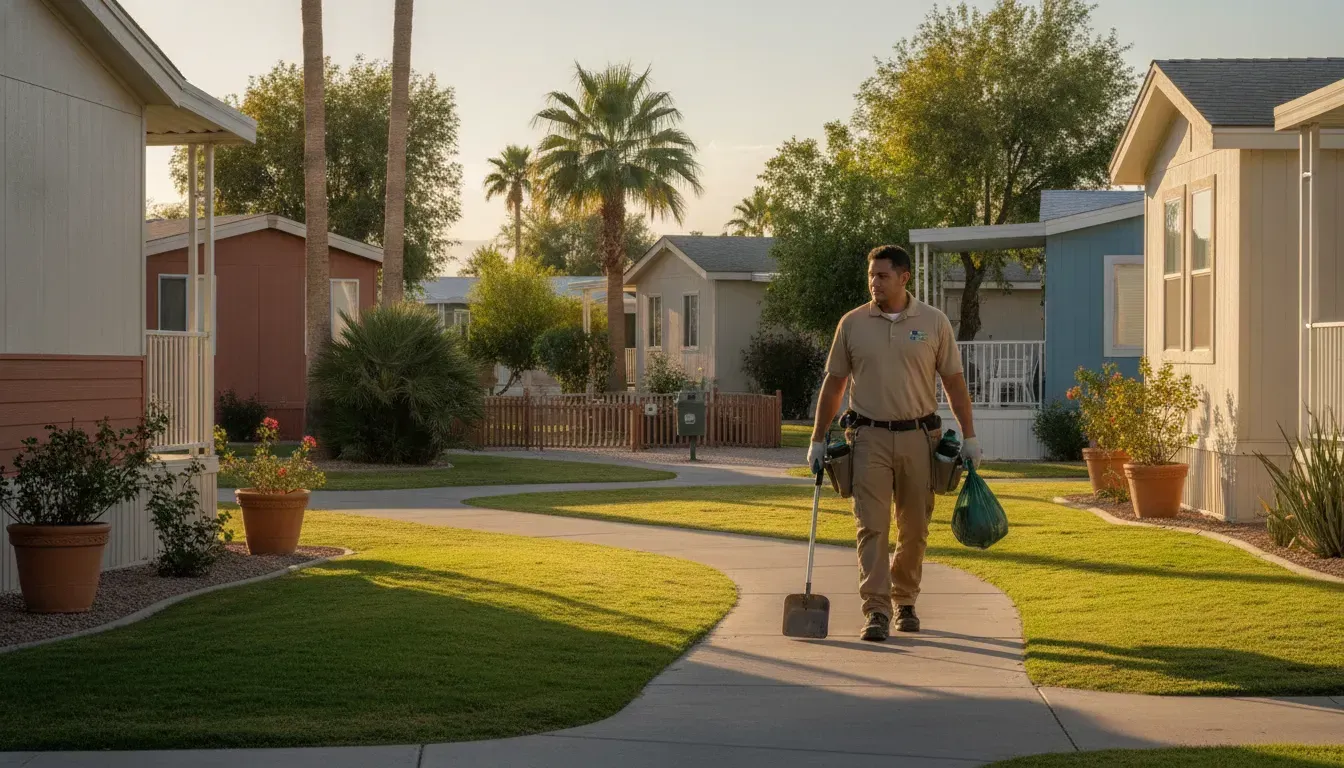
Mobile home park dog waste removal routes stay consistent when the property map, service zones, visit cadence, and completion records are defined before recurring work begins. A documented route helps every visit cover the same high-use areas while giving managers a clear way to adjust service when conditions change.
Effective route planning starts with the property map, not a generic service schedule. A mobile home park may include shared lawns, playground edges, mail areas, sidewalks, parking areas, dog relief zones, and less visible spaces behind buildings or along perimeter fencing. Each area has a different level of foot traffic and may require a different inspection approach.
Begin by marking every location where residents and pets regularly gather. Give special attention to designated dog relief areas, paths between homes and common facilities, and areas near pet-waste stations. The Environmental Protection Agency recommends a dedicated route for larger parks that covers high-traffic common areas and pet-friendly zones, helping the cleaning program remain consistent across the property: EPA pet-waste route guidance.
- Divide the property into service zones. Group nearby areas into practical sections, such as north and south loops, amenity areas, or building clusters. Include sidewalks, common areas, dog relief spaces, station locations, and any access-restricted locations. A clear zone map reduces the chance that an isolated walkway or back lot is overlooked.
- Set the route cadence by use and conditions. High-traffic dog relief areas may need more frequent attention than lightly used perimeter areas. Consider resident density, the number of pets, weather, events, irrigation, and seasonal activity when setting the recurring schedule. The goal is a predictable route that matches how the community is actually used.
- Record access notes and completion details. Note locked gates, office hours, construction zones, parking restrictions, irrigation timing, and areas requiring manager notification. After each visit, document the zones serviced, stations checked, unusual accumulation, access limitations, and follow-up needs. These records give managers a useful service history without adding another inspection task to their staff's workload.
Route records also make schedule adjustments easier. Managers can compare this approach with broader multifamily pet-waste management practices when a community includes several resident areas or shared amenities. If a particular dog relief area consistently needs additional attention, managers and the service provider can revise the zone or cadence based on observed conditions rather than guesswork. A1 Pet Maintenance provides recurring route-based waste removal for commercial facilities, with service plans designed around the property's layout and operating needs.
What Should a Mobile Home Park Pet-Waste Station Program Include?
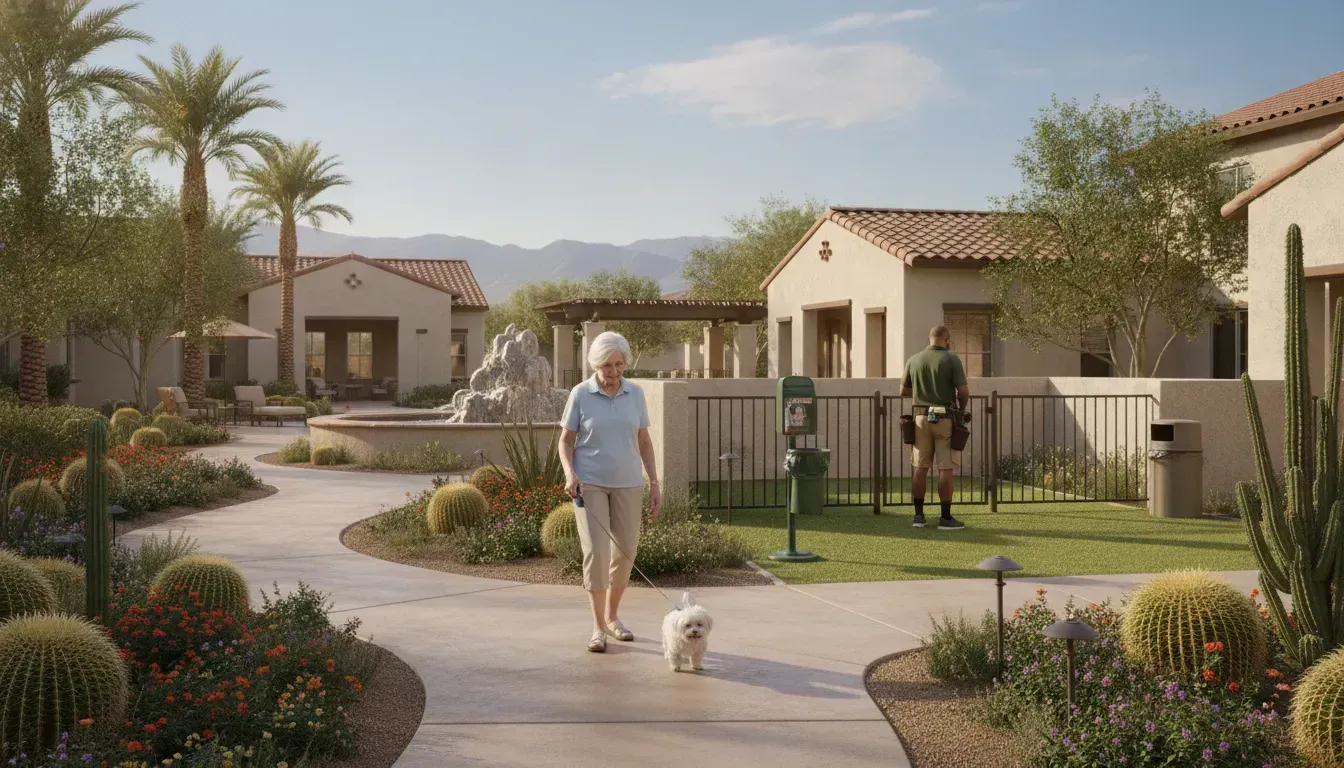
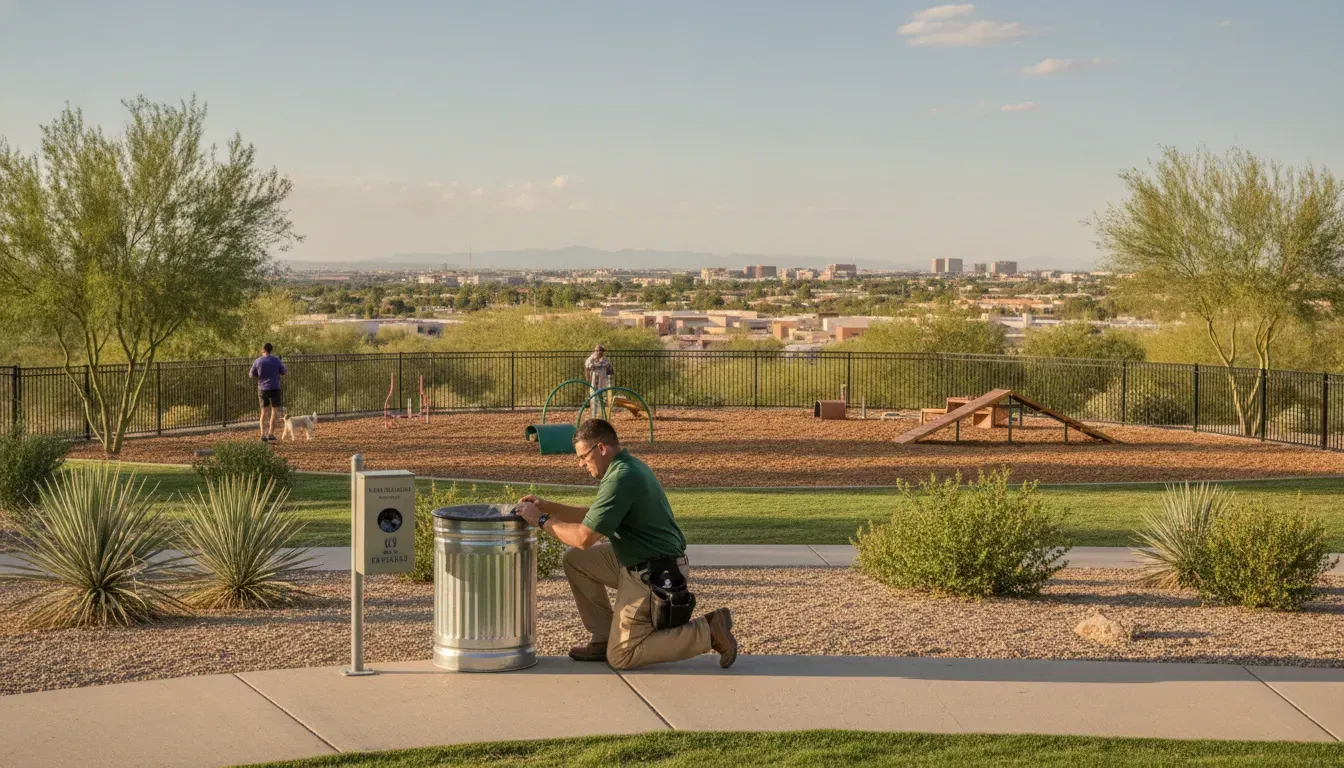
A useful station program is more than placing a dispenser beside a sidewalk. It should make proper disposal convenient for residents while giving park managers a repeatable way to monitor supplies, container condition, and surrounding ground. Stations work best near dog-walking paths, entrances to pet-friendly areas, shared green space, and other locations where residents naturally pass with their dogs. Placement should be visible and accessible without creating an obstruction or concentrating waste beside a doorway, playground, or seating area.
Each station should include a reliable bag dispenser and a covered, appropriately sized waste bin. Bags need regular restocking, and bins need scheduled emptying before overflow becomes a resident complaint or an odor issue. The station and the few feet around it should also be inspected for torn bags. Loose waste, damaged hardware, and signs that the location no longer matches how residents use the property. The EPA identifies accessible, stocked pet-waste stations as a way to encourage responsible disposal and improve compliance with waste rules: read the supporting guidance.
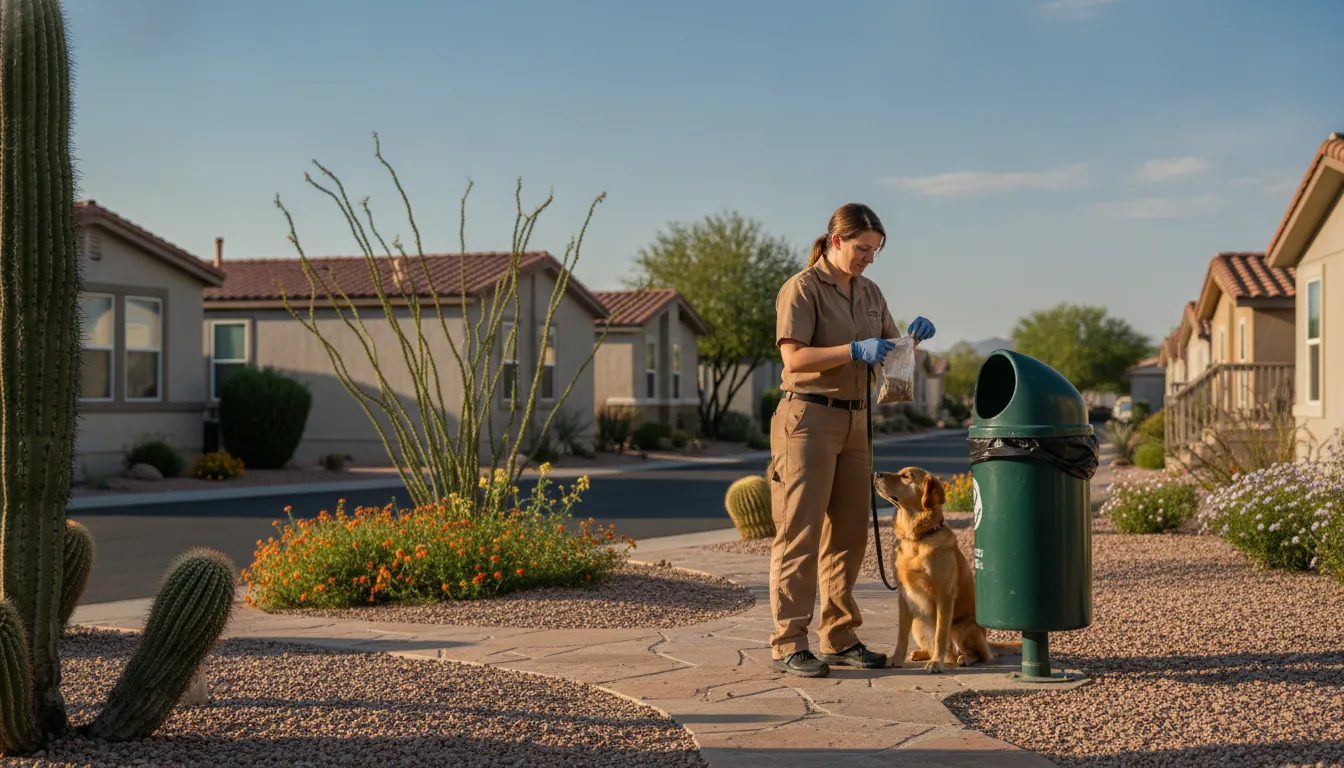
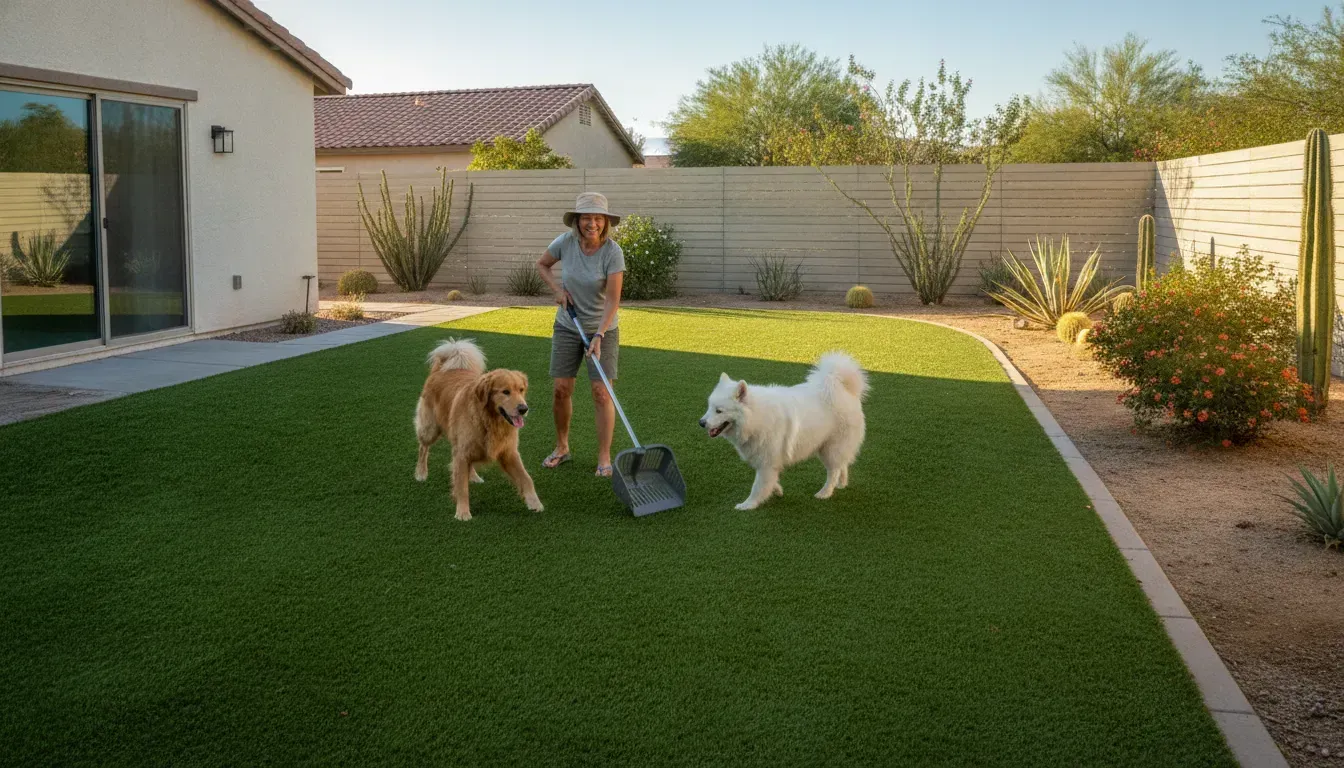
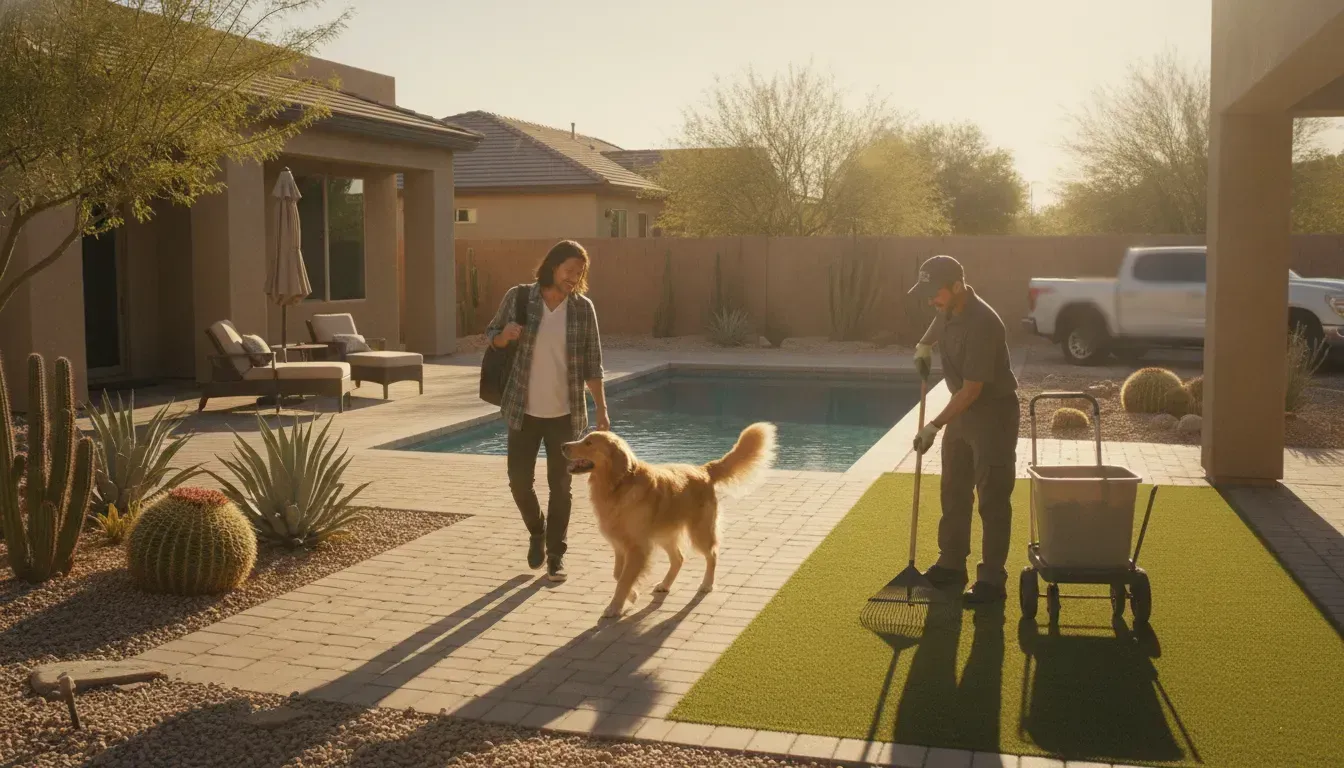
Managers should also account for the surface around each station. Natural grass may need routine pickup and attention to worn or muddy areas. A separate commercial pet-waste station service can help keep bag supplies, bins, and surrounding areas within the same maintenance plan. Artificial turf requires a compatible sanitation approach that addresses waste residue, odors, drainage, and high-use zones without treating the surface like ordinary lawn. A program that covers both natural and artificial turf helps keep the station area consistent with the rest of the community.
Pet-waste station program responsibilitiesProgram elementSelf-managed stationsProfessional maintenance partnerPlacementStaff identify high-traffic and pet-friendly areas, then adjust locations as use changes.A service partner can review station locations as part of a recurring route and flag access or coverage gaps.Bags and binsOn-site staff track inventory, restock dispensers, empty bins, and arrange replacement parts.The partner handles station installation and maintenance, including routine supply and container checks within the agreed scope.InspectionsInspections compete with other maintenance priorities and depend on consistent staff handoffs.Scheduled visits create a documented rhythm for checking stations, nearby turf, and visible waste conditions.Surface careStaff coordinate separate responses for natural grass and artificial turf concerns.One program can coordinate waste removal and appropriate sanitation for both surface types.
For a larger community, the practical choice depends on staffing, station count, and the consistency managers need. A defined scope should state which stations are covered, how often they are serviced, what happens when supplies run low, and how issues are reported. Communities with turf relief areas can also review A1's artificial turf cleaning guidance when planning surface-specific care.
How Can Managers Set Resident Expectations Without Adding Work?
Resident expectations work best when they are clear, visible, and built into communication that already happens. Managers do not need to create a separate enforcement system for every pet-related issue. A short pet-waste policy, a consistent reminder, and a simple reporting path can give residents practical direction while keeping staff focused on core property operations.
Put the rules where residents already look
Include the pet-waste requirements in move-in materials, lease or community rules, and resident onboarding. State the essentials plainly: handlers should carry bags, pick up waste immediately, use designated disposal points, and keep pets out of restricted areas. Explain where pet-waste stations are located and how residents can report a full bin, missing bags, or a missed cleanup area.
Clear rules communicated during resident intake can reduce management overhead for cleanup, according to guidance from the U.S. Environmental Protection Agency. EPA guidance on pet-waste policies supports treating defined expectations and early communication as part of an effective community program.
Use reminders that do not require constant follow-up
Post concise signs near dog-walking paths, shared lawns, playground approaches, and pet-waste stations. The strongest signs answer the questions residents have in the moment: what to do. Where to dispose of the bag, and who to contact when supplies or service need attention. A periodic message in a resident newsletter, portal, or community email can reinforce the policy without requiring managers to address the same issue individually.
Keep the tone practical and community-minded. Residents are more likely to follow a rule when the reason is apparent: prompt pickup helps keep shared grounds comfortable for children, neighbors, staff, and pets. Avoid vague notices that simply say to be responsible. Specific instructions are easier to follow and easier for staff to reference when questions arise.
Make the service handoff visible
Give residents one straightforward channel for reporting a service concern, such as the property portal or management office. Staff can then forward recurring cleanup needs, station shortages, or trouble spots to the service provider instead of coordinating individual requests across multiple channels. A scheduled partner can handle recurring route-based waste removal and station maintenance, while the manager retains a clear point of contact for exceptions.
A1 Pet Maintenance provides commercial pet waste removal planning as part of a professional property-maintenance partnership. Agreeing in advance on service zones, communication procedures, and escalation for unusual conditions lets managers set realistic expectations without adding daily work to the onsite team.
How Do You Measure Dog Waste Removal Quality?
A recurring program should be measured by observable service standards, not simply by whether a crew visited the property. For a mobile home park, quality means the agreed service zones are covered. Pet-waste stations remain usable, and managers have a clear record of what was found and addressed.
Confirm route completion
Start with a defined route map that identifies dog relief areas, sidewalks, playground approaches, shared lawns, and other high-traffic spaces. Each visit should document the date, completed zones, inaccessible areas, and any conditions that prevented service. This gives the manager a practical way to confirm that the full route was completed rather than relying on a general check-in.
Use spot checks and condition checks
Periodic spot checks can test whether the service standard is holding between scheduled visits. Look at the areas most likely to receive complaints, including entrances, mail areas, pet stations, and paths between homes and common spaces. The goal is not to expect every surface to remain untouched throughout the day. The goal is to identify recurring problem locations and determine whether route timing, coverage, or resident communication needs adjustment.
Station condition is another visible quality measure. A service record should note whether bags are available, bins need attention, lids or dispensers are damaged, and overflow or leakage is present. A1 Pet Maintenance provides recurring commercial routes along with pet-waste station installation and maintenance, allowing these related needs to be tracked together.
Track odors, reports, and corrective actions
Odor observations should be recorded as location-specific signals, especially around stations, artificial turf, shaded areas, and places where waste may accumulate. They should lead to an inspection and an appropriate corrective action, not an unsupported promise of complete sanitation. Consistent removal helps keep grounds clean, reduce odors, and create a more welcoming environment for residents, according to the EPA pet care fact sheet.
Resident reports add another useful measure. Log the reported location, date, issue, response, and follow-up result. Over time, this record shows whether complaints are isolated or concentrated in a specific zone. Corrective-action notes might include an extra cleanup, a route adjustment, station restocking, a repair request, or a reminder about disposal rules. This documentation gives park managers a defensible service history and helps a professional partner improve the program instead of repeating the same response.
What Should Managers Ask Before Hiring a Commercial Pet Waste Partner?
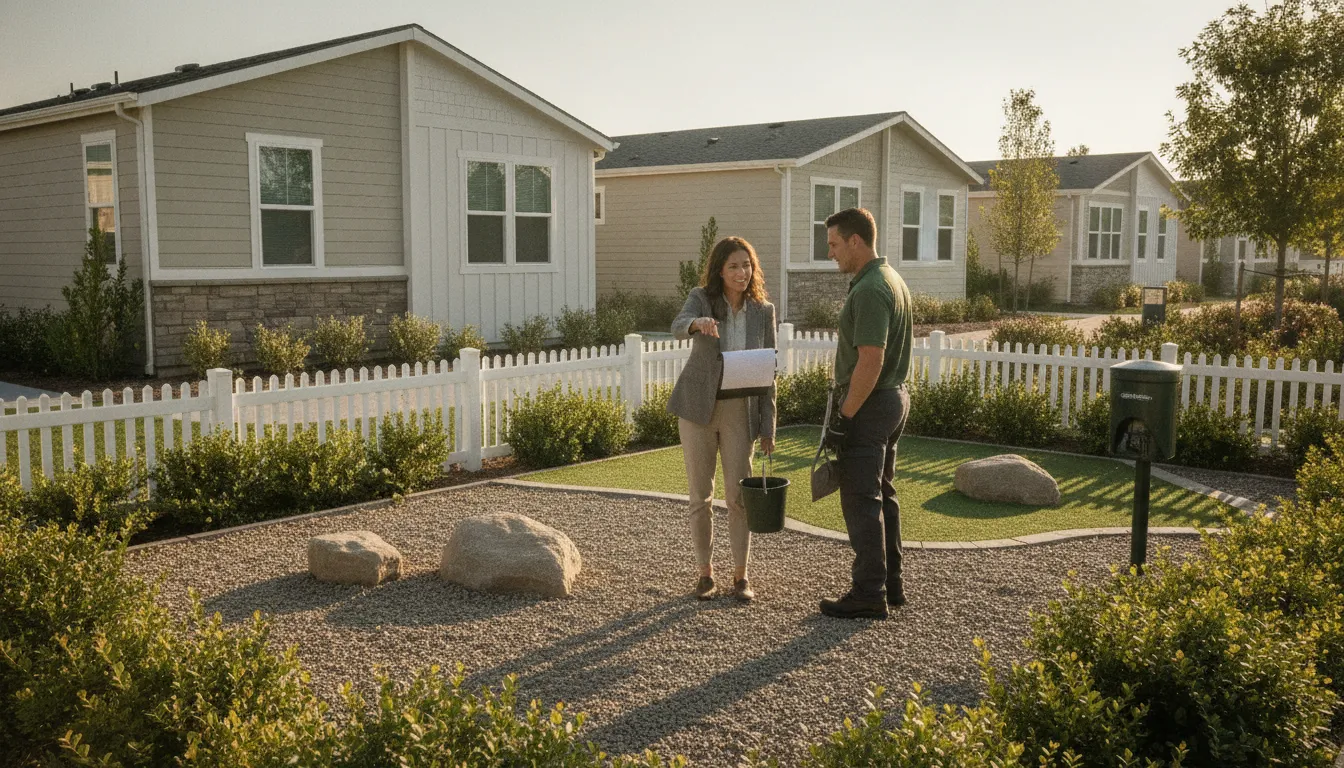
The right partner should fit the way your mobile home park operates, not force your team into a generic lawn-care schedule. Before hiring a provider, ask how the service will cover shared grounds, where technicians will work, and how completion will be documented. A clear plan protects the resident experience while giving managers a practical way to monitor recurring maintenance.
What areas and surfaces are included?
Ask the provider to define the service scope in writing. It should identify dog relief areas, sidewalks, mail and recreation areas, entrances, perimeter paths, and other pet-heavy common spaces. Confirm whether the crew services both natural grass and artificial turf, and whether the price or schedule changes when the property adds new pet areas. For a property with synthetic turf, ask what sanitation and maintenance steps are included rather than assuming waste pickup covers every turf concern.
Ask whether the route is mapped and how missed or inaccessible areas are handled. A mapped service zone gives both sides a shared reference point, especially when a park has multiple entrances, phases, or areas that are temporarily closed.
How often will service occur, and who manages stations?
Frequency should reflect the property's pet population, common-area traffic, weather, and resident expectations. Ask whether the provider recommends a recurring route, how schedule changes are requested, and what happens after holidays, storms, or unusually busy periods. Also clarify whether pet-waste stations are installed, inspected, emptied, and restocked as part of the agreement. Separating station support from ground service can create avoidable gaps.
What records and communication will managers receive?
Ask for a simple completion record showing service dates, areas covered, station issues, and any conditions that prevented access. Find out who receives updates, how quickly concerns are acknowledged, and whether managers have one consistent contact for adjustments. Documentation does not need to be complicated. It should make recurring work visible and help the property team identify patterns before they become resident complaints.
A1 Pet Maintenance brings more than 26 years of experience serving commercial and shared-property clients in Nevada and Arizona. Managers evaluating commercial property pet waste service options can compare the proposed scope, route cadence, station support, and communication process against the property's actual needs. Managers can also review this HOA pet waste operations guide for another shared-property planning perspective.
Call A1 Pet Maintenance at (702) 521-2624 Today
Frequently Asked Questions
Does my mobile home park need a dog waste removal service?
A dedicated service is practical when managers need consistent coverage across shared lawns, sidewalks, pet areas, and other common spaces. It can reduce the cleanup burden on onsite staff, support a cleaner resident experience, and provide a repeatable route instead of relying on occasional reports.
How often should dog waste stations be serviced in a mobile home park?
Weekly station service is a reasonable starting point for many communities, including bag restocking, bin checks, and surrounding-area cleanup. High-traffic pet zones may need more frequent attention, while lower-use areas may require less. Adjust the schedule after reviewing overflow, supply usage, and resident reports.
What affects the cost of mobile home park pet waste removal?
Pricing typically varies with community size, the number of service zones and stations, route frequency, travel requirements, and whether station maintenance or a one-time cleanup is included. A property-specific review is the best way to define the scope before requesting a price.
Can I schedule a one-time cleanup instead of recurring service?
Yes. A one-time cleanup can help address accumulated waste before a property event, after a staffing gap, or while managers evaluate a recurring route. The scope should identify the areas to cover, access requirements, and any station or bin work needed.
Are contracts required for commercial pet waste management?
Contract terms depend on the provider and service scope. Some commercial programs offer flexible arrangements without a long-term commitment, while others use an agreement to define route frequency, stations, reporting, and communication expectations. Ask for those details in writing before work begins.
Ready to Discuss a Recurring Park Service Plan?
A dependable recurring program can help mobile-home park managers keep service zones covered, pet-waste stations supported, and route expectations clear for residents. A1 Pet Maintenance can discuss a practical approach based on your property's common areas and maintenance priorities.
Call A1 Pet Maintenance at (702) 521-2624 to discuss your mobile home park's recurring pet waste removal program.