Multi Family Pet Waste Management Las Vegas: A Guide
This is a subtitle for your new post

Pet waste in shared courtyards, dog parks, walkways, and turf areas is more than an eyesore. For owners and managers, inconsistent cleanup can create resident complaints, increase staff workload, and make a well-maintained community feel neglected.
Multi family pet waste management las vegas helps property teams reduce waste accumulation, support cleaner common areas, and protect curb appeal through scheduled, documented sanitation service. Regular pickup also supports safer shared spaces. The CDC advises prompt pet waste removal because animal feces can carry germs, while roundworm eggs may survive in soil for months or years: CDC sanitation guidance. A consistent program can also help pet-friendly communities deliver the experience residents expect and reduce avoidable friction for management.
The right approach depends on more than how often a crew visits. Property owners should consider where waste accumulates, how cleanup responsibilities are documented, and how service supports liability reduction across the entire community. For a broader planning framework, see our guide to Commercial and HOA pet waste removal in Las Vegas. The first priority is understanding why neglected waste can become a property risk.
How Does Pet Waste Create Liability Risks for Multi-Family Property Owners?
Unmanaged pet waste creates more than an unpleasant appearance around an apartment, condominium, or townhome community. It can turn shared walkways, grass, dog parks, and play areas into avoidable safety and sanitation concerns. For property owners and managers, the risk comes from a pattern of missed cleanup, resident complaints, and inadequate documentation rather than from one isolated incident.
Pet waste can create a slip-and-fall hazard when it is left on sidewalks, stairs, ramps, or other high-traffic surfaces. Even when a resident is expected to clean up after a pet. The property owner or management team generally still has a duty to take reasonable steps to maintain safe common areas and respond to known hazards. A scheduled inspection and removal program helps show that sanitation is being managed proactively instead of only after someone reports a problem.
There is also a health and environmental component. The CDC explains that roundworm eggs can enter soil through animal waste and, under the right conditions, survive for months or even years. Those eggs can be associated with toxocariasis, which is one reason pet waste should not be allowed to accumulate in areas used by residents and their children. The CDC's toxocariasis guidance recommends picking up pet waste daily, disposing of it properly, and washing hands after handling it.
Regular removal does not guarantee that every health concern disappears, but it reduces the opportunity for waste and related contaminants to remain in communal areas. The CDC states that cleaning up after dogs and keeping the environment clean reduces the risk of diseases spreading to people and other animals. CDC guidance on dogs and healthy environments also reinforces the importance of proper waste cleanup.
For owners, the practical response is a documented routine that covers common areas, pet stations, dog parks, and problem locations identified during walkthroughs. Professional removal can help mitigate liability concerns tied to pet waste-related slip-and-fall incidents and sanitation citations. Review the HOA pet waste removal guide for a related community-management approach, or establish a property-specific schedule that makes responsibility clear before a preventable issue becomes a resident complaint or claim.
How Does Pet Waste Affect Curb Appeal and Occupancy Rates?
Prospective tenants form an opinion of a Las Vegas community before they reach the leasing office. They notice the condition of sidewalks, grass, dog parks, entry paths, and other shared spaces during a quick drive-through or property tour. Pet waste left along those routes can make an otherwise well-maintained property feel neglected. It also sends an uncomfortable message about how consistently the community's rules and common areas are managed.
Commercial property managers identify pet waste as a primary source of resident complaints and a threat to curb appeal. That makes it more than an isolated housekeeping issue. When residents repeatedly encounter waste near their building, they may associate the problem with slow maintenance response, weak enforcement, or a lack of attention to the resident experience. A scheduled sanitation plan gives management a dependable way to keep pet-friendly areas cleaner and reduce visible waste accumulation. For broader planning considerations, see this guide to commercial and HOA pet waste removal in Las Vegas.
First impressions influence leasing conversations
Clean outdoor spaces help a property present its amenities as assets. A dog run, landscaped courtyard, or walking path can support a pet-friendly leasing message when residents and prospects see that those areas are maintained. The opposite is also true. A full waste station, stained turf, or waste near a walkway can overshadow attractive landscaping and make prospects question whether the community will meet their expectations after move-in. There is no need to claim a precise occupancy increase to recognize the practical effect: visible cleanliness supports confidence during a tour. While recurring sanitation problems create friction before an application is submitted.
Cleanliness supports renewals and resident retention
For current residents, the issue is repeated exposure rather than a single unpleasant sight. Pet owners want convenient, usable areas for their animals, and non-pet owners should not have to navigate avoidable waste in shared spaces. Effective waste removal programs are linked to higher resident retention in pet-friendly properties. A consistent program helps management address a common source of frustration before it becomes a renewal complaint. A negative review, or a reason to compare another community at lease-end.
Staff time is part of the cost
Without an assigned service, staff may spend time checking grounds, responding to complaints, reminding residents about cleanup, or handling waste themselves when conditions deteriorate. Those interruptions pull maintenance and management teams away from inspections, work orders, resident communication, and other priorities. Professional multi family pet waste management in Las Vegas gives the property a repeatable process and a clear service responsibility. The result is not a promise of perfect compliance, but a practical reduction in the manual work required to keep common areas presentable and pet-friendly.
What Does Multi-Family Pet Waste Management Las Vegas Include?
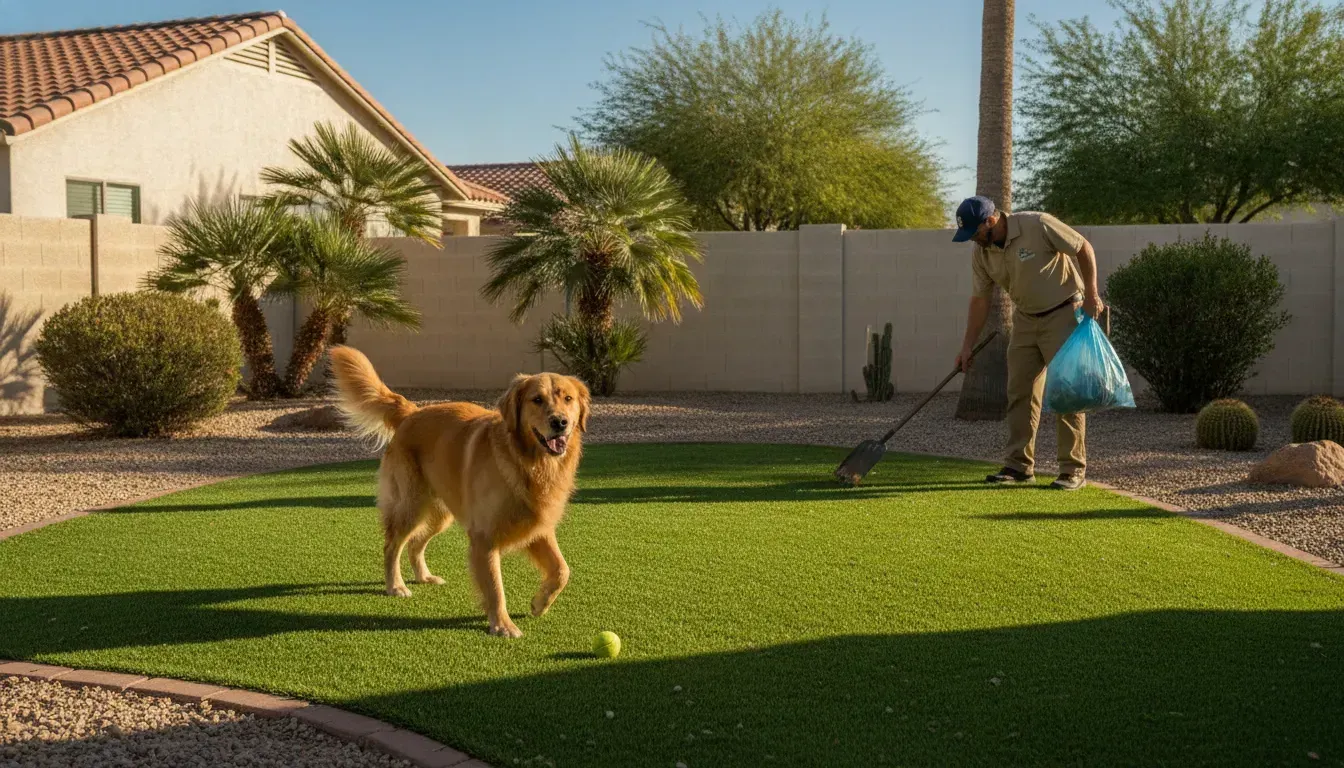
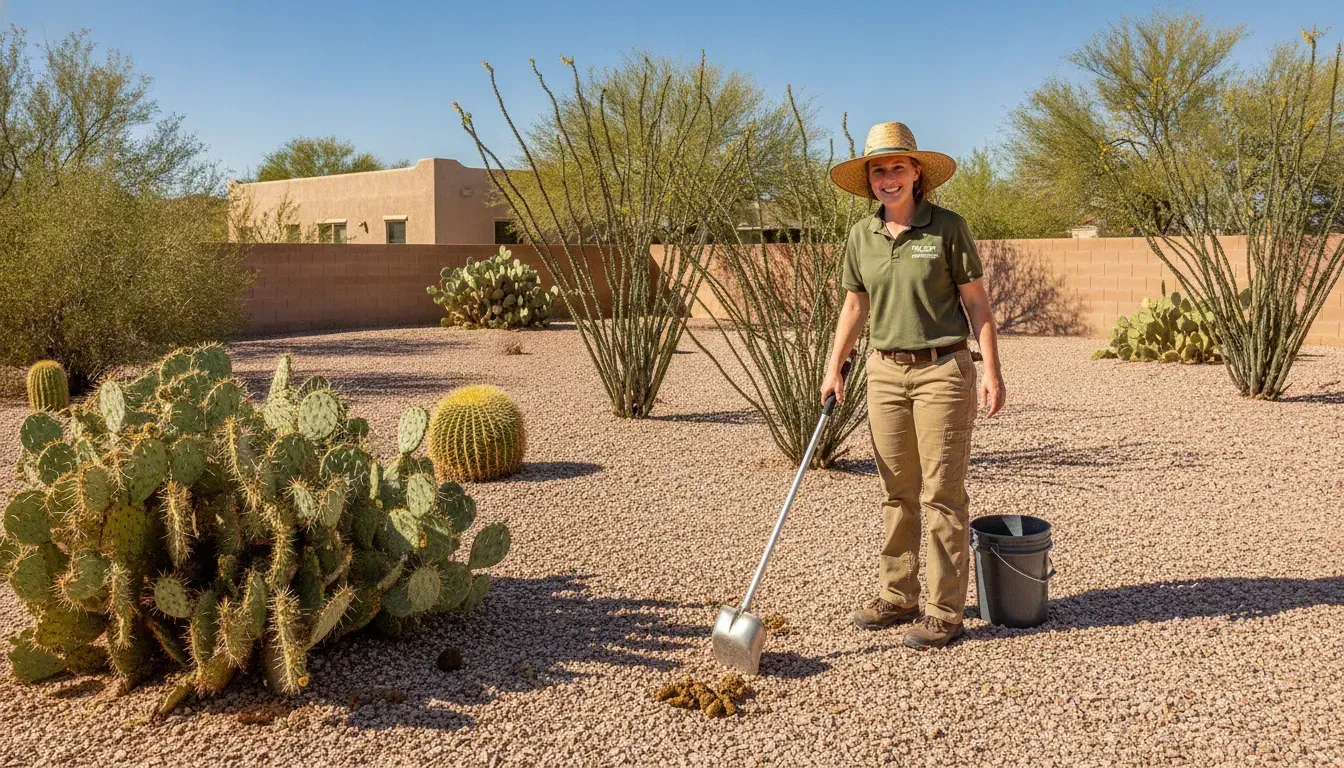
A professional program should cover more than picking up visible waste. For apartment, condominium, and townhouse communities, multi-family pet waste management in Las Vegas can combine scheduled common-area service, responsible disposal, station upkeep, turf sanitation, and responsive one-time cleanups. The goal is a consistent outdoor maintenance system that supports property staff without adding another recurring task to their workload.
A1 Pet Maintenance typically builds the service around the property's size, layout, pet population, and traffic patterns. Regular visits may be scheduled weekly or bi-weekly, with monthly billing based on the number of dogs served. During each visit, collected waste is bagged and hauled off-site for city sanitation rather than left in community bins or transferred to an already busy maintenance crew.
What is included in ongoing service?
- Scheduled waste removal: Technicians service designated pet areas and shared outdoor spaces on an agreed weekly or bi-weekly schedule.
- Off-site hauling: Waste is bagged and removed from the property for appropriate sanitation handling.
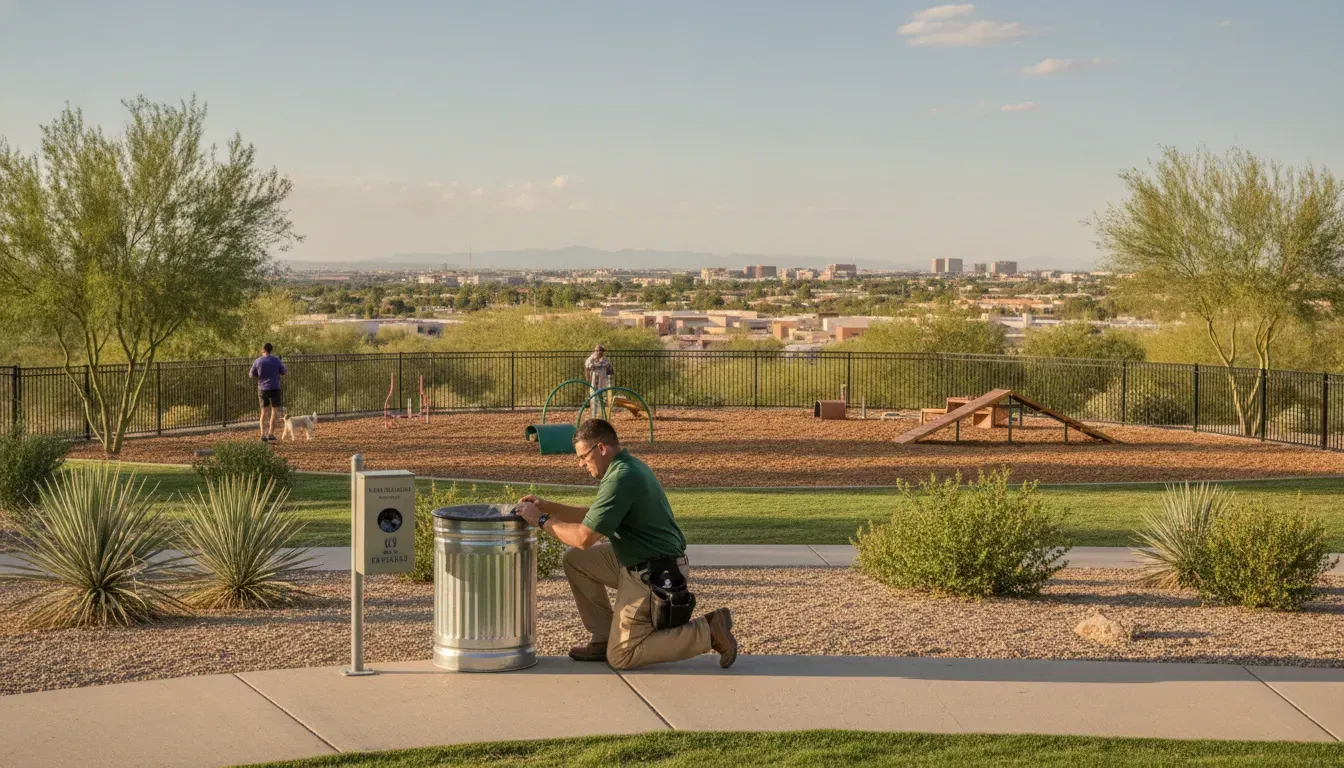
- Pet waste station maintenance: Stations can be checked, serviced, and kept supplied so residents have a practical place to dispose of waste.
- Artificial turf cleaning: Pet-use turf areas can receive cleaning focused on reducing waste accumulation and maintaining a more sanitary common area.
- One-time cleanups: A property can request a cleanup when waste has accumulated before a routine service starts, after a staffing gap, or ahead of an inspection or community event.
The exact service area should be confirmed during a property walkthrough. Some communities need pet stations and dog runs covered, while others need additional attention around sidewalks, landscaping, courtyards, or artificial turf. A clear scope helps managers know what residents can expect and gives the provider a practical checklist for consistent visits.
ResponsibilityDIY or Staffed ApproachProfessional ServiceSchedulingDepends on staff availability and competing maintenance needs.Set weekly or bi-weekly visits with a defined service scope.DisposalStaff must bag, transport, and manage waste handling.Waste is bagged and hauled off-site for city sanitation.Pet waste stationsInspections and restocking may be inconsistent.Stations can be maintained as part of the service plan.Common-area coverageOften limited to reported problem areas.Coverage is planned around the community's layout and pet-use zones.LiabilityResponsibility stays with the property team.Documented recurring service supports a more consistent sanitation process.
For a broader framework covering commercial and HOA pet waste removal in Las Vegas, review A1's commercial and HOA pet waste removal guide.
How Do You Structure a Pet Waste Removal Contract for Las Vegas Apartments?
A well-structured service agreement should make responsibilities, visit frequency, pricing, and station upkeep easy for a property manager to understand. It should also leave room to adjust service as the community's pet population changes. A1 Pet Maintenance uses a flexible, no-long-term-contract approach, with monthly billing based on the number of dogs served. That gives apartment and condo communities a practical sanitation plan without locking them into an arrangement that no longer fits.
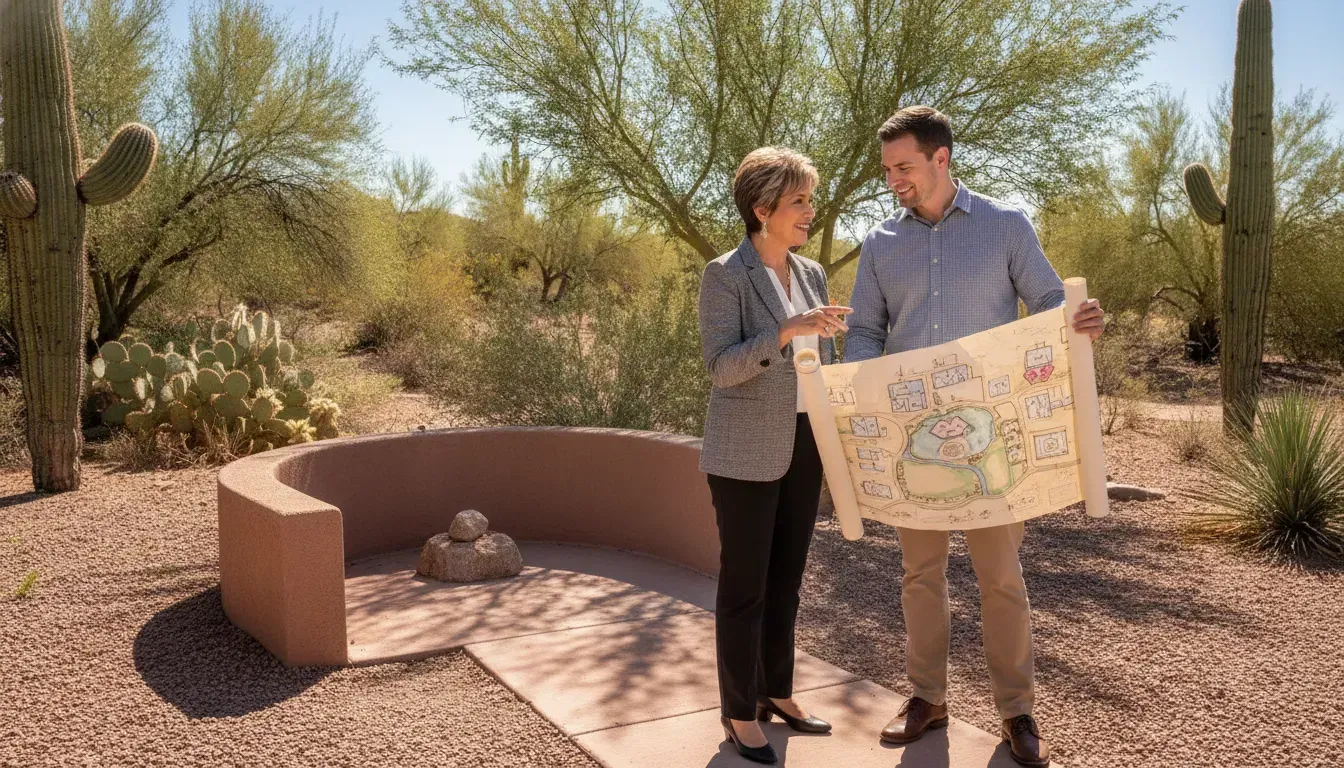
- Start with a property walkthrough and assessment. A1 reviews the community's buildings, walking paths, pet relief areas, common grounds, artificial turf, and existing waste stations. The walkthrough helps identify high-traffic areas, recurring accumulation points, access considerations, and the current condition of dispensers and receptacles. It also gives the property manager an opportunity to explain resident concerns and the standards the team wants maintained.
- Receive a service recommendation based on the property. Service frequency should reflect the community's size, dog count, layout, seasonality, and resident usage patterns. After the assessment, A1 recommends an appropriate schedule and visit count, such as weekly or more frequent service when conditions require it. The goal is a plan that keeps common areas consistently maintained without paying for visits that the property does not need.
- Review transparent monthly pricing by dog count. Pricing is built around the number of dogs associated with the community rather than an unexplained flat fee. The manager receives a clear monthly amount tied to the recommended scope, so budgeting and renewal discussions are easier. If the pet population changes, the service plan can be reviewed instead of forcing the property to remain tied to an outdated estimate.
- Set up and service pet waste stations. The agreement should identify where stations belong, what supplies are needed, and who handles routine upkeep. A1 can help establish practical station locations and include replenishment and maintenance in the service plan. This supports cleaner pet areas and gives residents a convenient way to dispose of waste during daily walks. For more planning considerations, review this guide to apartment complex pet waste management.
- Continue with ongoing maintenance and monthly billing. Once service begins, A1 removes and hauls collected pet waste, maintains the agreed areas, and communicates when the property's needs change. There is no long-term contract commitment required, so the property can continue month to month and adjust the scope as occupancy, dog count, or site conditions shift. This flexible approach makes professional pet waste removal easier to evaluate and manage for Las Vegas apartment and condo communities.
How Has A1 Pet Maintenance Served Multi-Family Properties for 26 Years?
Property managers need a sanitation partner that can deliver consistently after the initial service visit. A1 Pet Maintenance has supported Southern Nevada properties since 1998, giving apartment, condominium, HOA, and master-planned community managers more than 26 years of local experience to draw on. That history matters in Las Vegas, where heat, high resident traffic, and large outdoor common areas can make neglected pet waste especially visible.
A1 currently serves more than 400 properties each week across Southern Nevada and Tucson, Arizona. The work is built around dependable recurring service, not a one-time cleanup that leaves management teams to solve the same problem again next week. A1's team works as an extension of the property management staff, helping keep shared areas, walking routes. Pet relief zones, and waste stations maintained without adding another manual task to the onsite team's workload.
Experience across commercial and community properties
A1's commercial portfolio includes HOAs, condominium communities, apartment properties, and master-planned communities. Each setting has different traffic patterns, resident expectations, and common-area layouts. A service plan can therefore be aligned with the property rather than treated as a generic route. Managers can discuss service areas, visit frequency, waste station needs, and the practical requirements of their community before ongoing maintenance begins.
The company's government contracts with the City of Las Vegas, the City of Henderson. And Clark County also reflect experience working with organizations that expect professional operations, dependable scheduling, and attention to safety. A1 is licensed and insured, and its Better Business Bureau presence gives property managers another point of credibility to review when comparing commercial service providers.
A long-term partner for property managers
A1's average commercial client retention is 18.2 years. That figure is not a promise that every property will have the same service history, but it does show a pattern of long-term commercial relationships. For managers, continuity can mean fewer vendor changes, clearer expectations, and less time spent explaining the property's needs to a new provider. Review the Commercial and HOA pet waste removal in Las Vegas guide for a broader look at planning service for a multi-family property.
Frequently Asked Questions
How does pet waste removal service work for multi-family properties?
A provider starts with a property walkthrough to identify pet stations, dog parks, walking routes, turf areas, and recurring trouble spots. The service plan then sets visit frequency, collection areas, disposal procedures, and station upkeep. Scheduled crews remove waste from shared spaces, bag and dispose of it properly, and can report completed maintenance to the property team.
How often should pet waste be removed in a multi-family complex?
Frequency depends on the number of pets, property size, season, and how quickly common areas accumulate waste. High-traffic communities may need multiple visits each week, while smaller properties may use a less frequent schedule. The CDC recommends picking up dog waste daily and disposing of it properly, so a scheduled service should supplement resident cleanup, not replace it: CDC pet waste guidance.
Does pet waste removal service include pet waste station maintenance?
It can. A multi-family service plan may include emptying stations, replacing liners, restocking bags, cleaning surrounding areas, and identifying damaged or poorly placed stations. Confirm these details when comparing providers, because station maintenance is not automatically included in every basic cleanup plan.
Is pet waste removal required by law in Las Vegas for multi-family units?
There is not one service requirement that applies identically to every apartment, condominium, or townhome community. Owners and managers should review applicable local rules, lease language, association standards, and site-specific health and safety requirements. Regardless of the contract language, consistent cleanup helps keep shared spaces sanitary and reduces avoidable safety and resident-complaint issues.
How do I choose a pet waste management company for a large apartment complex?
Look for experience with multi-family properties, clear visit schedules, defined disposal and station-maintenance procedures, responsive communication, and documentation of completed work. Ask how the provider adjusts service when occupancy or pet populations change. A local company that treats its crew as an extension of the management team can provide more consistent support than an ad hoc cleanup arrangement.
Ready to Improve Pet Waste Management in Las Vegas?
A dependable service plan helps your property stay cleaner, more welcoming, and easier for your team to manage across apartments, condos, and townhomes. A1 Pet Maintenance can discuss your community's needs and recommend a practical starting point.
Call (702) 521-2624 to schedule a free consultation and sign up for multi-family pet waste removal in Las Vegas.The body content of your post goes here. To edit this text, click on it and delete this default text and start typing your own or paste your own from a different source.