Dog waste management pros: Service Options and Planning Guide
Dog waste management pros can take a recurring chore off your list, help you catch up after a busy stretch, or support cleanup at a shared property. The right choice depends on how much waste collects, how often you want it removed, and whether you need regular visits or a one-time reset. For a private yard, compare your own routine with recurring weekly or bi-weekly service and one-time cleanup before deciding.
What can dog waste management pros handle?
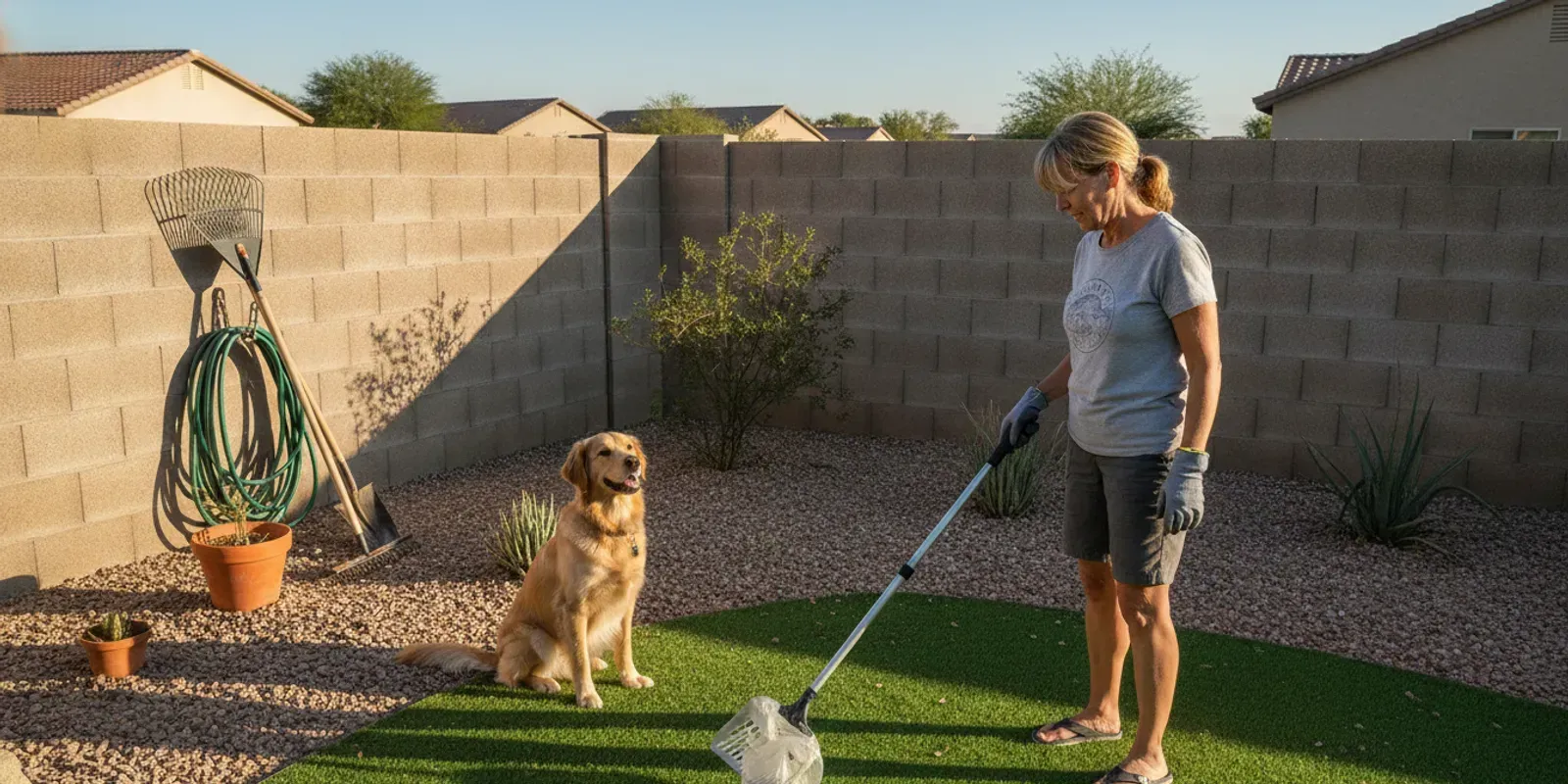
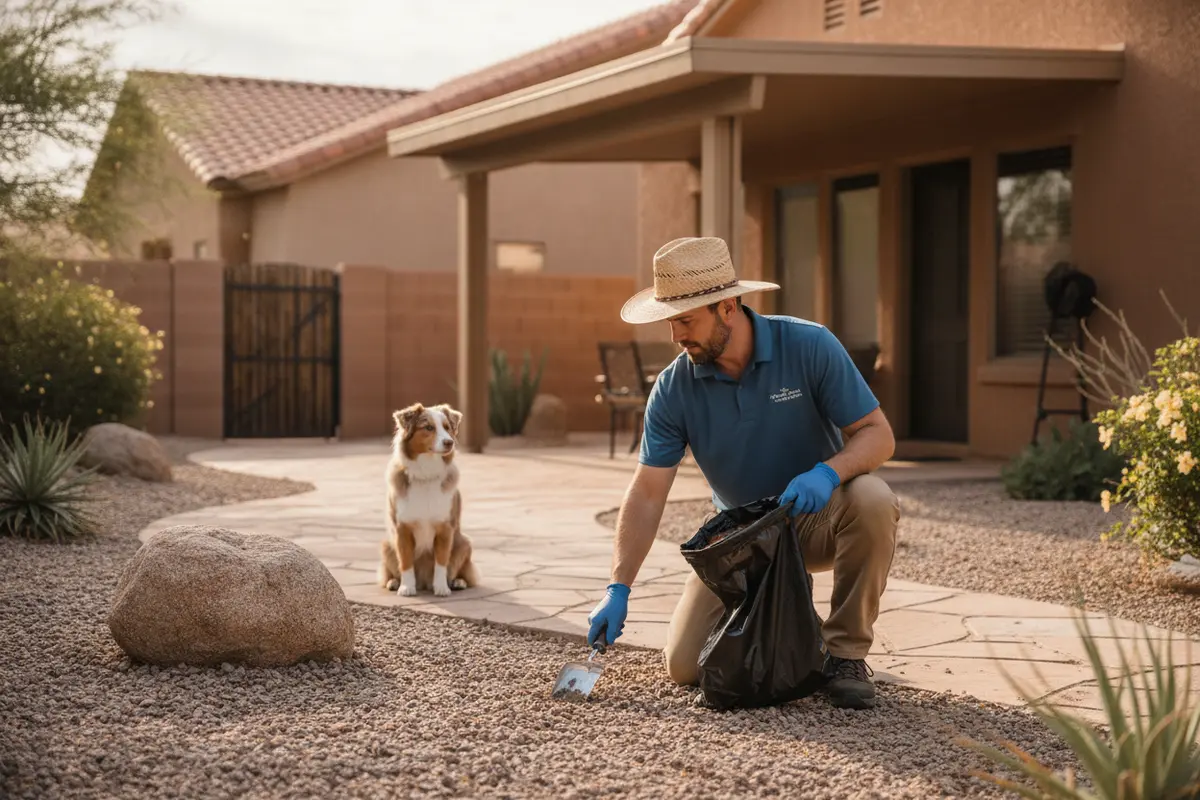
A pet waste removal professional helps keep outdoor areas clear by collecting dog waste from an agreed service area. For homeowners, that may mean a fenced yard where dogs spend time. For a property manager or community representative, the work may involve designated shared areas and a plan for service access. The exact scope depends on the provider and the property, so it should be discussed before service begins.
Hiring a pro does not change the need to pick up after a dog in other places. Owners still need to bring bags and clean up on walks, in parks, and anywhere outside the area covered by the scheduled visit. Professional service is best understood as a practical way to manage a defined space, not as a substitute for responsible pet ownership.
Some owners want help keeping a yard consistently usable. Others need support after travel, a move, a busy period, or a long gap in cleanup. A property team may need a separate plan for common grounds. In each case, start by identifying the area to be cleaned and the result you expect.
When does professional cleanup make sense?
DIY cleanup can work well when the yard is small, waste is easy to spot, and someone in the household can keep up with it. It becomes harder to maintain a reliable routine when schedules change, more than one dog uses the yard, or the outdoor space is large or divided into several areas. A service can also be useful when a household wants the task handled consistently rather than assigned informally among family members.
- Your schedule is the main obstacle. If cleanup is repeatedly postponed because of work, travel, or caregiving, a planned visit can reduce the backlog.
- You want a predictable routine. Recurring visits create a regular opportunity to clear the agreed area. A1 Pet Maintenance offers weekly or bi-weekly pet waste removal; ask which schedule fits your yard and situation.
- The yard needs a reset. If waste has accumulated, ask about a one-time cleanup rather than assuming a regular visit will include an unusually large backlog. See the one-time pet waste cleanup information.
- The space is shared. Apartment communities, HOAs, and other managed properties need clear service areas, access arrangements, and a way to coordinate with residents. A property team can review commercial property pet waste cleanup as a separate planning need.
- You have artificial grass. Waste pickup and turf cleaning are different tasks. If odor or turf care is part of the concern, review the company’s artificial grass cleaning and maintenance information and ask what work applies to your surface.
Convenience is only one consideration. A professional visit may be a poor fit if you prefer to handle the task yourself, the property cannot provide suitable access, or your expectations are broader than the service offered. Ask questions before enrolling so you know what the visit includes and what remains your responsibility.
Which cleanup option fits your household?
Think about frequency, the condition of the yard, and who will manage the task. The table below compares common approaches. It is a planning tool, not a price quote: cost and exact scope depend on the provider, number of dogs, property, and amount of accumulated waste.
| Option | Best suited to | What to plan | Questions to ask |
|---|---|---|---|
| Do-it-yourself cleanup | Households able to maintain a regular routine | Choose a repeatable day and keep bags and a disposal bin handy | Who is responsible, and how will missed days be handled? |
| Recurring professional visits | Owners who want ongoing help with a defined yard area | Agree on service frequency, access, gate instructions, and covered areas | Is service weekly or bi-weekly, and what happens if the gate is locked? |
| One-time cleanup | A yard that needs a catch-up visit or reset | Describe the current condition and identify the area to be addressed | Does the estimate account for the accumulated waste and yard size? |
| Property-wide service plan | Managers coordinating shared outdoor areas | Map common areas, access points, responsibilities, and service expectations | Which areas are included, and who handles resident communication? |
When comparing providers, do not rely on a headline price alone. Ask what area is covered, what frequency is available, how to report access issues, and whether a catch-up visit is treated differently from routine maintenance. Compare like with like: a small private yard on a recurring schedule is not the same job as a large shared property or a yard that has gone a long time without cleanup.
How should you prepare for a first visit?
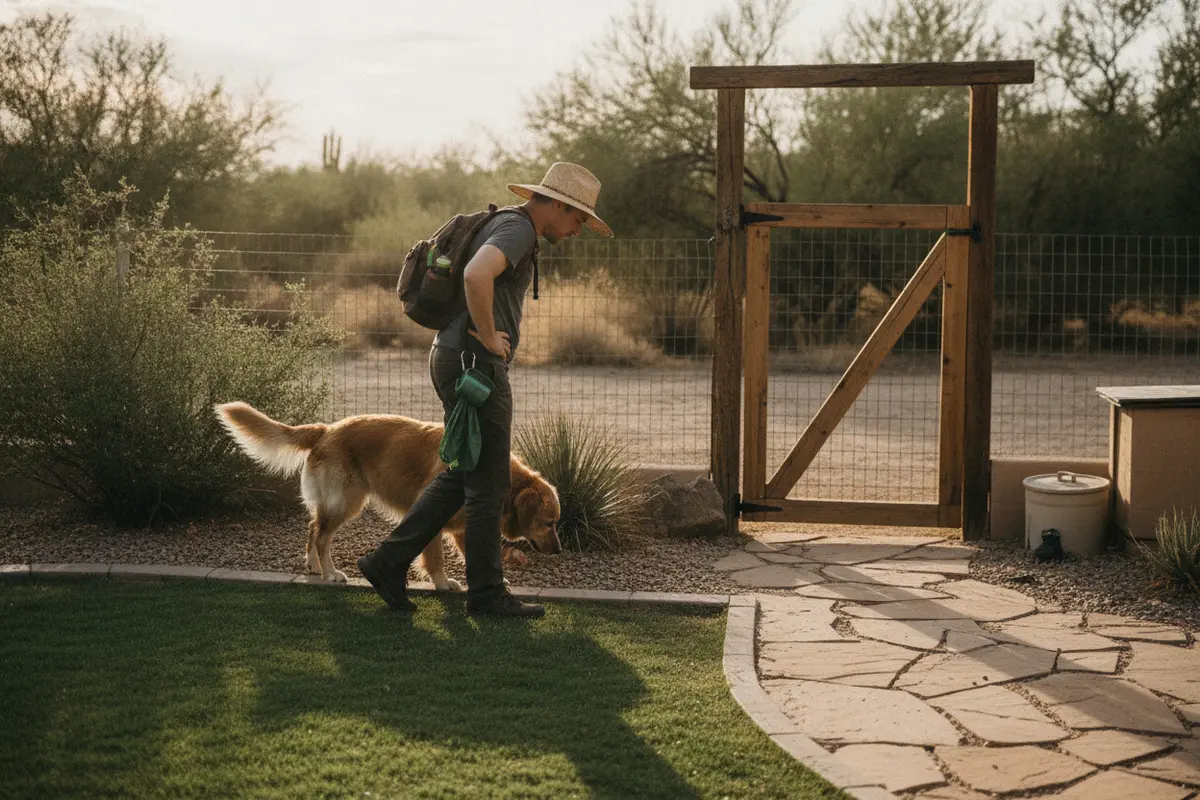
A short conversation before service can prevent confusion later. Walk the yard and note where the dog usually goes, which gates the worker may use, and any areas that should be avoided. If you have more than one dog, explain how many use the space. Make sure your instructions cover practical details such as a latch, a locked gate, or a dog that needs to be kept indoors during the visit.
- Define the service area. Specify whether the visit covers the whole fenced yard, a side run, or only certain sections. For a shared property, identify common areas separately from private yards.
- Explain access. Give clear gate instructions and describe any access restrictions. Ask how the provider handles a locked gate or another condition that prevents entry.
- Describe the current condition. Tell the provider if this is routine maintenance or an initial cleanup after a gap. Accurate expectations make it easier to discuss the right service.
- Agree on a schedule. Ask which recurring frequency is available and how schedule changes are communicated. A1 Pet Maintenance lists weekly and bi-weekly service; review its service and billing FAQs for customer questions.
- Confirm the boundaries. Ask what is included and what is not. Waste pickup should not be confused with turf washing, odor treatment, or general yard maintenance unless those tasks are specifically offered and arranged.
For a household comparing providers, a simple written list can help: number of dogs, approximate yard layout, preferred frequency, gate details, and whether the first visit is routine or a catch-up. For a community, add a site map and a contact person responsible for access. These details make the conversation more useful without requiring a complicated specification.
What should you ask before hiring a pro?
Choose a provider based on fit and clarity, not on assumptions. These questions help you understand how the service works:
- Which parts of my yard or property are included?
- What recurring visit frequencies are available?
- Can I request a one-time cleanup if waste has built up?
- What should I do with my dog during a visit?
- How do you handle locked gates, weather changes, or missed access?
- Is turf cleaning or odor treatment part of this service, or is it a separate service?
- How can I change or stop service, and where can I review the terms?
Look for direct answers about the service boundary and scheduling. Avoid assuming that every company includes the same tasks or serves the same locations. A1 Pet Maintenance serves customers in Southern Nevada and the Tucson area; see the company information and ask whether your address is within the service area. You can also review the dog poop service guide for more background on arranging service.
How can you compare providers fairly?
Use the same short brief when contacting each company. Describe the property, the number of dogs using the area, whether you need recurring visits or a one-time cleanup, and any access restrictions. Ask each provider to explain the service area, available schedule, and what happens when a visit cannot be completed. This gives you a clearer basis for comparison than asking only, “How much does it cost?”
For a home, the brief might say: “We have two dogs using a fenced backyard. We are looking for regular cleanup, and the side gate has a latch. Please explain the available visit schedule and whether the first visit needs to be handled differently.” This example does not assume a particular quote or promise; it simply surfaces the details a provider needs to discuss the job.
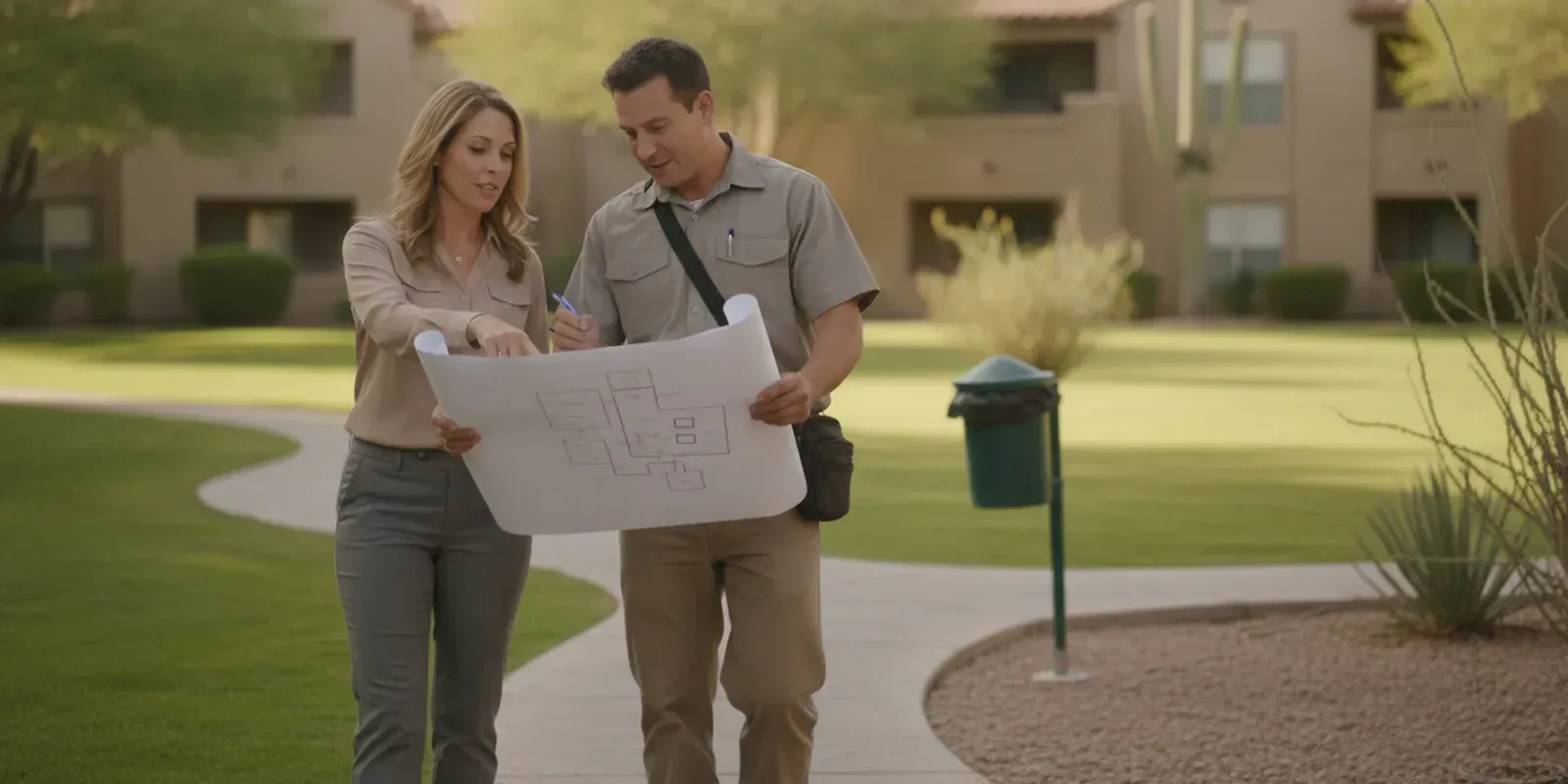
For a community, add a simple property map or written list of common areas. Distinguish resident-only spaces from areas the service should cover, identify the person who can arrange access, and note any rules the worker needs to know. Decide who will receive service updates and how residents should report an area that needs attention. Clear ownership helps prevent a gap between the board’s expectations and the work arranged with a provider.
Before agreeing, repeat the key points back: service frequency, included areas, first-visit expectations, access instructions, and how to request a change. Keep those details somewhere other household members or the property contact can find them. If your needs change—for example, the dog no longer uses the yard or the property is preparing for a one-time cleanup—contact the provider to discuss adjusting the plan instead of assuming the original arrangement still fits.
How does responsible disposal fit into the plan?
Picking up waste is only one part of managing it. The EPA’s guidance for pet waste management describes approaches communities can use to encourage responsible handling. Follow local rules for disposal, and do not assume dog waste belongs in a compost bin or storm drain. For household cleanup, carry bags on walks and use the disposal method accepted where you live.
That guidance matters at home as well as in shared spaces. Waste left on the ground can be carried away by rain or irrigation, so prompt pickup and appropriate disposal are useful habits. The U.S. Environmental Protection Agency’s pet waste management fact sheet discusses ways municipalities can promote responsible pet waste practices. Local instructions can differ, so check municipal rules for your address rather than treating one community’s disposal directions as universal.
How can you choose a plan in Southern Nevada or Tucson?
Start with the place where waste accumulates. For a private home, decide whether the need is a regular yard routine or a one-time catch-up. Then consider how often the yard is used, whether anyone can reliably do the work, and whether the property has access details that need to be shared. For a managed community, map the shared grounds and identify the person who can coordinate entry and communicate the plan.
Next, confirm service availability for your location. A provider’s coverage can vary by city or route, so a nearby city name is not enough to guarantee service at a specific address. A1 Pet Maintenance serves parts of Southern Nevada and the Tucson area. Use the contact page to ask about your location, visit options, and the next step. If you are already comparing a recurring plan with a single cleanup, explain that distinction when you inquire.
Finally, choose a manageable routine. If you want to handle cleanup yourself, assign responsibility and set a reminder. If you prefer professional help, agree on the schedule, service area, and access instructions before the first visit. A clear arrangement is more useful than choosing a frequency that does not fit how the property is used.
Frequently Asked Questions
How often should a dog’s yard be cleaned?
There is no single schedule for every yard. The right frequency depends on the number of dogs, how often they use the space, the size and layout of the area, and how much buildup you are comfortable managing. If you want recurring help, ask the provider which schedules are available and choose one that suits your circumstances.
Can I hire someone for just one cleanup?
One-time cleanup can be an option when a yard needs a catch-up visit rather than ongoing service. Tell the provider how much has accumulated and describe the size and condition of the area. A one-time request should be discussed separately from the scope of routine visits.
Do professional waste removal visits include artificial grass cleaning?
Not necessarily. Picking up solid waste and cleaning artificial turf are different tasks. Ask the provider whether turf cleaning, enzyme treatment, or odor-related work is offered and whether it must be arranged separately. A1 Pet Maintenance provides artificial grass cleaning information on its turf maintenance page.
What should I do with my dog during the visit?
Ask the provider for instructions before the first service. Your dog’s temperament, the gate arrangement, and the worker’s access all matter. If the provider asks you to keep the dog indoors or otherwise secure it during the visit, follow that direction and make the arrangement clear in advance.
How do I know whether service is available at my address?
Ask the company directly with your city and address. Service areas can depend on location and route coverage, so do not infer availability solely from a nearby community. A1 Pet Maintenance can discuss service in its Southern Nevada and Tucson markets through its contact page.
Call A1 Pet Maintenance at (702) 521-2624
Choose a cleanup routine you can maintain
Professional dog waste management is most useful when the service matches the property and the task. Decide whether you need a recurring yard routine, a one-time reset, or a plan for shared grounds, then confirm the covered area, schedule, access, and disposal expectations. With those details agreed, you can choose a practical way to keep the outdoor space cleaner.