Dog park cleaning Las Vegas: Service Options and Planning Guide
Plan dog park cleaning in Las Vegas with practical routines, waste station checks, surface-specific steps, and guidance on one-time or recurring help.
A dog park cleaning Las Vegas plan starts with a reliable routine: remove visible waste promptly, keep disposal stations usable, check high-traffic areas, and assign someone to report maintenance needs. For a property-specific schedule, review A1's Las Vegas apartment dog park cleaning schedule. For a shared park, the right plan depends on its layout, visitor use, surfaces, and who is responsible for each task.
Use this guide to set up a practical approach for a neighborhood dog park, apartment pet area, or other shared outdoor space in Southern Nevada. A1 Pet Waste Maintenance provides pet waste removal and commercial property maintenance; contact the team to discuss whether its verified services fit your site.
What should a dog park cleaning Las Vegas routine cover?
A useful routine covers more than the open play area. Waste collects along fence lines, near gates, beside benches, around shade structures, and near station bins. A short, repeatable checklist helps staff or volunteers notice those locations instead of cleaning only the most visible part of the park.
- Pick up visible waste. Walk the full accessible area, including edges, corners, and the space around common gathering points.
- Check waste stations. Confirm that dispensers and bins are in usable condition. Refill supplies or report a need according to the property's process.
- Look for problems. Note overflowing bins, damaged equipment, standing water, or areas that need attention from the parks or property team.
- Close the loop. Record when the area was checked and who should receive any follow-up report.
The person doing the walk-through should follow the property's safety rules and waste-disposal procedure. Use the tools designated by the site, avoid touching waste directly, and wash hands after cleanup. For broader public-health information about animals and hygiene, consult the Centers for Disease Control and Prevention.
 How can a property team organize the work?
Start by deciding who owns each part of the routine. In a city or community park, responsibilities may be divided among parks staff, maintenance teams, contractors, and users. In an apartment community, the property manager may coordinate the pet area while residents are expected to pick up after their dogs. Put responsibilities in writing so an overflowing bin or missed area does not become everyone's problem and no one's task.
Map the areas that need attention
Walk the site and make a simple list of locations: entrances, paths, open play space, perimeter, seating, and waste stations. Note surfaces such as grass, gravel, pavement, or artificial turf. This is not a substitute for an inspection by a qualified professional; it is a practical way to make sure routine checks cover the full property.
Mark places where waste is easy to miss, including behind equipment or along a fence. The map can also show where a station is located and which bin or service area applies. If the park shares space with other uses, make the boundaries clear so staff know what is part of the assigned cleaning area.
Set a check-and-report process
Use a brief checklist rather than relying on memory. A log can note the date, staff member, areas checked, visible waste removed, station condition, and any issue sent for follow-up. The team can decide how often to inspect based on its own site conditions and operating plan. Do not assume one schedule suits every park or claim that a particular visit frequency is guaranteed.
For a community with several stations, record which ones need bags or attention. If residents can submit maintenance concerns, tell them how to do so. A clear process reduces duplicate reports and gives managers a way to see whether the same location repeatedly needs attention.
Keep the checklist short enough that someone can complete it during a normal site walk. For example, use one line for each zone and a simple status such as checked, needs supplies, or follow-up required. The log should help people act, not create paperwork for its own sake. If a concern involves a broken fixture, drainage, or another repair outside routine waste pickup, send it to the appropriate maintenance contact rather than leaving it as an open note. Review repeated findings with the team and adjust the route or task ownership when needed.
Which cleanup steps fit different park surfaces?
Pick up waste with the tool and disposal method approved for the property. Then consider the surface and the type of maintenance needed. Removing solid waste is not the same as washing, deodorizing, or restoring a surface, so define the task before assigning it.
Grass, gravel, and planted edges
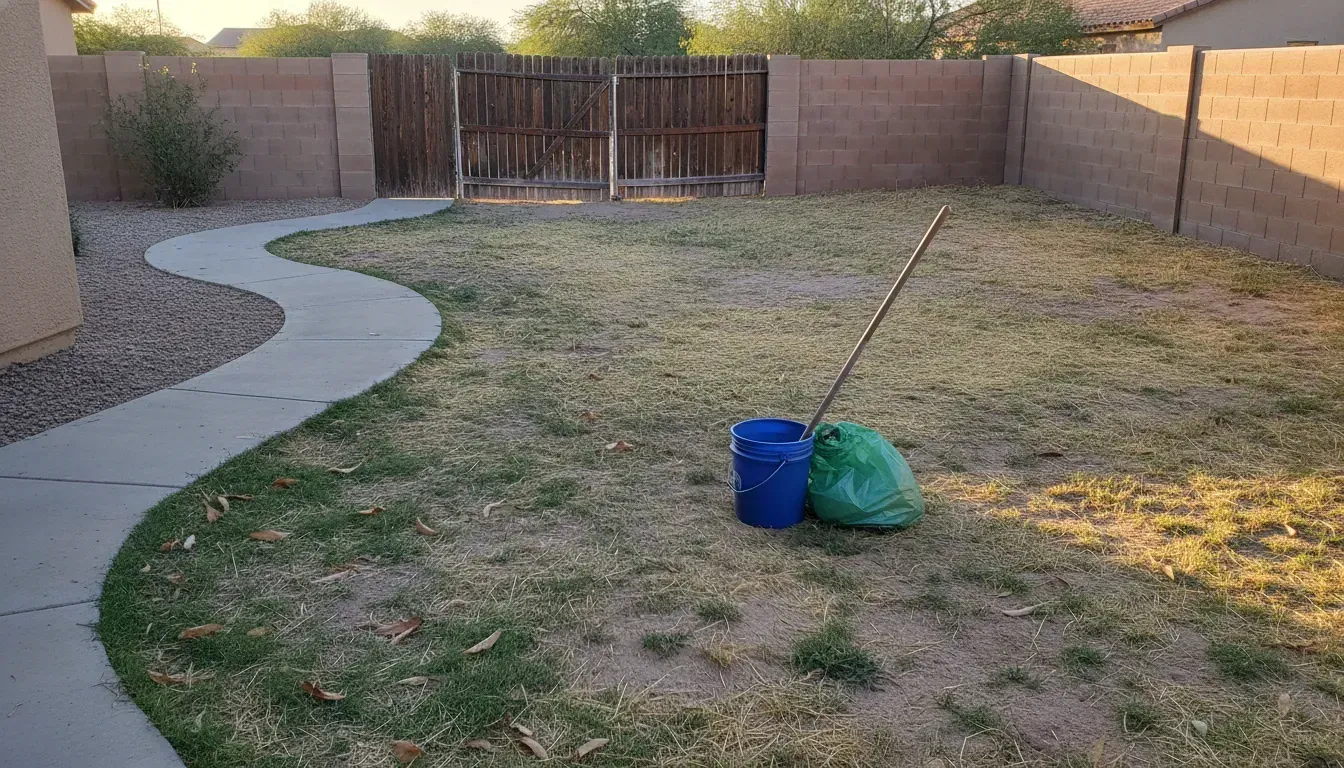
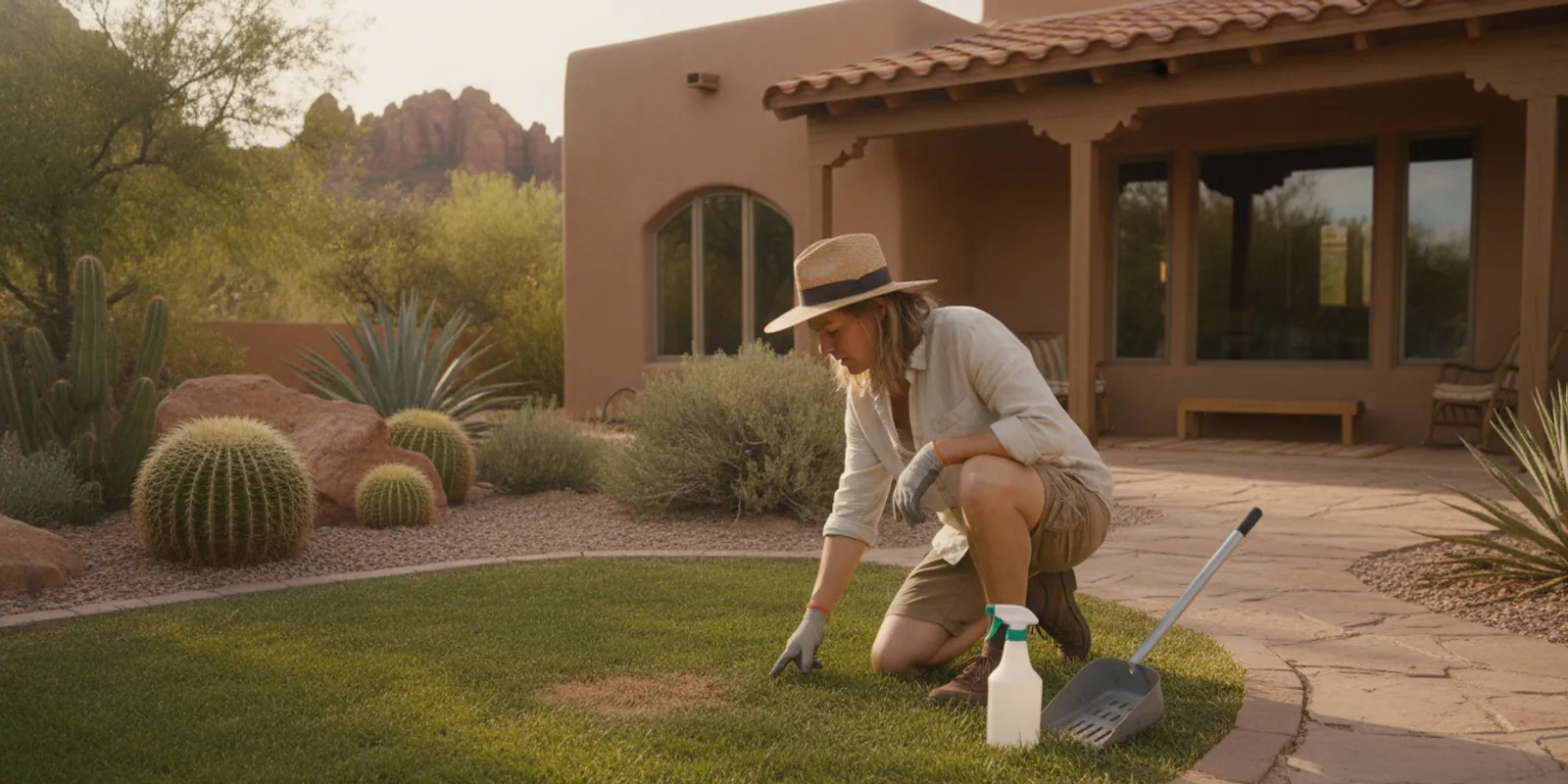
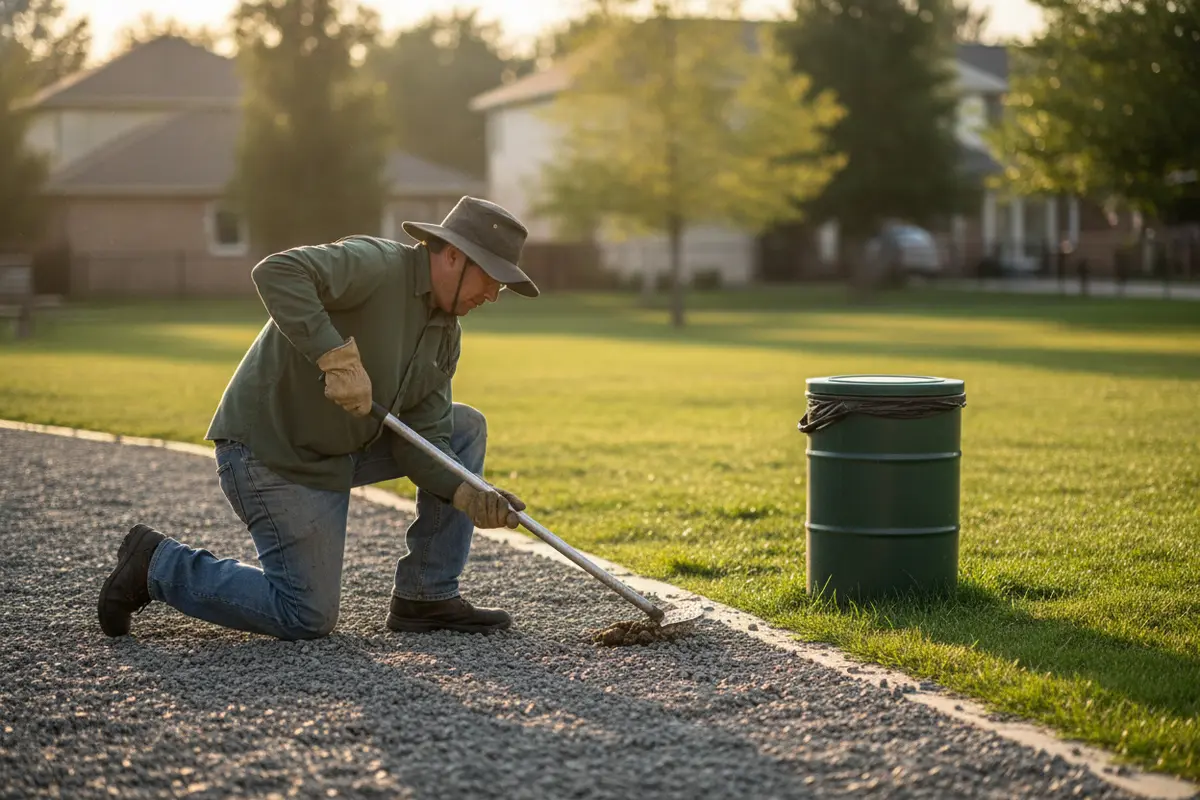
On grass, scan from more than one angle because waste can blend into the ground cover. Check the perimeter and the bases of shrubs without trampling plantings. On gravel, look for waste caught along edges and around obstacles. Use tools suited to the surface, and follow the site's disposal instructions. If a spot is difficult to reach or has accumulated waste, flag it for a planned cleanup instead of leaving it off the checklist.
Pavement and paths
Check paths, gates, and hard edges where dogs pause. Pick up solid waste before any rinse or surface treatment, and follow property rules about water use and runoff. Do not assume that rinsing alone removes waste or odor. Report cracks, drainage issues, or other facility repairs through the proper maintenance channel.
Artificial turf
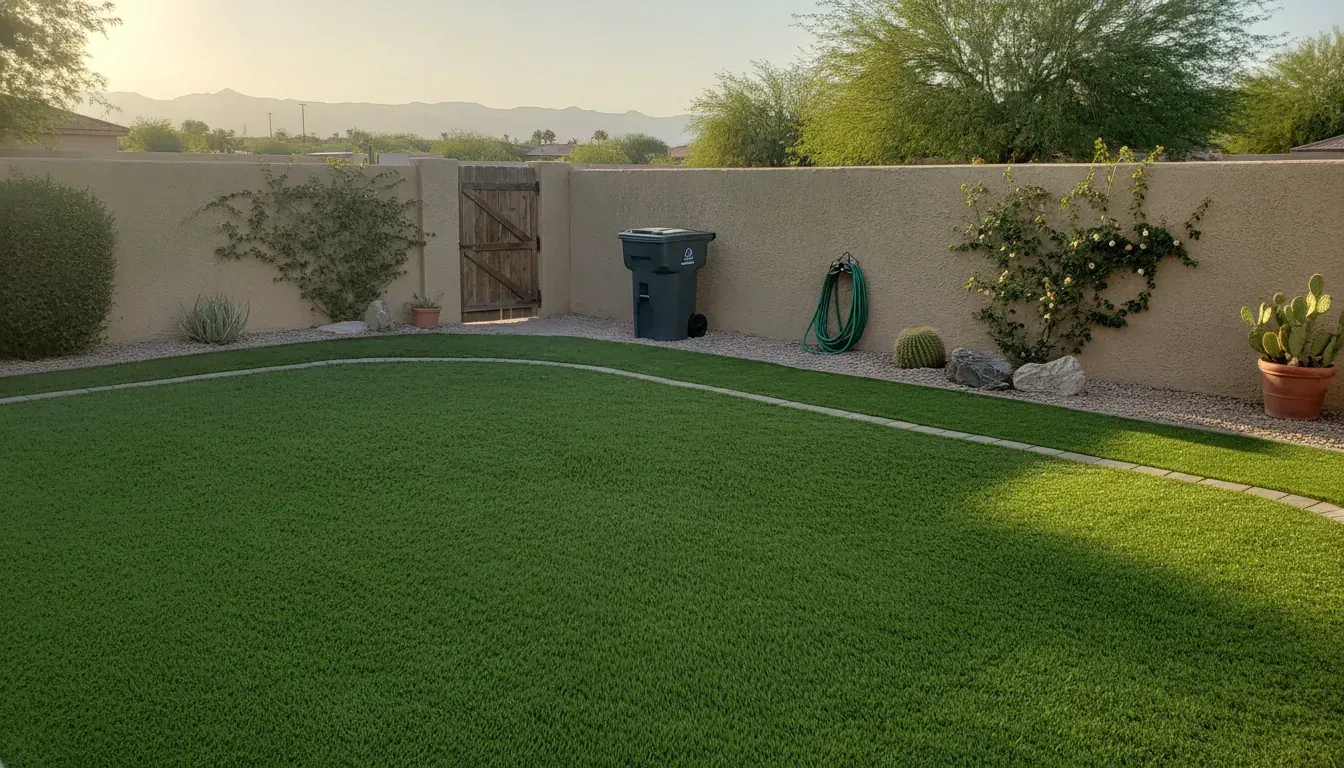
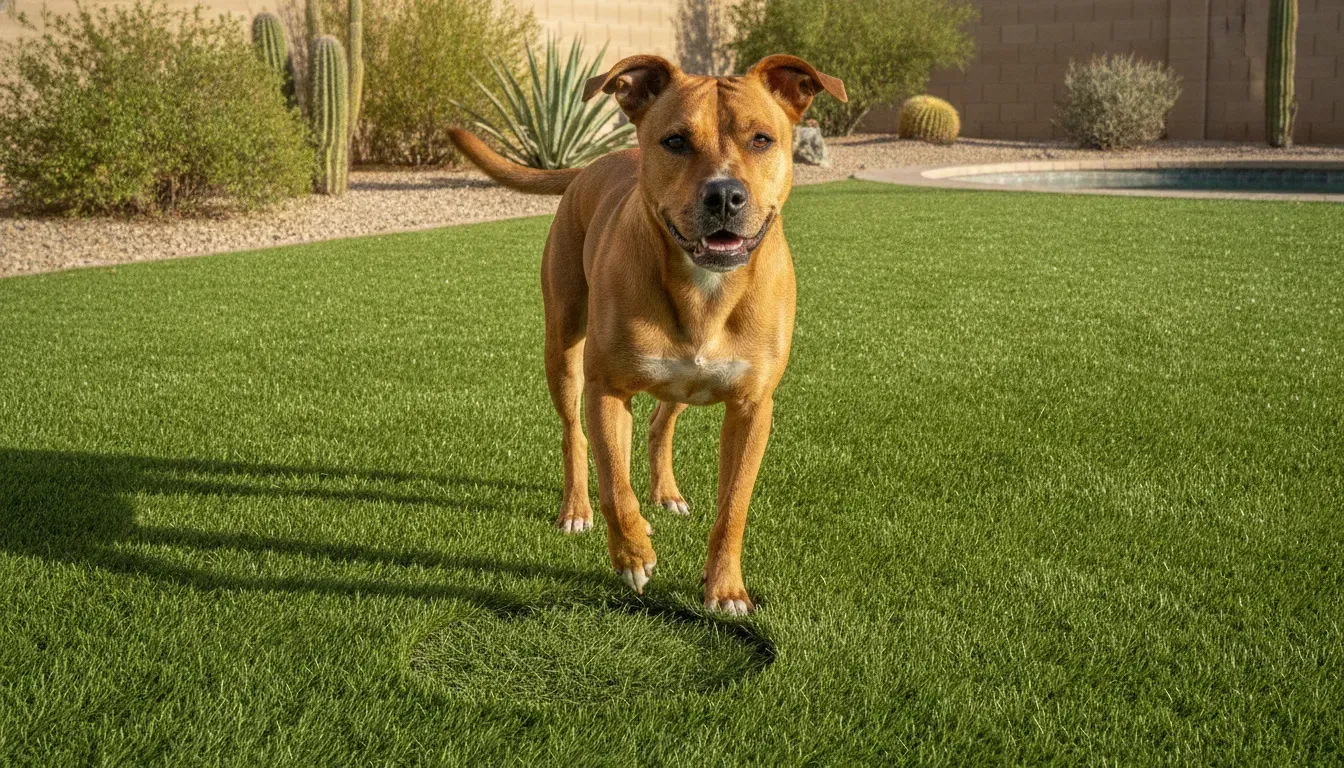
Artificial turf needs attention appropriate to its material and the service being requested. Solid waste pickup and turf cleaning are separate tasks. A1 offers artificial grass cleaning and maintenance; its artificial grass cleaning overview explains that service area. For a pet-area turf project, describe the turf, its size, the concern, and the location when asking what support may fit. Do not apply household chemicals or treatments without confirming they are suitable for the surface and permitted by the property.
 How should waste stations and disposal be handled?
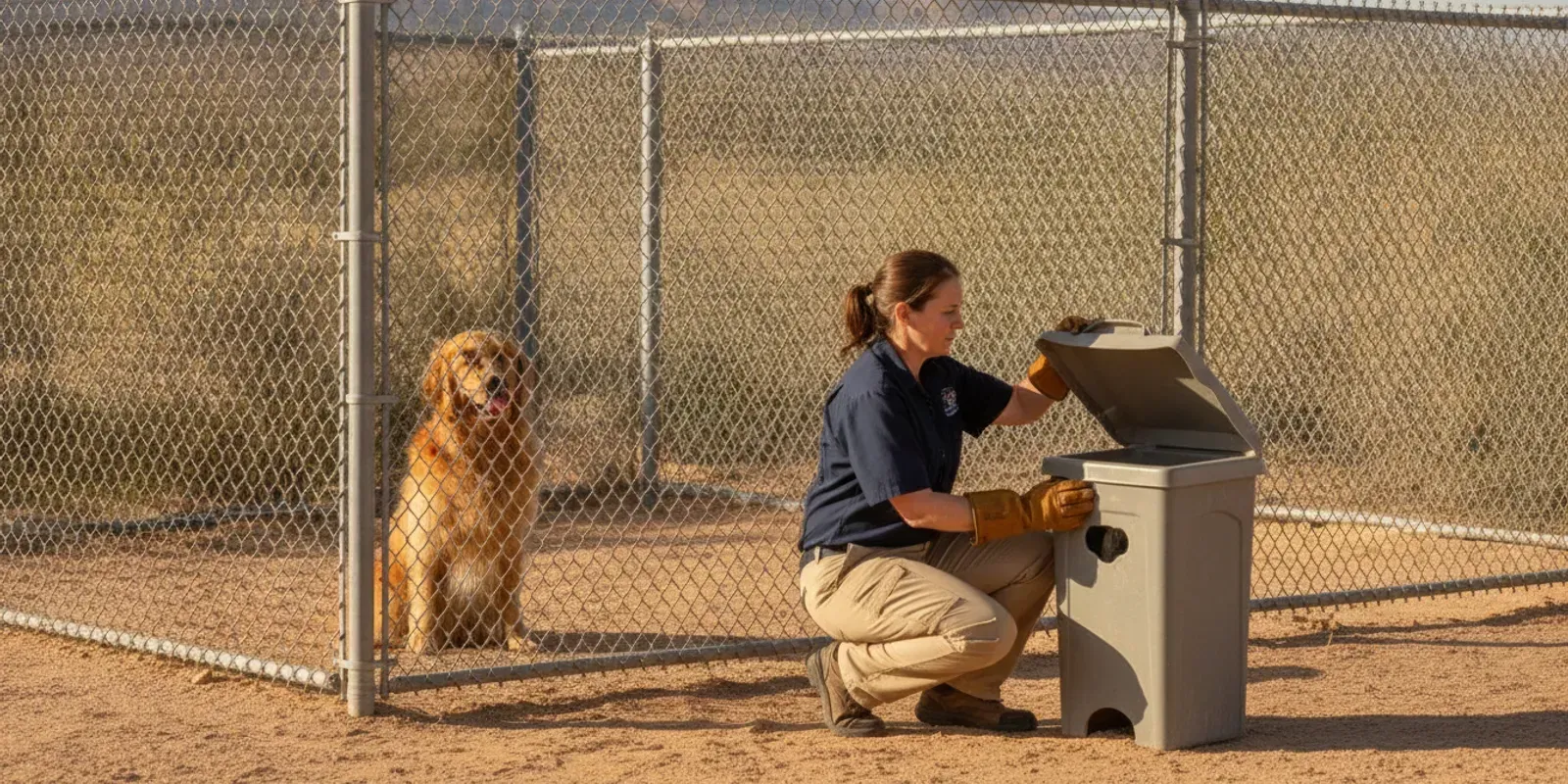
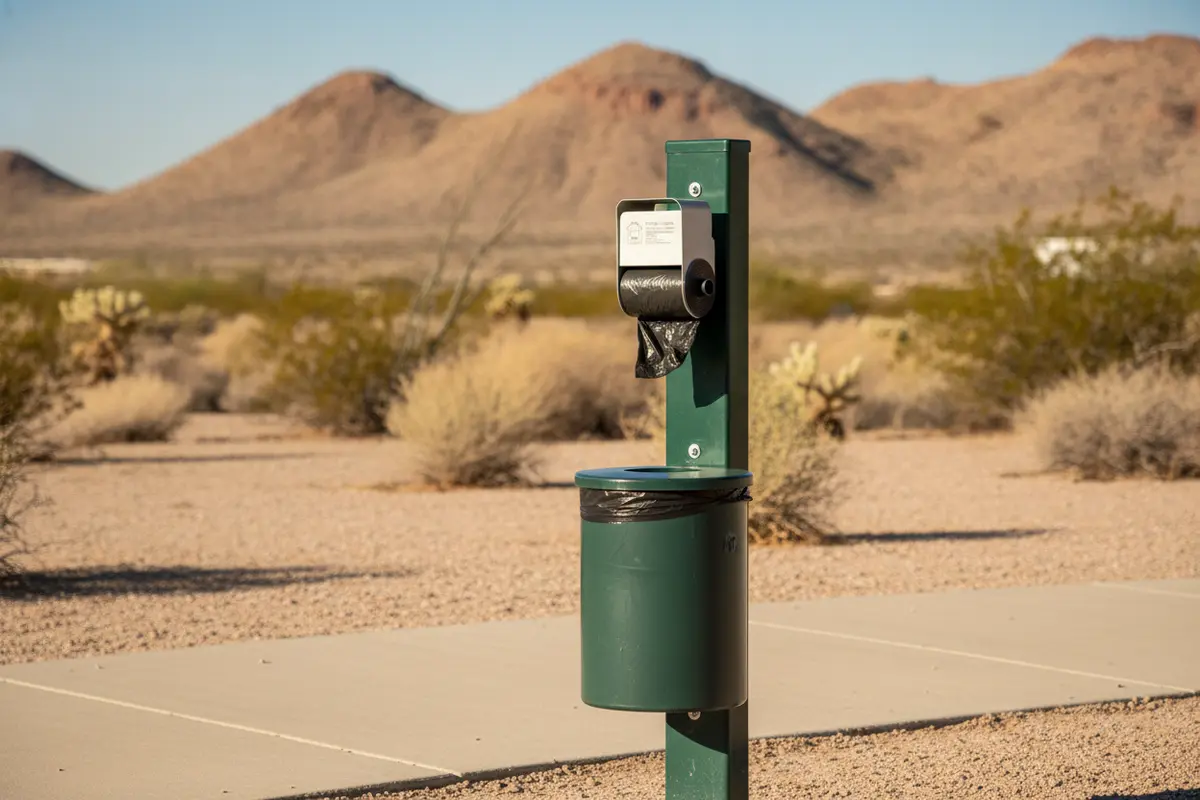
Stations only help when they are accessible and maintained. During each inspection, look at the dispenser, bin, lid, and surrounding ground. Note whether supplies are low, the receptacle is full, or equipment is damaged. Follow the property's procedure for replacing bags or arranging collection; this guide does not set a municipal collection schedule or disposal rule.
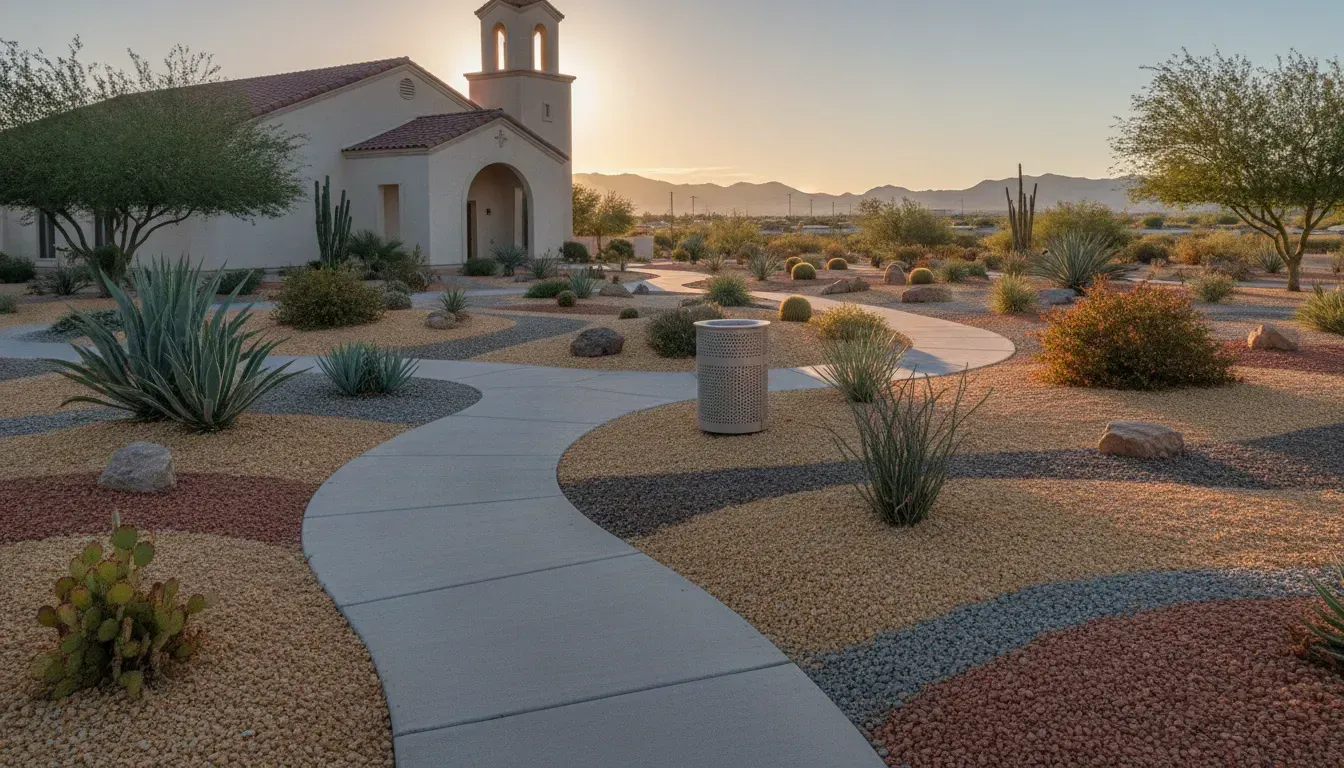
Choose station locations that are easy for park users to find without obstructing paths. Managers planning new or replacement stations can review A1's guidance on dog waste stations, dog poop station options, and planning a pet waste station installation. For a combined station setup, see the combo pet waste station guide. These pages can help frame planning questions; confirm the appropriate equipment and responsibilities for your site.
Should you use in-house upkeep, one-time cleanup, or recurring service?
Different needs call for different arrangements. An in-house routine may fit a property with staff who can do regular checks. A one-time cleanup may be worth discussing when waste has accumulated or the site needs a reset. Recurring professional service can be considered when a property wants regular pet waste removal handled as part of its maintenance plan. Decide based on the site, scope, budget approval, and responsibilities, not on an assumed service promise.
In-house routine
This approach gives the property direct control over its checklist and response process. It requires someone to own the work, access to suitable tools, and a reliable way to handle station supplies and waste. It may be harder to sustain when staff roles change or the park has several distinct areas.
One-time cleanup
A one-time service can be a practical conversation when there is a backlog, a seasonal reset is needed, or a property wants help clearing accumulated waste before establishing a regular routine. A1 describes one-time pet waste cleanup as an available service. Ask what areas are included, what preparation is needed, and how the site's access and disposal arrangements will be handled.
Recurring service
Recurring pet waste removal is a different arrangement from a one-time visit. A1 offers residential weekly or bi-weekly service and commercial maintenance; the right scope for a shared park or community property needs to be discussed directly. A manager can explore commercial property pet waste cleanup or contact A1 to describe the location and requirements. Do not infer a particular schedule or price without a property-specific conversation.
For general information on how the company describes its services, review A1's company information and its service and billing FAQs. Residents who need residential service information can also see the service sign-up page.
What details should you gather before requesting help?
A focused request makes it easier to discuss scope. Before contacting a provider, gather:
- The property address and whether it is in Las Vegas or another Southern Nevada community.
- A description of the space: dog park, apartment pet area, shared green space, or another property type.
- The surfaces present and approximate areas that need attention.
- Whether the need is an accumulated-waste reset, recurring pet waste removal, station planning, or artificial grass cleaning.
- Any access instructions, site rules, disposal arrangements, or areas that are excluded.
- The property contact who can approve work and coordinate access.
For a public or shared site, confirm internally who may authorize service and what procurement steps apply. A1 notes experience serving commercial and government customers, but each property's scope and approval process is specific. Use the contact page to start the conversation.
How can you make a dog park plan easier to maintain?
Keep the plan visible and manageable. Use a short inspection route, assign clear ownership, and keep a straightforward method for reporting problems. If the park has waste stations, list them individually. If it has several surfaces, describe the right basic pickup method for each rather than applying one instruction to every area.
Review the process when the property changes or the current routine is not keeping the area in acceptable condition. A recurring issue at one gate, station, or perimeter may point to a need to change station placement, clarify responsibilities, or ask for a separate cleanup assessment. For HOA or community settings, A1's guide to community pet waste solutions offers related planning context.
Call A1 to discuss your property
Frequently asked questions
How often should a Las Vegas dog park be cleaned?
There is no single schedule that fits every park. The property team should set inspection and cleanup timing based on its use, layout, site rules, and ability to keep waste stations usable. If you are considering outside help, describe the site and ask what scope and schedule can be offered.
Does A1 provide dog park cleaning in Las Vegas?
A1 Pet Waste Maintenance provides pet waste removal and commercial property maintenance in its service markets, including Southern Nevada. The exact fit for a particular dog park should be confirmed with A1, including the property type, work area, and service requirements.
Can I request a one-time cleanup instead of ongoing visits?
A1 lists one-time pet waste cleanup as a service. Share what has accumulated, which areas need attention, and any access or disposal requirements so the team can discuss whether the request fits.
Are waste station checks part of dog park cleaning?
They should be part of the property's maintenance plan, but who supplies bags, empties bins, or repairs equipment depends on the site's arrangements. Assign each task to a person or team and make the reporting process clear.
What should I do if the park has artificial turf?
Describe the turf and the issue separately from routine waste pickup. A1 offers artificial grass cleaning and maintenance, but the suitable work depends on the surface and site. Ask about scope before applying any product or treatment.
A clear checklist, dependable ownership, and a well-defined service scope can make dog park upkeep easier for Las Vegas property teams and more pleasant for the people who use the space.