Best product for cleaning dog kennels: Service Options and Planning Guide
Choose the best product for cleaning dog kennels by matching its labeled use to kennel surfaces and messes, then follow a clear, safe cleaning routine.

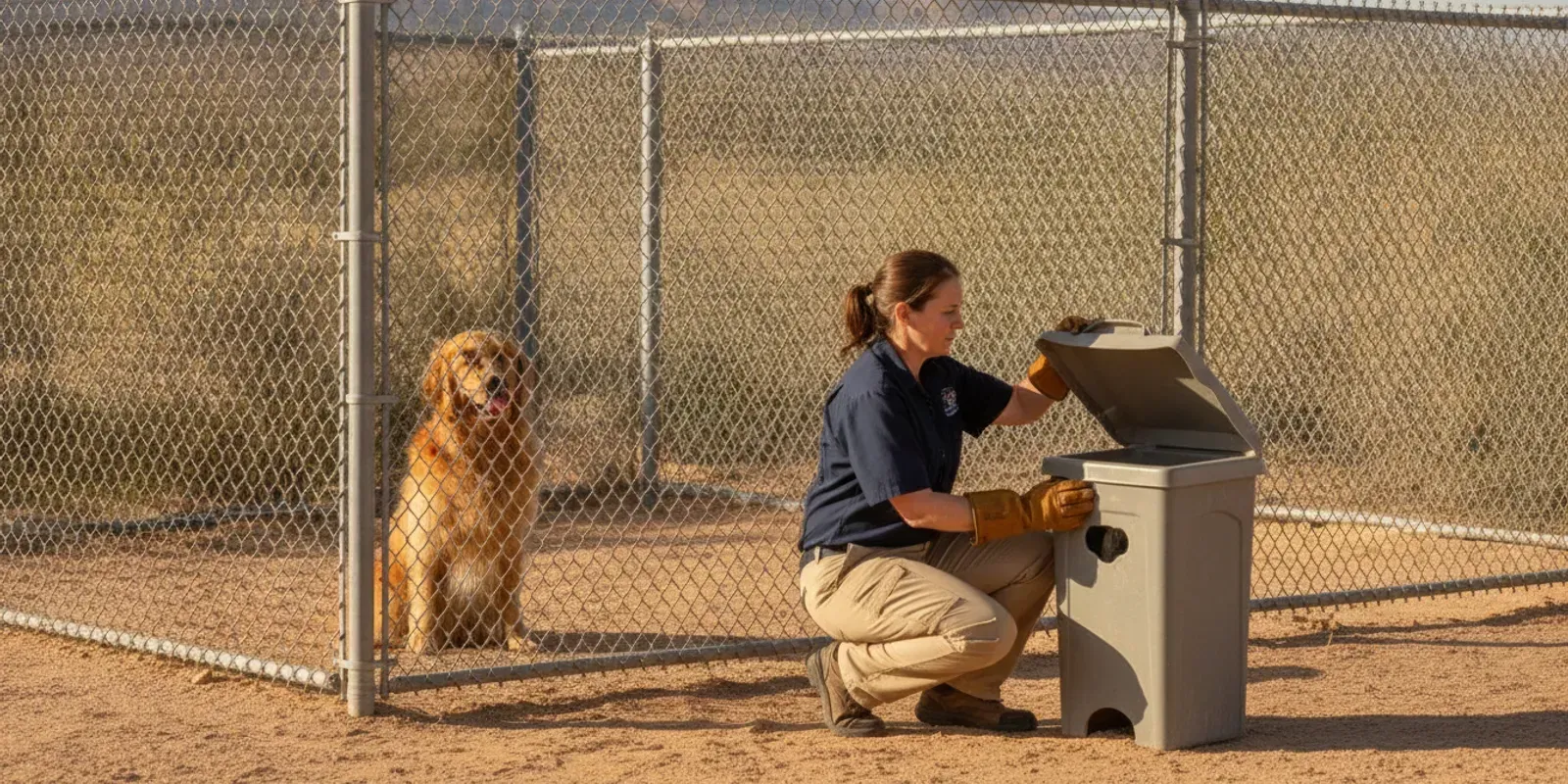
The best product for cleaning dog kennels is the one labeled for the surface and task in front of you, used exactly as directed. There is no single cleaner that fits every floor, mat, gate, or type of soil. Remove waste and loose debris first, then choose a compatible product and follow the labelâs dilution, contact-time, rinse, and drying instructions.
Ask about property cleanup options
For kennel operators and property teams, buying the strongest-smelling or most concentrated product is not a sound shortcut. The better choice is one staff can use consistently on the actual material, for the intended purpose, without guessing at safety steps. Cleaning products also do not replace picking up accumulated waste outdoors.
What should a kennel cleaner do?
Start by naming the job. Removing loose dirt is different from addressing odor residue, and both differ from sanitation. A product may be appropriate for one task and not another. Read its label for the stated use, permitted surfaces, preparation, dilution, application, contact time, rinse requirements, and any drying or re-entry directions. Follow kennel manufacturer guidance as well. If the instructions conflict or leave an important question unanswered, ask the product or equipment manufacturer rather than improvising.
âStrongerâ is not a useful selection criterion on its own. A product unsuitable for a surface can damage it, while a fragrance may cover an odor without removing the material causing it. Match the product to the task, and complete the physical cleaning steps the directions call for.
How do you match a product to the surface?
Make a quick surface inventory before purchasing. A run may combine sealed or unfinished concrete, metal gates, plastic panels, rubber mats, drains, and bedding. The same cleaner may not suit all of them. Check both the cleaner label and the surface-care instructions, including whether the material is coated, porous, or removable.
- Concrete: Determine whether the floor is sealed. Select only a cleaner whose directions allow the finish and intended use.
- Rubber mats: Check chemical compatibility and whether the mat should be lifted so its underside and the floor below can be cleaned and dried.
- Plastic panels and metal gates: Consult the makerâs care guidance. A small inconspicuous test is appropriate only if the product and surface instructions permit it.
- Drains and joints: Use the method allowed for the material, and avoid leaving pooled liquid or residue where it can collect.
- Outdoor runs: Plan where rinse water will go. Do not direct waste or wash water where it could create a nuisance or conflict with local requirements.
Do not combine cleaners or add another chemical unless the product label explicitly directs that use. Keep dogs away during work and until label directions and facility procedures allow the area to be used again.
Which options fit common kennel cleaning jobs?
This comparison helps organize the decision; it is not a brand recommendation. Read product directions before use, and use the kennel makerâs instructions for surface care.
For example, if a manager finds odor near a rubber mat, changing cleaners immediately may miss the problem. First remove the mat if its care instructions permit, inspect underneath, remove visible residue, and clean both surfaces with compatible products. If the odor persists, check seams, nearby drains, and damp materials rather than repeatedly applying fragrance.
What is a practical kennel cleaning sequence?
A written sequence helps different shifts follow the same method. Base it on the product label, equipment guidance, and the facilityâs procedures. A generic checklist can prompt the right questions, but it does not replace those instructions.
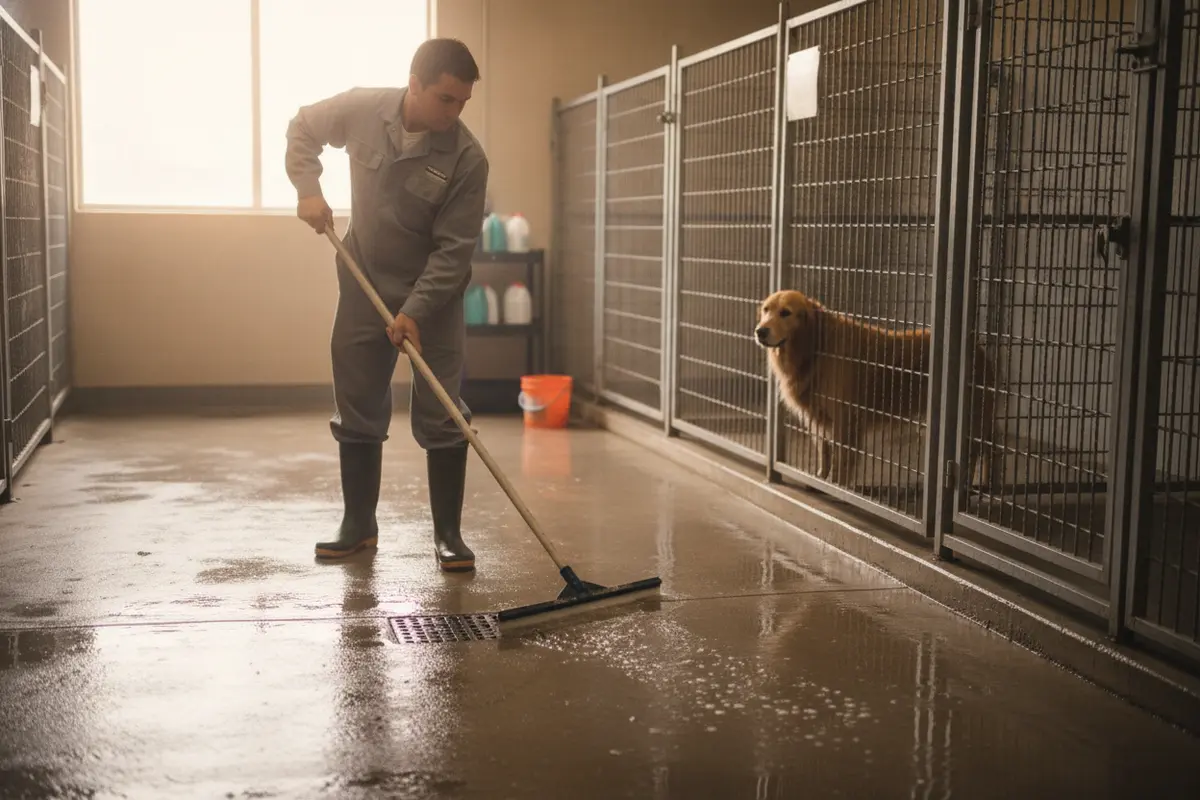
- Secure the animals. Move dogs away from the work area and keep them out until the space is ready under the product directions and facility rules.
- Prepare the work area. Put on the protective equipment required by the label or workplace procedure. Keep tools for clean areas separate from tools used for waste.
- Remove solid waste and loose debris. Pick up waste before washing so it is not spread across the floor or into joints and drains.
- Prepare the cleaner correctly. Measure and dilute only as directed. Do not make a stronger mixture in hopes of faster results.
- Apply it to the intended surface. Cover the area according to label directions, while avoiding materials not approved for that product.
- Allow the stated contact time. If the directions require a wet surface for a set period, manage the area accordingly. Do not assume a quick spray is sufficient.
- Rinse or wipe when instructed. Product directions vary. Neither automatic rinsing nor skipping a rinse is appropriate for every cleaner.
- Dry and inspect. Check corners, edges, seams, drains, and beneath removable mats. Address missed residue before reopening the area.
- Return animals only when allowed. Follow label re-entry directions and facility rules, not a guessed waiting period.
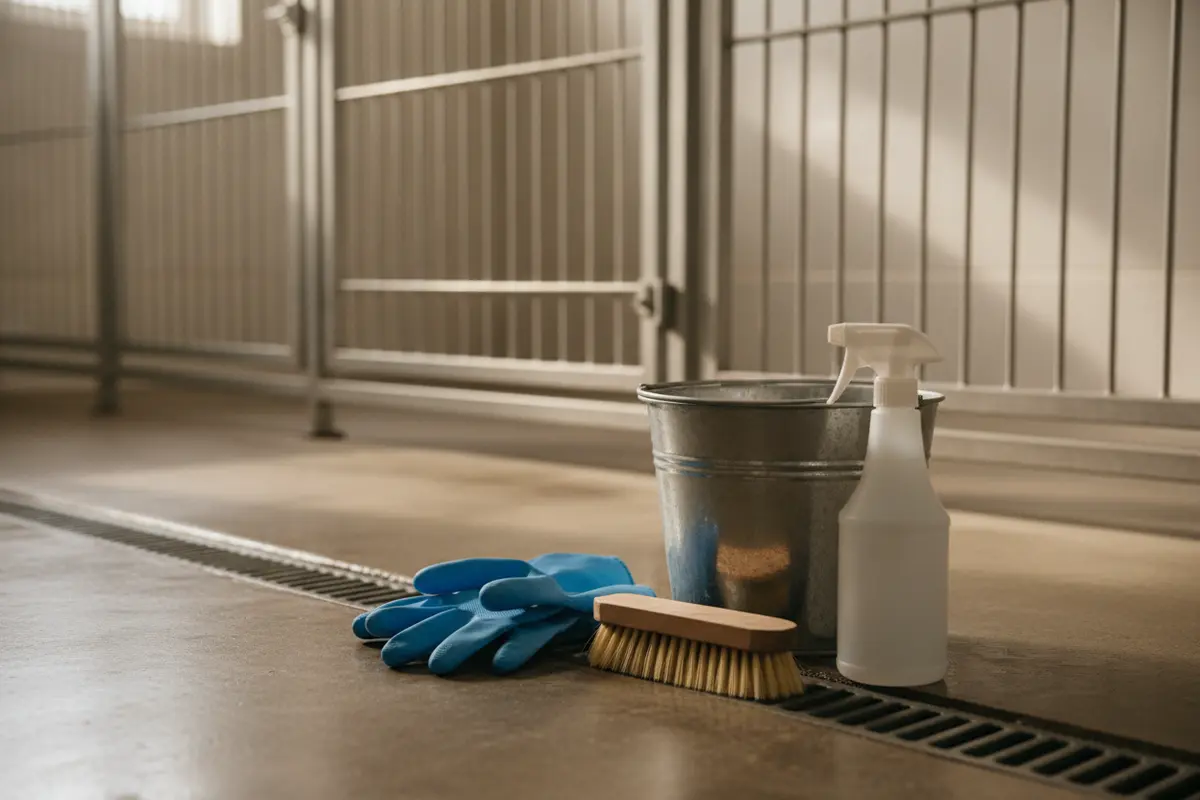
Turn the selected method into a short station checklist. Record the product name, approved surface, dilution method, contact time, rinse or wipe directions, required protective equipment, and who completes each step. Keep that information with the productâs original label. If the product changes, review the checklist instead of assuming the old process still applies.
How can you troubleshoot a routine that is not working?
When a kennel still looks or smells unclean after a routine, pause and locate the failure point rather than adding more chemical. Ask whether solid matter was removed first, whether the product matched the surface, whether it was diluted as directed, and whether the required contact time was maintained. Also consider whether a mat, bedding, joint, or drain was missed.
A simple inspection map can help. Divide a run into floor, walls, gate, resting surface, and drain area. Note the location and type of soil before cleaning, then check the same points afterward. If one area repeatedly fails, adjust the sequence or tools within label directions. Persistent odor can indicate hidden residue or damp material, not necessarily a need for more fragrance.
For an example, imagine routine cleaning leaves a recurring smell at the threshold. Check whether waste is pushed into the edge, whether the threshold material tolerates the chosen cleaner, and whether rinse water is pooling there. Resolve the specific cause, then verify that the surface dries as expected. Do not mix products or use an unapproved chemical as an experiment.
How should you manage odors without masking them?
Inspect likely collection points: corners, floor joints, drains, bedding, mats, and the outside edge of the run. Remove visible waste and residue before applying any odor-control product. Choose only an option labeled for that material and soil. Follow directions about contact time, rinsing, ventilation, and access to the area.
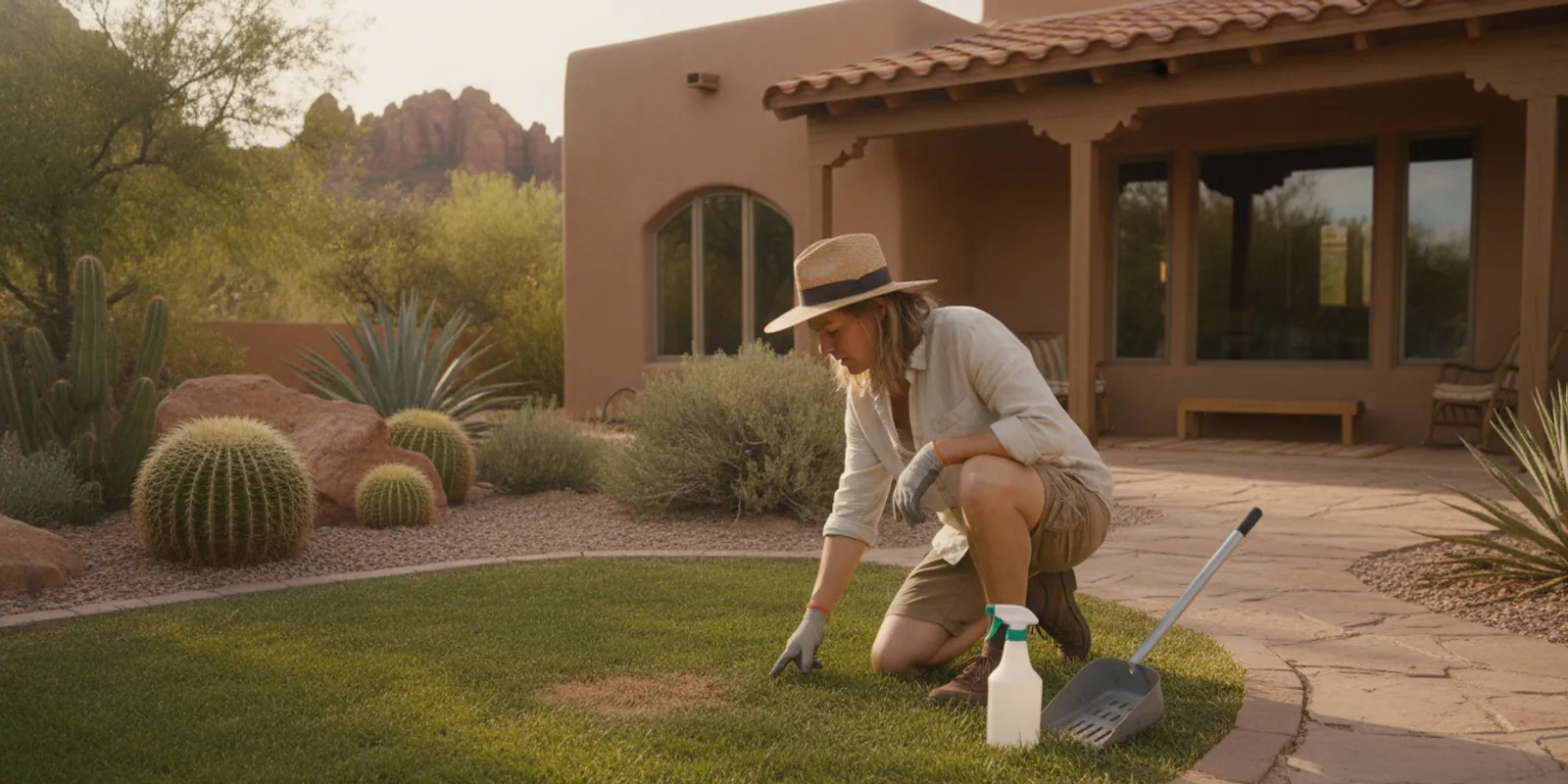
If a kennel includes synthetic turf, follow care instructions made for that material instead of assuming a hard-floor cleaner is suitable. A1 offers artificial grass cleaning and maintenance, and its turf cleaning planning guide can help clarify what to consider for an outdoor turf area. These resources address turf care, not a universal chemical recommendation.
When is a service useful alongside cleaning products?
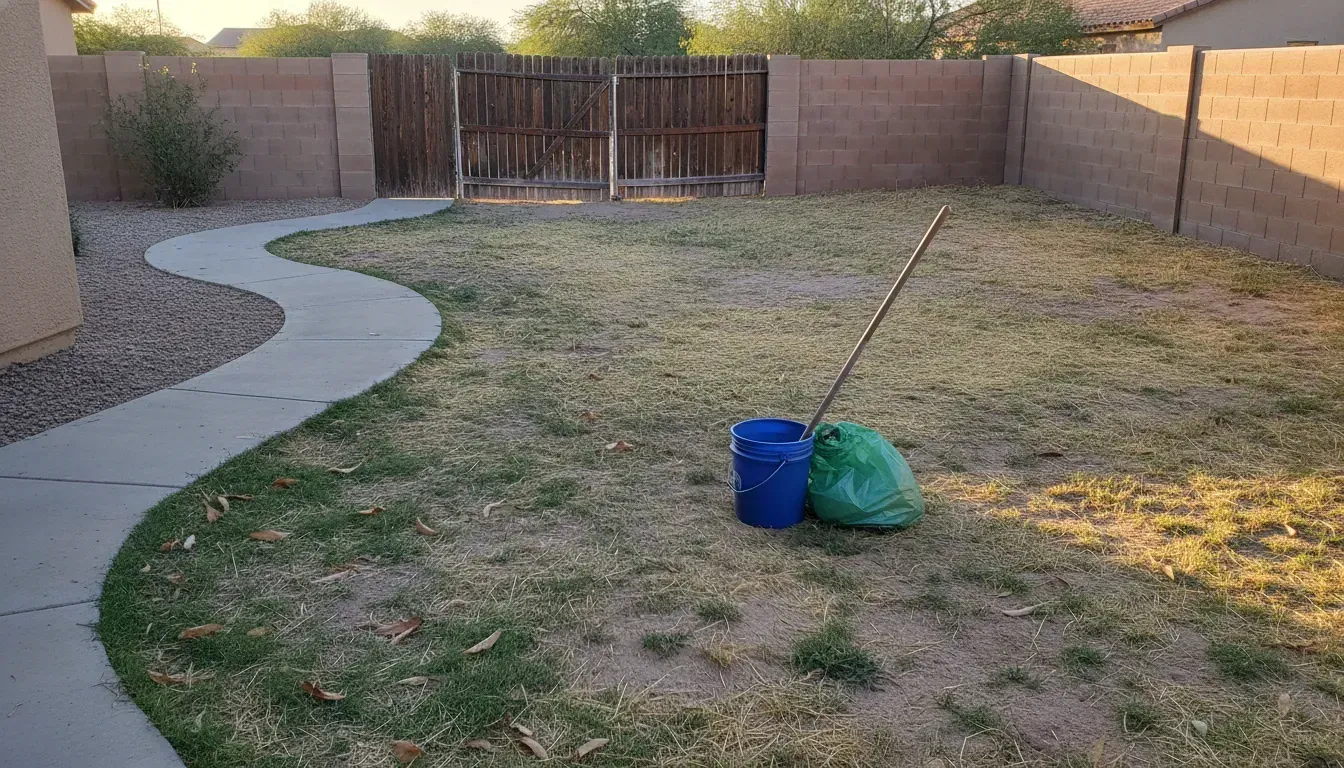
A cleaner handles a surface task; it does not collect a large accumulation of solid waste from a yard or outdoor run. If an outdoor kennel area, shared property, or run has buildup, a one-time pet waste cleanup may provide a reset. For a property team assessing ongoing needs, review commercial property service information and discuss the siteâs layout and needs directly.
A1 serves Southern Nevada and Tucson. Its pet waste removal can be arranged weekly or bi-weekly, depending on property needs and discussion. For community planning, see the guide to pet waste management for multifamily communities and the information on dog waste station options. These are waste-management resources; they should not be read as a claim that A1 sells kennel cleaning chemicals.
Before asking for help, note how many outdoor areas need attention, approximate size, type of surface, access limits, and whether the issue is a one-time accumulation or a continuing collection need. Those details help frame a practical conversation without assuming that every property needs the same schedule or service.
How can you evaluate a cleaner before adopting it?
Before putting a product into the daily routine, have the person responsible for supplies review the label alongside the kennel materials list. Write down which surface types are present and where the cleaner will be used. Then check whether the label expressly covers the intended job and material. The U.S. Environmental Protection Agency provides information about pesticide labels and their role in communicating directions for use: EPA guidance and resources. Use the specific product label as the controlling instructions for that product; a general web page cannot replace it.
Next, check whether staff can carry out the stated process in the actual space. A product may require accurate dilution, a particular application method, a wet contact period, rinsing, or time to dry. Consider whether the team has suitable measuring equipment, enough time between animal use, and a way to keep dogs out while the work is underway. If the procedure cannot be followed reliably, select a product and routine that fit the facilityâs practical constraints, subject to label directions.
For a small facility, a short trial on a permitted, inconspicuous area can reveal whether the process is manageable and whether the material appears affected. Do not conduct a test if either set of instructions forbids it. For a larger site, record which surfaces were reviewed and have the responsible supervisor confirm the final procedure before broad use. Track observations such as visible residue, drying, and recurring odor locations. These notes help identify a process issue without making unsupported claims about a productâs effectiveness.
How should you adapt the routine to different workloads?
A quiet single-run kennel and a busy facility may need different work organization even when they use the same approved cleaner. The product label remains the boundary; adjust staffing and sequencing rather than changing its concentration or contact time. For one run, staff can close the area, remove waste, clean the whole surface, and inspect it before reopening. In a multi-run building, work in sections so animals remain safely separated from active cleaning and wet floors. Use clear signs or a handoff note to show which areas are still closed.
Separate cleaning tools by function where facility procedures call for it. For example, keep the scoop or waste container used for solids apart from brushes and cloths used after washing. Rinse or replace tools as their care instructions require, and store them so they do not contact clean bedding or animal supplies. A simple color or label system can help staff recognize a toolâs assigned area, provided the system is clear to everyone on every shift.
Build a schedule from observed use and facility policy rather than copying another kennelâs timetable. A daily checklist might identify the tasks that must happen after use, while a deeper inspection can flag mats to lift, drains to check, or surfaces needing attention. The schedule should say who is responsible and what âcompleteâ means: waste removed, cleaner applied correctly, any required rinse performed, and the area dry and ready under the instructions. A supervisor can periodically compare the checklist with the actual space and update it when equipment or products change.
When several staff members share the work, train them on the same label-based steps. Ask each person to show how they measure the product, where they find contact-time directions, and how they know an area can reopen. This is more reliable than passing along informal advice such as âuse a little extraâ or ârinse when it looks clean.â If a direction is unclear, resolve the question before the next use instead of allowing different shifts to invent separate methods.
What should facility staff avoid?
- Do not select a product by strong scent or broad marketing language alone.
- Do not use a product on a surface unless the label and surface-care directions allow it.
- Do not mix cleaners, improvise dilution, or ignore stated contact time.
- Do not let dogs return before label instructions and facility procedures allow it.
- Do not assume that every cleaner requires rinsing, or that none do.
- Do not use chemicals as a substitute for removing solid waste.
- Do not use an unlabeled or unidentified product; keep products in original, identified containers and follow workplace storage rules.
If the label is missing or unreadable, stop and identify the product before use. Staff should not guess its contents, intended surfaces, or safe handling steps.
Frequently asked questions
Is one product best for every dog kennel?
No. The right product depends on the surface, soil, and intended use. Check both the cleaner label and the surface makerâs guidance.
Should I use a disinfectant for every cleaning?
Not automatically. Routine soil removal and a sanitation task are different. Use a product for a sanitation purpose only when its label covers that use and follow facility procedures.
Can I mix two cleaners to get a better result?
No. Do not mix products unless the label explicitly instructs you to do so. Use one compatible product as directed.
Why does kennel odor return after cleaning?
Residue may remain in a corner, joint, drain, mat, or damp material. Inspect the entire area and address the source rather than relying only on fragrance.
Can A1 provide a kennel cleaning product?
A1âs documented services include pet waste removal, one-time cleanups, commercial property maintenance, and artificial grass cleaning. Contact the company to discuss property waste cleanup; do not assume it sells kennel chemicals.
Discuss an outdoor property cleanup
Choose a kennel cleaner by matching its labeled use to each surface and task, then follow a consistent routine for waste removal, cleaning, and drying.