Dog kennel waste management: Service Options and Planning Guide
Build a practical dog kennel waste management routine with clear cleanup roles, waste station planning, service options, and steps for shared facilities.
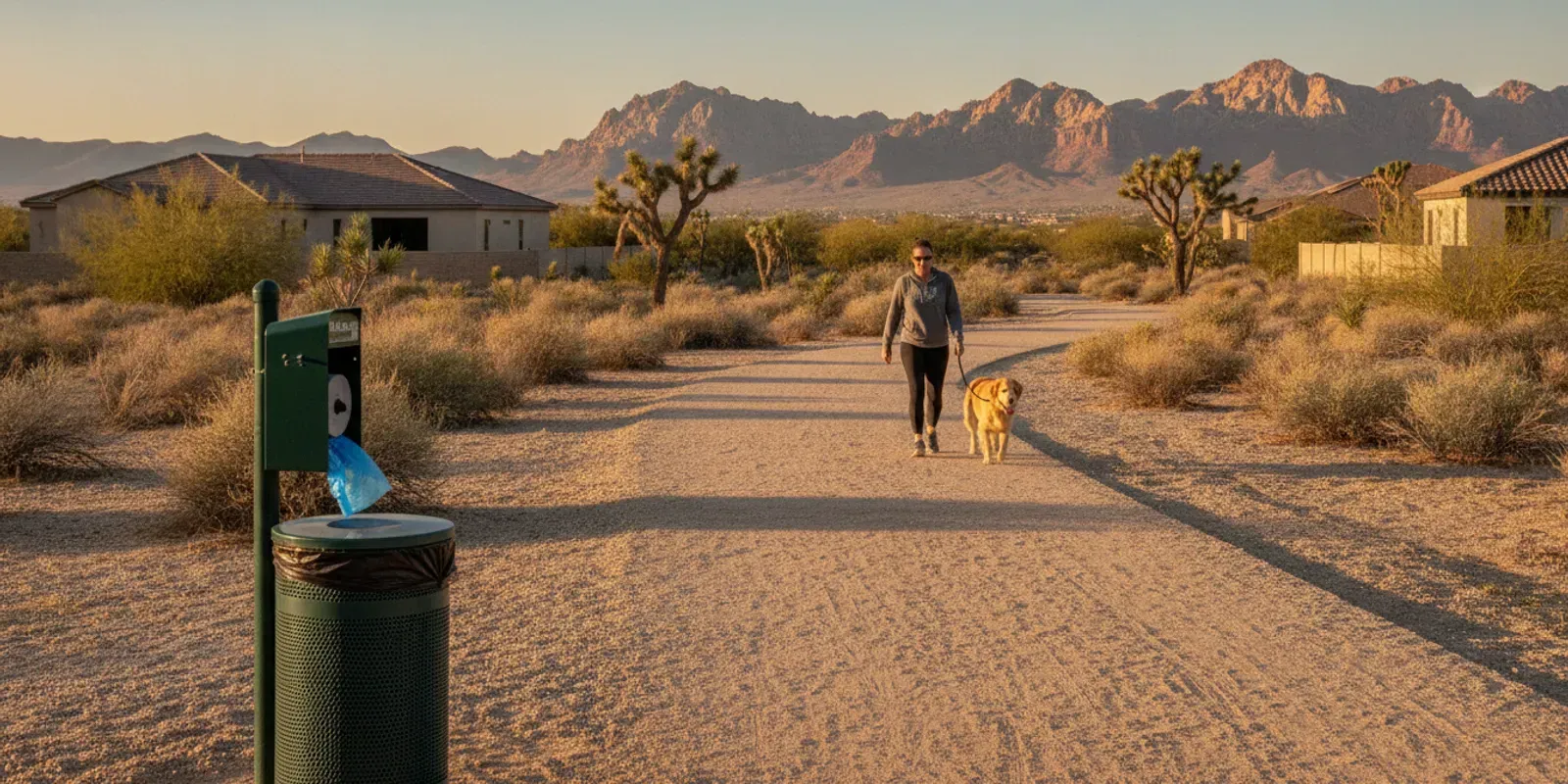
Dog kennel waste management works best as a simple, repeatable system: remove waste promptly, assign clear responsibility for each area, provide convenient disposal supplies, and check the property on a schedule that matches its use. For kennel operators and property teams in Southern Nevada or Tucson, separating daily kennel cleaning from outdoor property waste pickup also helps clarify which tasks belong to staff and which may be handled by a waste-removal service.
Ask about waste-removal options for your property
What does dog kennel waste management include?
âKennelâ can mean a boarding facility, shelter, dog daycare, veterinary property, training center, or a shared outdoor dog area. The waste plan should define the spaces it covers instead of treating every task as one job. Indoor runs, outdoor exercise yards, walkways, relief areas, and public grounds may each need a different cleaning routine.
At a minimum, a useful plan answers four questions:
- Where is waste picked up? Name the specific runs, yards, paths, and shared areas included.
- Who handles it? Identify the staff role responsible for immediate pickup and the person who checks that the routine is followed.
- Where does it go? Set a consistent, accessible disposal point and explain how filled bags or containers are managed.
- When is the area checked? Set a routine based on how the facility is used, and define a process for busy days, events, or missed pickups.
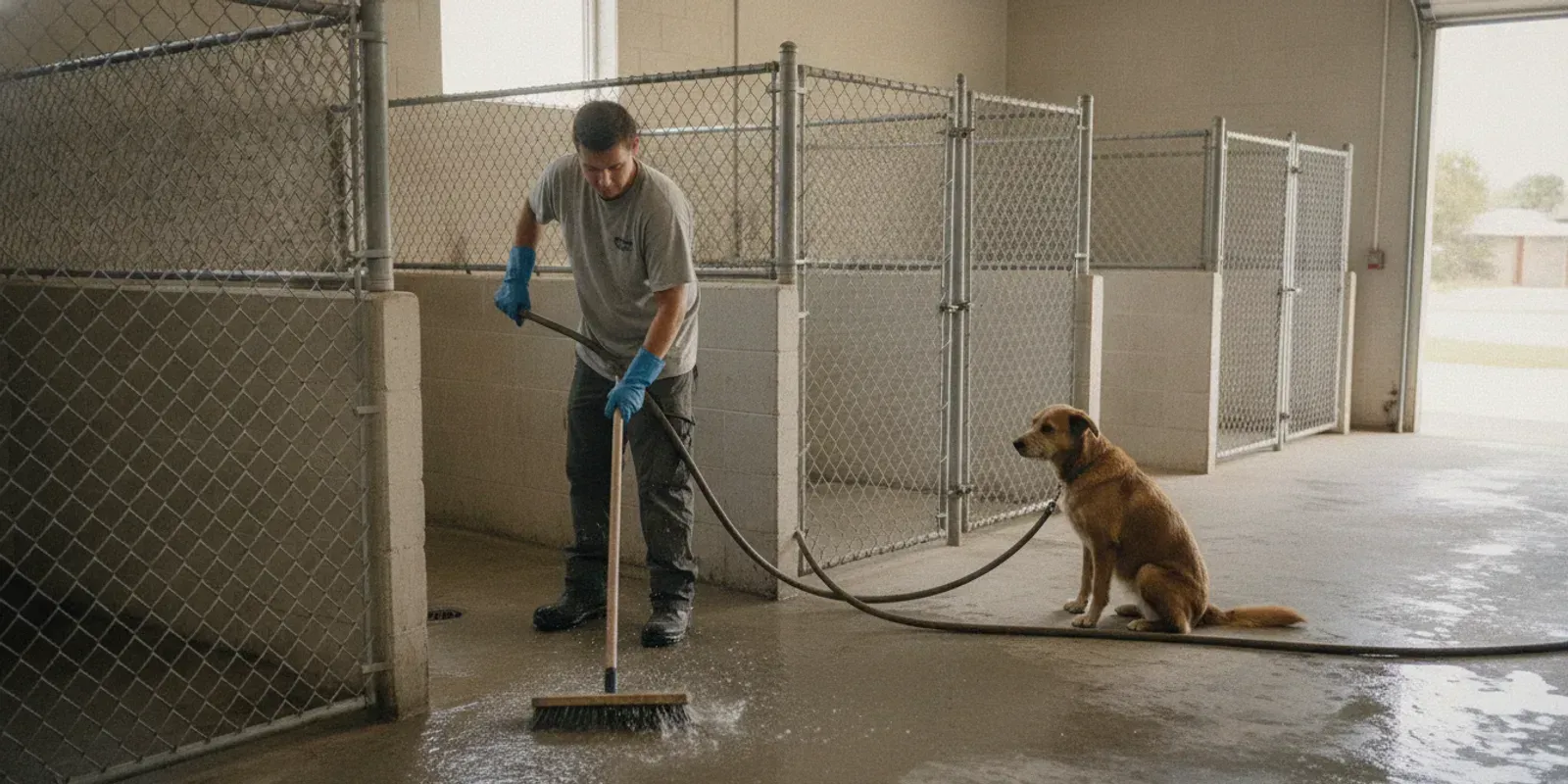
Dog waste pickup from outdoor property areas is different from washing kennels, disinfecting animal enclosures, or handling veterinary waste. Those tasks require facility-specific procedures and are not the same as ordinary pet waste removal. Keep the boundaries in writing so employees know what they are expected to clean and a contracted service can confirm what its visits cover.
How should a kennel team plan the work?
Start with a walk-through. Sketch the property or mark a simple site map, then label the areas where dogs spend time and the routes people use. Note gates, water sources, slopes, service entrances, and places where waste tends to be missed. The purpose is not to create a complicated inspection system. It is to make the work visible and avoid leaving ambiguous corners off the routine.
- Divide the property into zones. For example, list indoor kennel areas, outdoor runs, perimeter paths, visitor areas, and any adjacent shared grounds separately.
- Assign a responsible role to each zone. One employee may do the pickup, while a shift lead confirms the area was checked. Make a backup assignment for days off.
- Place supplies where work happens. Keep pickup bags and appropriate containers within easy reach of the areas where staff need them. If users have to walk across the site to find supplies, pickup may be delayed or forgotten.
- Define the handoff. Explain who replaces supplies, empties or secures waste containers, and reports a damaged station or overflowing bin.
- Review and adjust. After the plan has been used, ask staff where waste builds up, where stations are inconvenient, and whether the check schedule fits the facility's daily flow.
Keep instructions short enough to use during a shift. A posted area list, a checklist, and a named point person are often easier to follow than a long policy that is rarely consulted. If multiple teams use the same yard, agree on a shared standard rather than assuming another person will check it.
What should you consider when placing waste stations?
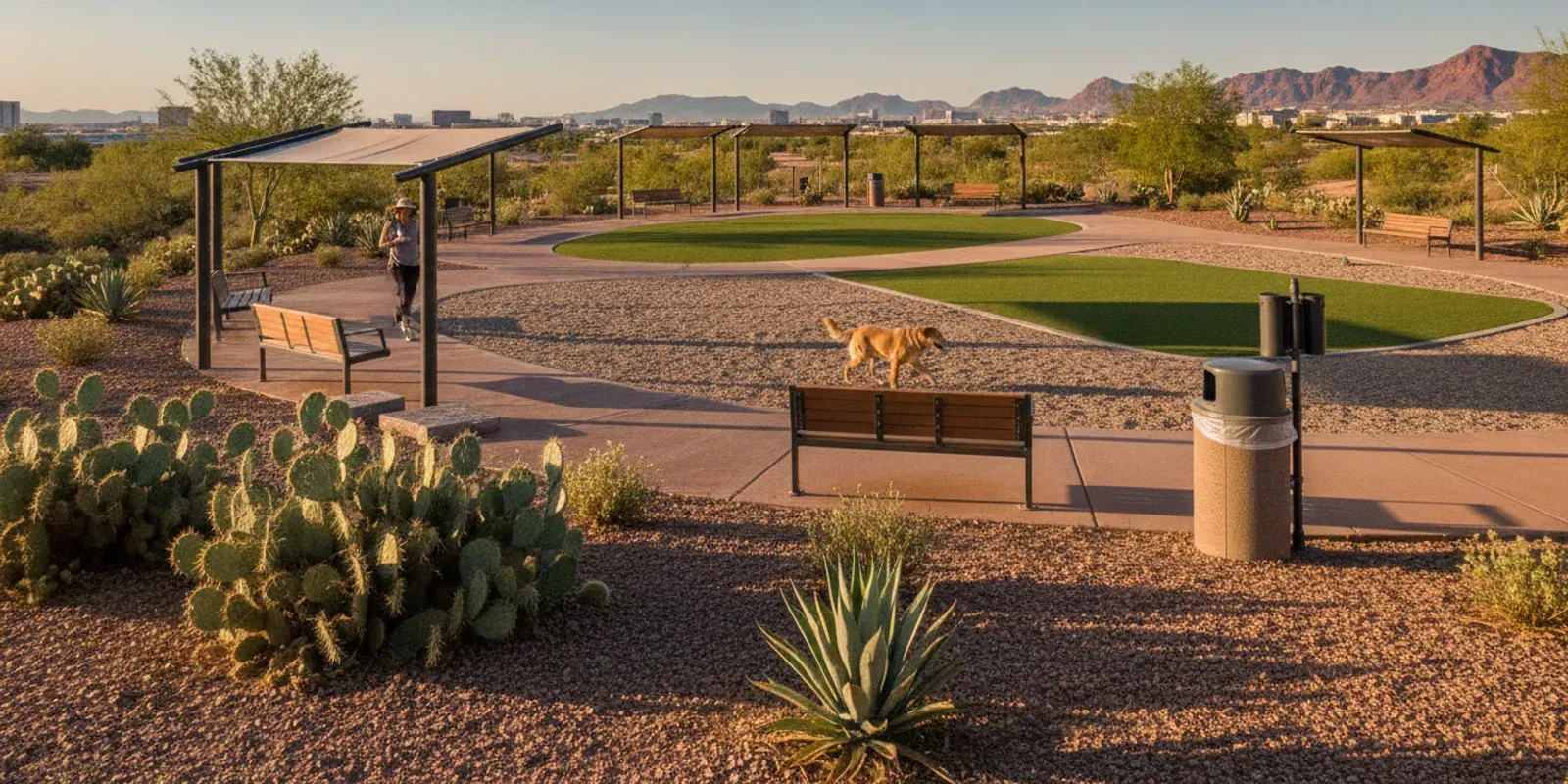
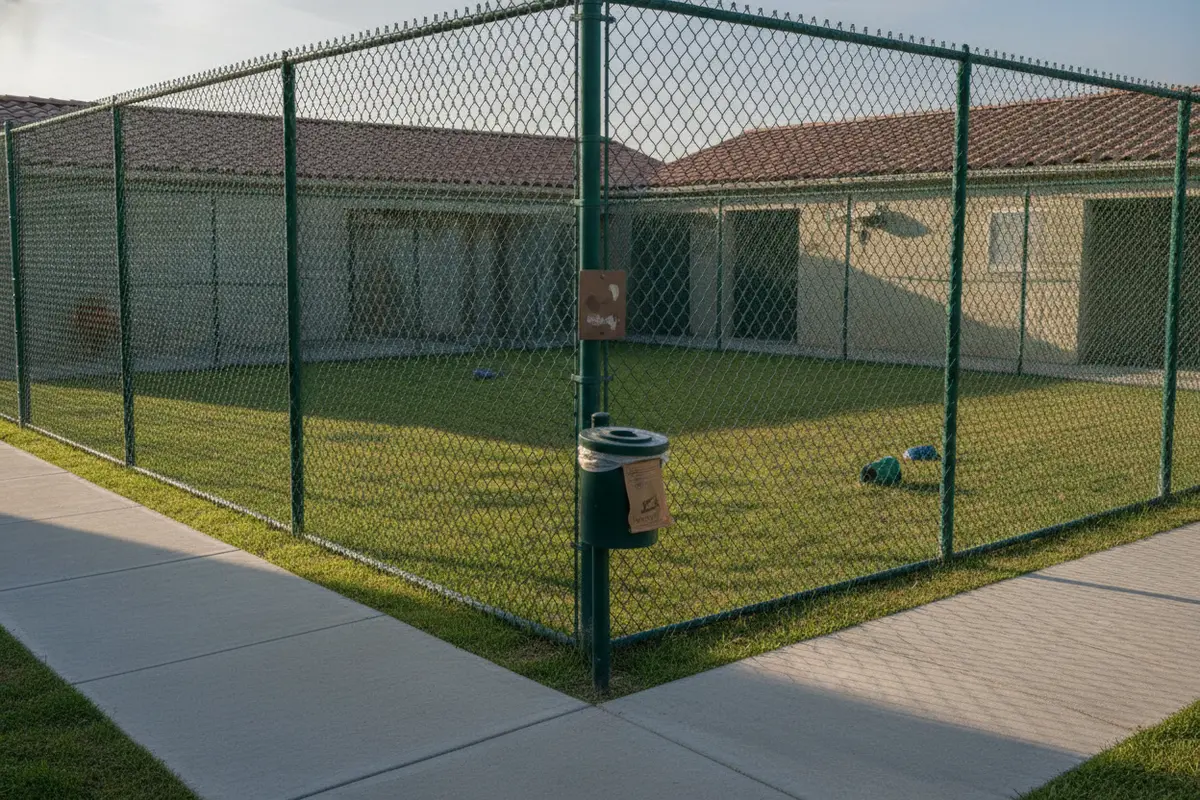
A station is useful when people can find it, access it, and understand what belongs there. Think about where staff, residents, clients, and visitors naturally enter or leave the dog-use areas. A station near a route or gate may be more practical than one hidden at the far end of a property. Keep access clear, and make sure the chosen location fits the site's layout and operating rules.
Before deciding on placement, consider:
- Coverage: Are the busiest dog-use areas within a convenient walk of a pickup and disposal point?
- Visibility: Can a first-time visitor identify the station without being directed through restricted work areas?
- Access and upkeep: Can the responsible person reach the station to inspect it and replenish supplies?
- Ground and drainage: Will the placement avoid blocking a path or creating an obstacle in a work area?
- Site rules: Does the location follow property policies and any applicable local requirements?
Walk the route from a dog's relief area to the nearest station. If it is out of the way, consider whether another location or an additional station would make cleanup more practical. The right layout depends on how people and dogs use the property; a station count should not be chosen from a generic rule without considering the site.
For a closer look at equipment and planning factors, see A1's guide to dog waste stations and the pet waste station installation guide. These resources can help a property team think through station options and placement before making a request.
 How do you set a cleanup and inspection routine?
There is no single visit schedule that fits every kennel or dog-use property. The right routine depends on how many areas are used, how frequently they are used, staffing, weather, and the scope of any outside service. Set an internal pickup routine for the facility and review whether the property needs additional scheduled support.
A practical routine can include three layers:
- Prompt pickup: Staff pick up waste from assigned areas as part of normal facility operations, rather than leaving it for a later general cleanup.
- Shift or daily check: A designated employee checks the outdoor runs, paths, and shared spaces included in the plan. Record exceptions that need attention.
- Scheduled property service: Where appropriate, arrange recurring outdoor pet waste removal for the areas and frequency agreed with the provider. Confirm how the service fits alongside staff duties.
The checklist does not need to be elaborate. It can list the zone, date or shift, initials, and any issue such as a locked gate, full container, or area that could not be accessed. This helps a manager spot recurring obstacles without asking staff to document unnecessary detail. If a problem repeats, revise the location, assignment, or handoff rather than simply reminding everyone to âbe more careful.â
For shared outdoor spaces, clarify whether the service covers only pickup or also station maintenance. Do not assume that a scheduled visit includes enclosure washing, supply replacement, deodorizing, or other janitorial work. Write down the agreed scope, access instructions, and any areas that are excluded.
What is the difference between recurring service and a one-time cleanup?
Recurring service and one-time cleanup solve different problems. A recurring arrangement is intended to support ongoing maintenance of agreed outdoor areas. A one-time cleanup is a separate visit for accumulated waste or a specific reset. Neither replaces the facility's own procedures for kennel sanitation, daily animal care, or cleaning individual enclosures.
Recurring outdoor pickup
Recurring pickup may be worth discussing when staff need a consistent outside check for a yard, shared dog area, or grounds used by several dogs. It is most useful to describe the property clearly and agree on the areas and visit frequency before service begins. A1 offers pet waste removal and commercial property maintenance; its commercial property pet waste cleanup page provides a starting point for property managers considering service.
A1's general service information describes weekly or bi-weekly waste removal, but the appropriate arrangement depends on the property and confirmed service scope. Do not assume a particular frequency, price, or coverage area until the details have been discussed. The facility should still assign staff to promptly pick up waste created between scheduled visits.
One-time cleanup
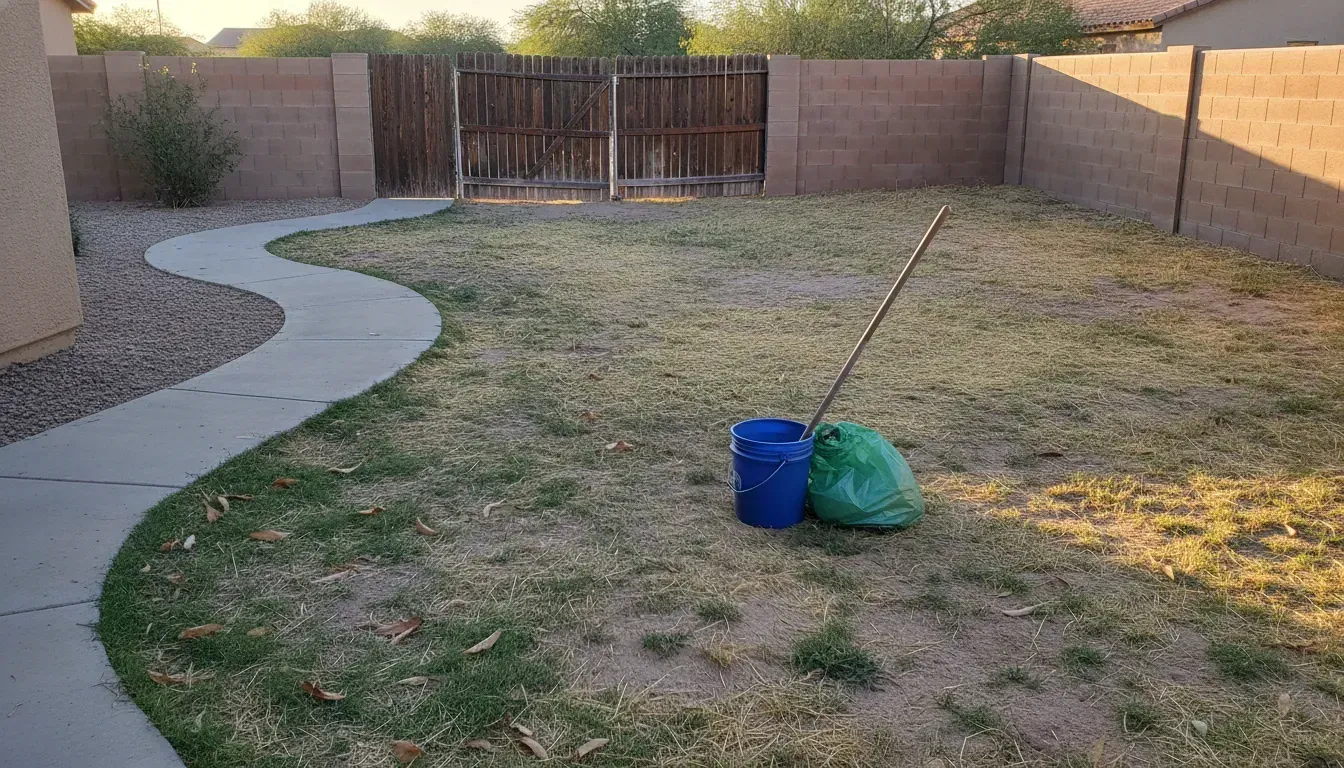
A one-time cleanup can be a better fit when waste has accumulated, a site needs a reset, or a special circumstance has left the grounds in need of a catch-up visit. It does not create an ongoing staff routine or guarantee that the area will stay clear afterward. Review the one-time pet waste cleanup information and ask whether the particular site and condition can be addressed.
To compare options fairly, list the areas needing attention, whether the need is ongoing or temporary, how often dogs use the space, and any gate or access constraints. Then compare the proposed scope rather than relying only on a label such as âkennel cleaning.â
What should a property manager confirm before hiring help?
Ask questions that make the work concrete. A provider should be able to discuss the service area, access, and tasks being considered. A1 serves areas in Southern Nevada and Tucson, but availability and the precise scope should be confirmed for the specific address.
- Which outdoor areas are included, and which are excluded?
- Is the request for ongoing pickup or a one-time cleanup?
- What visit schedule is available for this property?
- How should staff provide access, and what happens if a gate is locked?
- Does the request involve waste station servicing, or only waste pickup?
- Which kennel sanitation tasks remain the facility's responsibility?
- Who should the manager contact if access or site conditions change?
Share the facility type, address, approximate layout, number of outdoor areas, and how dogs use each space. Photos or a simple site map can help explain gates and less visible corners. Be clear about whether the request covers outdoor grounds, rather than asking for âkennel cleaningâ if what you need is waste pickup. A1's service and billing FAQs can also help with general questions about how service works.
For additional context about a local waste-removal plan, see the guide to pet waste management for multifamily communities. While a kennel is not the same as an apartment community, the planning questions around shared outdoor space, access, station placement, and task ownership can be useful for both.
 How can you keep the routine consistent?
Make the plan easy to see and easy to hand over. Keep the current zone list and staff assignments in one place. When shifts change, make sure the next person knows whether a zone was checked and whether supplies or access need attention. If the property has seasonal operating changes or special events, update the routine before use increases.
Review the plan periodically with the people who do the work. Ask them to identify:
- Areas that are frequently missed or difficult to reach.
- Stations that are poorly placed, hard to see, or difficult to maintain.
- Times when a scheduled visit does not line up with how the facility uses its outdoor areas.
- Tasks that staff and a contractor each thought the other party handled.
Use what you learn to adjust the map, station locations, assignments, or service scope. Keep the distinction between outdoor pet waste pickup and facility sanitation clear in every handoff. If a request is outside the agreed service, ask before assuming it will be done.
For broad environmental information, the U.S. Environmental Protection Agency provides public resources on environmental protection. Follow the site's applicable rules and local requirements for waste handling, and confirm any facility-specific procedures with the appropriate authority.
Call A1 to discuss your property
Frequently asked questions
Does dog kennel waste management include disinfecting indoor runs?
Not necessarily. Pet waste pickup from outdoor property areas is distinct from washing or disinfecting enclosures. Confirm the exact scope with any provider, and keep kennel sanitation within the facility's established procedures.
How often should outdoor dog areas be checked?
Set a prompt pickup routine for staff and determine any additional scheduled support based on site use, staffing, and the areas covered. There is no one frequency that can be recommended for every facility; discuss the requested scope and schedule for your address.
Can a waste station replace staff pickup?
No. A station gives people a place to dispose of collected waste and may make cleanup more convenient, but the facility still needs clear responsibility for checking dog-use areas and maintaining its routine.
When should a facility request a one-time cleanup?
Consider asking about a one-time cleanup if waste has accumulated or the grounds need a reset. Share the affected areas and site conditions first, and confirm what the visit can cover. A one-time visit is not a substitute for ongoing daily facility practices.
What information should I provide when asking about service?
Provide the property address, facility type, outdoor areas to be covered, how dogs use those areas, the kind of help you need, and any gate or access instructions. Also say whether you want recurring pickup or a one-time cleanup so the scope can be discussed clearly.
A clear plan combines prompt staff pickup, accessible disposal points, defined ownership, and an agreed approach to any outside service. Start by mapping the areas and tasks, then confirm a routine that fits how your kennel or dog-use property operates.