Commercial Artificial Turf Cleaning Las Vegas HOA
Schedule a free commercial artificial turf cleaning las vegas hoa assessment today. Protect shared turf, reduce liability, and keep your community clean.

Artificial turf can look clean while holding odor-causing residue, organic debris, and bacteria beneath the surface, especially where many residents and pets share the same common areas. In Las Vegas, intense heat can make neglected sanitation problems noticeable faster, affecting resident comfort and the appearance of the community.
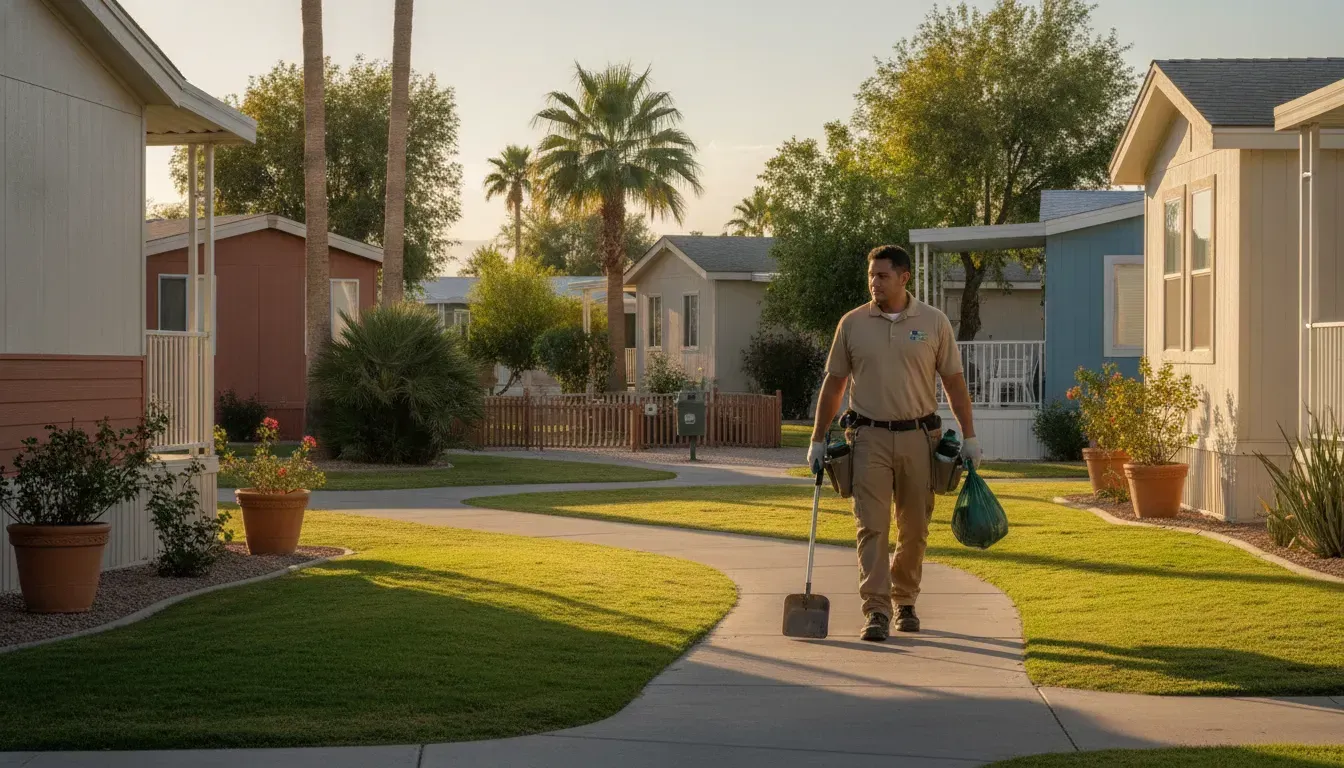
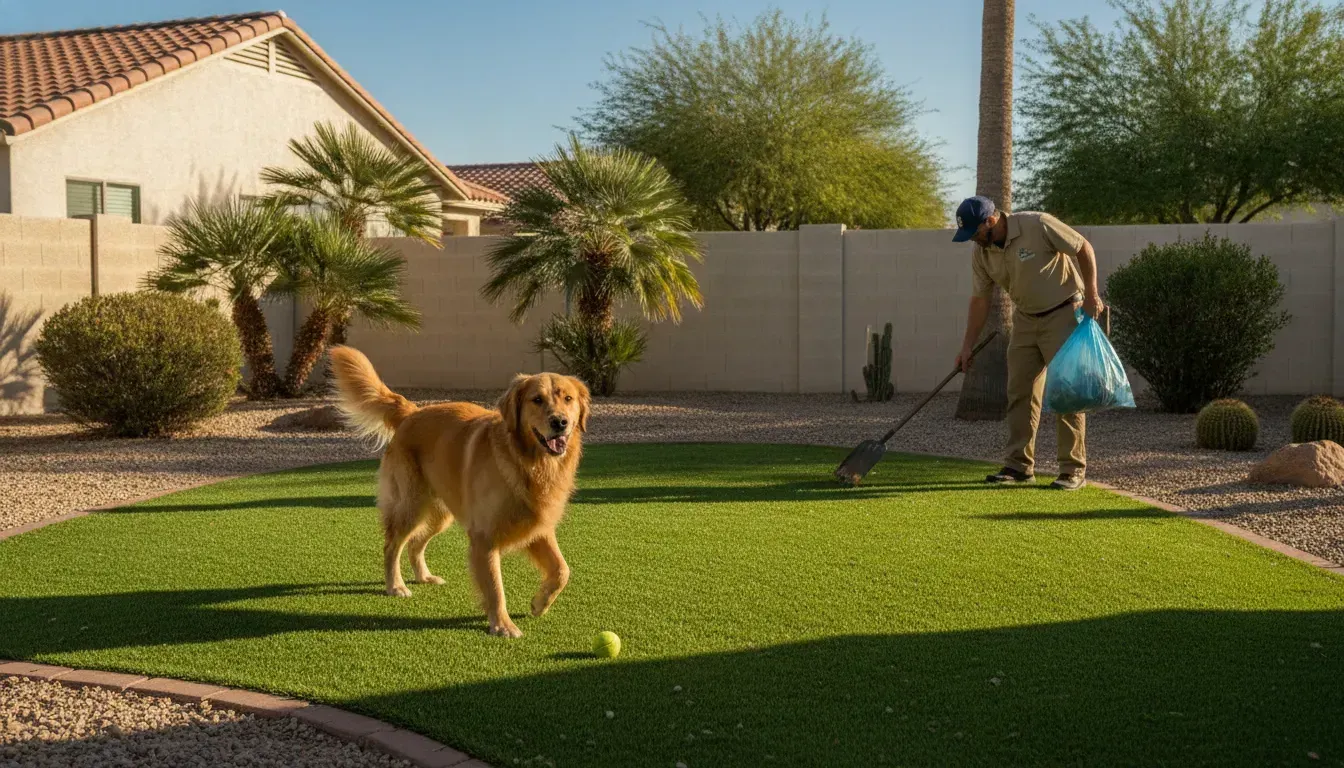
For HOA boards and property managers, commercial artificial turf cleaning in Las Vegas combines debris removal, pet-waste sanitation, odor control, and routine surface care. It keeps shared turf safer, cleaner, and more welcoming for residents, staff, and pets.
Call A1 Pet Maintenance at (702) 521-2624 today
A1 Pet Maintenance has served Southern Nevada since 1998, helping commercial properties manage pet waste, pet stations, and common-area sanitation with flexible service options. For background on maintaining synthetic grass around pets, see our guide to artificial turf pet hygiene. The right program starts with understanding what regular HOA traffic does to turf and infill over time.
Why Do Las Vegas HOAs with Artificial Turf Need Professional Cleaning?
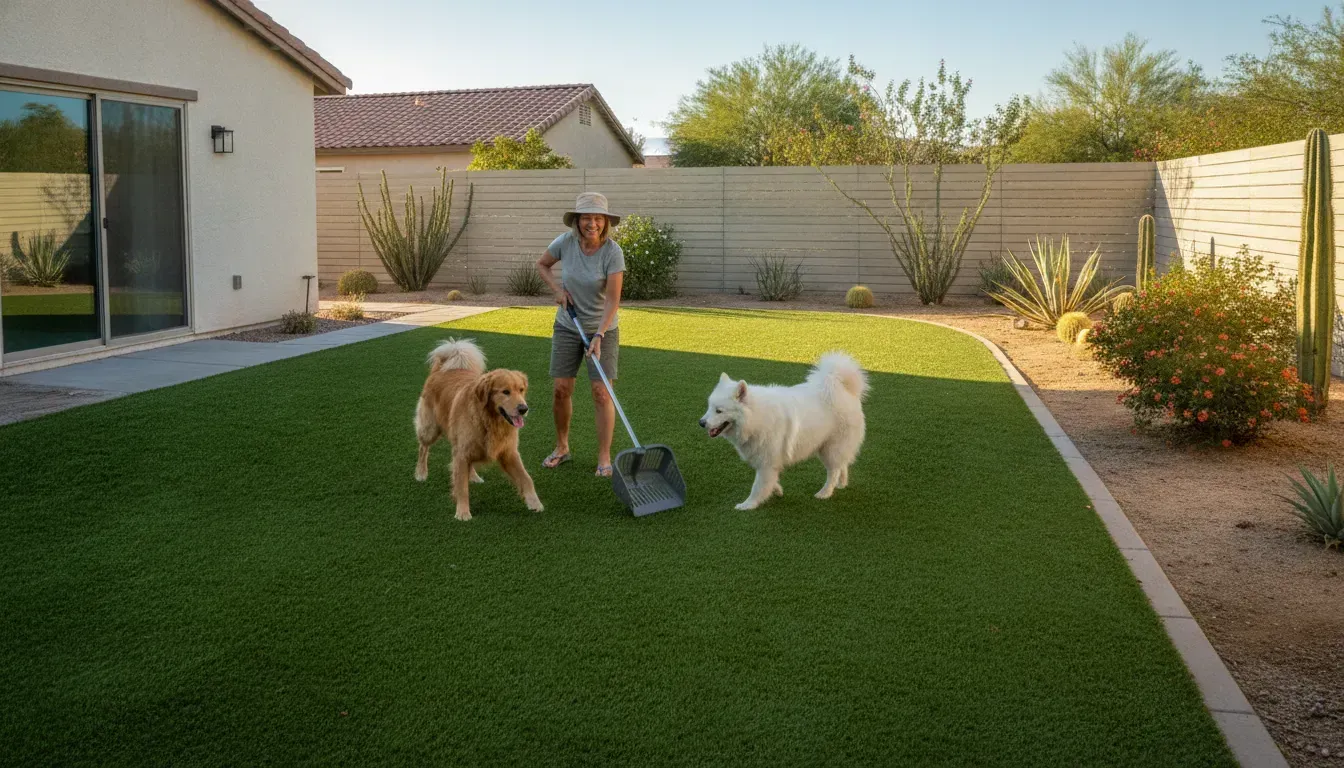
Artificial turf in an HOA or apartment community is not a set-it-and-forget-it surface. Pet relief areas, dog runs, courtyards, and shared amenity spaces receive concentrated daily traffic. Urine, feces residue, hair, dust, food debris, and other organic material can collect in the blades and infill. A recurring commercial cleaning program addresses those conditions before they become visible complaints or expensive property problems.
Desert heat makes odor harder to manage
Las Vegas heat can intensify odor when sanitation is delayed. High temperatures create an especially difficult environment for pet areas that are used throughout the day, and odor can become noticeable well beyond the turf itself. Research assigned to this project notes that high-temperature environments such as Las Vegas require more frequent sanitation to maintain hygiene. For residents, odor is not a minor cosmetic issue. It is a direct signal that a shared space is not being maintained to an acceptable standard.
That matters for multi-family communities where one neglected pet area can affect resident satisfaction across an entire property. Routine sanitation helps control odor buildup while keeping common areas more inviting for residents, guests, and their pets. Boards and property managers can review this artificial turf pet hygiene in Las Vegas guide for additional maintenance considerations.
Professional care supports health and environmental responsibility
EPA research emphasizes the importance of ongoing study into synthetic turf health and environmental outcomes. The EPA also notes that runoff from artificial turf components can be a concern where water reaches local waterways. These findings do not mean every turf installation presents the same risk, but they do support a careful, proactive approach to debris removal, sanitation, drainage, and site-specific maintenance.
Professional crews can use a documented process rather than relying on occasional spot cleaning. That process should account for pet traffic, surface condition, drainage, surrounding landscaping, and the cleaning products appropriate for pet-accessible areas. Consistent records also give an HOA board or property manager a clear maintenance history when questions arise about safety, resident complaints, or vendor performance.
Maintenance protects the community's investment
Commercial turf receives more intense use than a typical residential installation. Without regular care, debris can break down in the infill, bacteria can grow in pet-accessible zones, and the surface can lose its clean appearance. Penn State guidance identifies regular cleaning and grooming as essential to maximizing the life of a synthetic turf system.
A recurring program therefore serves more than appearance. It helps reduce avoidable liability concerns, supports property value, and demonstrates that the community is taking reasonable steps to keep shared amenities sanitary. For Las Vegas HOAs and apartment operators, professional cleaning is a practical part of resident service, risk management, and long-term property stewardship.
How Does Commercial Artificial Turf Cleaning Work for Las Vegas HOAs?
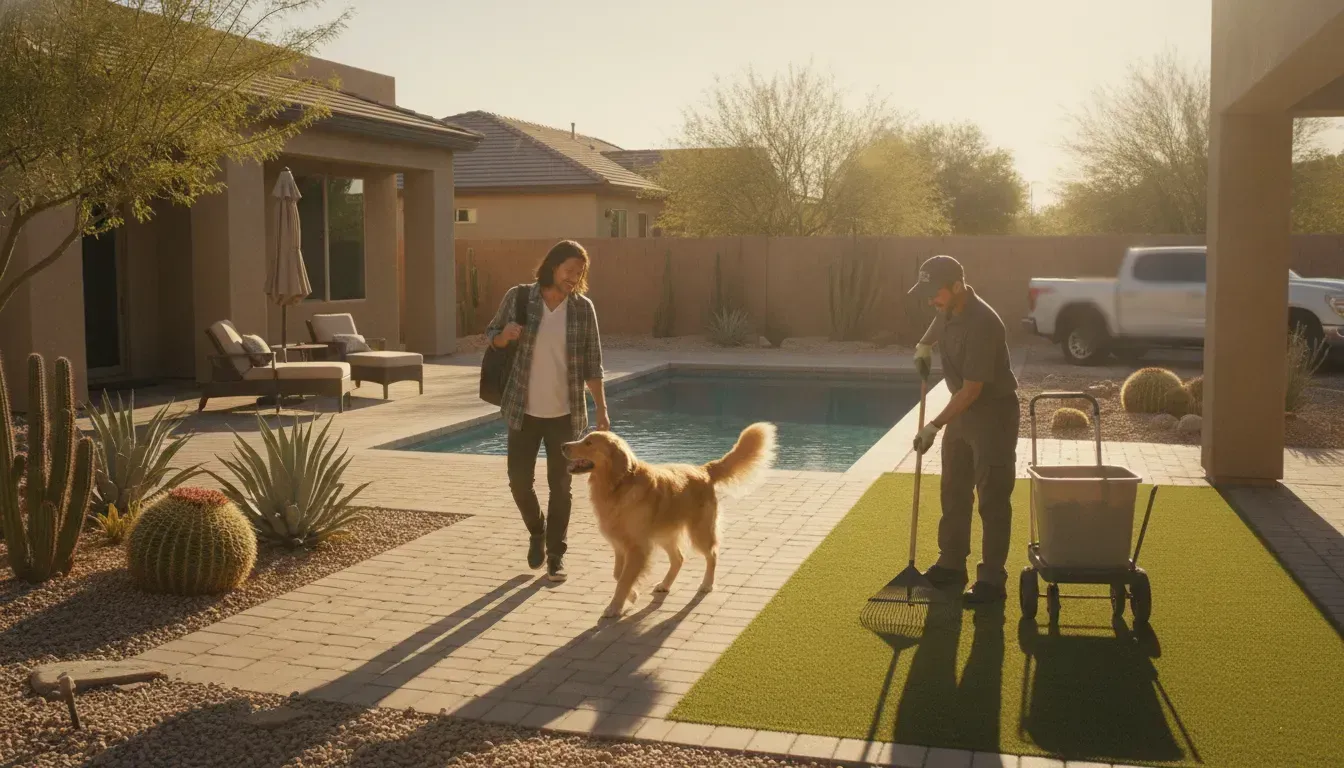
Professional cleaning is a planned sanitation process, not simply spraying a hose across the surface. Shared pet areas receive concentrated traffic, organic debris, urine, dust, and infill movement. A commercial crew evaluates the turf first, then uses equipment and products suited to the installation, drainage pattern, and resident use. That approach follows synthetic turf maintenance best practices, which emphasize regular cleaning, grooming, debris removal, and consistent infill management for surface performance and longevity. See A1's commercial artificial turf cleaning services for a property-specific maintenance plan.
- Pre-inspect and groom the area. The crew checks gates, edges, seams, drainage points, high-use pet zones, visible staining, compacted infill, and areas where odor may be concentrated. Grooming begins by standing the turf fibers back up and identifying conditions that a surface rinse alone would miss. Penn State's synthetic turf best-practice guidance identifies regular cleaning and grooming as essential to maximizing the life of a synthetic turf system. A commercial inspection also helps the property manager document conditions before work begins.
- Remove loose debris and organic material. Leaves, hair, pet waste residue, litter, and other debris are collected before wet treatment. Removing organic material matters because it can break down inside the infill and support bacterial growth. In high-traffic common areas, this step requires more than a household broom or blower. Commercial crews use collection tools and equipment that can cover larger areas without simply pushing debris into corners, drains, or adjacent landscaping.
- Spray and drench-flush the turf. Water is applied thoroughly enough to move soluble residue through the turf and toward the designed drainage system. The goal is controlled flushing, not flooding. The technician considers the site's drainage and nearby surfaces while loosening residue from the fibers and infill. This measured process is especially important for HOA communities where runoff management and protection of shared spaces are part of responsible property care.
- Brush and backflush to lift embedded material. Mechanical brushing agitates the turf, lifts settled debris, and helps address compacted areas. Backflushing then helps draw loosened material out rather than leaving it redistributed across the surface. Regular brushing also supports more even infill distribution, while monitoring infill levels helps prevent uneven surfaces in high-traffic areas, consistent with Penn State guidance.
- Apply a pet-safe disinfectant or sanitizer. The product is selected for the turf system and the property's use pattern. Pet-accessible areas require sanitizing agents that are safe for pets when used as directed while still addressing bacteria. This is why professional selection and application are preferable to improvised household chemicals. Established best practices call for frequent debris removal and sanitization in pet-accessible synthetic turf areas.
- Treat odors at their source. An odor-neutralizing treatment addresses residue within the turf and infill rather than masking the smell with fragrance. This is particularly valuable in Las Vegas, where intense heat can worsen odor when sanitation is neglected. The technician targets pet relief zones, edges, and other locations identified during inspection.
- Redistribute and finish the infill. Final brushing restores an even surface and moves infill back into areas where it has shifted. The crew checks the finished turf, drainage points, and high-use zones, then records observations for the community's maintenance schedule. This repeatable process gives HOA boards and managers a clearer basis for planning future service instead of waiting for visible odor or resident complaints.
DIY rinsing may help with light surface debris, but it cannot replicate controlled flushing, mechanical agitation, sanitation, odor treatment, and infill management in one service. Commercial-grade equipment and a documented process make the work more consistent across courtyards, dog runs, and other shared spaces.
How Frequently Should Common-Area Turf Be Cleaned at Las Vegas Apartment Complexes?
There is no single schedule for every apartment complex or HOA amenity space. The right cadence follows traffic, pet use, weather, and the community's documented cleanliness standards. A pet run used by dozens of dogs each day needs a different plan than a decorative turf lawn that residents rarely enter. In Las Vegas, intense heat also means odor can develop faster when urine and organic debris are allowed to remain in the turf.
For high-volume dog areas, cleaning should address both appearance and hygiene. A surface that looks green and groomed can still retain odor-producing residue below the blades. Industry guidance for pet-friendly commercial turf identifies odor management as a major resident-satisfaction concern in multi-family communities. Review the practical considerations in our guide to artificial turf odor control for HOAs.
Pet runs and dog parks: weekly or biweekly
Schedule professional sanitation weekly when a pet run, dog park, or relief area receives heavy daily use. Biweekly service may be appropriate for a smaller community with moderate traffic, provided staff remove visible waste promptly and inspect the area between visits. Increase the frequency during summer heat, move-in periods, or any stretch when odor complaints rise.
Each visit should be recorded with the service date, area serviced, observed conditions, and any recommended follow-up. That documentation helps property managers connect the schedule to resident feedback and community standards instead of relying on occasional complaints to trigger action.
Amenity lawns: monthly or quarterly
Common-area lawns used for lounging, events, or occasional pet access generally need a monthly sanitation visit when traffic is steady. Quarterly service may work for lightly used decorative areas, but the property should still perform routine visual inspections and debris removal. Heavy events, windstorms, monsoon activity, or unusual pet traffic warrant an additional inspection and cleaning rather than waiting for the next calendar date.
A consistent, written routine is the most reliable way to keep shared turf inviting and sanitary. Property managers can start with these intervals, then adjust them using traffic counts, heat exposure, odor reports, and inspection notes. The result is a defensible maintenance plan that protects resident satisfaction while keeping common-area turf ready for daily use.
Commercial Artificial Turf Cleaning at Scale: The Cost of Neglect
For a Las Vegas HOA or apartment community, artificial turf rarely fails because of one missed cleanup. The larger cost comes from a pattern of infrequent service across busy pet areas. Waste residue, organic debris, compacted infill, and odor compounds build up where residents and their dogs use the surface every day. By the time complaints become frequent, the property may need more than a basic cleanup.
Two maintenance approaches look different on a budget line, but they do not create the same operating result. DIY work may be practical for small spot cleanups. Large communities need a documented sanitation plan, appropriate equipment, and enough consistency to protect the surface and the resident experience.
Comparing turf maintenance approaches for large HOA and apartment communitiesConsiderationDIY or infrequent cleanupProfessional recurring serviceSetup and equipmentStaff use basic tools and available labor. Large areas can take significant time and may not receive the brushing, debris removal, or deep cleaning they need.A scheduled crew brings commercial-grade equipment and a repeatable process suited to multiple pet zones and common areas.Cleaning qualityVisible waste may be removed while residue and organic material remain in the turf and infill.Service follows established best practices for debris removal and sanitization in pet-accessible areas, supporting a cleaner and more consistent surface.Odor controlOdors can return quickly, especially during Las Vegas heat, leading to repeated resident complaints.Recurring sanitation addresses buildup before it becomes a persistent community issue.Liability and riskInconsistent records make it harder to demonstrate that shared areas were maintained when a resident raises a health or safety concern.Scheduled visits and service documentation give managers a clearer maintenance record and support responsible property oversight.Cost over timeLower short-term spending can become premature infill or turf replacement, emergency odor treatment, staff disruption, and avoidable complaint management.Predictable recurring costs help protect the turf investment, property appearance, and resident satisfaction over the life of the installation.
Penn State maintenance guidance identifies regular cleaning and grooming as important to maximizing synthetic turf life. That matters at scale because neglected infill can compact, surfaces can wear unevenly, and replacement is far more disruptive than planned care. Sanitization also supports the best management practices expected for pet-accessible areas.
A1 Pet Maintenance manages sanitation for more than 400 property communities and can structure volume-based pricing around the size and service needs of a portfolio. For a closer look at commercial property turf sanitation, managers can review the service approach and then request a plan based on actual site conditions.
How to Set Up a Commercial Turf Maintenance Contract
A well-defined service agreement gives an HOA board or property manager a practical way to protect shared turf, control expectations, and keep pet areas consistently usable. The process is straightforward when the scope reflects actual traffic and site conditions.
- Survey the turf surface and pet-traffic zones. Map every artificial turf area, including dog runs, pet relief stations, courtyards, walkways, and less visible corners where waste or odor can accumulate. Note approximate square footage, access limitations, irrigation exposure, drainage concerns, and the busiest times of day. Separating high-traffic zones from lightly used areas helps the provider recommend a schedule that is effective without treating every part of the property identically.
- Request a site assessment and custom proposal. A site visit allows the provider to evaluate the turf, infill, pet stations, access points, and current sanitation conditions. Ask for a written proposal that identifies the included areas, services, visit frequency, response expectations, and pricing. A1 Pet Maintenance prepares custom proposals and offers volume-based pricing for large communities. The company serves more than 4,000 HOAs across Nevada and more than 278,000 multi-family units in the Las Vegas area. Giving boards a clear path to scale service across multiple properties. Review the details through A1's commercial property services.
- Agree on a documented cleaning cadence. Set the routine in writing based on pet traffic, resident use, weather, odor risk, and the property's standards. The agreement should state what happens during each visit, how missed access or severe conditions are handled, and how additional cleanup requests are submitted. A documented cadence also gives managers a simple record to share with board members and residents.
- Confirm a licensed and insured vendor with commercial equipment. Verify insurance, service credentials, trained personnel, and equipment suited to community-scale turf sanitation. Ask who supervises the work and how the provider documents completed visits. A1 holds government contracts with the City of Las Vegas, City of Henderson, and Clark County, reflecting experience with formal commercial service requirements.
- Review a flexible agreement before approving it. Compare contract length, cancellation terms, pricing adjustments, and the process for changing service levels as occupancy or traffic changes. A1 offers no-contract flexible service, so a community can establish dependable maintenance without accepting unnecessary long-term restrictions. Its average commercial customer tenure is 18.2 years, a useful indicator of durable service relationships while preserving flexibility for each property's needs.
How A1 Pet Maintenance Serves Las Vegas HOAs and Apartment Communities
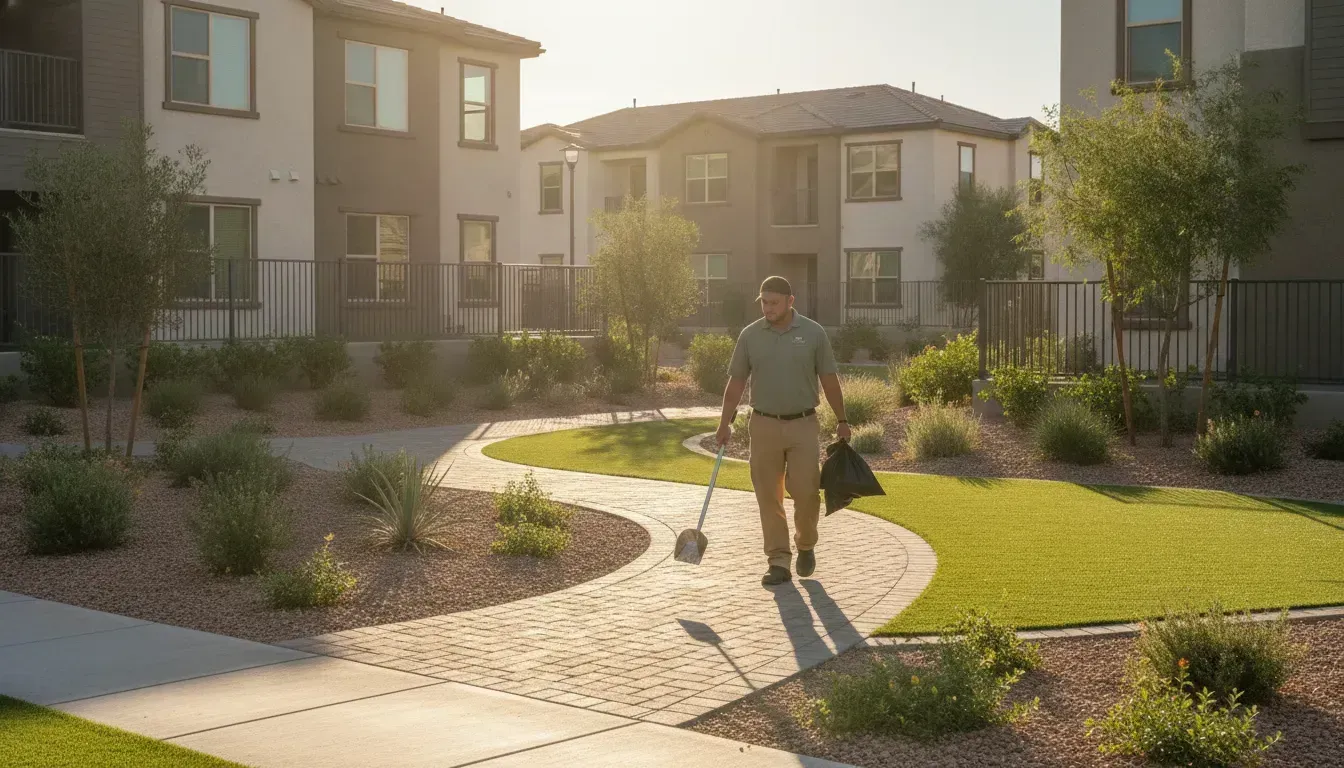
A1 Pet Maintenance brings more than a service visit to community sanitation. Established in 1998, A1 has spent 26+ years serving Southern Nevada and Tucson, building the systems and local knowledge required for high-use residential properties. That experience matters when an HOA board or apartment management team needs clean, presentable common areas without adding another daily responsibility to its staff.
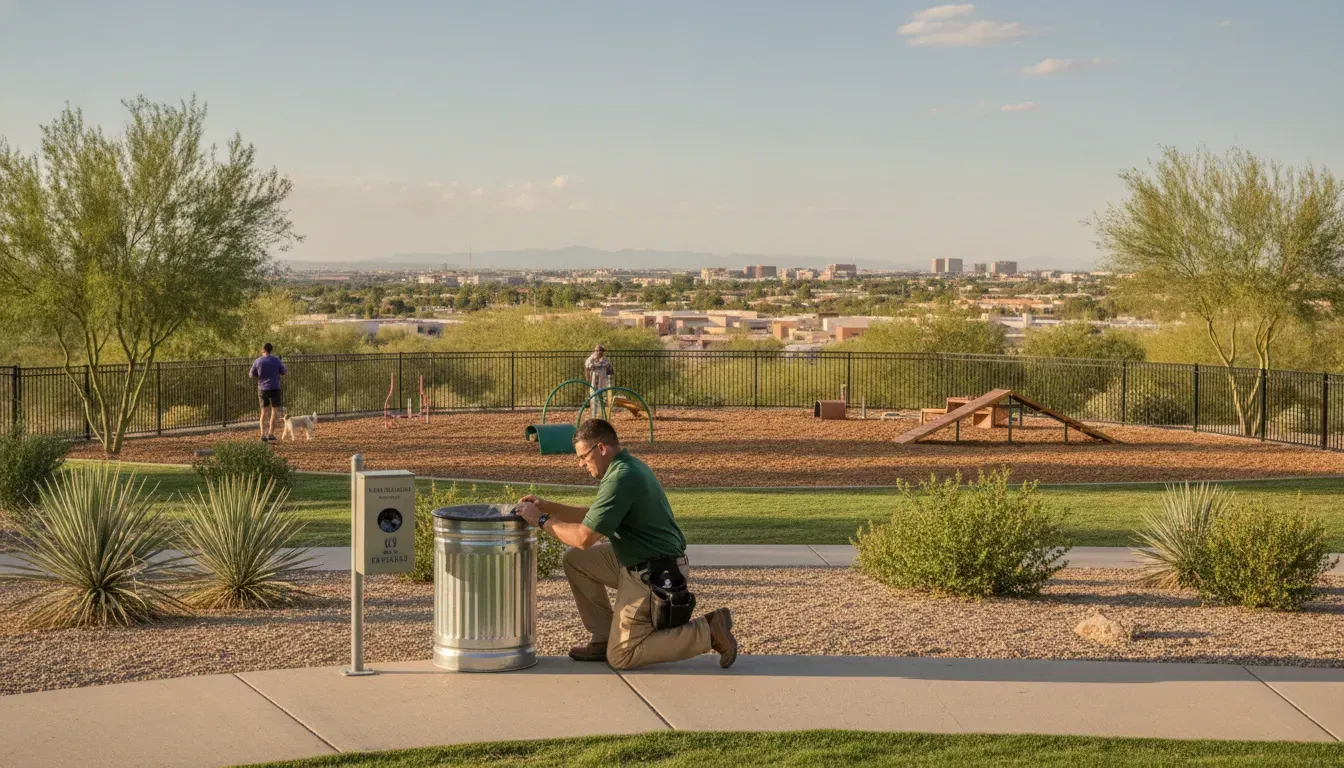
Our commercial programs can include artificial turf cleaning, pet station maintenance, waste removal, and comprehensive coverage of shared areas. Teams can address dog runs, pet relief zones, walkways, and other high-traffic spaces according to the property's layout and usage patterns. With commercial-grade equipment and pet-conscious sanitation practices, the goal is a community that looks cared for and feels consistently manageable for residents, visitors, and onsite personnel.
Built for accountability and fast response
Community sanitation is also a risk-management issue. Missed waste, overflowing pet stations, and neglected turf can create resident complaints, damage the property's presentation, and increase concerns about liability. A1 provides scheduled service and can respond to urgent sanitation needs, including situations involving potential health-code violations. A documented, professional maintenance program gives boards and managers a clearer way to show that shared pet areas are being actively maintained.
A1's average commercial customer tenure is 18.2 years, reflecting a partnership model rather than a short-term vendor relationship. The company also holds active government contracts with the City of Las Vegas, City of Henderson, and Clark County. That operational experience supports service for communities connected to more than 4,000 Nevada HOAs and over 278,000 multifamily units in the Las Vegas area.
Flexible service for changing community needs
Every property has different acreage, resident volume, pet traffic, and budget requirements. A1 prepares custom proposals with volume-based pricing instead of forcing every community into the same package. Boards and managers can choose a practical scope, adjust coverage as needs change, and use a no-contract setup when flexibility is important. For a deeper planning framework, review this guide to HOA pet waste management.
The result is a cleaner, more professional community environment, better protection for the property's appearance and value, and less sanitation work for the people responsible for running it.
Call A1 Pet Maintenance at (702) 521-2624 today
Frequently Asked Questions
How often should HOA and apartment turf areas be cleaned?
Set the schedule around traffic, pet usage, weather, and odor reports. High-use dog runs and pet relief areas generally need more frequent service than decorative turf. In Las Vegas, intense heat can make odor problems more noticeable when sanitation is delayed. So a written routine with additional visits during heavy-use periods is a practical approach.
What does a commercial turf cleaning service include?
A thorough service may include removing pet waste and organic debris, cleaning the turf surface, treating odors, sanitizing pet-accessible areas, and checking the condition of infill. Regular debris removal and brushing are recognized components of synthetic turf maintenance by Penn State's Sports Surface Research Center: synthetic turf best management practices.
Are turf-cleaning products safe for residents and pets?
Ask the provider which products are used, where they are applied, and what re-entry guidance applies. Pet-accessible areas should be serviced with products selected for the surface and the setting, with clear communication to property staff. A1 plans service around active community use and can explain the sanitation process before work begins.
How is pricing determined for an HOA or multi-family property?
Pricing depends on square footage, the number and type of turf areas, pet traffic, service frequency, access, and whether pet stations or other common areas are included. A site review allows the provider to build a custom proposal rather than applying a one-size-fits-all rate. Larger properties may also qualify for volume-based pricing.
Ready to Improve Your Community's Turf Care?
A consistent cleaning plan can help HOA boards and property managers maintain more welcoming shared spaces while supporting dependable pet-area sanitation. Call A1 Pet Maintenance for a free commercial artificial turf cleaning assessment tailored to your community's needs.