The Ultimate Guide to Pet Waste Management for HOAs
Get practical tips on pet waste management for HOAs, including policy ideas, enforcement strategies, and solutions for a cleaner, healthier community.

If you’re on an HOA board, you’ve probably spent more time discussing dog poop than you ever thought possible. It’s a constant source of resident complaints and can quickly create tension between neighbors. While it feels like a never-ending battle, it doesn’t have to be. A structured approach can turn this frustrating issue into a manageable one. This guide provides a complete playbook for effective pet waste management for HOAs, covering everything from creating an enforceable policy to handling repeat offenders. We’ll give you the actionable steps needed to create a cleaner, happier community for everyone.
Key Takeaways
- Set Residents Up for Success: Make it easy for people to follow the rules by creating a clear pet waste policy and installing plenty of well-stocked waste stations. When doing the right thing is also the most convenient option, compliance naturally improves.
- Enforce Your Rules Fairly and Consistently: A policy only works if residents know you'll enforce it. Start with friendly reminders, but have a clear system for escalating fines for repeat issues. Applying the rules to everyone without exception builds trust and shows you're serious about keeping the community clean.
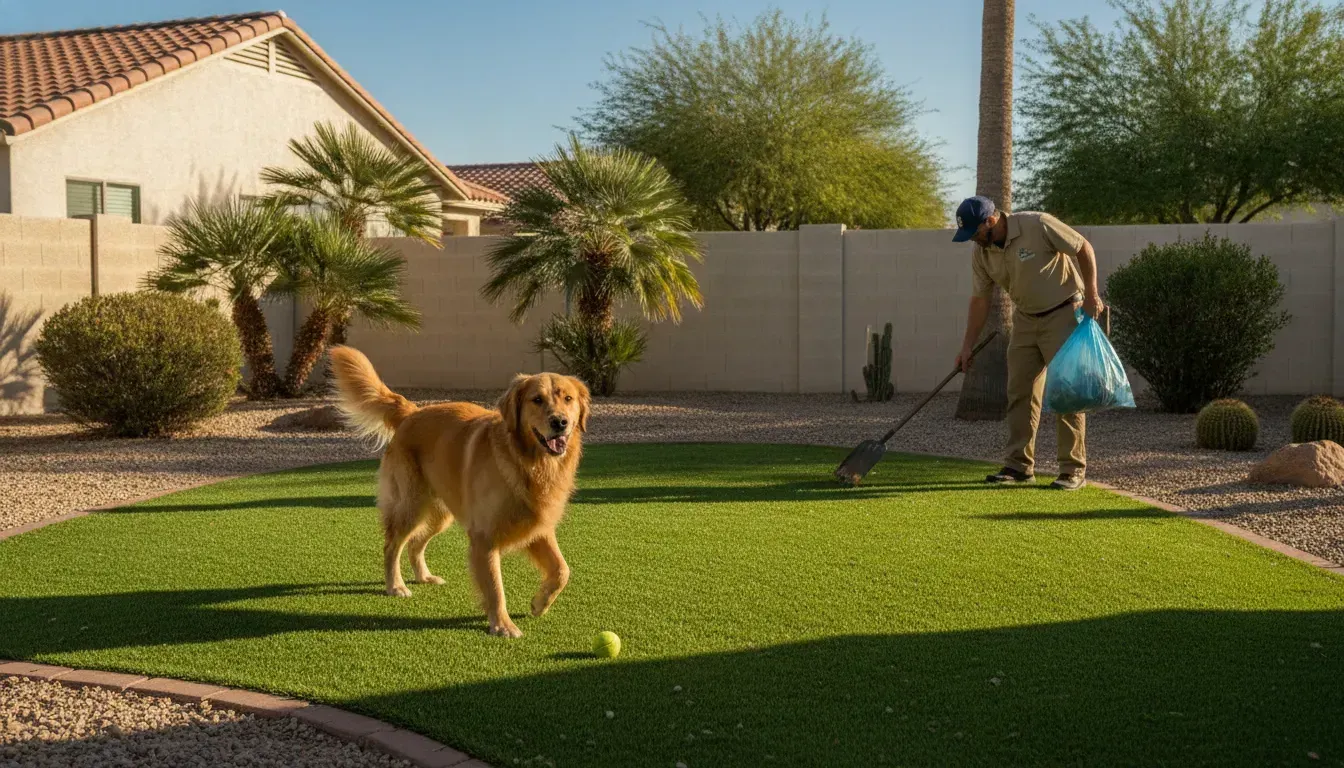
- Know When to Call in the Pros: If your team is struggling to keep up with cleanups and station maintenance, hiring a professional service is a practical solution. A reliable company handles the dirty work, from scooping waste to cleaning artificial turf, which frees up your board's time and ensures the job is done right.
The Unseen Problems with Pet Waste
It’s easy to dismiss dog waste as just a messy inconvenience, but ignoring it can create significant problems for your community. Beyond the unpleasant sight and smell, uncollected pet waste introduces serious health, environmental, and financial risks that can affect every resident in your HOA. Understanding these hidden dangers is the first step toward creating a cleaner, safer, and more valuable community for everyone. When waste piles up, it sends a message that community standards are low, which can have a ripple effect on everything from resident morale to property values.
Health Risks to People and Pets
Dog waste is a major carrier of harmful bacteria and parasites. It’s not just fertilizer; it’s a health hazard. Feces can contain pathogens like E. coli, salmonella, and parasites such as roundworms and giardia. When left on the ground, these contaminants don’t just disappear. They can linger in the soil and grass where children play and other pets roam, creating a direct path for transmission. These diseases can spread from animals to people and cause a range of illnesses. A clean, waste-free environment is essential for protecting the health of your residents and their furry family members.
Environmental Impact
The environmental consequences of pet waste are surprisingly severe, especially when it comes to our water. When it rains, water runoff picks up everything on the ground, including the bacteria from dog poop. This contaminated water flows into storm drains, which often lead directly to local rivers, lakes, and groundwater supplies without being treated. The Environmental Protection Agency (EPA) even identifies pet waste as a significant non-point source pollutant, similar to herbicides and insecticides. This pollution can make local water sources unsafe for swimming and fishing, harming aquatic life and the local ecosystem.
Effects on Property Value and Community Appeal
A clean community is a desirable community, and that directly translates to higher property values. No one wants to live in a place littered with pet waste. It detracts from the beauty of common areas and can make potential buyers or renters think twice. Research shows that well-maintained communities command higher property values, sometimes by as much as 4-8%. By allowing pet waste to accumulate, an HOA risks damaging its reputation and lowering the financial investment of every homeowner. Maintaining clean grounds is a core part of protecting and improving the appeal of your commercial property.
Create a Pet Waste Policy That Works
A clean, beautiful community doesn't happen by accident. It starts with a clear plan. For HOAs and property managers, creating a pet waste policy that works is the foundation of any long-term solution. When everyone understands what's expected of them, keeping common areas clean becomes a shared community effort.
Define Clear Rules and Guidelines
Your policy should be straightforward, easy to understand, and leave no room for interpretation. Make sure it explicitly states that all dog owners must clean up after their pets immediately. Include details about leash requirements, designated pet areas, and where pet waste should be disposed of. It’s also helpful to clearly list the consequences for violating the policy, including any potential fines. By putting these rules in writing and making them accessible, you establish a clear standard for community behavior.
Provide Proper Disposal Infrastructure
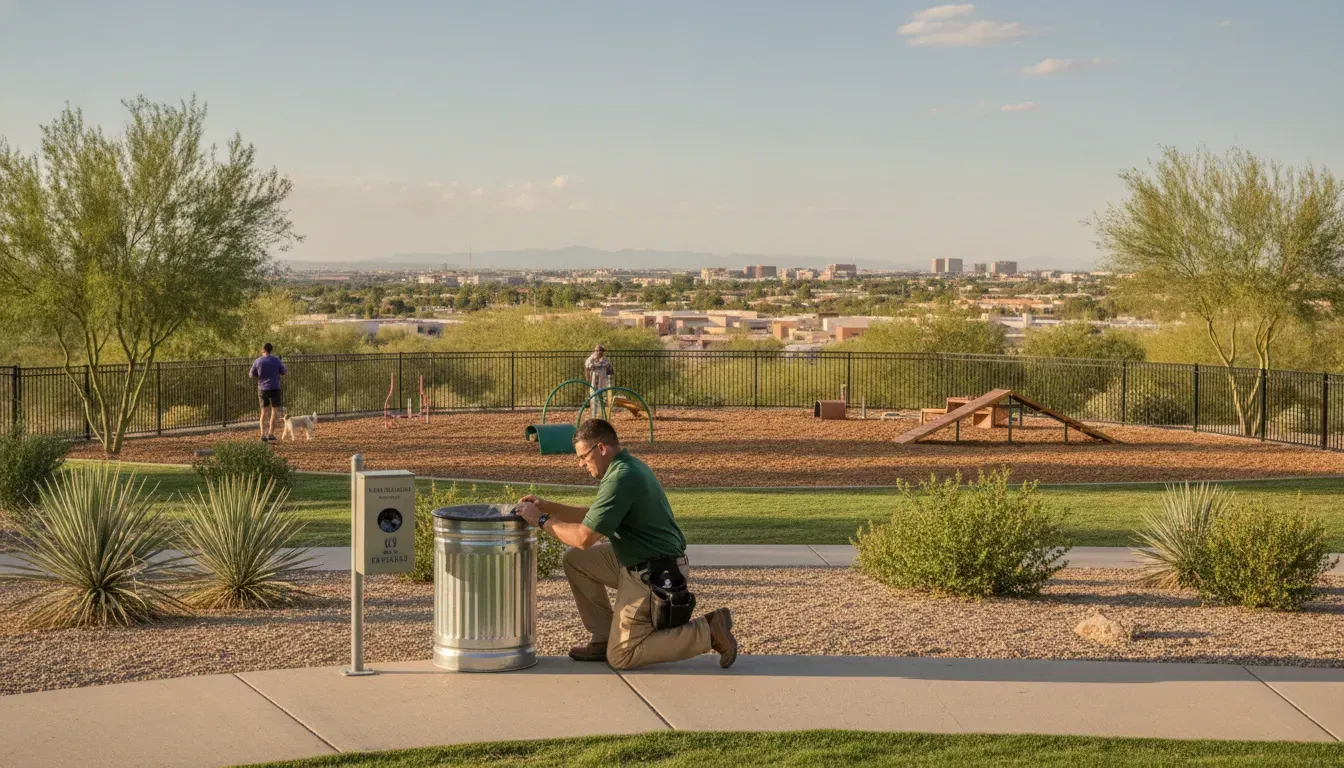
Even the best policies won't work if you don't make it easy for residents to follow them. One of the most effective steps an HOA can take is to install dedicated pet waste stations in high-traffic areas, near walking paths, and in common green spaces. A standard station should include a bag dispenser, a waste receptacle, and a sign reminding residents of the rules. Keeping these stations well-stocked with bags and emptied regularly is crucial. When disposal is convenient, compliance rates skyrocket.
Communicate the Rules to Residents
A policy is only effective if residents actually know about it. Regularly share your pet waste guidelines share your guidelines through every available channel: HOA newsletters, emails, community bulletin boards, and during board meetings. It’s also a good practice to include a copy of the pet waste policy in the welcome packet for new residents. The goal is to keep the rules fresh in everyone’s mind and explain why the policy is in place—focusing on community health, safety, and maintaining property values rather than just strict enforcement.
Enforcement Strategies and Handling Violations
While clear communication and convenient infrastructure will encourage most residents to clean up after their pets, every HOA eventually has to deal with rule violations. Having a fair, consistent, and documented enforcement process is essential for maintaining community standards and resolving conflicts.
Document and Verify Violations
Before taking any official action, it is important to have reliable evidence of a violation. Encourage residents to report issues with specific details: the date, time, location, and a description of the dog and handler. If possible, photographic or video evidence is incredibly helpful. Some communities use security cameras in common areas to monitor high-traffic zones. Having clear documentation protects the board from disputes and ensures that any enforcement action is based on solid facts rather than hearsay.
Implement a Graduated Fine Structure
When handling violations, a graduated system of consequences is usually the fairest and most effective approach. Rather than jumping straight to heavy fines, start with a friendly warning. A typical structure might look like this: 1. First Offense: A written warning or friendly reminder of the community policy. 2. **Second Offense**: A formal warning letter outlining the rules and potential consequences of future violations. 3. **Third Offense**: A modest fine (e.g., $50) as a serious deterrent. 4. **Subsequent Offenses**: Escalating fines (e.g., $100+) and potential restriction from certain community areas.
Applying this system consistently to all residents ensures fairness and reinforces the message that the board is serious about keeping the community clean.
Consider Advanced Solutions: DNA Registry Programs
For communities struggling with persistent, hard-to-track pet waste issues, pet DNA registry programs have become a highly effective modern solution. Under these programs, all residents with dogs must provide a quick, painless cheek swab of their pet to a registry database. When uncollected waste is found in common areas, a small sample can be sent to a lab to identify the owner. The cost of the DNA test and lab processing is typically charged back to the violating homeowner as part of their fine. While there is an initial setup process, many HOAs find that the mere presence of a DNA registry program almost completely eliminates uncollected pet waste, saving thousands in cleanup costs and resident frustration.
The Professional Solution: Partner with A1 Pet Maintenance
Managing pet waste stations, emptying receptacles, and cleaning common areas is a lot of work. For many HOA boards and property managers, keeping up with these daily tasks is simply too much to handle with volunteer or on-site staff. That’s where partnering with a professional service like A1 Pet Maintenance makes all the difference.
Comprehensive Pet Waste Removal
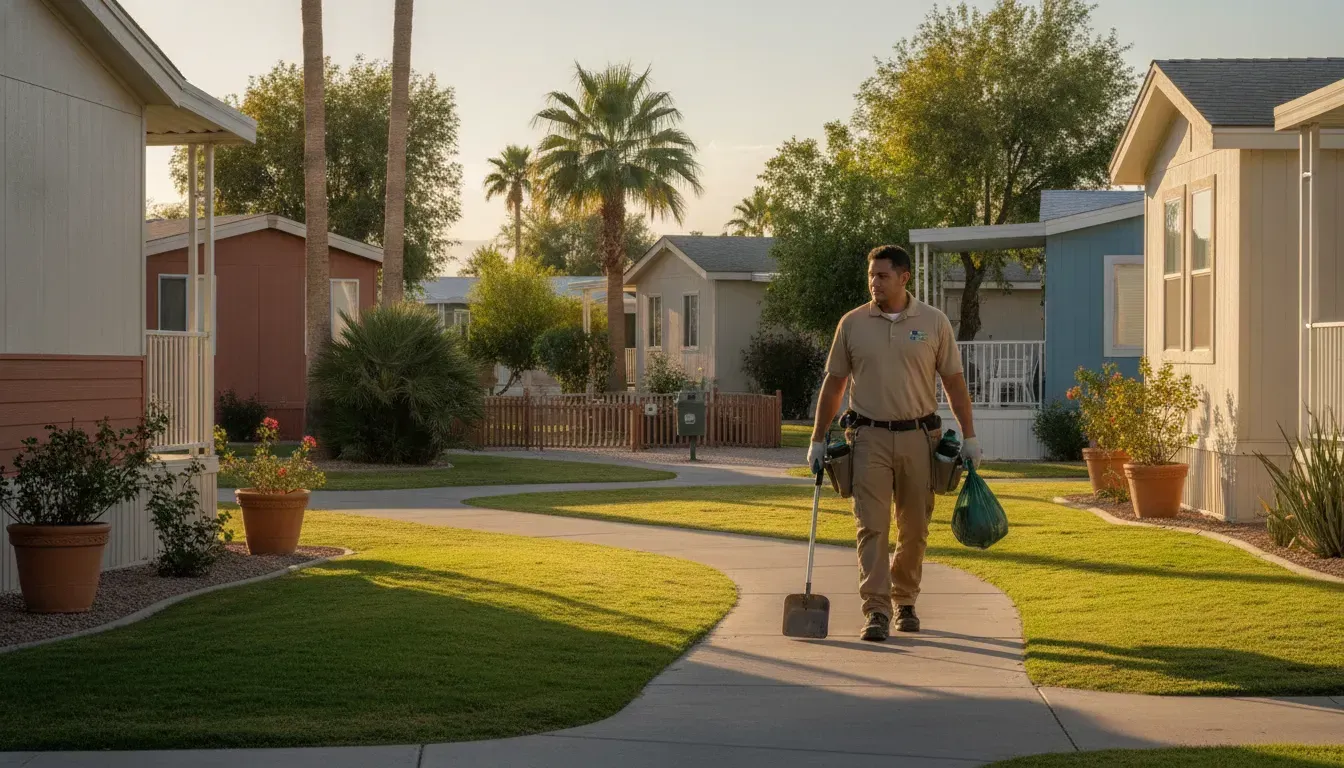
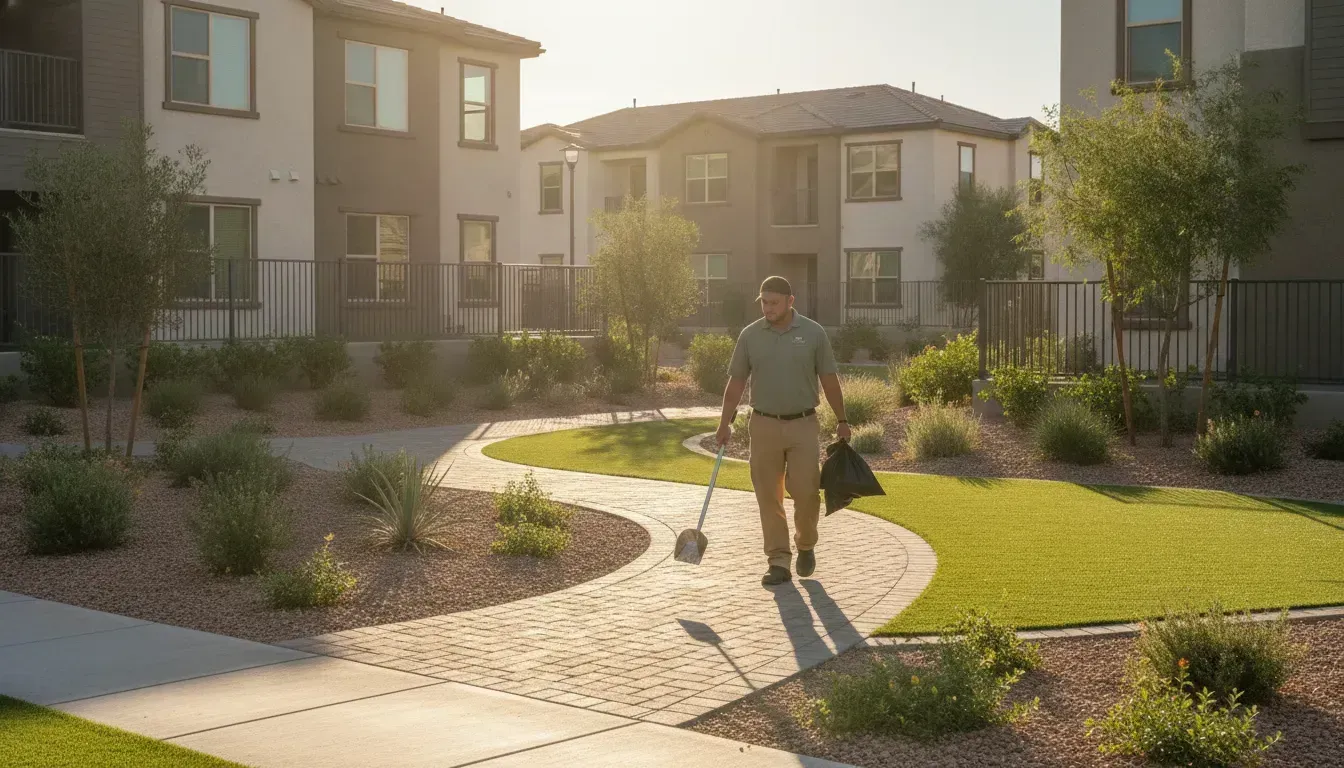
At A1 Pet Maintenance, we specialize in keeping communities clean, healthy, and pet-friendly. We provide comprehensive commercial pooper scooper services tailored to the unique needs of your HOA or property. Our professional teams can handle everything from regular common area sweeps to full-service pet waste station management—including supplying bags, emptying receptacles, and sanitizing stations. With over 26 years of experience and 400+ properties serviced weekly, we have the expertise and reliability to keep your community looking its best.
Specialized Artificial Turf Cleaning and Deodorizing
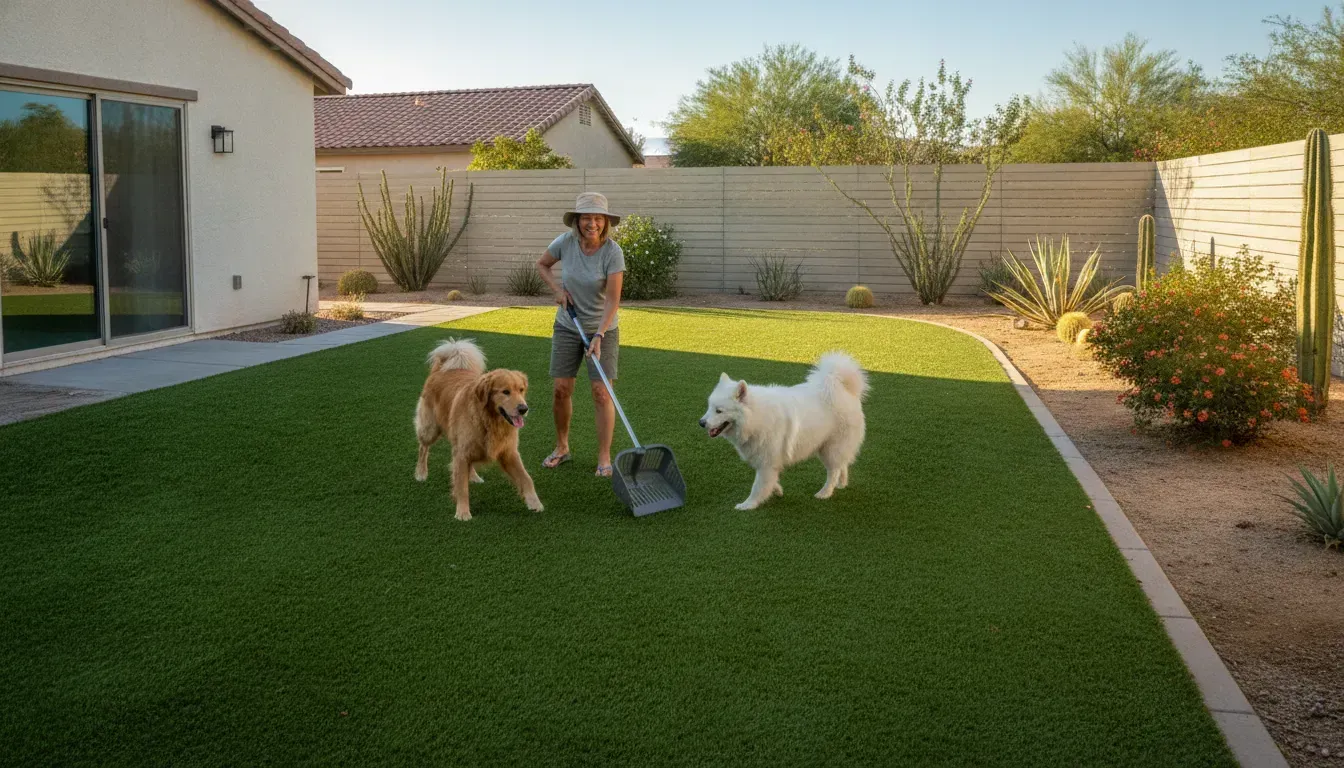
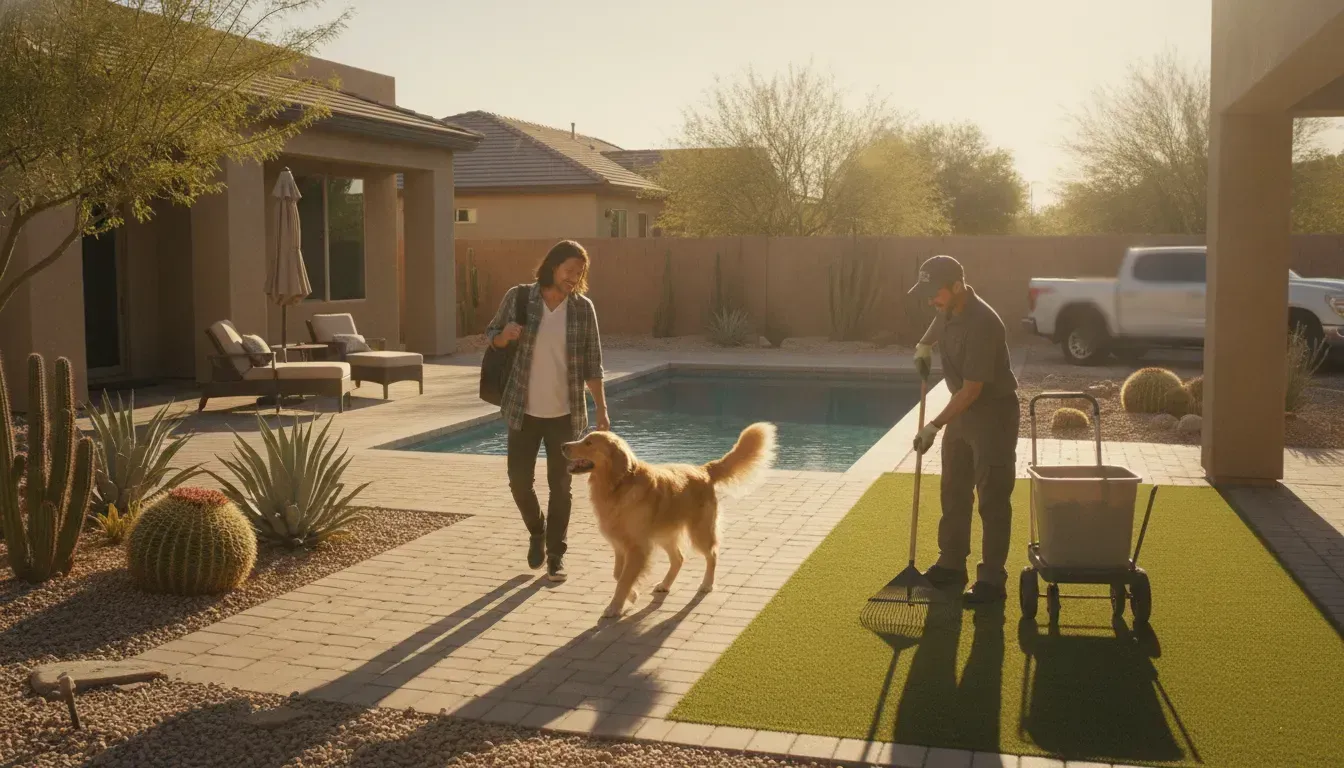
Many modern HOAs and commercial properties use artificial grass in common areas and pet parks. While turf is durable and low-maintenance, it requires specialized care to prevent pet waste odors and bacteria buildup. Normal rinsing isn't enough. A1 Pet Maintenance offers professional artificial grass cleaning and deodorizing services. We use safe, pet-friendly products and professional-grade equipment to deep-clean, sanitize, and eliminate stubborn pet odors, protecting your investment and keeping the turf inviting for both pets and residents.
Humane Cat Trap Rentals and Wildlife Management
In addition to dog waste removal, A1 Pet Maintenance provides specialized property maintenance services to handle other common community issues, such as feral cat populations. We offer humane cat trap rentals and can assist your HOA with safe, responsible trap-neuter-return (TNR) or removal programs. This helps manage local colonies humanely, reducing community nuisances and protecting local wildlife.
Why Choose A1 Pet Maintenance?
When you partner with us, you are choosing a veteran-owned local business that understands the unique needs of Southern Nevada communities. We offer: * Flexible, No-Contract Service: We earn your business with every visit; no long-term contracts required. * Price-Match Guarantee: We will match any competitor's written estimate for identical services. * Professional, Fully Insured Teams: Our staff are easily identifiable, highly trained, and fully insured for your peace of mind. * Clear Communication: We provide prompt updates, proof of service, and transparent pricing.
Reclaim Your Community's Cleanliness Today
Don't let pet waste divide your community or lower your property values. With a clear policy, proper infrastructure, and the right professional partner, you can create a clean, healthy, and welcoming environment for everyone.
Ready to take your HOA's pet waste management to the next level? Contact A1 Pet Maintenance today to request a custom quote for commercial pet waste removal, artificial turf cleaning, or station maintenance. Let us handle the dirty work so you can focus on building a better community.