HOA Common Area Pet Waste Walk Map for Boards
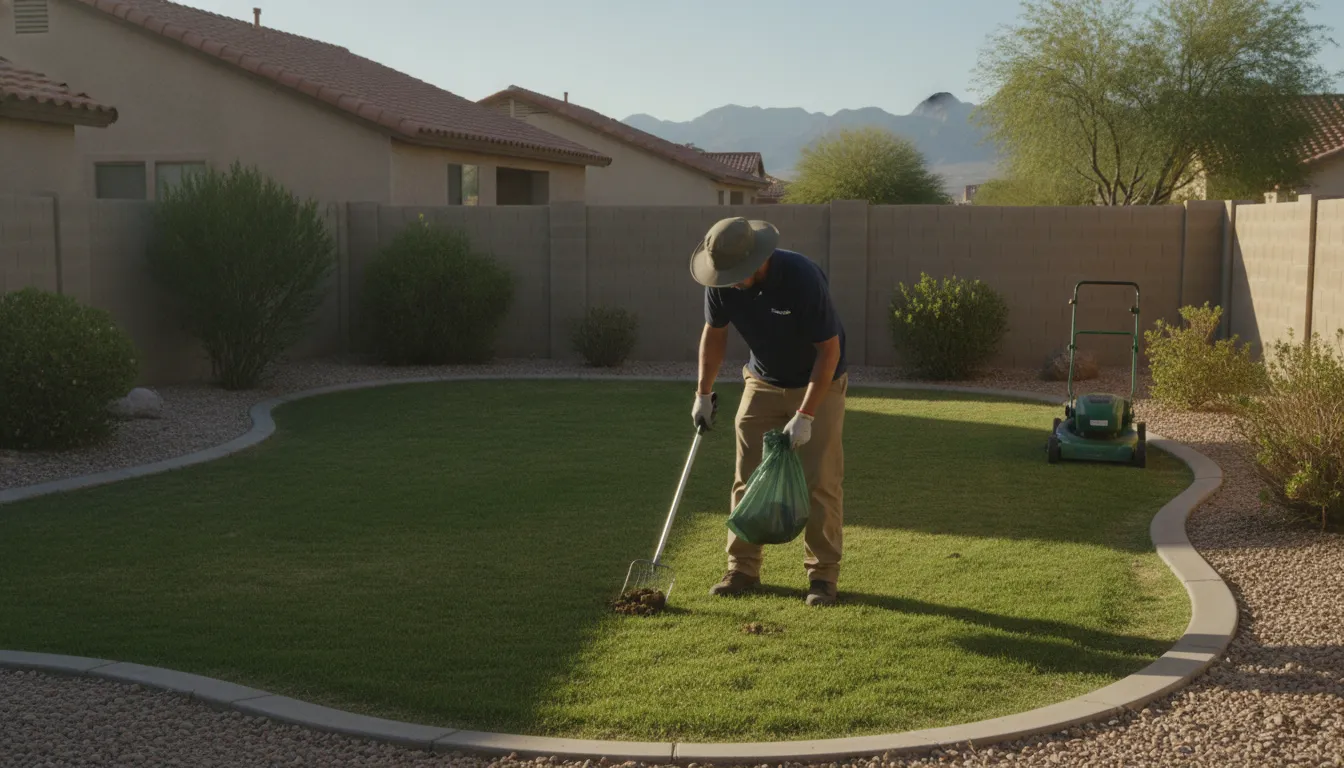
An HOA common area pet waste walk map is a simple record of where waste shows up on shared ground, what blocks a crew, and which stations or turf need a look. It is the sheet a board or manager sends before asking for a proposal. It is not a fine policy, and it is not a monthly visit report. A1 Pet Maintenance has hauled pet waste off Southern Nevada and Tucson properties since 1998, including homeowner associations, parks, and special events. Commercial property services are quoted as a custom proposal, not from the residential dog chart.
Call 702-521-2624 to request a common-area proposal
What an HOA Common Area Pet Waste Walk Map Includes
Boards already know pet waste starts arguments. The missing piece is usually a shared picture of the grounds. One director remembers the park. The manager remembers the gate code. The landscaper remembers the bin that overflows on Mondays. None of those notes, by themselves, tell a crew where to walk.
The walk map puts those notes on one page. It names the zones you want serviced, the zones you do not, and the access rules that change the visit. A1 can then price the job from the property, not from a guess about "the common areas."
Keep the map separate from the rule book. The live guide to pet waste management for homeowners associations already covers policy, reminders, and when to call a service. This page only covers the walk you do before that call.
A useful map answers four questions:
- Which shared spaces collect waste on a normal week?
- Who can open the gate, the dog run, or the trash room?
- Which stations are stocked, jammed, or missing bags?
- Which turf or lawn spots smell after a rinse is not enough?
If a line on the map is really a rule for residents, move it to the policy. If it is a price, leave it off. Commercial work is proposed after A1 sees the scope.
Walk the Grounds Before You Write the Map
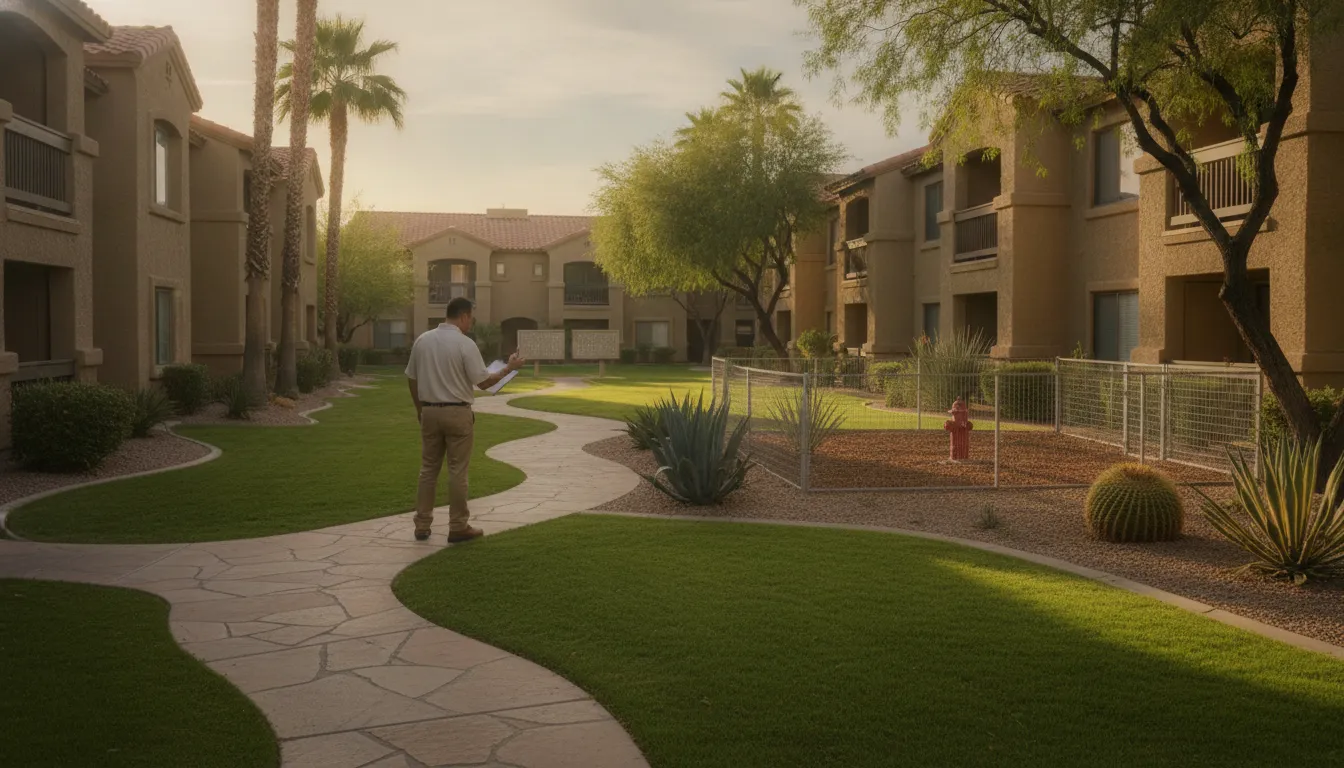
Do the walk on a weekday morning if that is when dogs use the paths. A Sunday stroll misses the bins that fill after work. Take one other person if you can: a board member plus the on-site manager catches more than either alone.
Start at the main entrance and follow the route residents actually walk with dogs. That is usually the sidewalk to the park, the loop around the pool fence, and the strip behind the mailboxes. Do not start with a satellite photo. The photo will not show a locked side gate or a hose that does not reach the turf.
Mark what you see, not what the rules say should happen. A clean park on the day you walk is still a zone if residents report waste there every week. Write "reported weekly" next to it so the proposal is not based on one lucky morning.
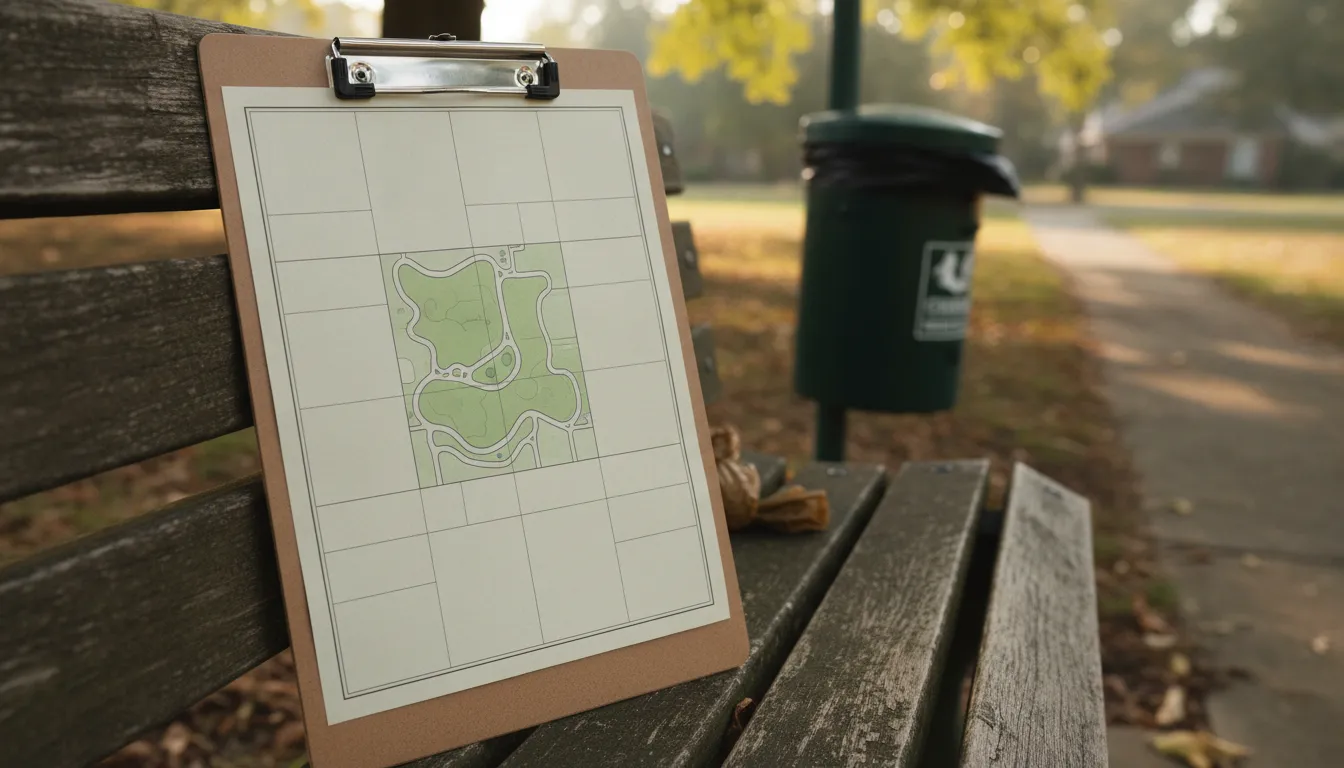
Use a fixed order so the sheet stays short. Name the zone in words a new crew can follow, such as "north park loop" or "mail kiosk path." Then note how you entered. That might be an open path, a coded gate, a locked dog park, or a staff escort. Count visible stations and say if bags and the bin were usable. Flag turf, gravel, or lawn that smelled or held waste in the fibers. Write where bagged waste can be left for city collection.
Read the sheet back while you are still on the path. If a line only makes sense to you, rewrite it. "By the big tree" fails the next week. Use a landmark a stranger can find, such as the east edge of the tot lot from the ramada to the north gate.
Skip private yards. A1's residential scoop is a different job, billed by the number of dogs on a home route. This map is only shared ground the association maintains.
Who Walks, and When
One person can sketch a park. A board packet needs two sets of eyes. The director knows which corners draw complaints. The manager or maintenance lead knows which locks actually work. If those people cannot walk together, have the second person review the sheet on site within a day. A review from a desk tends to "correct" a zone that is wrong on the ground.
Walk once in the morning and note whether the picture would change after work. Many desert communities see the dog traffic before 8 a.m. and again after sunset in summer. You do not need two full maps. Add a line that says evening use is heavier on the north loop if that is what residents report.
Bring three things only: a pen, a printed site plan or a blank page, and the gate keys. Leave the policy binder at home. If you start debating fines on the path, the map will turn into meeting notes and the crew still will not know where to walk.
Finish the visit in this order:
- Walk the dog route from the main gate.
- Mark each zone, the lock, and the surface.
- Note station and turf condition.
- Name the dumpster the crew may use.
- Read the sheet aloud before you leave.
Time the route. A 20-minute loop and a 90-minute loop are different proposals. Write the rough minutes next to the last zone. Do not convert minutes into a price. A1 builds the proposal from the zones, the access, and the lines you marked.
What to Record in Each Zone
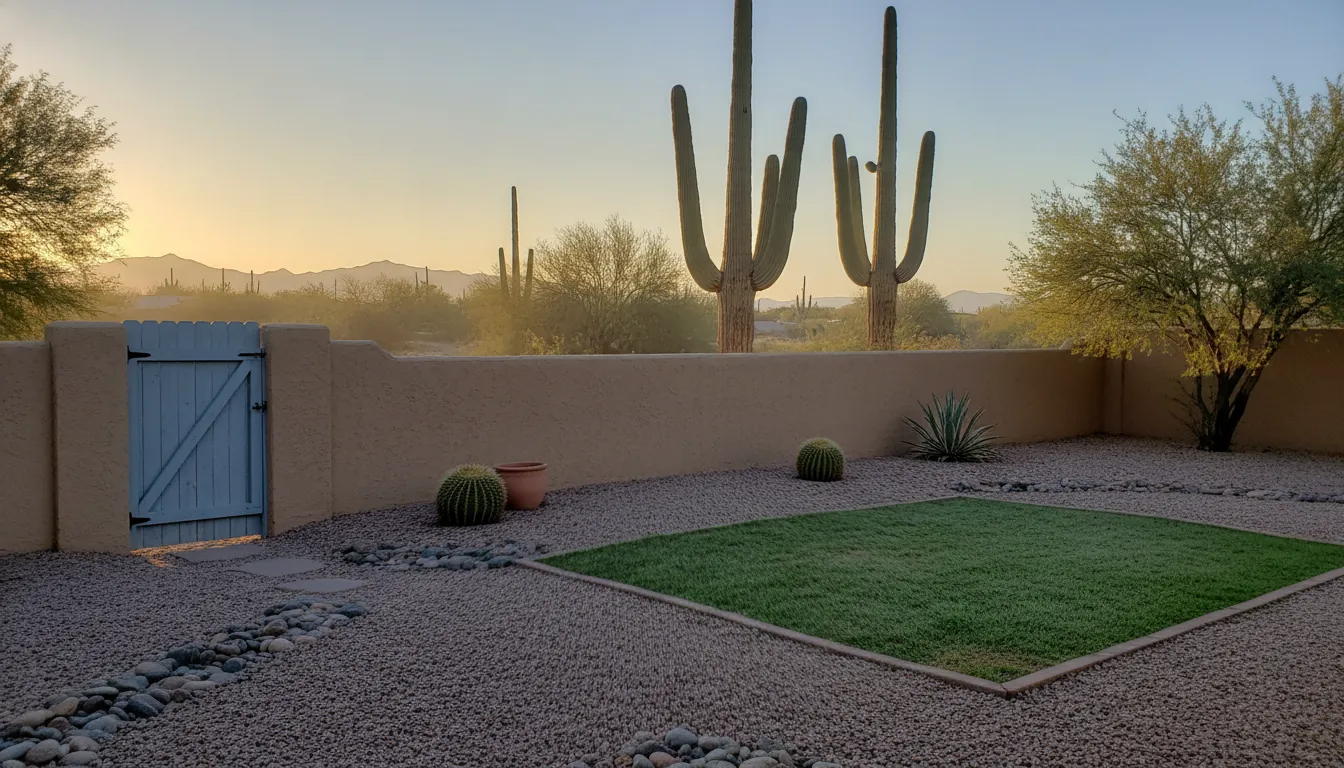
A zone is a place a crew can finish in one pass. "The whole community" is not a zone. A tot lot path from the ramada to the north gate is. Split a large park into edges if waste piles up on one side and not the other.
For each zone, record five facts:
- Surface. Grass, gravel, decomposed granite, concrete, or artificial turf. Turf needs a different visit from a scoop of the lawn.
- Use. Dog park, general path, playground edge, or event lawn. Say if off-leash play is allowed there.
- Access. Gate code owner, lockbox, or a person who must be on site. Note dogs that roam the path during the visit window.
- Station. Dispenser present or not, bin lid working or not, and whether bags were empty on the walk.
- Disposal. The dumpster or trash room the crew may use, and who unlocks it.
A1 bags waste and hauls it away for city sanitation collection. The map still has to name the container. A crew cannot invent a dumpster that the association has not approved.
Leave resident names and unit numbers off the sheet. The walk is about places, not about who failed to scoop. Complaint history can live in the board file. It does not belong in a scope you send out for a proposal.
Add a one-line season note if the zone changes with heat. In Southern Nevada and Tucson, summer evenings move dogs off open turf and onto shaded sidewalks. A map drawn only at noon in July can miss the path that is dirty at 7 p.m. Write the month you walked so the next board does not treat a July sheet as a January plan.
If a zone is closed for construction or a pool remodel, say so and date it. A closed tot lot should not stay on a weekly route. A reopened lawn should be added before the first weekend it fills up. The map is a working sheet, not a plaque.
The EPA's page on nutrient sources around the home explains why pet waste left on the ground matters for local water, not only for looks. You do not need to recite that science on the map. You do need every zone where waste sits long enough to wash toward a drain.
Stations, Turf, and the One-Time Reset
Stations and turf often get lumped into "cleanup." They are separate lines, and the map should say which ones you want.
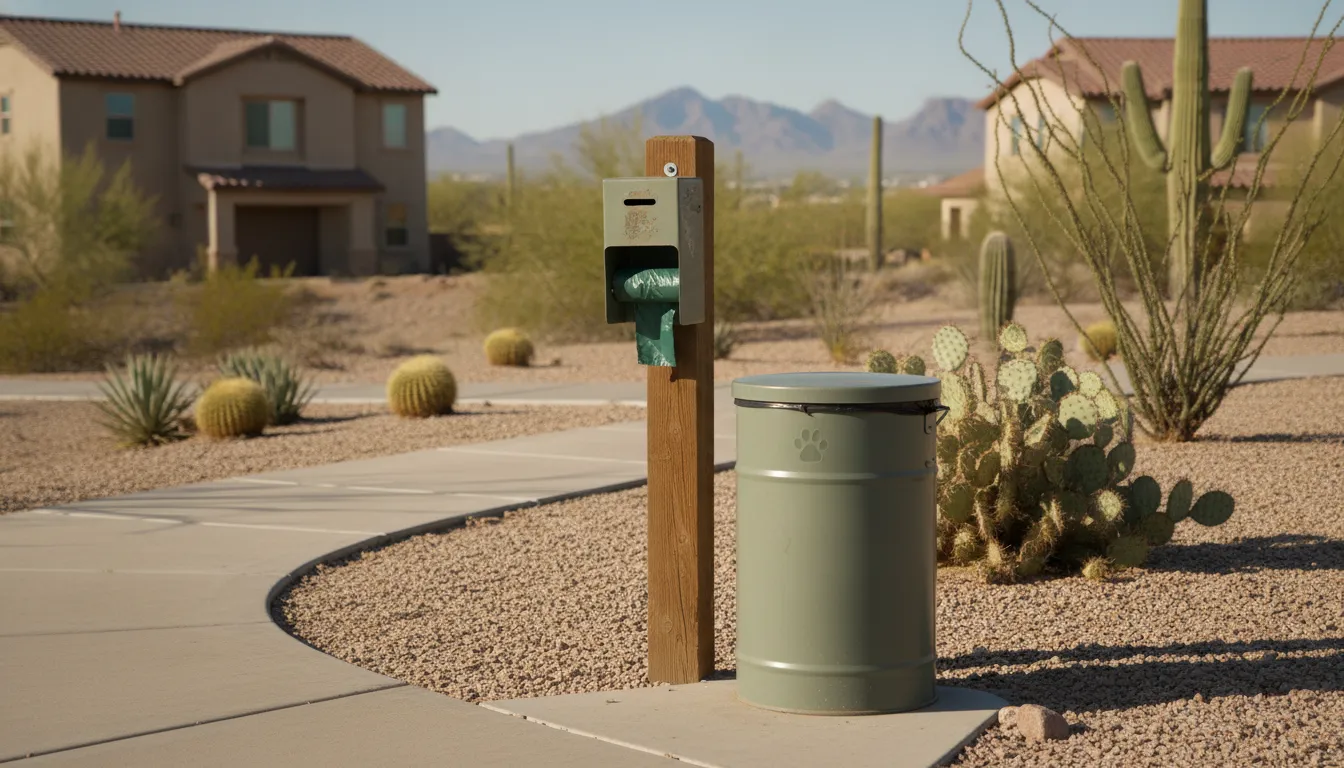
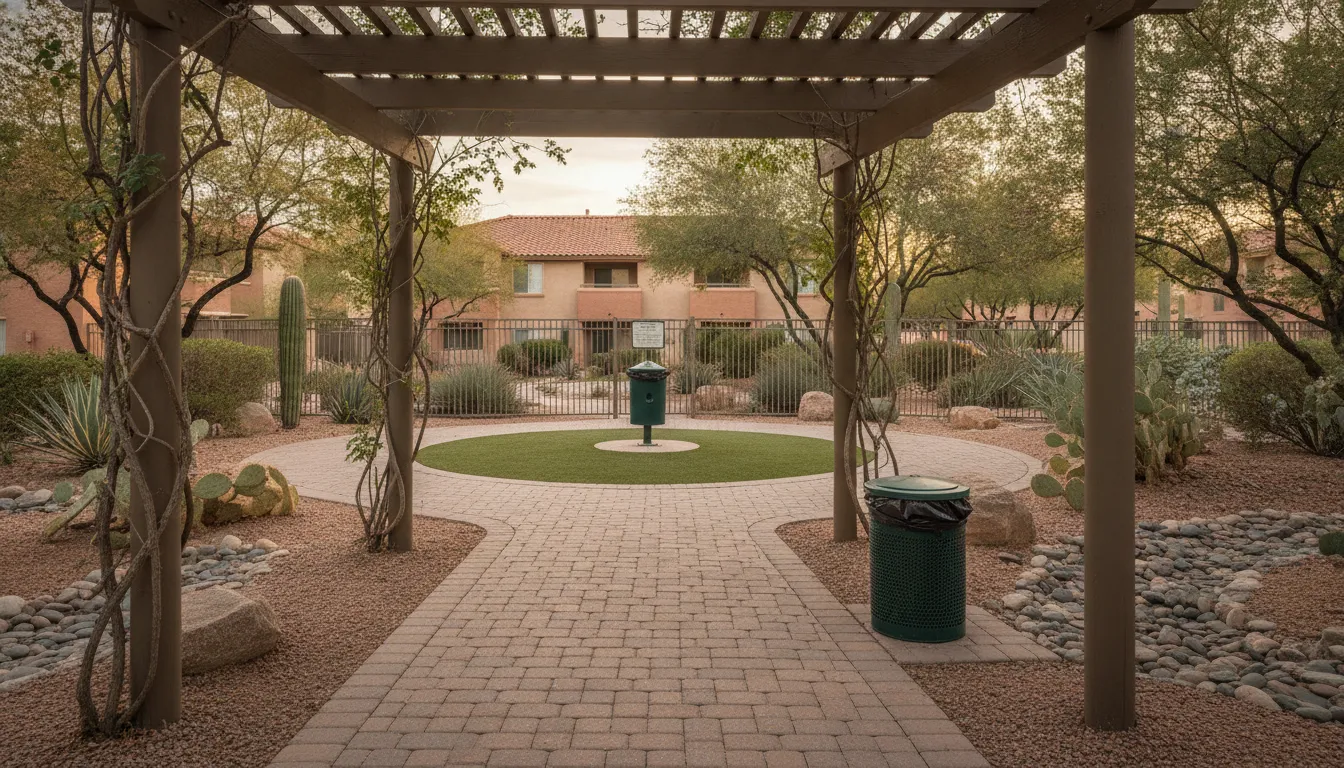
A station line is the dispenser, the bin, and the bag stock. On the walk, note a unit that is tipped, jammed, or placed where nobody walks. Do not use this sheet to design a new station layout. Placement and install steps already live on the pet waste station installation guide. Your job here is condition: working, empty, or in the wrong spot.
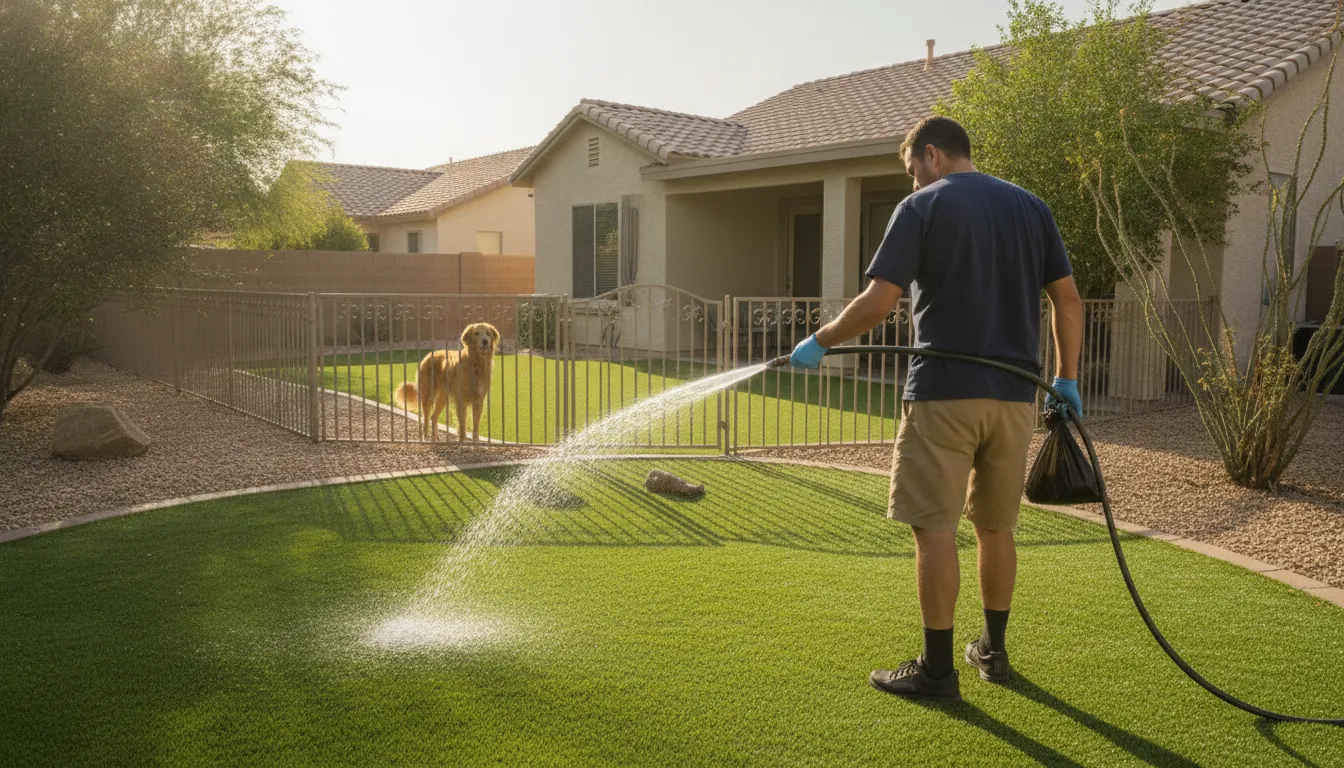
A turf line is different. Artificial grass in a dog run holds odor in the fibers after the solids are gone. A1 cleans that surface by removing waste, clearing debris, treating odor, and rinsing. The public turf page does not list a commercial rate. Write "turf clean, quote needed" on the map instead of a dollar figure. Say whether a hose reaches the turf and whether dogs can be kept off it during the visit.
A one-time reset is a third line. Use it when a zone has been skipped for weeks and a weekly route would spend the first visits just catching up. A1 publishes a residential one-time range on the one-time cleanup page. Do not copy that range onto an HOA park. Shared ground is proposed from the map.
| Map line. | What you record on the walk. | What you leave off. |
|---|---|---|
| Grounds scoop. | Zone name, surface, and how often waste is reported. | Fines, warnings, or resident names. |
| Station check. | Bags, bin lid, and whether the unit sits on a used path. | A new install plan or a station price. |
| Turf clean. | Which panels smell, and whether water and access are ready. | Any dollar amount for turf. |
| One-time reset. | Zones that need a catch-up before a route starts. | The residential one-time price chart. |
| Disposal. | Named dumpster or trash room, and who unlocks it. | A guess that the crew will find a bin. |
If the association only wants stations refilled, say that in the first line of the email. A full grounds walk is a larger proposal. Mixing the two without labels is how boards get a quote they did not mean to request.
How to Send the Map for a Proposal
When the sheet is done, send it with the ask. A short email works if the zones are specific. Attach the sketch or paste the zone list. Include the visit window you prefer, such as early weekday mornings, and any day the gates are locked for a vendor.
Ask for three things only:
- A proposal for the zones you marked, split by scoop, stations, turf, and any one-time reset.
- What the crew needs on site, including the dumpster and a contact if a gate fails.
- How skipped areas would be noted if access is blocked.
Do not ask the proposal to replace your rules. Residents still need the policy in the welcome packet. The live Las Vegas HOA board guide is the place for that policy and for how a service supports enforcement. Link it for the board. Do not paste it into the scope.
After service starts, a different page covers the monthly summary of visits, skips, and station work. This walk map is the before picture. Keep it. Update it when you add a dog run or move a station. Do not turn it into the monthly report.
A1 serves homeowner associations and other shared properties from its Southern Nevada base and in Tucson. The commercial page lists communities already on routes, including Echo Canyon, Greenway Crossing, Indigo, Palm Canyon, and High Noon at Arlington Ranch. Your community does not need to match those names. It does need a map a crew can follow.
Store the finished map with the proposal request, not in a group text. When the board changes, the new member should be able to find the zone list without calling the last president. Update the date at the top each time you add a dog run, move a bin, or change a gate code. Send the new date with the next service question so the crew is not walking last year's path.
That is the whole job of the sheet. It shows shared ground, access, and the separate lines for scooping, stations, turf, and a catch-up visit. Policy, vendor scorecards, and the monthly summary stay on their own pages.
Request a commercial proposal for the zones you mapped
Frequently Asked Questions
Does the walk map replace our pet waste rules?
No. The map tells a crew where to work. Rules for residents stay in the policy your board already publishes. Use the HOA management guide for that policy, not this sheet.
Should we include private backyards?
No. Private yards are a home route, priced by the number of dogs. The walk map covers only common areas the association maintains, such as paths, parks, and dog runs.
Can we put a price on the map?
Do not invent one. Residential weekly rates and the one-time home range are public, but commercial common-area work and artificial-turf cleaning are quoted from the scope. Leave dollars off the sheet and ask for a proposal.
Who should take the walk?
A board member and the person who holds gate codes. One perspective misses either the complaint spots or the locks. Walk on a day residents actually use the paths.
What if we only need stations checked?
Say so in the first line. List each station and whether bags and the bin were usable. Do not imply a full grounds scoop unless those zones are on the map too.