Does Dog Poop Attract Rats? A Las Vegas Yard Guide
Get practical answers to does dog poop attract rats, plus Las Vegas cleanup and prevention steps for cleaner homes, HOAs, and shared pet areas year-round.

In a Las Vegas yard, a missed pile of dog waste can quickly become an odor, fly, and sanitation concern. Hot weather, irrigation, shade, landscaping, and nearby food sources all affect what happens next. Does dog poop attract rats? Unattended waste can contribute to an inviting outdoor environment, but dog poop alone does not automatically create a rat problem.
Does Dog Poop Attract Rats in Las Vegas?
Does dog poop attract rats? It may be eaten opportunistically and can add to an unsanitary yard, but rats generally look for accessible food, water, shelter, and entry points. A1 Pet Maintenance recommends prompt waste removal while active rodents are handled by a qualified pest-control professional. The CDC's rodent-control guidance focuses on removing those conditions.
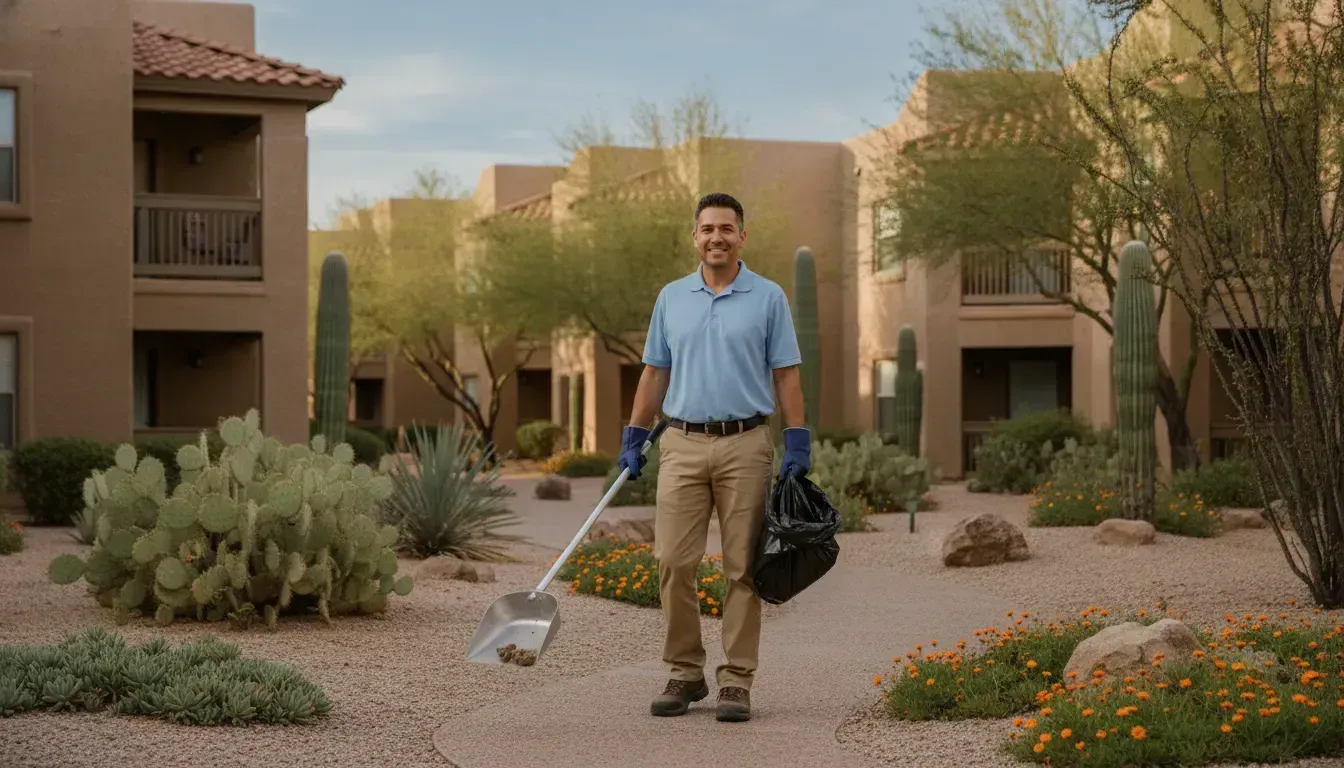
A1 Pet Maintenance has served Southern Nevada since 1998. Its recurring pet waste removal approach helps homeowners, HOAs, and property managers keep accessible outdoor areas cleaner without overstating what cleanup can accomplish. The goal is straightforward: remove one manageable source of organic waste, then inspect the property for the food, water, shelter, and access conditions that deserve separate attention.
Why Does Dog Poop Attract Rats in Some Las Vegas Yards?
Dog waste can contribute to rat activity, but it is rarely the only or strongest reason a rat visits a property. Rats look for accessible food, water, shelter, and entry points. Removing waste promptly improves sanitation while a broader inspection identifies more dependable attractants and hiding places.
What makes unattended waste part of the problem?
Accumulated waste creates several avoidable concerns. It produces stronger odors, can attract flies, and makes it harder to notice other conditions around the yard. Waste hidden behind a shrub, fence line, play structure, or artificial turf edge may remain in place longer than a visible pile. Colorado State University Extension explains that flies are attracted to decaying organic matter, which is one reason prompt cleanup improves more than appearance.
Rat activity usually depends on a combination of conditions. Open trash, spilled kibble, outdoor bowls, leaking irrigation, dense groundcover, leaf piles, and gaps around buildings may offer more dependable food, water, or shelter than dog waste. The Oregon State University pest management guidance emphasizes sanitation and reducing places where rodents can hide. Cleaning up waste is a useful first step, not a complete pest-control plan.
Can dog waste affect a shared pet area?
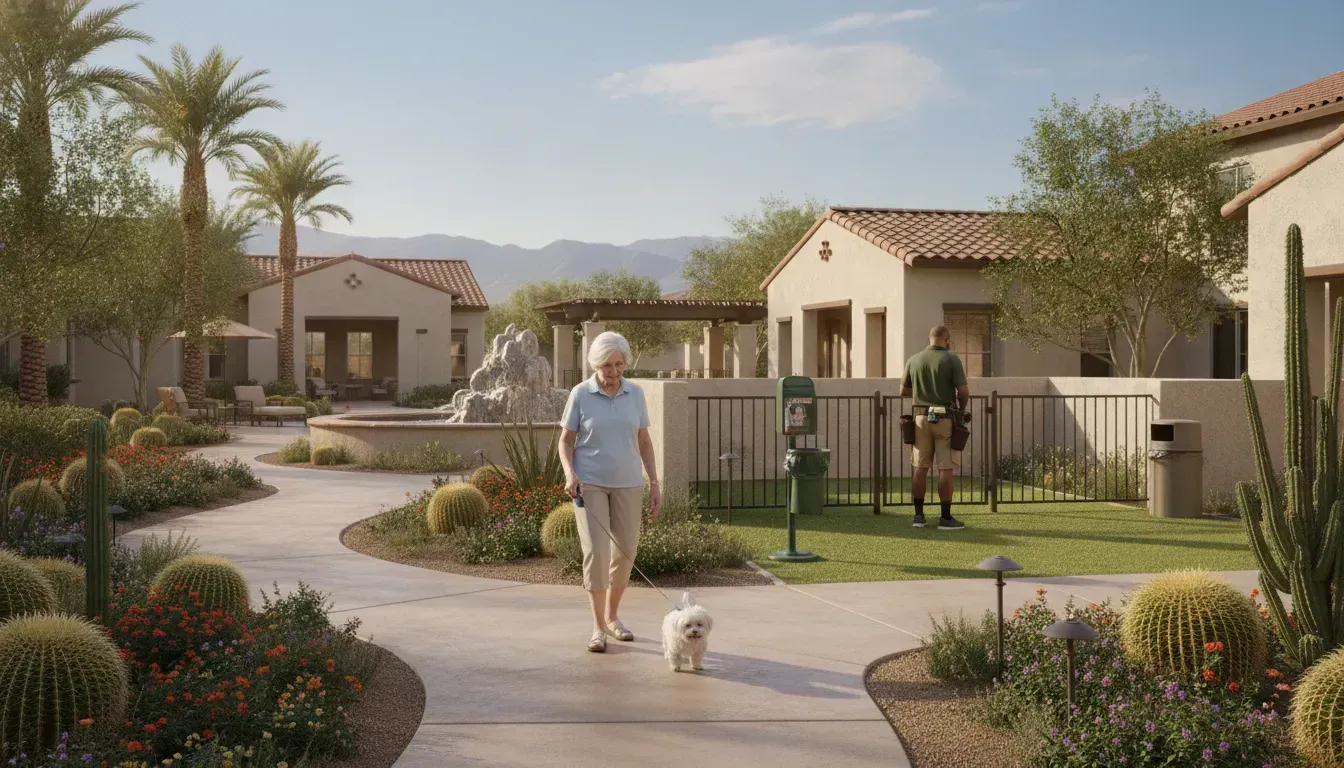
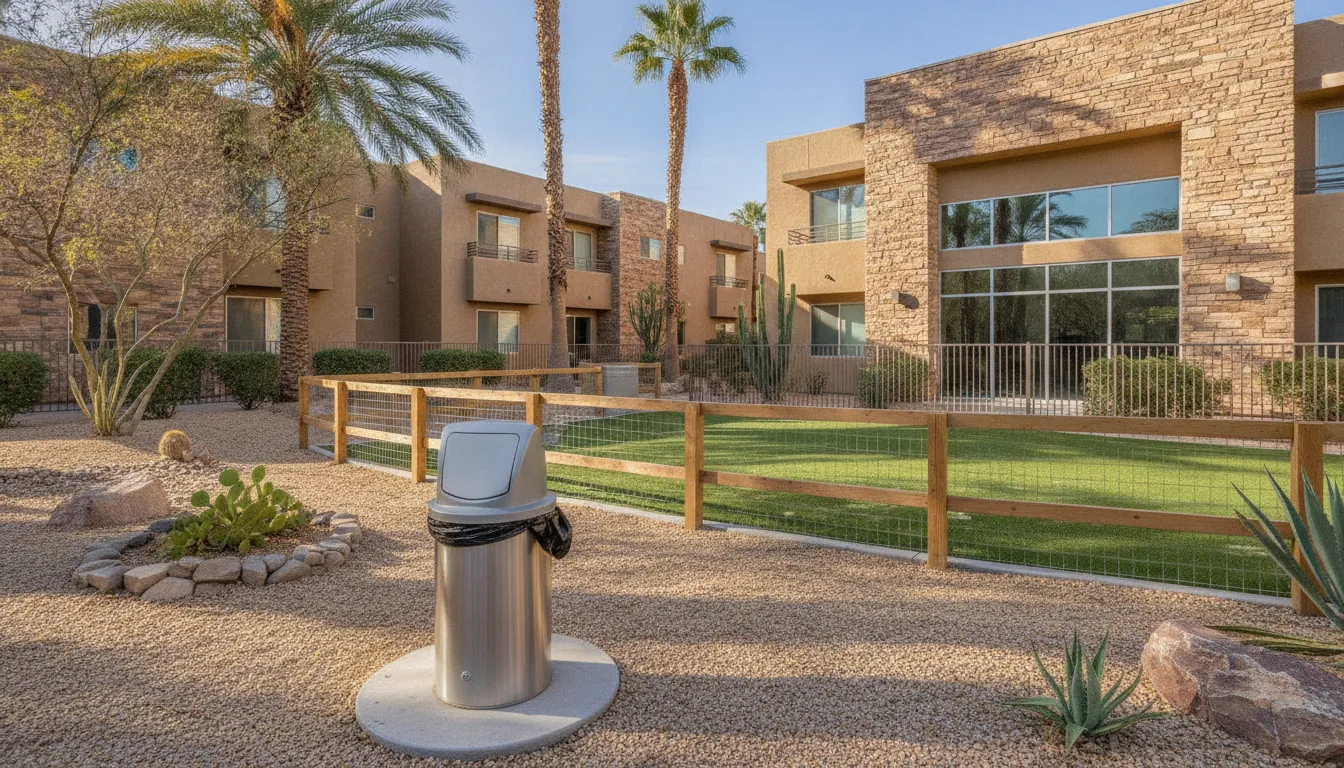
Yes, the concern can be more noticeable in an HOA, apartment community, condominium, or other shared property. A common dog run may receive waste from many animals every day. If collection is inconsistent, the total amount can build in shaded corners, along fences, and around turf or gravel. That buildup creates odor and fly complaints, reduces resident confidence in the property, and leaves one more organic material available to opportunistic pests.
Still, a waste hotspot is not proof of a rat infestation. Property managers should look at the complete setting. Check garbage enclosures, pet stations, landscape debris, standing water, storage areas, and building gaps at the same time. A dependable route for pet waste removal can improve the baseline, while a licensed pest professional should handle signs of active rodents or inaccessible contamination.
What If You Ask, Does Dog Poop Attract Rats?
Dog waste may contribute to rat activity, but it is only one factor. Rats also need accessible food, water, shelter, and entry points. The CDC recommends reducing those conditions, so inspect the whole property rather than assuming one cleanup will remove every rodent.
Which food and water sources should you remove?
Bring outdoor food and water bowls inside after use, especially overnight. Store kibble in a tightly sealed container rather than an open bag in a garage or shed. Sweep up spilled food, keep birdseed from accumulating beneath feeders, and use trash cans with tight-fitting lids. Clean residue from outdoor cooking areas and avoid leaving food scraps in open containers.
Water can be just as important. Repair dripping hose connections, broken irrigation heads, and leaking spigots. Empty containers that collect water after irrigation or rain. Improve drainage around low spots where practical. Removing food and water does not guarantee that rodents will disappear, but it reduces the reasons for them to revisit the yard.
Where can rats find shelter?
Leaf piles, deep mulch, dense vegetation, firewood, discarded materials, and clutter beside a wall can provide cover. The EPA's rodent prevention guidance recommends removing potential nesting sites such as leaf piles and deep mulch. Keep vegetation managed near structures and raise stored materials where appropriate. Do not create a dark, undisturbed pocket around a trash enclosure, gate, air-conditioning unit, or shed.
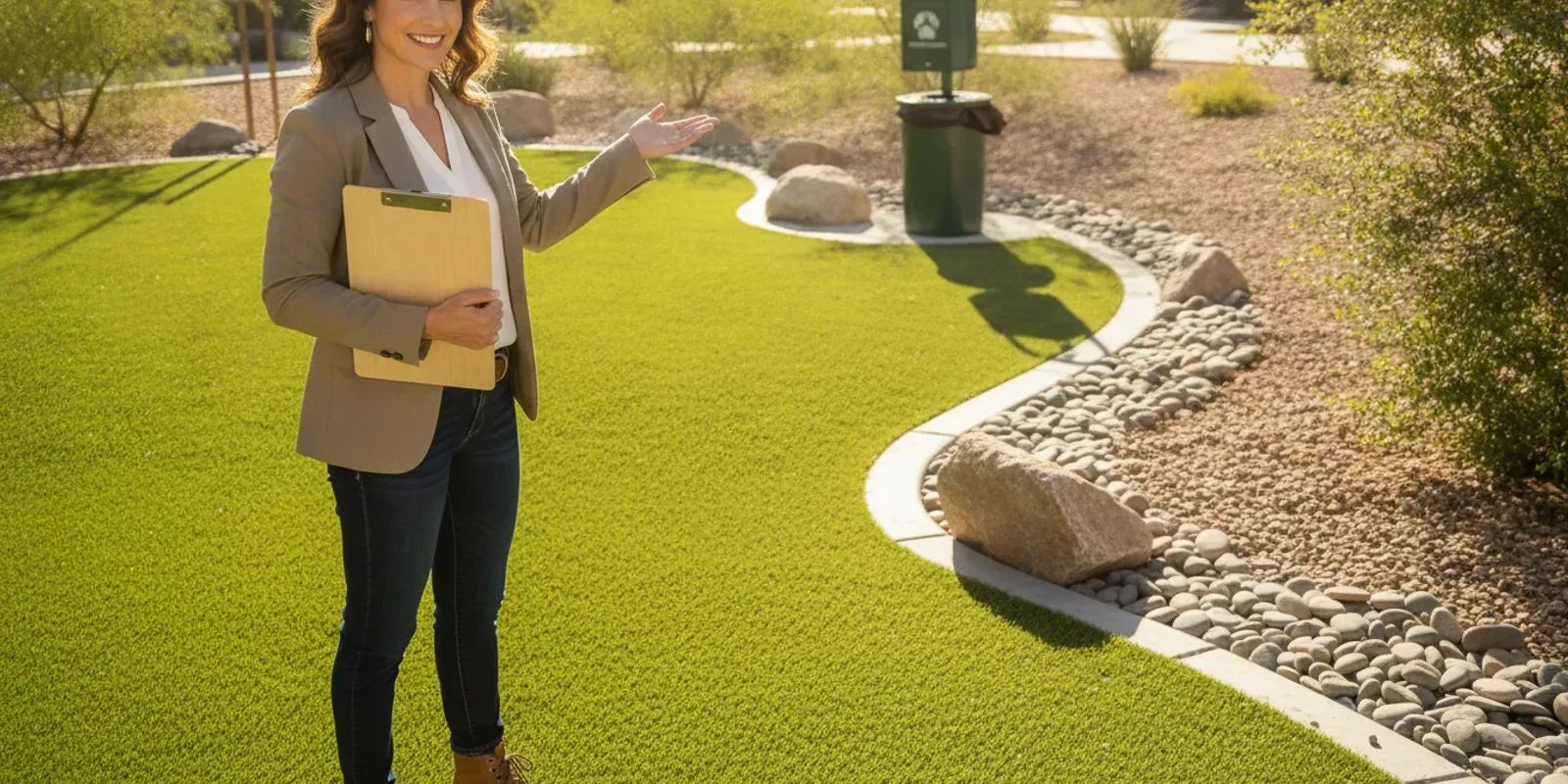
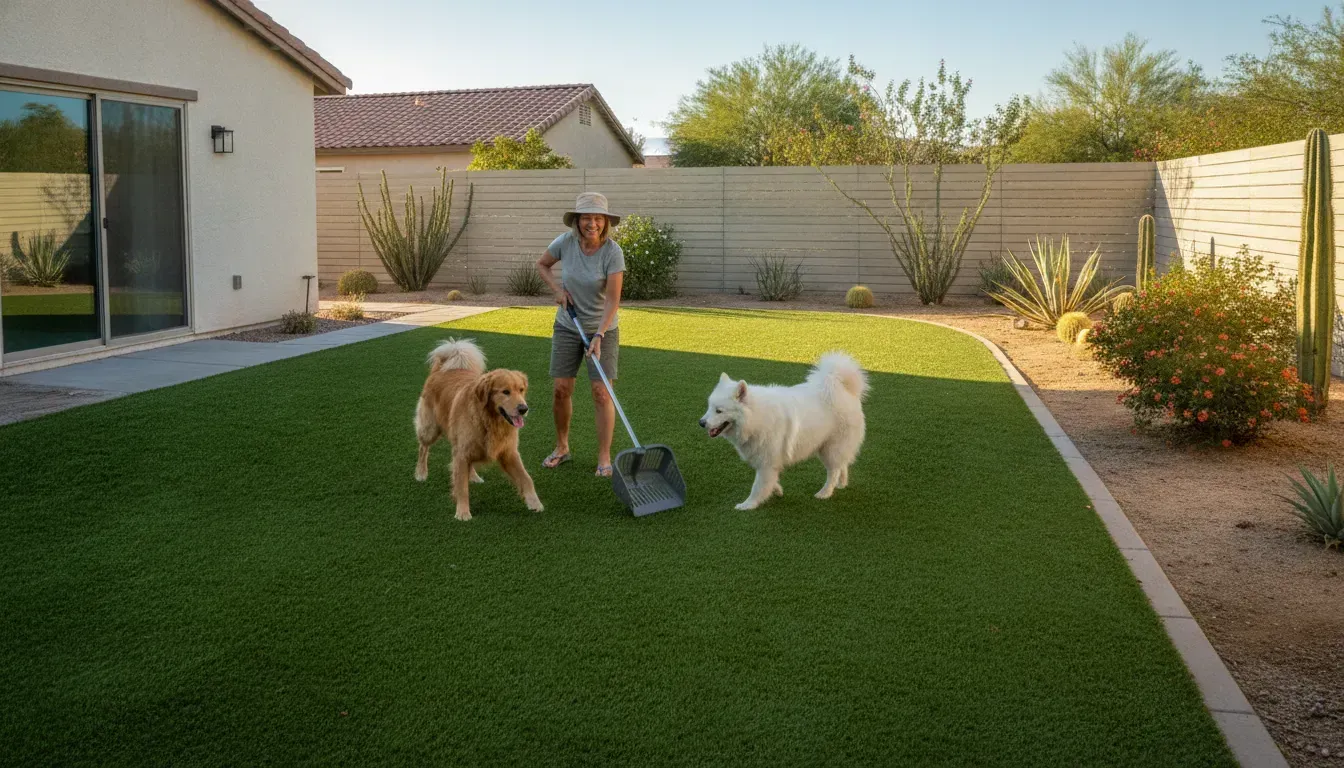
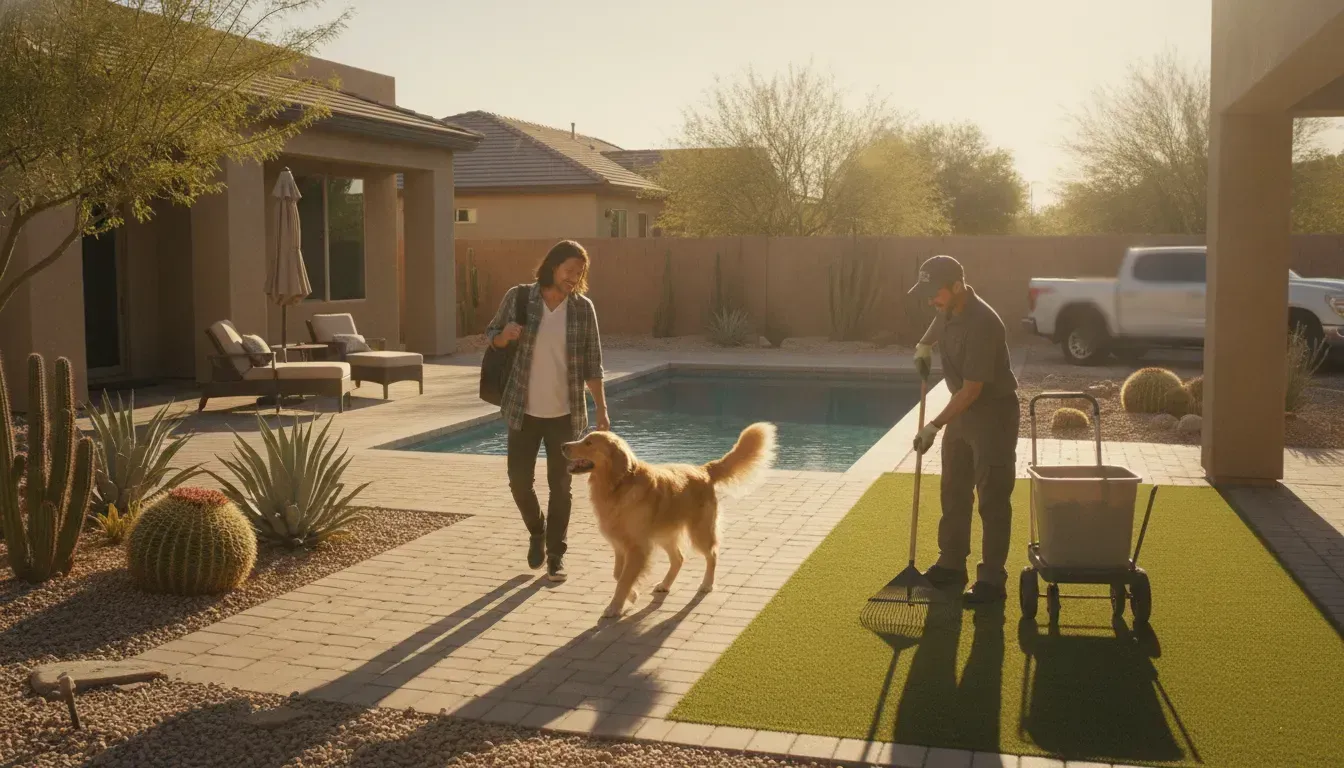
Artificial turf deserves a closer look because visible waste can be removed while odor or residue remains around fibers and infill. A1 Pet Maintenance provides artificial grass cleaning and maintenance for pet areas. That service supports sanitation and odor control, but it is not a replacement for pest treatment when rodents are active.
How do entry gaps change the risk?
A tidy yard cannot prevent rodents from entering through an opening in a structure. Inspect door sweeps, foundation joints, utility penetrations, vents, and gaps around pipes. The CDC notes that mice can fit through an opening about one-quarter inch wide, approximately the width of a pencil. Seal suitable gaps with durable materials and use hardware cloth where ventilation must remain open.
Look for evidence such as droppings, gnaw marks, nesting material, or a repeated path along a wall. Those signs call for pest-control evaluation. Pet waste cleanup can make the exterior easier to inspect, but it does not remove rodents from walls, attics, crawl spaces, or other inaccessible areas.
How Should You Clean Up Dog Waste to Reduce Pest Pressure?
A consistent routine removes exposed waste before it can accumulate and makes other sanitation issues easier to find. It also supports cleaner stormwater. The EPA explains that runoff can carry pet waste, nutrients, and bacteria into streams and other waterways. Avoid washing waste toward a storm drain, and follow local disposal requirements.
What is a practical cleanup routine?
- Walk the full area. Inspect fence lines, landscaping edges, shaded corners, gravel, areas behind furniture, and artificial turf. Do not collect only the piles that are easiest to see.
- Bag waste securely. Use a sturdy bag, tie it closed, and place it in a covered container. Do not leave tied bags beside a path, planter, pet station, or shared lawn.
- Check nearby attractants. Look for uncovered trash, spilled pet food, outdoor bowls, standing water, leaf piles, deep mulch, and clutter. Record recurring hotspots instead of relying on memory.
- Clean contaminated surfaces appropriately. Remove solids before cleaning concrete or other washable surfaces. On synthetic turf, use a method suitable for the turf and drainage system. If odor remains, consider deeper sanitation rather than masking it with fragrance.
- Repeat on a defined schedule. Set a daily household check or a documented route for shared spaces. Increase inspections in high-traffic dog areas and after periods when service was missed.
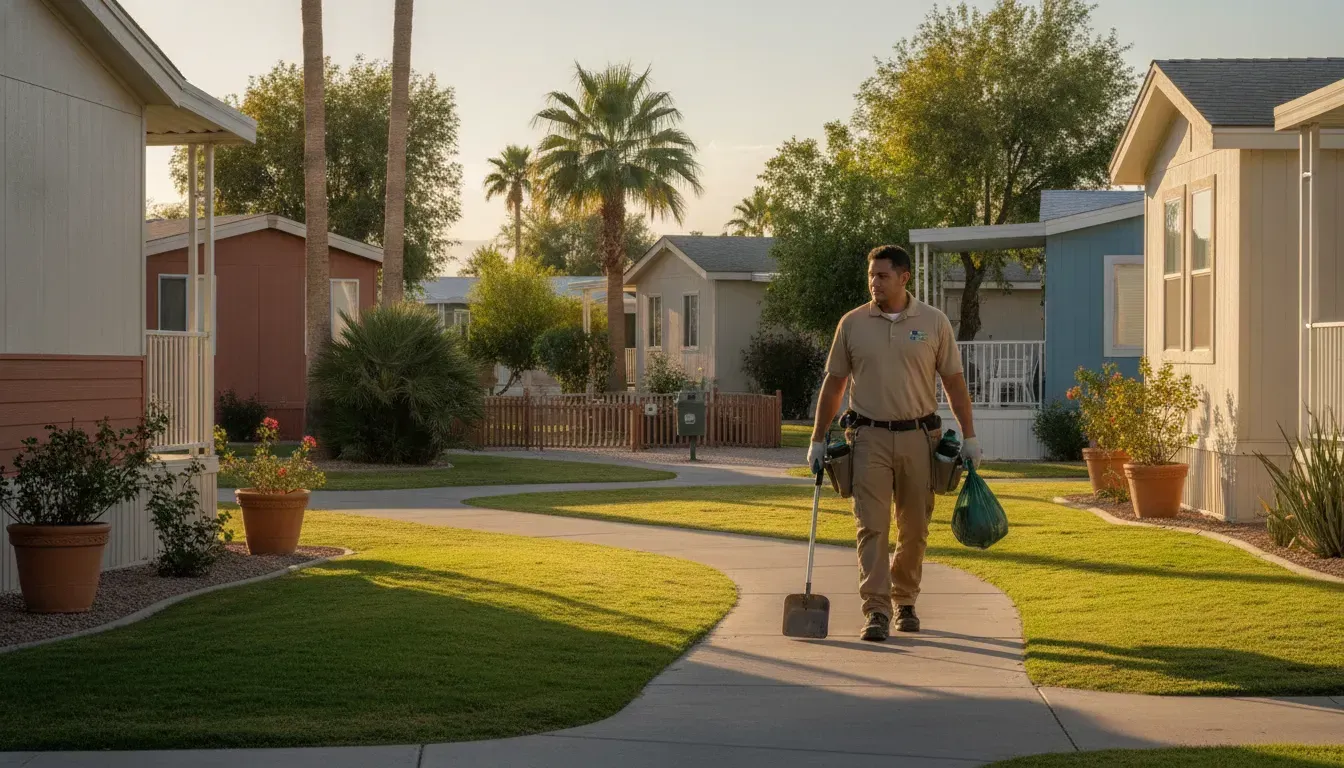
Regular collection is especially important in the hot Las Vegas climate because odors and residue become noticeable quickly. A documented route also helps an HOA or property manager show that the common area is being maintained consistently. This is practical sanitation, not extermination.
When accumulation has already become difficult to manage, A1's one-time cleanup service can provide a reset for a residential or commercial property. After the reset, weekly or bi-weekly service can help maintain a more predictable baseline.
How Can HOAs and Property Managers Prevent Waste Hotspots?
Shared properties need a system rather than occasional attention after a complaint. A manager can reduce waste-related sanitation concerns by mapping pet areas, assigning a service route, keeping stations supplied, and recording the conditions that need follow-up. This approach recognizes that dog waste is one part of the environment, not a guaranteed cause of rodent activity.
Which areas deserve scheduled inspection?
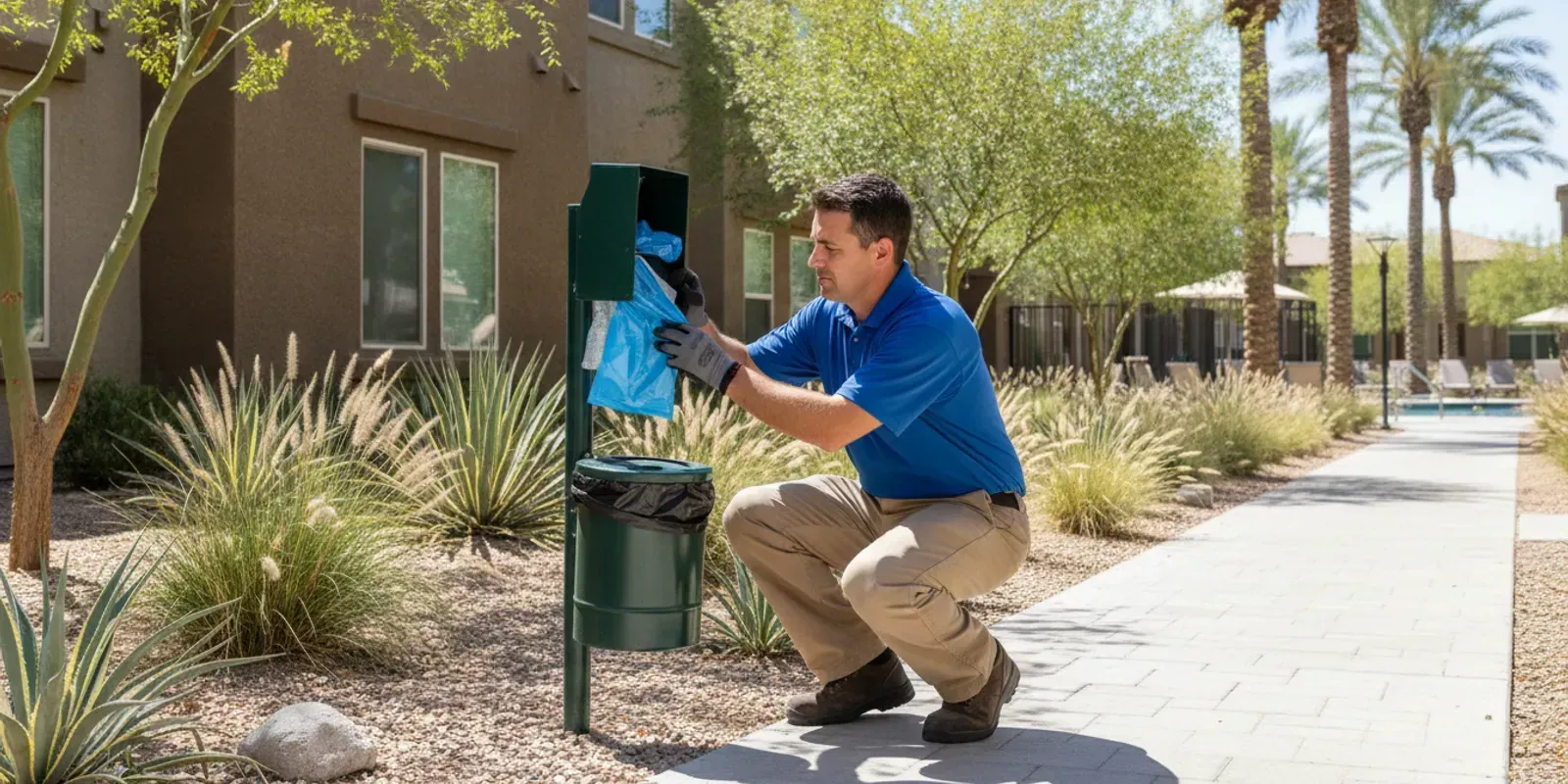
Start with dog runs, greenbelts, shaded landscaping, fence edges, entrances, and the space behind pet-waste stations. Add trash enclosures, irrigation equipment, mulch beds, and building perimeters to the same route. A technician or maintenance employee should note full bins, missing bags, standing water, damaged lids, and evidence of rodents.
Dog waste prevention priorities by property typeManagement areaSingle-family yardShared property or HOAWaste collectionPick up promptly, including hidden corners and edges.Use a recurring route based on pet traffic and accumulation.Stations and binsKeep one covered bin and bag supply near the normal route.Place stations at dog areas and entrances, then check supplies on a set schedule.Property inspectionCheck bowls, trash lids, landscaping, clutter, and gaps.Document dog runs, greenbelts, trash enclosures, mulch, leaf piles, and entry points.Resident communicationUse simple reminders about pickup and covered disposal.Explain pet-area rules, report full stations quickly, and coordinate maintenance follow-up.
How should managers coordinate service providers?
A pet waste company can handle accessible waste and keep a route consistent. A pest-control specialist is the right provider for active rodents, exclusion work, or inaccessible contamination. Managers should keep those responsibilities clear so residents do not assume a cleanup visit includes extermination.
For Las Vegas HOAs and property managers, A1 Pet Maintenance can handle accessible pet-waste cleanup through a one-time reset or recurring sanitation route for dog runs, shared lawns, and turf areas. Review the Las Vegas commercial pet waste removal guide for community-maintenance context, the artificial turf cleaning guide for dogs when synthetic grass needs sanitation, or the professional dog poop removal service guide for the cleanup scope. A1 handles accessible waste and recurring sanitation; licensed pest-control professionals should handle active rodents, exclusion work, or contamination that cannot be safely accessed.
When Is It Time to Call a Pet Waste or Pest Professional?
The right call depends on what you see and where the issue is located. A pet-waste provider addresses accumulated dog waste, accessible odor, residue, and routine sanitation. A pest-control professional addresses active rodents, nesting, entry points, and contamination in inaccessible areas. These services can support each other, but they are not interchangeable.
When should you call for pet waste cleanup?
Consider professional help when waste is building faster than a household, porter, or maintenance team can remove it. A one-time cleanup is useful after a move, a missed service period, or a long-standing buildup. Recurring service is useful when the same route needs dependable attention every week or twice each week.
For pet owners comparing options, A1's dog waste removal service information explains the sanitation side of the work. The company has operated since 1998 and services more than 400 properties weekly, according to its customer context. Those facts support an experienced local positioning without suggesting that cleanup alone treats a rodent infestation.
 When should you call pest control?
Contact a qualified pest-control specialist if you find repeated droppings indoors, gnaw marks, damaged materials. Nesting debris, or rodents entering walls, attics, crawl spaces, or other areas that cannot be cleaned safely. The EPA's guidance on identifying and preventing rodent infestations can help property owners understand common signs.
Do not delay pest treatment while waiting for a cleanup visit. At the same time, keep accessible yards and shared pet areas on a dependable waste-removal schedule. The combination reduces sanitation problems and addresses active pest concerns through the appropriate provider.
Frequently Asked Questions
Does dog poop attract rats?
It can contribute to rat activity when left outdoors, but it is not always the primary attractant. Rats generally seek accessible food, water, shelter, and entry points. Uncollected waste can add organic material to an already unsanitary environment, especially when combined with open garbage, pet food, clutter, or standing water. Prompt removal is the practical response.
Will rats eat dog poop?
Rats may eat dog waste opportunistically, particularly when other food is scarce or difficult to reach. That possibility does not mean every yard with dog waste will develop a rat problem. Remove waste promptly, then inspect the property for more dependable food, water, and shelter sources.
Does dog poop scare off rats?
No. Dog waste should not be treated as a rat repellent. Leaving it in place can increase odor, attract flies, and contribute to poor sanitation. Colorado State University Extension notes that flies are attracted to decaying organic matter, so removing waste is a better practice than relying on it to discourage pests.
How can I stop rats from eating dog poop?
Pick up waste promptly, tie bags securely, and use a covered trash container. Then remove other opportunities, including accessible pet food, outdoor bowls, open garbage, leaf piles, deep mulch, standing water, and clutter. If you find indoor signs or rodents in inaccessible areas, contact a qualified pest-control specialist.
How fast can dog waste attract rats?
There is no dependable timeframe. Rat activity depends on nearby food, water, shelter, entry points, and existing populations. Rather than waiting for a specific number of days, make waste removal part of the regular routine. A consistent schedule is more useful than a guess about when a rat might appear.
Ready to Keep Your Las Vegas Property Cleaner?
A cleaner yard starts with removing accessible waste and continues with routine inspections of food, water, shelter, and building-entry conditions. A1 Pet Maintenance can help homeowners, HOAs, and property managers with one-time cleanup or recurring pet waste removal. Pest-control concerns should be directed to a qualified pest professional.
Call A1 Pet Maintenance at (702) 521-2624 to arrange service.