Pooper Scooper Service Tucson: A Local Buyer Guide
This is a subtitle for your new post

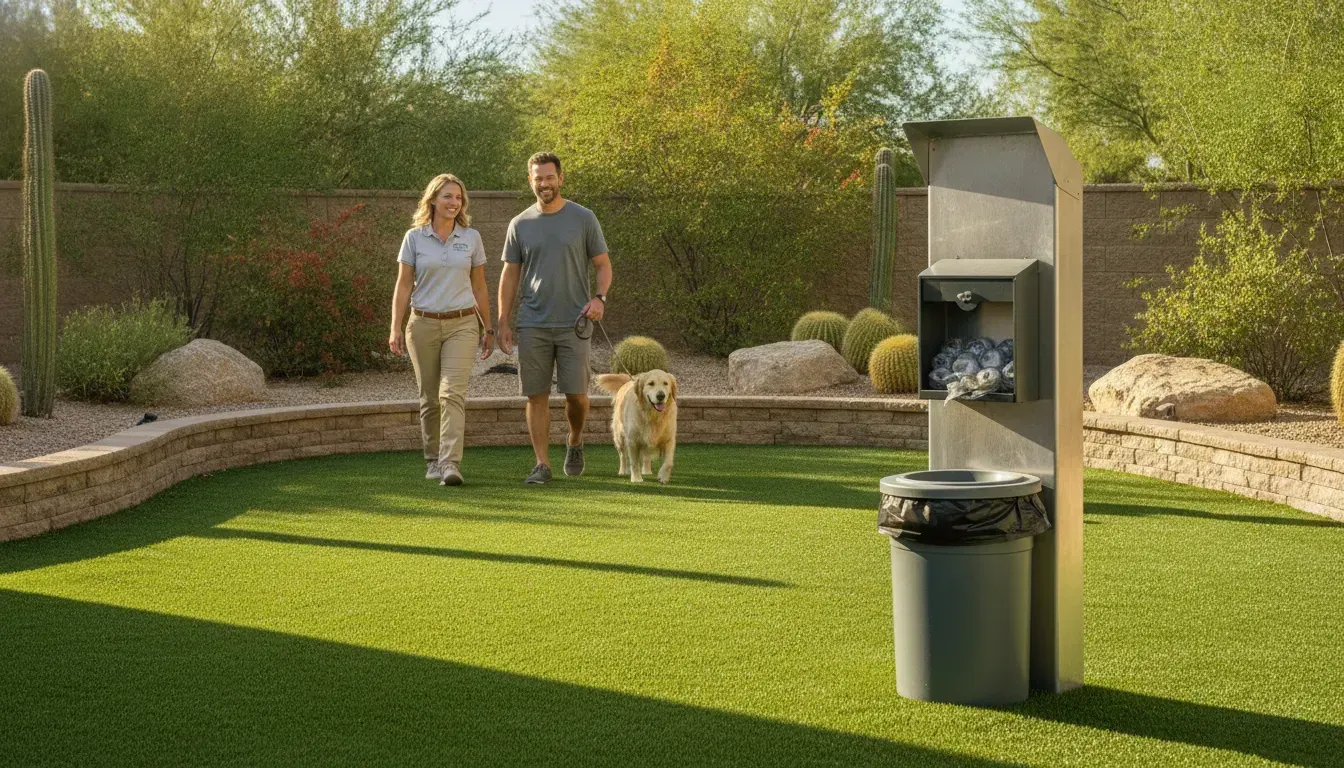
In Tucson, pet waste can accumulate quickly when heat, multiple dogs, or busy property schedules make cleanup easy to postpone. A pooper scooper service Tucson property owners can rely on may provide recurring weekly or twice-weekly visits, or a one-time cleanup when a yard or shared area needs a reset. The right choice depends on how much waste your property produces, who uses the space, and how consistently it must be maintained.
Quick answer: Recurring service suits homeowners seeking a dependable routine, HOAs managing common areas, apartment communities, and commercial properties with dog-friendly grounds. One-time service helps after accumulated waste, before guests or events, or before starting regular maintenance. Learn more about A1's one-time pet waste cleanup option as you compare the formats.
A1 Pet Maintenance has operated since 1998 and brings more than 26 years of experience to professional pet waste removal. The company services 400+ properties each week, with processes built around collection, bagging, hauling, and proper disposal. Tucson availability must be confirmed because this is an active expansion area, not a promise of coverage in every neighborhood.
The best plan starts with your property's needs: pets, traffic, accumulation between visits, access, and whether a manager or board needs a predictable schedule. The sections below explain the differences and planning questions for Tucson properties.
What Is a Pooper Scooper Service in Tucson, and Who Uses It?
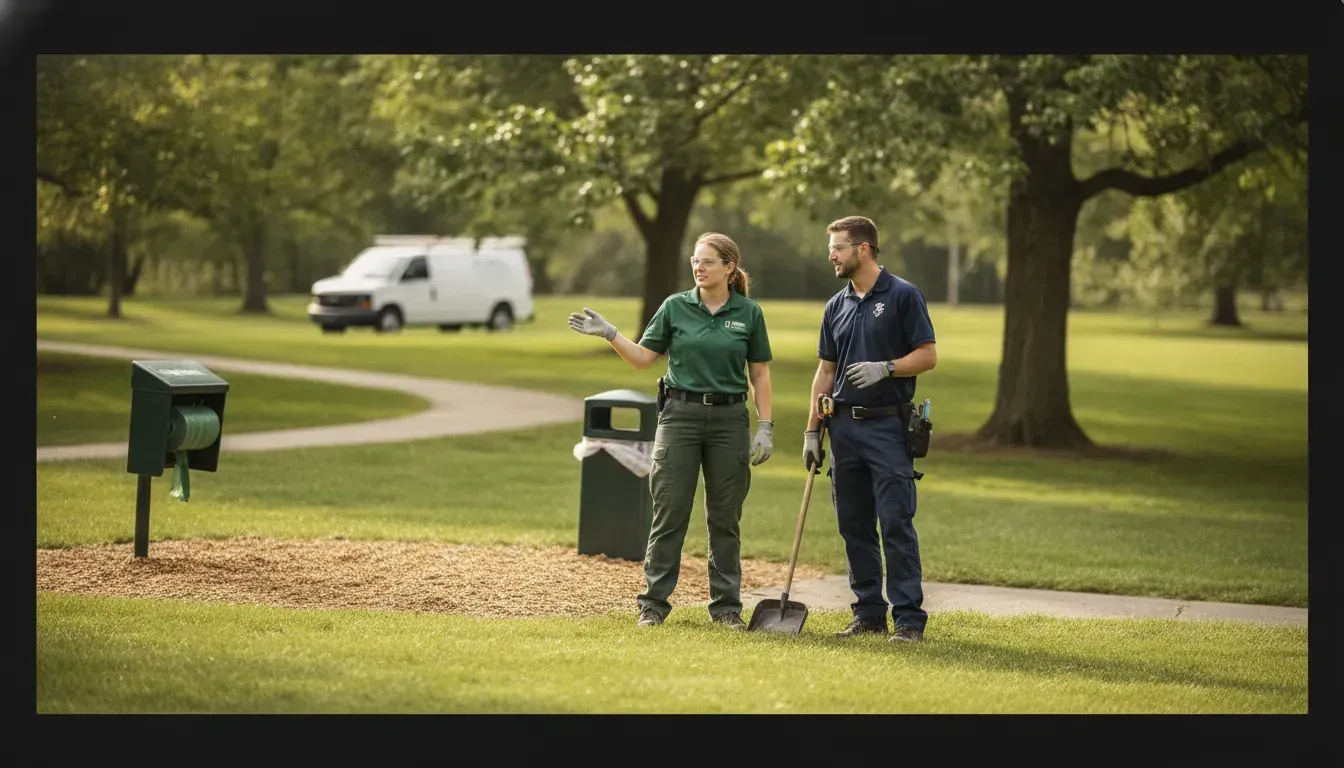
A pooper scooper service is a professional pet waste removal service that collects dog waste from a designated property, bags it, removes it from the site, and handles disposal. The goal is consistent outdoor sanitation without asking a homeowner, employee, or property staff member to manage the task themselves. For a fuller explanation of what a pooper scooper service entails, consider the work as routine grounds maintenance rather than an occasional chore.
Most service plans fall into two categories. Recurring maintenance provides scheduled visits, such as weekly or twice-weekly service, so waste does not accumulate between cleanups. The right frequency depends on the number of pets, the size and use of the property, and how quickly waste builds up. A one-time cleanup is different. It can reset a yard after missed maintenance, prepare an outdoor area for guests or an event, or address accumulated waste before a recurring schedule begins.
Homeowners with busy schedules
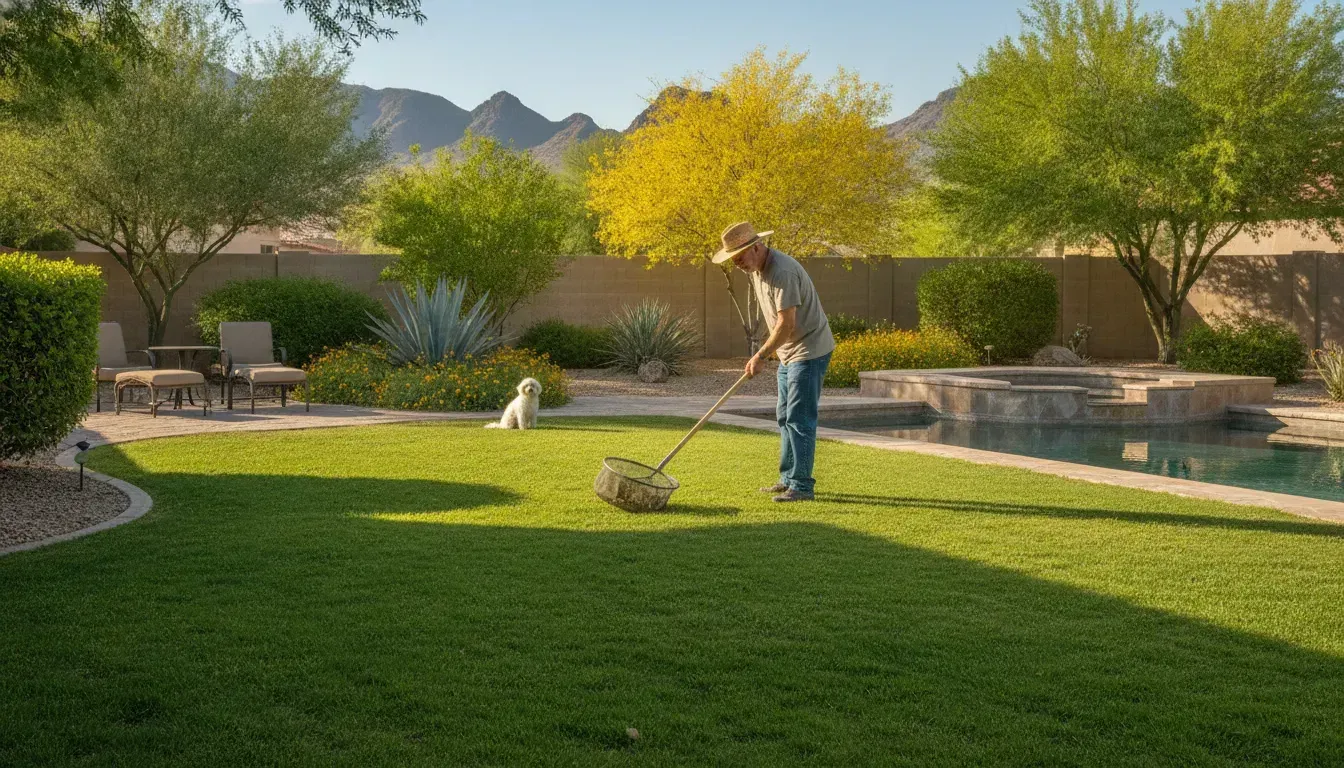
For a homeowner, the benefit is straightforward: a cleaner yard with less time spent searching for waste, carrying full bags, or trying to keep up during a busy week. Professional collection can also make it easier to maintain a consistent routine when a household has multiple dogs, limited mobility, travel plans, or a yard that is difficult to inspect thoroughly.
HOAs and community associations
HOA boards and community association managers often need a repeatable service for shared dog-relief areas, walking paths, and other common spaces. Their planning questions may include which areas are included, how often routes are completed, how residents report missed waste, and how access will be coordinated. A clear scope helps the board support cleaner shared spaces without treating resident expectations as an informal cleanup assignment.
Apartments and commercial properties
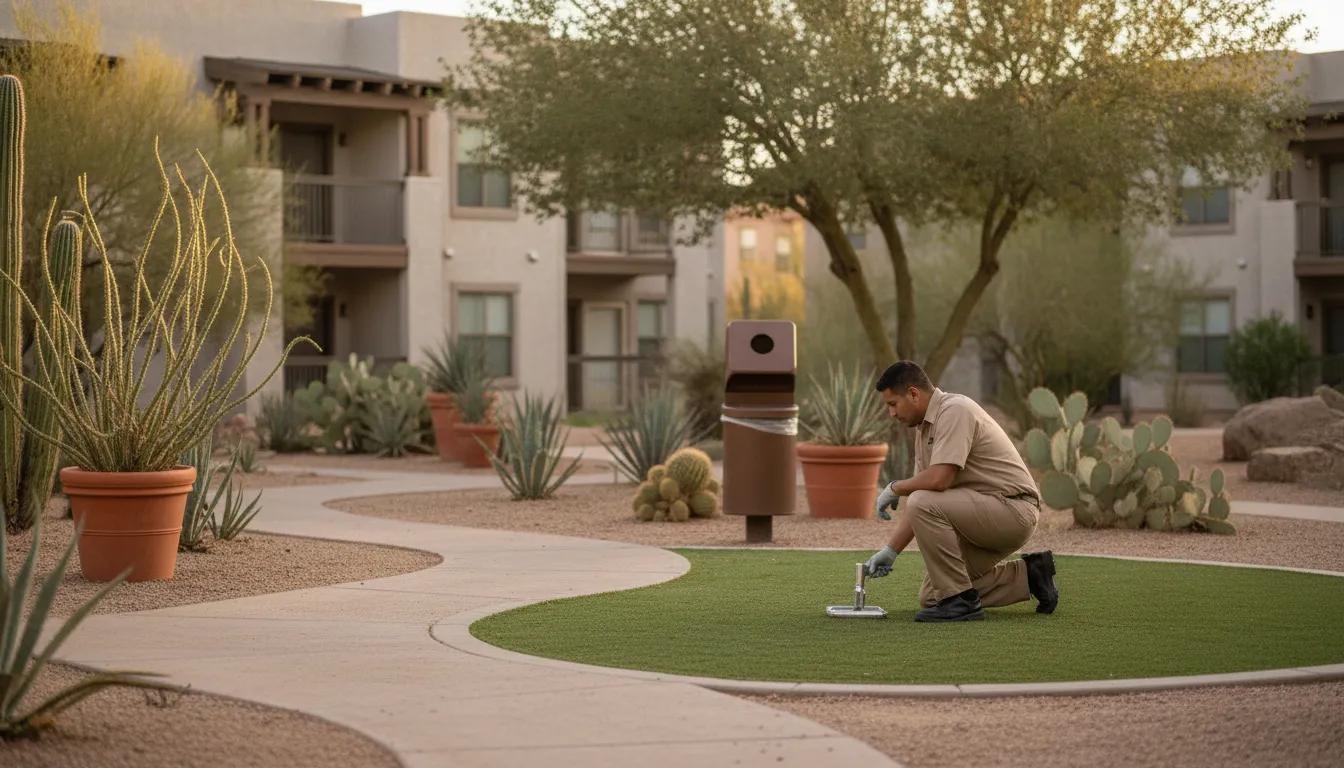
Apartment and multifamily managers may use service to support resident satisfaction and reduce recurring dog-waste complaints. Commercial managers may need maintenance for dog-friendly grounds, employee areas, customer-facing landscapes, or other defined outdoor spaces. These properties usually require more planning than a private yard, including service boundaries, gates, access procedures, waste stations, and communication with onsite staff.
A1 Pet Maintenance is an established Las Vegas-area operator expanding into Tucson, so availability should be confirmed for the specific neighborhood and property. Whether you need a one-time reset or a recurring maintenance plan, start by describing the site, its users, and the areas that need attention.
What Should You Look For in a Pooper Scooper Service Tucson Homeowners Can Trust?
A dependable provider should make waste removal feel predictable, not like another task you have to monitor. Before choosing a pooper scooper service Tucson homeowners can trust, ask how the company handles scheduling, yard access, collection, disposal, and communication. The answers will show whether the service is built around a consistent process or simply an occasional cleanup.
Is the route schedule clear and consistent?
Ask which days the team normally services your area and what happens when weather, holidays, or an unexpected delay affects the route. A recurring plan works best when the service day is clearly defined and the provider explains how schedule changes are communicated. You should also confirm whether the company offers the frequency your property needs, such as weekly, twice-weekly, or a custom schedule.
What exactly happens during each visit?
A professional visit should include more than a quick pass through the most visible part of the yard. Ask whether the team inspects the full service area, collects waste, bags it, removes it from the property, and disposes of it through an appropriate sanitation process. A1 Pet Maintenance describes its standard process as arriving on the scheduled day, inspecting and collecting waste, hauling it away, and using city-sanitation disposal. Understanding the process helps you compare service scope without relying on vague promises.
How will communication and property access work?
Confirm how you will receive updates, whom to contact with questions, and how missed access is handled. If a gate is locked, a pet is outdoors, or a special instruction applies, the provider should have a simple way to record and follow those details. Ask whether you need to be home and whether the team can service the yard when you are away. Clear access expectations protect both the homeowner and the service crew.
Can the company support your property and expectations?
Ask how long the company has operated, what types of properties it serves, and whether it carries appropriate business insurance. Experience with residential yards can be useful, but HOA or multi-family properties may require a more structured route plan and communication process. A1 Pet Maintenance has operated since 1998 and reports servicing more than 400 properties weekly. Those details can help establish operating experience, while Tucson homeowners should still confirm current availability for their neighborhood.
Finally, request a clear explanation of what is included, how accumulated waste is handled, and how to adjust or pause service. A trustworthy provider will answer these questions directly and confirm availability before you commit. That transparency is often as important as the cleanup itself.
How Do Weekly, Twice-Weekly, and One-Time Cleanups Compare?
The right cleanup schedule depends on how quickly waste accumulates, how often people and pets use the property, and whether you want ongoing maintenance or a fresh start. For Tucson homes, weekly service is a practical baseline for many households. Twice-weekly visits may make sense when several dogs share the yard, outdoor areas receive heavy use, or you want less time between cleanups. A one-time visit can address an immediate buildup without committing to a recurring schedule.
Cleanup frequency comparisonFrequencyBest fitStrengthsQuestions to askWeeklyHomes with one or a few dogs and consistent yard useSupports a steady routine and reduces the owner's cleanup burden.Which day will service occur? What happens if the yard has heavier accumulation than usual? Is waste hauled away?Twice weeklyMulti-dog homes, high-use yards, or properties where a shorter cleanup interval is preferredAllows more frequent attention to waste and odor, while keeping outdoor areas more consistently maintained between visits.Can the route support two visits each week? Are both visits included in the service plan? How are gates and access handled?One-timeAccumulated waste, a neglected yard, guest preparation, or an event-related resetProvides a defined cleanup without an ongoing schedule. It can also be a useful reset before starting recurring maintenance.How is the price determined? What level of accumulation is included? Will the provider recommend a recurring schedule afterward?
When does weekly service make sense?
Weekly cleanup works well when the goal is steady maintenance rather than waiting for waste to become a larger project. A scheduled visit gives homeowners a consistent way to keep the yard usable and removes the task from the weekly household list. It also makes service easier to plan because the provider can assign a regular route day and confirm access expectations in advance.
When is twice-weekly service worth considering?
Twice-weekly service is a maintenance choice for properties with more frequent use or faster accumulation. Tucson's heat can make odor and buildup a practical concern, so some property owners prefer a shorter interval. The best schedule still depends on the number of pets, yard size, access, and how the space is used. Ask for a schedule based on those conditions rather than assuming every property needs the same frequency.
When should you choose a one-time cleanup?
A one-time cleanup is useful when you need the yard ready for guests, want to recover after falling behind, or are preparing to begin recurring service. A1's publicly documented one-time cleanup range is $50-$150, based on yard size and accumulated waste. That is an A1-specific published range, not a standard for the Tucson market. Review the one-time pet waste cleanup details and ask what your property requires before scheduling.
For a recurring plan, compare the service interval with your property's actual use. For a one-time visit, clarify the scope and condition of the yard. In either case, confirm availability for your Tucson address and make sure the plan includes collection, bagging, hauling, and disposal expectations.
How Can Tucson Heat Change Your Cleanup Routine?
Tucson's hot, dry conditions make timing an important part of yard maintenance. Waste that sits between cleanups can become more noticeable through odor and visible buildup, especially in a smaller yard, a busy dog-relief area, or a property with several pets. Heat does not create a single required schedule for every household, but it is a practical reason to assess how quickly waste accumulates and whether your current routine is keeping up.
Start by watching the condition of the property rather than relying only on the calendar. If odor becomes apparent, waste is easy to spot along walkways, or a dog-relief area is receiving heavy use, a longer interval may not be serving the space well. Weekly service may be appropriate for some homes, while a household with multiple dogs, frequent outdoor use, or a shared area may need attention more often. A one-time cleanup can also reset a yard after accumulated waste, followed by a schedule that is easier to maintain.
Why does prompt removal matter for sanitation?
Pet waste is a sanitation concern as well as an appearance issue. The Centers for Disease Control and Prevention explains that pet waste can harbor parasites and bacteria. Its guidance also explains that proper disposal helps reduce the possibility of disease transmission to people and pets. You can review its guidance on healthy pet care guidance. This information supports prompt collection and disposal, but it is not a diagnosis or a substitute for veterinary advice.
Runoff is another reason to think about where waste is collected and discarded. The U.S. Department of Agriculture notes that pet-waste disposal systems can help protect water quality. Its water-quality guidance reinforces the value of using a consistent disposal process instead of leaving waste in outdoor areas where it can be carried away by rain or irrigation.
For Tucson homeowners and property managers, the practical goal is consistent maintenance: inspect high-use areas. Choose a frequency that matches accumulation, and make sure collected waste is bagged and removed properly. Sanitation reduces avoidable exposure and supports a cleaner outdoor space, but no cleanup schedule can guarantee the absence of health risks. When conditions change, review the service frequency and site scope with the provider.
What Do HOAs, Apartments, and Commercial Properties Need to Plan?
For a shared property, pet waste service works best when the scope is defined before a proposal is written. A board or manager should map the areas residents, tenants, guests, and staff use, then identify where waste is most likely to accumulate. That planning gives the service provider a practical route and gives the property a clear standard for ongoing maintenance.
Which areas should be included?
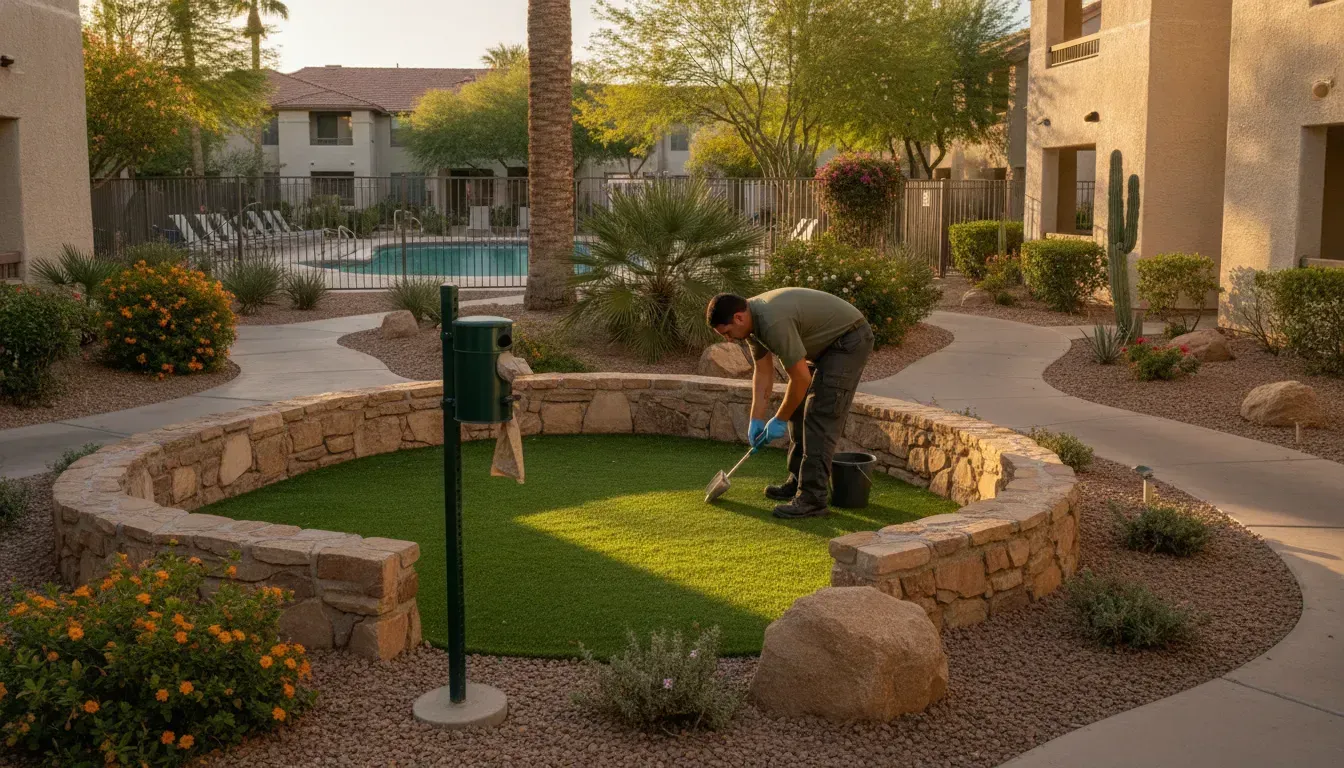
Start with dog-relief areas, pet walking paths, grassy courtyards, playground perimeters, sidewalks, and any other common space where pets regularly travel. Apartment and HOA teams should also note enclosed dog parks, waste stations, turf areas, and corners that are difficult for maintenance crews to reach. Commercial properties may need a different scope if pets are present only around an entrance, outdoor seating area, office campus, or designated relief space.
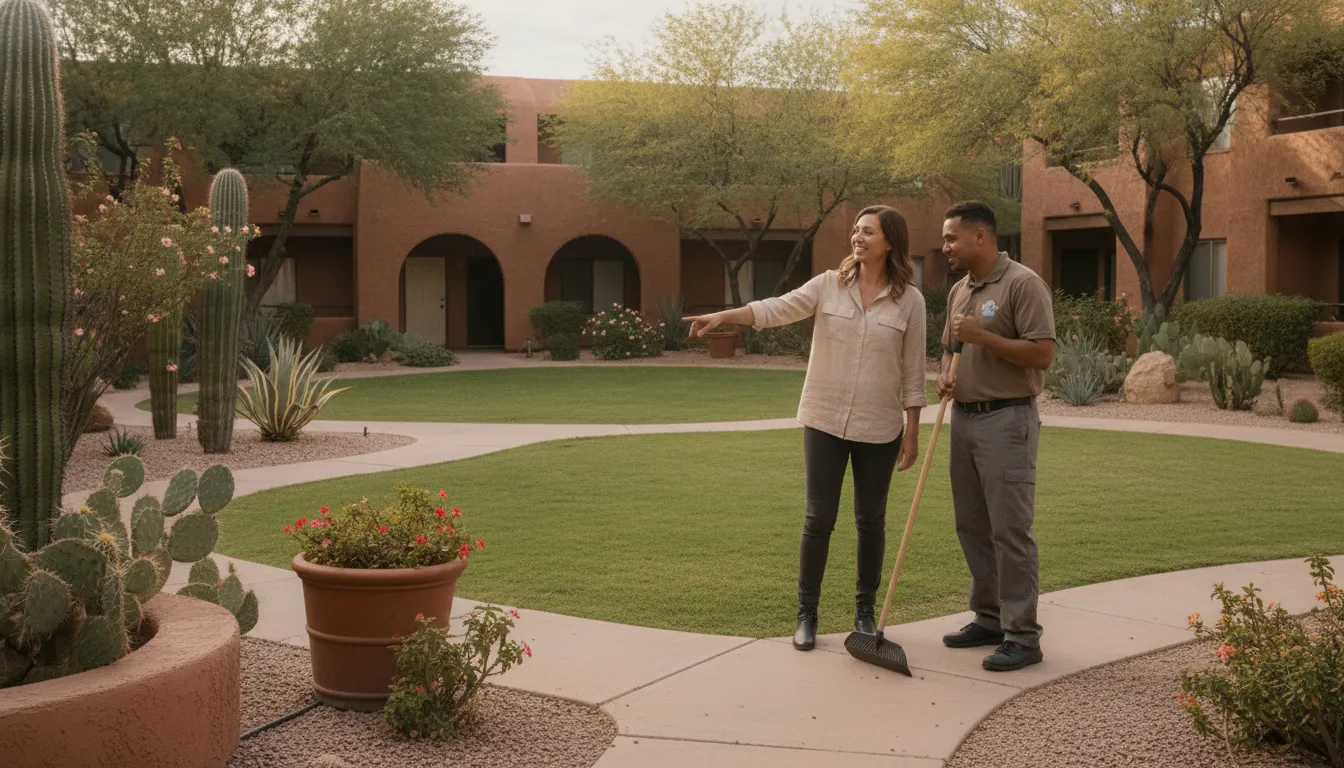
Do not assume every open area needs the same frequency. A heavily used dog park may need more frequent attention than a lightly used courtyard. Listing each zone separately helps the property compare a focused proposal with a full-property plan without leaving expectations unclear.
What operational details should managers clarify?
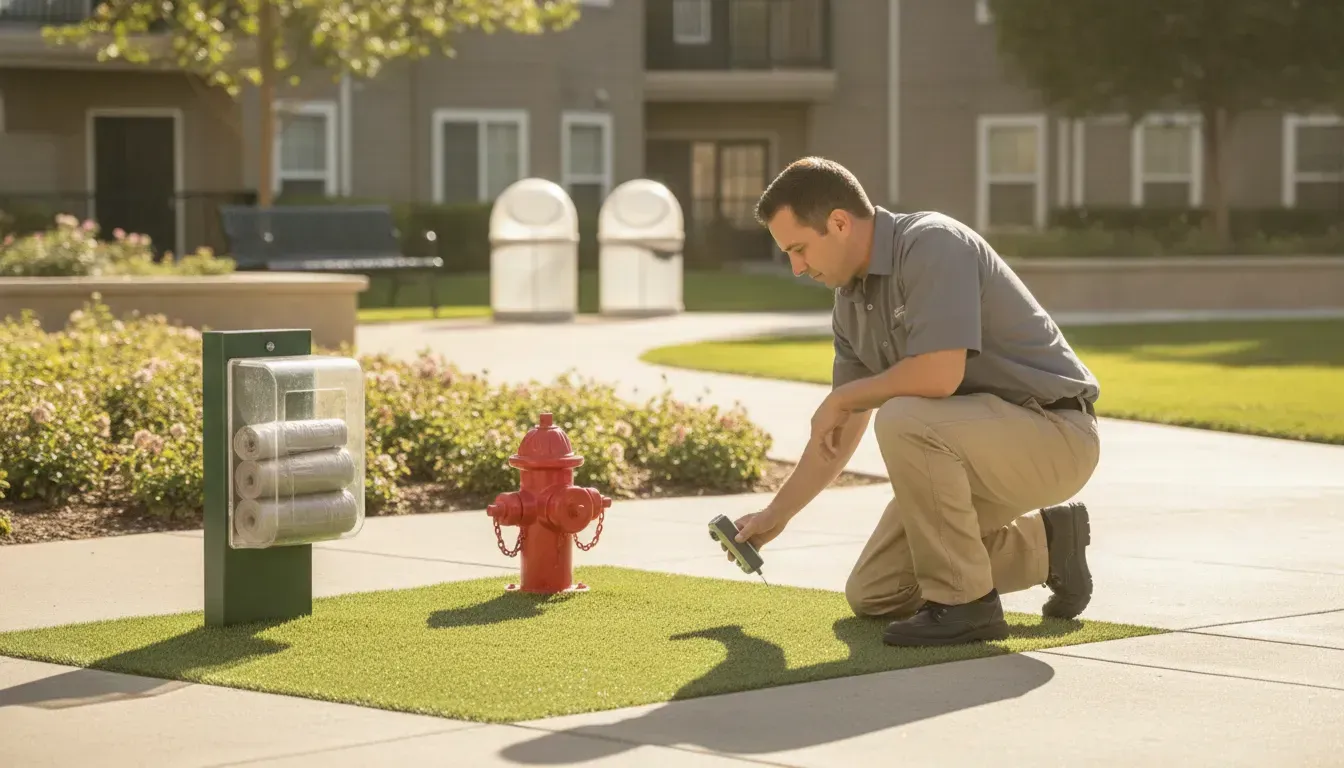
- Stations and supplies: Identify the location and condition of waste stations, bags, receptacles, and disposal points. Ask whether station service or supply replacement is included or priced separately.
- Access: Provide gate codes, parking instructions, restricted-area details, and a contact for days when access changes. Clear access instructions reduce missed visits.
- Schedule: Discuss weekly, twice-weekly, or custom service based on pet traffic, seasonality, and the property's cleanliness standard. The right schedule should be practical for the site, not selected from a generic package.
- Inspection and communication: Ask how completed areas are checked, how missed or inaccessible sections are reported, and who receives service updates. Establish the process for reporting a complaint or requesting a scope change.
What should a property-service proposal answer?
A useful proposal should identify the service areas, visit frequency, disposal responsibilities, access requirements, station expectations, and communication process. It should also state what is excluded, such as private patios, locked spaces, or areas requiring separate cleanup. Ask how the provider handles accumulated waste before routine service begins and how the plan can be adjusted if occupancy or pet use changes.
A1 Pet Maintenance has provided pet waste maintenance since 1998 for property managers, homeowner associations, multi-family properties, parks, and other community settings. Its commercial pet waste maintenance information describes proposal-based planning for community needs. For a Tucson property, confirm current availability and the specific service area before approving a recurring plan.
How Do You Choose the Right Service Plan for Your Property?
The right plan depends on your property's waste volume, use, access requirements, and how consistently you want the grounds maintained. Use this process to compare recurring and one-time service without committing to a schedule that does not fit.
- Confirm availability for your Tucson address. Tucson is an expansion market for A1 Pet Maintenance, so begin by confirming that service is available in your neighborhood and identifying the appropriate service contact for your property type. Availability should be established before you plan a route, resident notice, or event cleanup.
- Define the full site scope. Identify every area that needs attention, including private yards, dog-relief areas, shared lawns, walkways, pet stations, and any other designated spaces. Homeowners may need one yard assessed, while an HOA, apartment community, or commercial property may need multiple zones included in the service plan. Note areas that are off-limits or require special instructions.
- Choose the frequency that matches use. Recurring service is a practical fit when waste is produced continually and the property needs consistent maintenance. Weekly or twice-weekly schedules may be appropriate starting points for some properties, while the best frequency depends on pet traffic, resident or customer use, weather, and the amount of accumulation between visits. A one-time cleanup can make sense after neglect, before guests or an event, or as a reset before recurring maintenance.
- Plan access in advance. Explain how the technician will enter the property, whether gates are locked, which access codes or instructions apply, and whether pets, residents, tenants, or staff will be present. Clear access procedures reduce missed visits and help keep service consistent. For larger properties, identify a site contact who can answer questions when conditions change.
- Ask how collection and disposal are handled. A complete service discussion should cover collection, bagging, hauling away, and sanitation-conscious disposal. Ask whether waste is removed from the property after each visit and whether pet stations or other designated areas are part of the agreed scope. This is especially important for shared grounds where staff and residents rely on a clear maintenance standard.
- Review the plan before it starts, then adjust it. Request a written summary of the included areas, planned frequency, access notes, disposal expectations, and communication process. After the first visits, review whether the schedule and scope are keeping up with actual use. A homeowner or property manager can then discuss a reasonable adjustment instead of allowing buildup or paying for areas that do not require service.
Frequently Asked Questions
How much does a pooper scooper service in Tucson cost?
Pricing depends on yard size, waste accumulation, visit frequency, access, and the property's scope. A1's published information lists $50-$150 for one-time cleanups based on yard size and accumulation. Ask for a site-specific estimate rather than treating that range as a general Tucson market price.
How often should a pooper scooper service visit?
Weekly service suits many homes and shared properties that need consistent maintenance. Twice-weekly visits may be a better fit for heavier use, multiple dogs, or faster buildup. A one-time cleanup can reset an overgrown yard, after which the schedule can be adjusted to the property's needs.
Does pooper scooper service in Tucson include sanitation?
It should include more than collection. A1's standard process includes inspecting the yard, collecting and bagging waste, hauling it away, and disposing of it through city-sanitation practices. The CDC notes that pet waste can harbor parasites and bacteria, so proper disposal matters for cleaner shared and private spaces: CDC healthy pet guidance.
Can pooper scooper services handle commercial properties in Tucson?
Yes, commercial plans can be scoped around property size, dog-relief areas, access, route frequency, waste stations, and reporting needs. HOAs, apartment communities, and business properties should identify who provides access and which common areas require service before requesting a proposal.
What is the difference between one-time and recurring poop scooping?
One-time service addresses accumulated waste, guest preparation, events, or a neglected yard. Recurring service creates a predictable maintenance routine and reduces the need for owners or staff to manage collection themselves. Choose one-time service for a reset, or recurring visits when consistent upkeep is the priority.
Ready to Choose a Cleanup Plan for Your Tucson Property?
Whether you need a one-time reset or a recurring schedule, a quick conversation can help clarify availability, service frequency, and the right scope for your property.
Call (702) 521-2624 TodayThe body content of your post goes here. To edit this text, click on it and delete this default text and start typing your own or paste your own from a different source.