Feral Cat Trap Rental Las Vegas for HOAs
Plan feral cat trap rental las vegas for an HOA with permission, resident communication, monitoring, care handoff, and a documented return process.

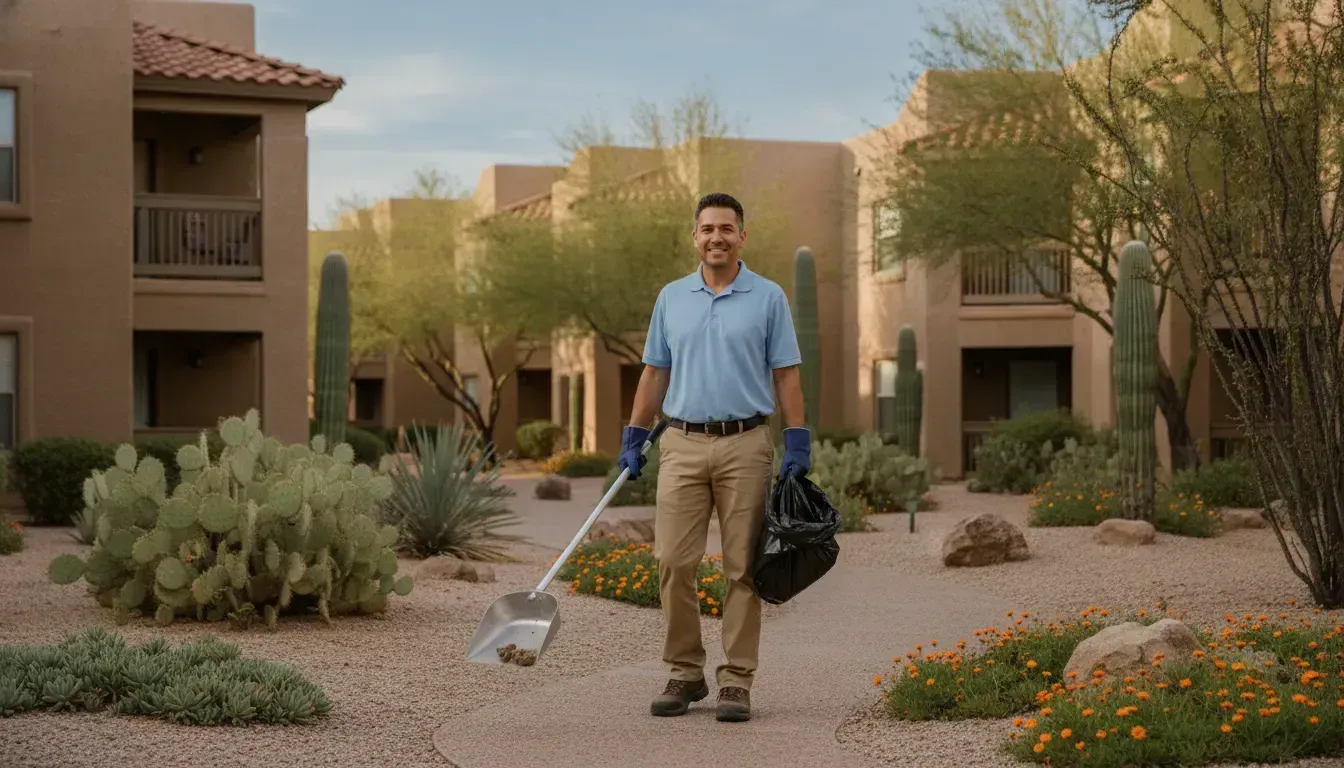
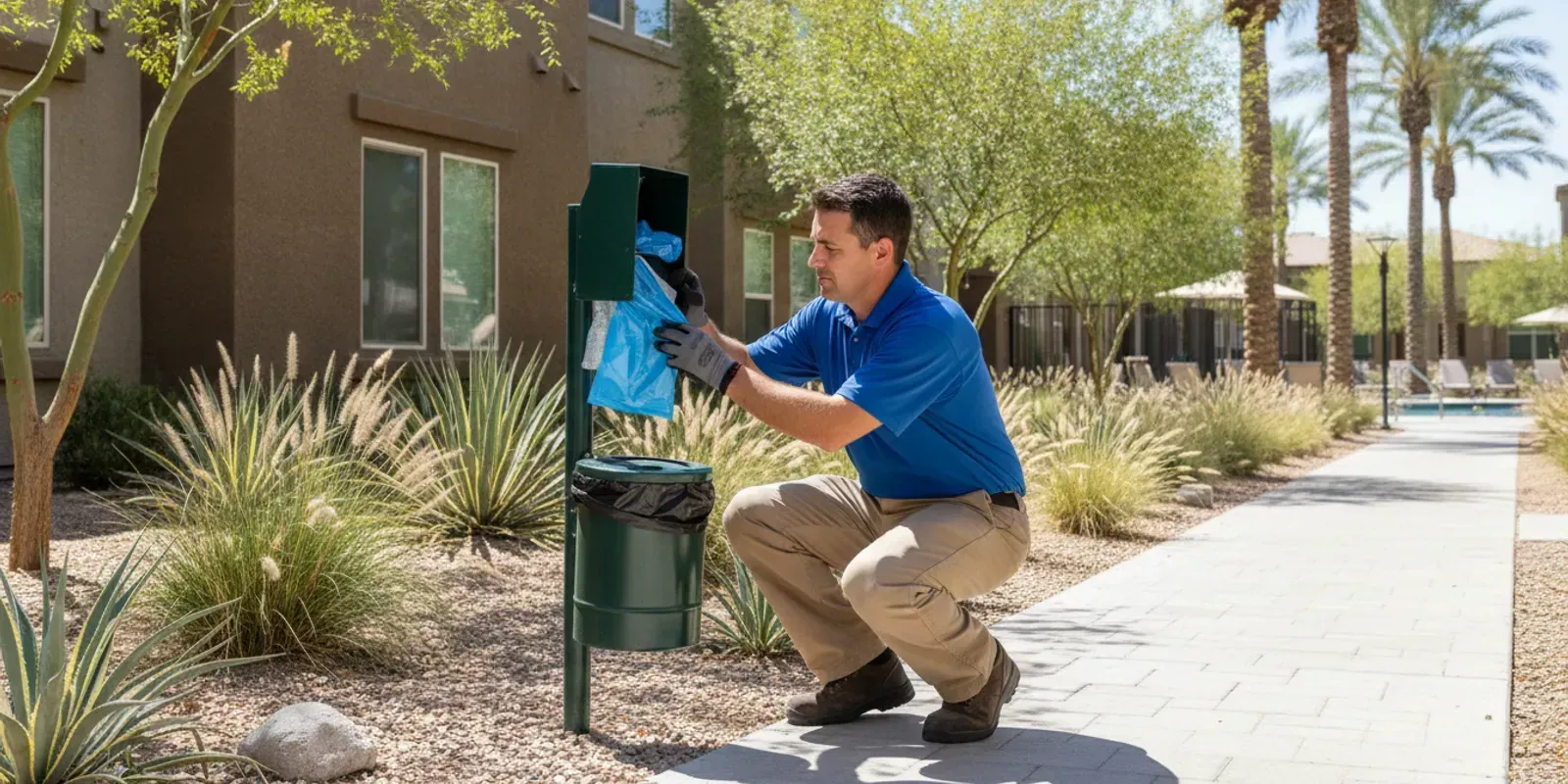
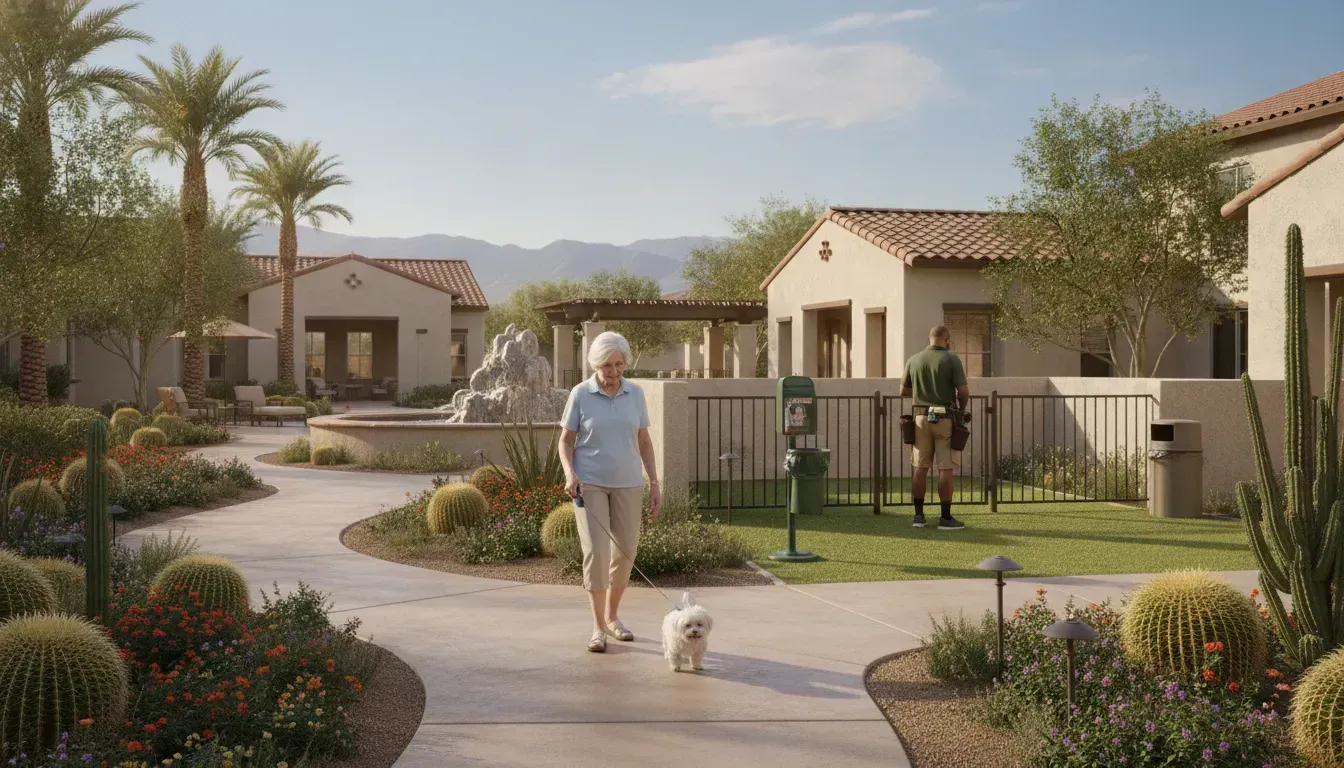
When an outdoor cat becomes a recurring concern in a condominium, HOA, apartment community, or master-planned neighborhood, the hardest part is rarely finding a trap. The real work is coordinating permission, resident communication, monitoring, and a responsible care handoff without turning shared space into a source of confusion.
Feral cat trap rental las vegas is most useful for an HOA or property manager when the community has a written placement plan. One accountable coordinator, a frequent monitoring schedule, and a confirmed veterinary or Trap-Neuter-Return handoff before the trap is set. A1 Pet Maintenance supplies humane cat traps, while the community and its chosen animal-care provider remain responsible for permissions, care decisions, and next steps.
Call A1 Pet Maintenance at (702) 521-2624 Today
This guide focuses on the shared-property decision process. It is not a substitute for veterinary, animal-control, or legal advice. A coordinated plan protects the cat, residents, staff, caregivers, and the board's ability to explain what happened.
Why Does Feral Cat Trap Rental Las Vegas Need a Shared-Property Plan?
A trap placed in a common area affects more people than the person who requests it. Residents may see the equipment, children or pets may approach it, and staff may need to know whether it can be moved during landscaping or maintenance. A board or manager should treat the rental as one part of a documented community-cat response, not as an unattended device.
Before approving a placement, identify the purpose. The goal may be to coordinate a sterilization appointment, transport an injured animal to a qualified provider, or support an established community-cat caregiver. The goal should not be to relocate a cat without a destination plan. Las Vegas Animal Protection Services advises arranging sterilization care before trapping and having the resources to manage the cat until care is available. Review the agency's current guidance before the board or manager sets a policy.
Write down the proposed location, responsible coordinator, monitoring schedule, emergency contact, and expected end date. If those details are unknown, delay the rental. A short delay is safer than leaving a captured cat in a common area while people search for a provider or debate who is responsible.
What does a rental provide, and what remains the community's responsibility?
A rental provides a humane capture device for a planned effort. It does not provide veterinary diagnosis, surgery, vaccination, shelter placement, animal ownership decisions, or a guarantee that a specific cat will enter the trap. The board or property manager should communicate that boundary clearly so residents do not assume the rental company is taking custody of every outdoor animal on the property.
The community's role is coordination. That includes approving an appropriate location, notifying affected residents, protecting the equipment from interference, and making sure a named person can respond when the trap closes. The caregiver or qualified animal-care provider handles care decisions. Separating those roles reduces delays and prevents a well-intentioned volunteer from being left with responsibilities they did not agree to accept.
What Should an HOA or Property Manager Confirm Before Renting?
Use a short approval checklist before ordering equipment. The checklist should be specific enough that a different staff member can understand the plan if the primary coordinator is unavailable.
- Who has authority? Confirm that the board, owner, manager, or authorized property representative approves the placement. A resident request alone may not authorize equipment in a shared courtyard, dog run, landscaped area, or access route.
- Who is accountable? Name one coordinator and one backup. The responsible people should know how to contact the rental provider and the care or TNR provider.
- Where will the trap go? Select a stable, discreet location away from gates, play areas, dog traffic, irrigation, vehicle paths, and routine maintenance. Confirm that the location can remain shaded and protected from weather.
- How will residents be informed? Prepare a brief notice explaining the purpose, dates, contact person, and instructions not to move, release, feed around, or interfere with the trap.
- What happens after capture? Confirm the provider, intake timing, transportation plan, and backup contact before setting the trap. A rental should not start while the handoff is still speculative.
- How will the effort close? Record the return date, cleaning requirement, equipment condition, and any follow-up communication needed for residents or staff.
Do not approve the placement if no one can monitor it frequently. The location is exposed to Las Vegas heat or direct sun, the equipment is damaged, or the property cannot prevent accidental interference. Ask a qualified animal-care provider for direction when the animal appears injured, severely distressed, owned, or otherwise outside the community's planned scope.
How Should a Las Vegas Community Prepare the Capture Area?
Choose a location based on the cat's established movement and the community's safety requirements. Avoid placing a trap where residents naturally cut through, where dogs are frequently walked, or where a landscaper could mistake the equipment for abandoned property. A discreet position can reduce attention, but it must remain accessible to the person responsible for frequent checks.
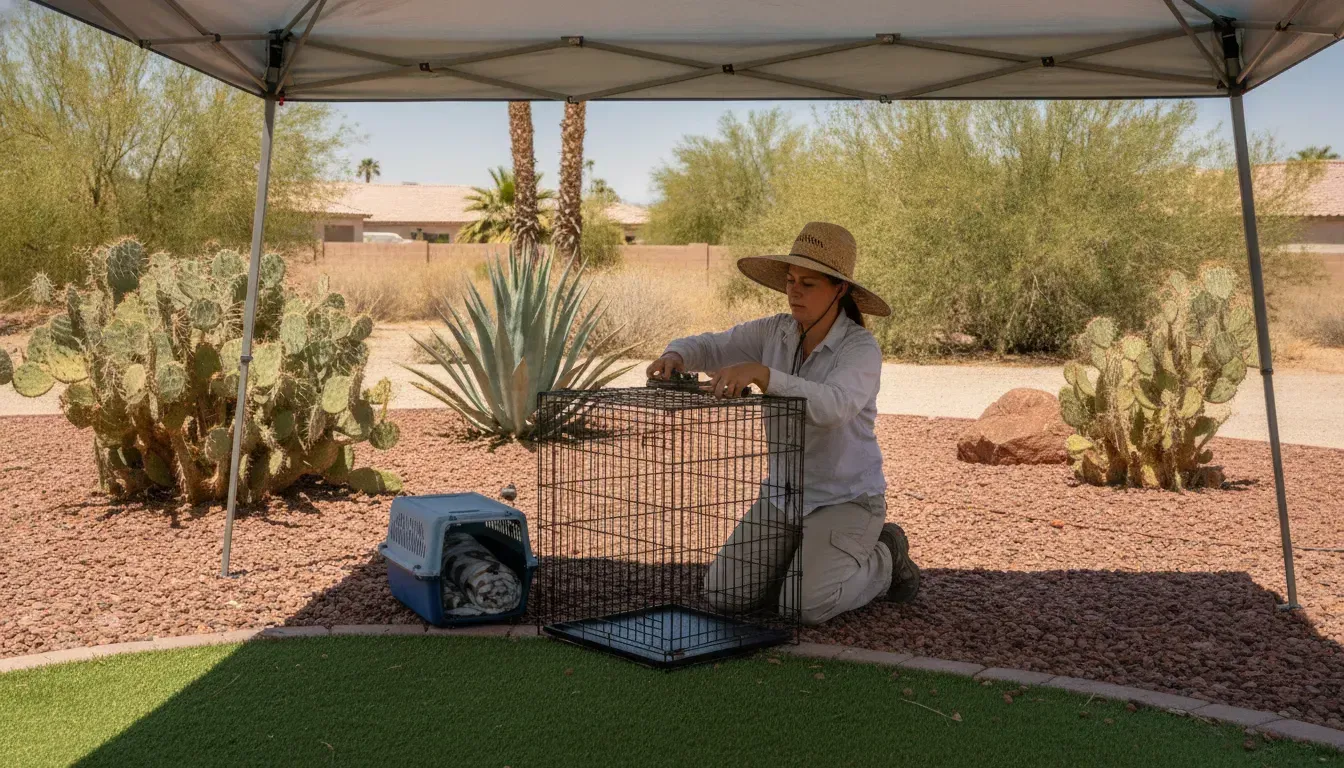 Protect the area from sun, sprinklers, wind, rain, and temperature extremes. A trap should remain level and stable. Keep children, pets, and unauthorized observers away. Do not place it inside a vehicle or any enclosure that can heat rapidly. If the selected location cannot stay safe throughout the monitoring period, choose another location or postpone the effort.
Resident communication should be calm and factual. Explain that the equipment is for a defined humane-care effort, identify the person to contact with concerns, and make clear that residents should not open or move it. Do not promise that every outdoor cat will be removed. Community-cat work may involve returning a cat to its familiar territory after appropriate care, when the responsible provider determines that is suitable.
Clark County's Community Cats guidance discusses humane management and the importance of organized care. Read the current Clark County information and confirm which local rules apply to the property's jurisdiction.
How can a board reduce conflict before the trap is set?
Give residents a predictable process instead of debating individual sightings in public channels. The notice can state the approved dates, the coordinator's contact method, the location's general area, and the instruction to keep pets and children away. Staff should receive the same information so they do not remove the trap during routine work.
Keep feeding and monitoring responsibilities with the designated caregiver. Multiple unofficial feeding stations can attract non-target animals and create sanitation complaints. If a different animal enters the trap, the coordinator should follow the previously arranged provider instructions rather than improvising. Property management messaging should focus on safety, documentation, and cooperation, not on assigning blame to residents.
What Should the Community Document During Monitoring?
Monitoring is the point where a shared-property plan becomes an active responsibility. The named coordinator should know when each check will occur, how to reach the backup, and what to do if the trap closes. Frequent checks help identify a captured animal promptly and reduce exposure to weather, noise, and public activity. Never set a trap when the community cannot provide this coverage.
- Record the placement time. Note the date, approximate time, location, and person who set the equipment. This creates a simple starting point for staff and the backup coordinator.
- Follow the agreed check schedule. Check at the intervals established before placement. Do not rely on residents to report a capture or assume that a covered trap is safe without inspection.
- Keep the area quiet. Ask residents, children, and pets to stay away. Avoid repeatedly opening, shaking, or moving the equipment.
- Protect the captured animal. Keep the trap stable, shaded, and away from direct weather. Follow the animal-care provider's instructions for covering, hydration, and transport. Do not reach into the trap or attempt treatment.
- Contact the handoff provider promptly. Use the prearranged contact and follow intake instructions. If the animal appears injured or severely distressed, contact a qualified animal-care provider for direction.
- Log changes. Record capture time, transport contact, unusual conditions, resident concerns, and the time the area was cleared.
This record is not a medical chart. It is a property coordination record that shows who was responsible and how the community reduced avoidable risk. Keep it limited to information the board or manager needs for operations and follow-up.
How Should HOAs Coordinate the Care Handoff?
The handoff should be arranged before the trap is rented. Confirm whether the destination is a veterinary clinic, TNR program, rescue contact, or another qualified animal-care provider. Ask about intake hours, transport requirements, after-hours instructions, and what the provider wants the coordinator to do if the capture occurs outside the expected window.
The board or manager should not diagnose the cat, provide medical treatment, decide that an animal is unowned based only on appearance, or promise a particular outcome. Those decisions belong with qualified providers and the person responsible for the animal-care plan. A community can support the process by providing access, reducing interference, and keeping the approved coordinator connected to the property.
For an adult community cat, the provider may recommend return to the territory where it was captured after appropriate care. Relocation without a plan can create a new welfare and neighborhood-management problem. Ask the provider what follow-up is appropriate for the specific animal rather than applying a one-size-fits-all rule.
Property managers who need broader recurring outdoor sanitation support can review A1 Pet Maintenance's commercial property services. That service discussion is separate from a cat trap rental, but it may help managers address ongoing waste concerns in shared spaces.
How Can an HOA Turn Feral Cat Trap Rental Terms Into a Clear Plan?
A board or property manager can make the rental terms easy to approve by pairing the price and return rules with named responsibilities. A1 Pet Maintenance supplies the trap; the community or caregiver remains responsible for permissions, monitoring, care decisions, and the care handoff.
Planning itemWhat to confirmRental window$70 per trap for up to 7 days; $10.00 per day after the 7th day.Return requirementThe trap must be cleaned with Clorox and water before returning and must be in working condition.Unreturned equipment$100 charge for any trap not returned.Community ownershipThe board or manager confirms permission, monitoring, care decisions, and the provider handoff.
Board-ready request checklist:
- Who has authority to approve the placement?
- Who is the primary coordinator and backup monitor?
- Where will the trap be placed, and how will residents and staff be informed?
- Which qualified provider will receive the animal, and when?
- What date will the trap be cleaned, checked, and returned?
Review A1's cat trap rental details before the board or manager chooses dates. The rental supplies the equipment, while the community or caregiver remains responsible for permissions, monitoring, care decisions, and the care handoff.
What Should Happen When the Rental Ends?
Close the effort deliberately. Confirm that the trap is no longer needed, that the animal-care provider has received the animal or given next-step instructions, and that no additional capture is planned under the same rental. Clean the equipment with Clorox and water as directed by A1, check that it remains in working condition, and return it within the agreed period.
Send a brief closeout message to affected residents when appropriate. It can state that the equipment has been removed and identify a contact for remaining property questions. Do not share private veterinary information or make claims about an animal's condition that the community cannot verify.
Finally, save the operational record with the approval, dates, coordinator, general location, provider handoff, equipment return, and unresolved maintenance concerns. The record helps a future board or manager understand what was authorized without recreating a stressful situation from memory. If a similar concern returns, review the prior plan and consult a qualified animal-care provider before repeating the process.
Call A1 Pet Maintenance at (702) 521-2624 Today
Frequently Asked Questions
Can an HOA approve feral cat trap rental in a common area?
An HOA or property manager can establish an approval process for equipment in shared space. But the exact authority and local requirements depend on the governing documents and jurisdiction. Confirm permission, select a safe location, notify affected residents, and assign a responsible monitor before setting a trap. Check current local guidance and consult the appropriate property or animal-care professional when the situation is disputed.
Who should monitor a rented cat trap at an apartment community?
Name one accountable coordinator and one backup before the rental begins. They should follow a frequent check schedule, keep the trap shaded and stable, limit interference, and contact the prearranged care provider promptly after capture. A property manager can coordinate access and resident communication without taking on veterinary responsibilities.
Does a cat trap rental include TNR or veterinary care?
No. A rental provides equipment. Veterinary examination, sterilization, vaccination, treatment, shelter placement, and return decisions must be arranged with the appropriate qualified provider. A1 Pet Maintenance's cat trap rental should be used only after the community has a clear handoff plan.
How much does feral cat trap rental cost in Las Vegas?
A1 Pet Maintenance charges $70 per trap for up to seven days, then $10 per day after the seventh day. A $100 charge applies if a trap is not returned. The trap must be cleaned with Clorox and water and returned in working condition. Confirm current terms directly before scheduling.
What should an HOA do if a different animal enters the trap?
Do not improvise or handle an unfamiliar animal. Keep people and pets away, follow the instructions from the qualified animal-care or animal-control provider identified in the plan, and document what happened. If the community cannot safely respond to non-target animals, pause the effort and obtain professional direction before setting the trap again.
Call A1 Pet Maintenance at (702) 521-2624 TodayWhen an outdoor cat becomes a recurring concern in a condominium, HOA, apartment community, or master-planned neighborhood, the hardest part is rarely finding a trap. The real work is coordinating permission, resident communication, monitoring, and a responsible care handoff without turning shared space into a source of confusion.
Feral cat trap rental las vegas is most useful for an HOA or property manager when the community has a written placement plan. One accountable coordinator, a frequent monitoring schedule, and a confirmed veterinary or Trap-Neuter-Return handoff before the trap is set. A1 Pet Maintenance supplies humane cat traps, while the community and its chosen animal-care provider remain responsible for permissions, care decisions, and next steps.
Call A1 Pet Maintenance at (702) 521-2624 Today
This guide focuses on the shared-property decision process. It is not a substitute for veterinary, animal-control, or legal advice. A coordinated plan protects the cat, residents, staff, caregivers, and the board's ability to explain what happened.
Why Does Feral Cat Trap Rental Las Vegas Need a Shared-Property Plan?
A trap placed in a common area affects more people than the person who requests it. Residents may see the equipment, children or pets may approach it, and staff may need to know whether it can be moved during landscaping or maintenance. A board or manager should treat the rental as one part of a documented community-cat response, not as an unattended device.
Before approving a placement, identify the purpose. The goal may be to coordinate a sterilization appointment, transport an injured animal to a qualified provider, or support an established community-cat caregiver. The goal should not be to relocate a cat without a destination plan. Las Vegas Animal Protection Services advises arranging sterilization care before trapping and having the resources to manage the cat until care is available. Review the agency's current guidance before the board or manager sets a policy.
Write down the proposed location, responsible coordinator, monitoring schedule, emergency contact, and expected end date. If those details are unknown, delay the rental. A short delay is safer than leaving a captured cat in a common area while people search for a provider or debate who is responsible.
What does a rental provide, and what remains the community's responsibility?
A rental provides a humane capture device for a planned effort. It does not provide veterinary diagnosis, surgery, vaccination, shelter placement, animal ownership decisions, or a guarantee that a specific cat will enter the trap. The board or property manager should communicate that boundary clearly so residents do not assume the rental company is taking custody of every outdoor animal on the property.
The community's role is coordination. That includes approving an appropriate location, notifying affected residents, protecting the equipment from interference, and making sure a named person can respond when the trap closes. The caregiver or qualified animal-care provider handles care decisions. Separating those roles reduces delays and prevents a well-intentioned volunteer from being left with responsibilities they did not agree to accept.
What Should an HOA or Property Manager Confirm Before Renting?
Use a short approval checklist before ordering equipment. The checklist should be specific enough that a different staff member can understand the plan if the primary coordinator is unavailable.
- Who has authority? Confirm that the board, owner, manager, or authorized property representative approves the placement. A resident request alone may not authorize equipment in a shared courtyard, dog run, landscaped area, or access route.
- Who is accountable? Name one coordinator and one backup. The responsible people should know how to contact the rental provider and the care or TNR provider.
- Where will the trap go? Select a stable, discreet location away from gates, play areas, dog traffic, irrigation, vehicle paths, and routine maintenance. Confirm that the location can remain shaded and protected from weather.
- How will residents be informed? Prepare a brief notice explaining the purpose, dates, contact person, and instructions not to move, release, feed around, or interfere with the trap.
- What happens after capture? Confirm the provider, intake timing, transportation plan, and backup contact before setting the trap. A rental should not start while the handoff is still speculative.
- How will the effort close? Record the return date, cleaning requirement, equipment condition, and any follow-up communication needed for residents or staff.
Do not approve the placement if no one can monitor it frequently. The location is exposed to Las Vegas heat or direct sun, the equipment is damaged, or the property cannot prevent accidental interference. Ask a qualified animal-care provider for direction when the animal appears injured, severely distressed, owned, or otherwise outside the community's planned scope.
How Should a Las Vegas Community Prepare the Capture Area?
Choose a location based on the cat's established movement and the community's safety requirements. Avoid placing a trap where residents naturally cut through, where dogs are frequently walked, or where a landscaper could mistake the equipment for abandoned property. A discreet position can reduce attention, but it must remain accessible to the person responsible for frequent checks.
Protect the area from sun, sprinklers, wind, rain, and temperature extremes. A trap should remain level and stable. Keep children, pets, and unauthorized observers away. Do not place it inside a vehicle or any enclosure that can heat rapidly. If the selected location cannot stay safe throughout the monitoring period, choose another location or postpone the effort.
Resident communication should be calm and factual. Explain that the equipment is for a defined humane-care effort, identify the person to contact with concerns, and make clear that residents should not open or move it. Do not promise that every outdoor cat will be removed. Community-cat work may involve returning a cat to its familiar territory after appropriate care, when the responsible provider determines that is suitable.
Clark County's Community Cats guidance discusses humane management and the importance of organized care. Read the current Clark County information and confirm which local rules apply to the property's jurisdiction.
How can a board reduce conflict before the trap is set?
Give residents a predictable process instead of debating individual sightings in public channels. The notice can state the approved dates, the coordinator's contact method, the location's general area, and the instruction to keep pets and children away. Staff should receive the same information so they do not remove the trap during routine work.
Keep feeding and monitoring responsibilities with the designated caregiver. Multiple unofficial feeding stations can attract non-target animals and create sanitation complaints. If a different animal enters the trap, the coordinator should follow the previously arranged provider instructions rather than improvising. Property management messaging should focus on safety, documentation, and cooperation, not on assigning blame to residents.
What Should the Community Document During Monitoring?
Monitoring is the point where a shared-property plan becomes an active responsibility. The named coordinator should know when each check will occur, how to reach the backup, and what to do if the trap closes. Frequent checks help identify a captured animal promptly and reduce exposure to weather, noise, and public activity. Never set a trap when the community cannot provide this coverage.
- Record the placement time. Note the date, approximate time, location, and person who set the equipment. This creates a simple starting point for staff and the backup coordinator.
- Follow the agreed check schedule. Check at the intervals established before placement. Do not rely on residents to report a capture or assume that a covered trap is safe without inspection.
- Keep the area quiet. Ask residents, children, and pets to stay away. Avoid repeatedly opening, shaking, or moving the equipment.
- Protect the captured animal. Keep the trap stable, shaded, and away from direct weather. Follow the animal-care provider's instructions for covering, hydration, and transport. Do not reach into the trap or attempt treatment.
- Contact the handoff provider promptly. Use the prearranged contact and follow intake instructions. If the animal appears injured or severely distressed, contact a qualified animal-care provider for direction.
- Log changes. Record capture time, transport contact, unusual conditions, resident concerns, and the time the area was cleared.
This record is not a medical chart. It is a property coordination record that shows who was responsible and how the community reduced avoidable risk. Keep it limited to information the board or manager needs for operations and follow-up.
How Should HOAs Coordinate the Care Handoff?
The handoff should be arranged before the trap is rented. Confirm whether the destination is a veterinary clinic, TNR program, rescue contact, or another qualified animal-care provider. Ask about intake hours, transport requirements, after-hours instructions, and what the provider wants the coordinator to do if the capture occurs outside the expected window.
The board or manager should not diagnose the cat, provide medical treatment, decide that an animal is unowned based only on appearance, or promise a particular outcome. Those decisions belong with qualified providers and the person responsible for the animal-care plan. A community can support the process by providing access, reducing interference, and keeping the approved coordinator connected to the property.
For an adult community cat, the provider may recommend return to the territory where it was captured after appropriate care. Relocation without a plan can create a new welfare and neighborhood-management problem. Ask the provider what follow-up is appropriate for the specific animal rather than applying a one-size-fits-all rule.
Property managers who need broader recurring outdoor sanitation support can review A1 Pet Maintenance's commercial property services. That service discussion is separate from a cat trap rental, but it may help managers address ongoing waste concerns in shared spaces.
What Are A1's Feral Cat Trap Rental Terms?
A1 Pet Maintenance's rental terms give a community a defined equipment window. The base rate is $70 per trap for up to seven days. An additional $10 per day applies after the seventh day, and a $100 charge applies if a trap is not returned. The trap must be cleaned with Clorox and water and returned in working condition. These terms come from A1's cat trap rental information.
Responsibilities to confirm before a community rental:
- Authorization: Board, owner, manager, or other property approval. This prevents unauthorized equipment in shared space.
- Monitoring: Named primary and backup with a check schedule. This reduces unattended exposure and confusion.
- Care handoff: Provider, intake timing, transport, and backup contact. This keeps the cat's next step clear before capture.
- Closeout: Return date, cleaning, condition check, and resident follow-up. This prevents late fees, missing equipment, and unresolved questions.
Review A1's cat trap rental details before the board or manager chooses dates. The rental supplies equipment, while the community remains responsible for using it only within an approved, humane, and properly monitored plan.
What Should Happen When the Rental Ends?
Close the effort deliberately. Confirm that the trap is no longer needed, that the animal-care provider has received the animal or given next-step instructions, and that no additional capture is planned under the same rental. Clean the equipment with Clorox and water as directed by A1, check that it remains in working condition, and return it within the agreed period.
Send a brief closeout message to affected residents when appropriate. It can state that the equipment has been removed and identify a contact for remaining property questions. Do not share private veterinary information or make claims about an animal's condition that the community cannot verify.
Finally, save the operational record with the approval, dates, coordinator, general location, provider handoff, equipment return, and unresolved maintenance concerns. The record helps a future board or manager understand what was authorized without recreating a stressful situation from memory. If a similar concern returns, review the prior plan and consult a qualified animal-care provider before repeating the process.
Frequently Asked Questions
Can an HOA approve feral cat trap rental in a common area?
An HOA or property manager can establish an approval process for equipment in shared space. But the exact authority and local requirements depend on the governing documents and jurisdiction. Confirm permission, select a safe location, notify affected residents, and assign a responsible monitor before setting a trap. Check current local guidance and consult the appropriate property or animal-care professional when the situation is disputed.
Who should monitor a rented cat trap at an apartment community?
Name one accountable coordinator and one backup before the rental begins. They should follow a frequent check schedule, keep the trap shaded and stable, limit interference, and contact the prearranged care provider promptly after capture. A property manager can coordinate access and resident communication without taking on veterinary responsibilities.
Does a cat trap rental include TNR or veterinary care?
No. A rental provides equipment. Veterinary examination, sterilization, vaccination, treatment, shelter placement, and return decisions must be arranged with the appropriate qualified provider. A1 Pet Maintenance's cat trap rental should be used only after the community has a clear handoff plan.
How much does feral cat trap rental cost in Las Vegas?
A1 Pet Maintenance charges $70 per trap for up to seven days, then $10 per day after the seventh day. A $100 charge applies if a trap is not returned. The trap must be cleaned with Clorox and water and returned in working condition. Confirm current terms directly before scheduling.
What should an HOA do if a different animal enters the trap?
Do not improvise or handle an unfamiliar animal. Keep people and pets away, follow the instructions from the qualified animal-care or animal-control provider identified in the plan, and document what happened. If the community cannot safely respond to non-target animals, pause the effort and obtain professional direction before setting the trap again.