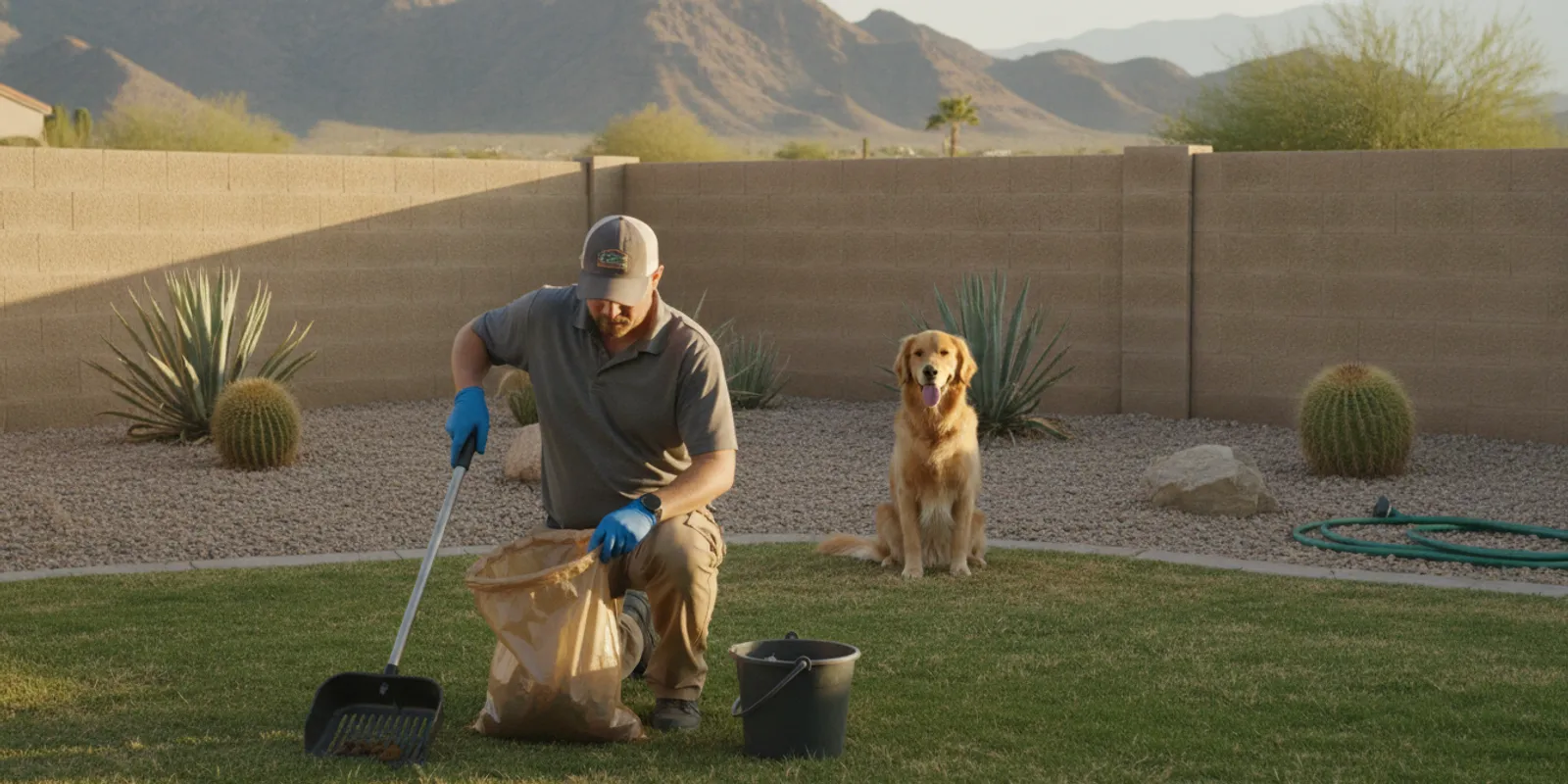
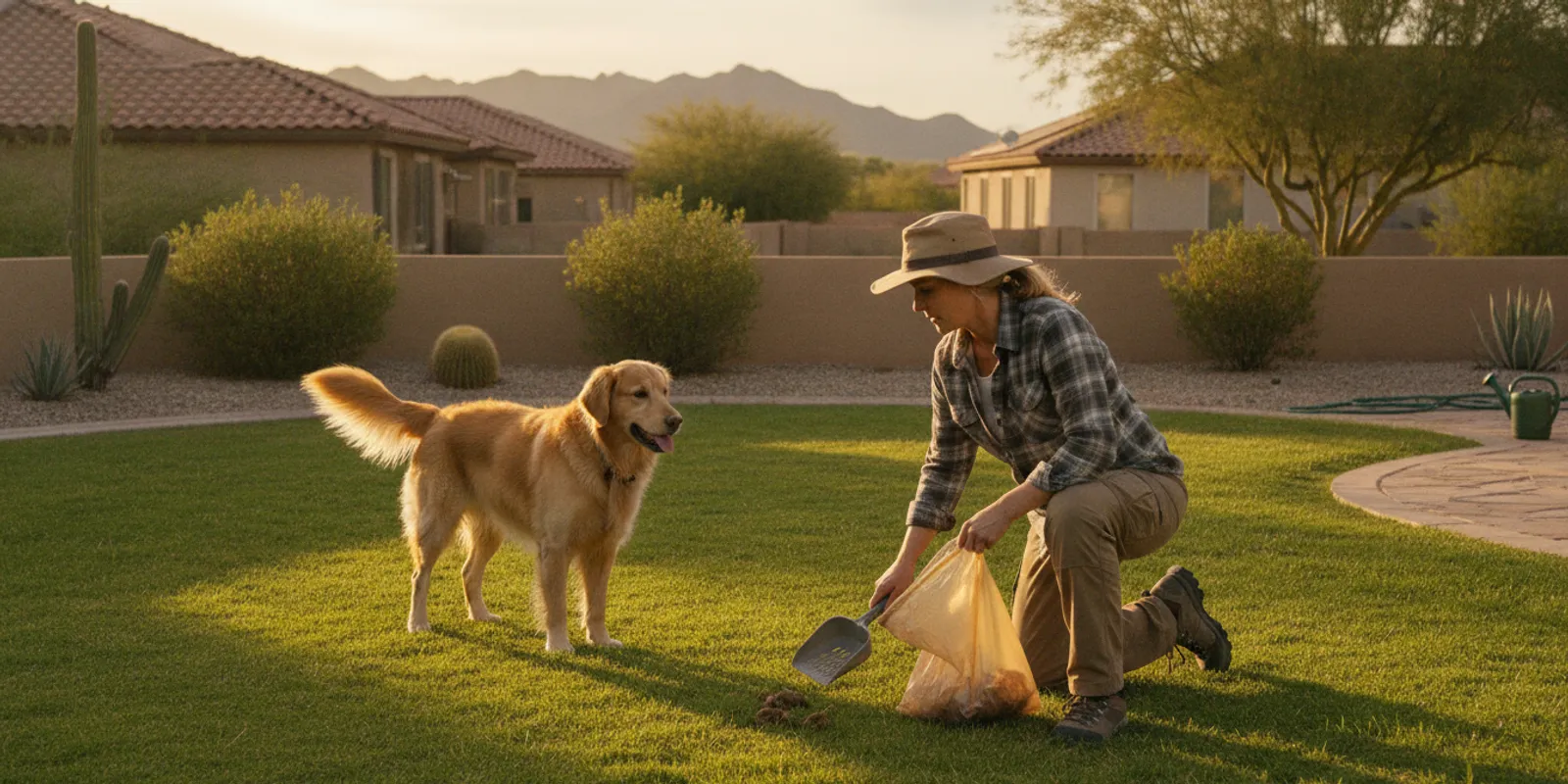
Pet Waste Service Operations Manual
A pet waste service operations manual gives a service team a consistent way to plan visits, inspect a property, remove waste, and record anything that needs follow-up. For homeowners and property managers, it makes expectations easier to discuss before service begins. A useful manual is specific enough to guide a visit, yet flexible enough to reflect different yards, access arrangements, and shared grounds.
What Should a Pet Waste Service Operations Manual Cover?
The manual should connect the agreed service scope to practical steps. It is not a replacement for a property-specific plan, a service agreement, or local requirements. A concise manual can include:
- How a new property is described, reviewed, and prepared for service.
- What a standard visit includes and what is outside its scope.
- How access, pets, gates, and hazards are addressed.
- How collected waste is contained and handled under the agreed arrangement.
- Which conditions require a customer update or further direction.
- How staff record a completed visit, a partial visit, or an exception.
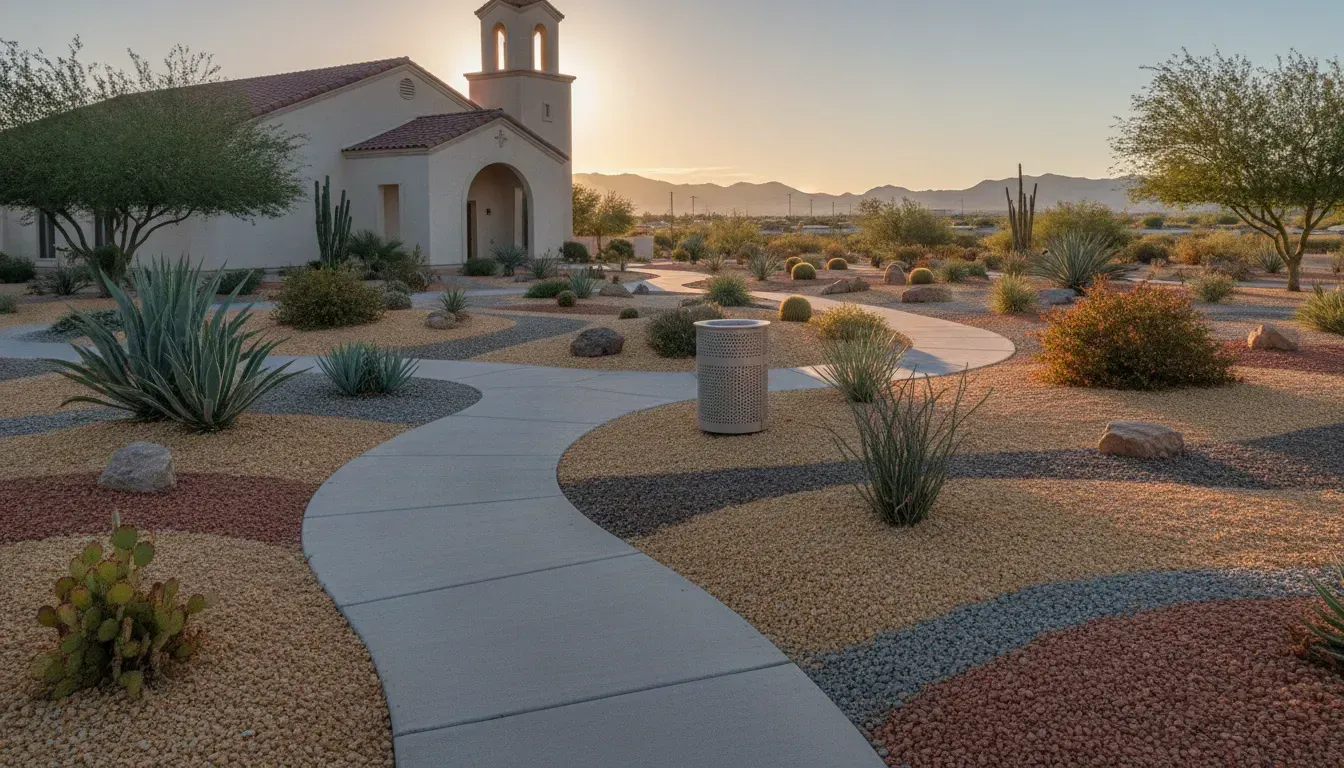
For a private yard, the instructions may fit on a short service note. For a multifamily property or HOA, the manual may need a map, named contact roles, shared-area boundaries, station locations, and reporting steps. A1 Pet Waste Maintenance serves residential customers and multifamily properties and HOAs in Southern Nevada and Tucson. In either setting, written notes help turn a general request into a clear and repeatable scope.
How Do You Set Up a Property Before the First Visit?
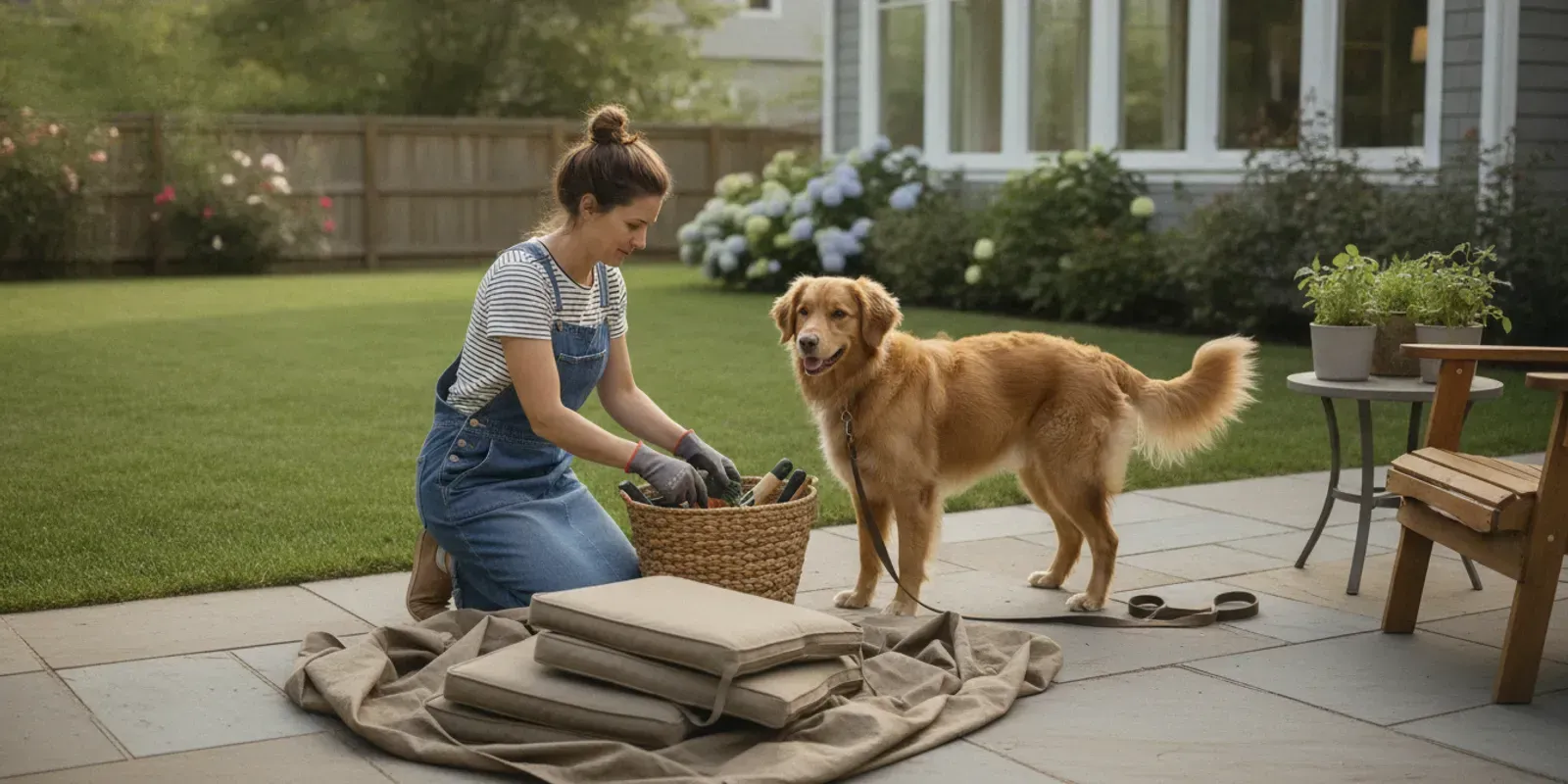
Start with the details a person needs to find the right place and complete the agreed work. Confirm the service address, the included areas, the access method, the number of dogs when relevant, and any important behavior or gate instructions. Ask the customer to identify areas that are off limits, delicate landscaping, and the preferred contact method if access fails.
Then walk the property or review a map when possible. Mark boundaries, narrow passages, shared spaces, and the agreed waste handling location. Do not assume that every fenced section is included or that every gate may be opened. For a community, identify who approves work in common areas and whether private yards are part of the service. Keep instructions factual and brief enough to use while on site.
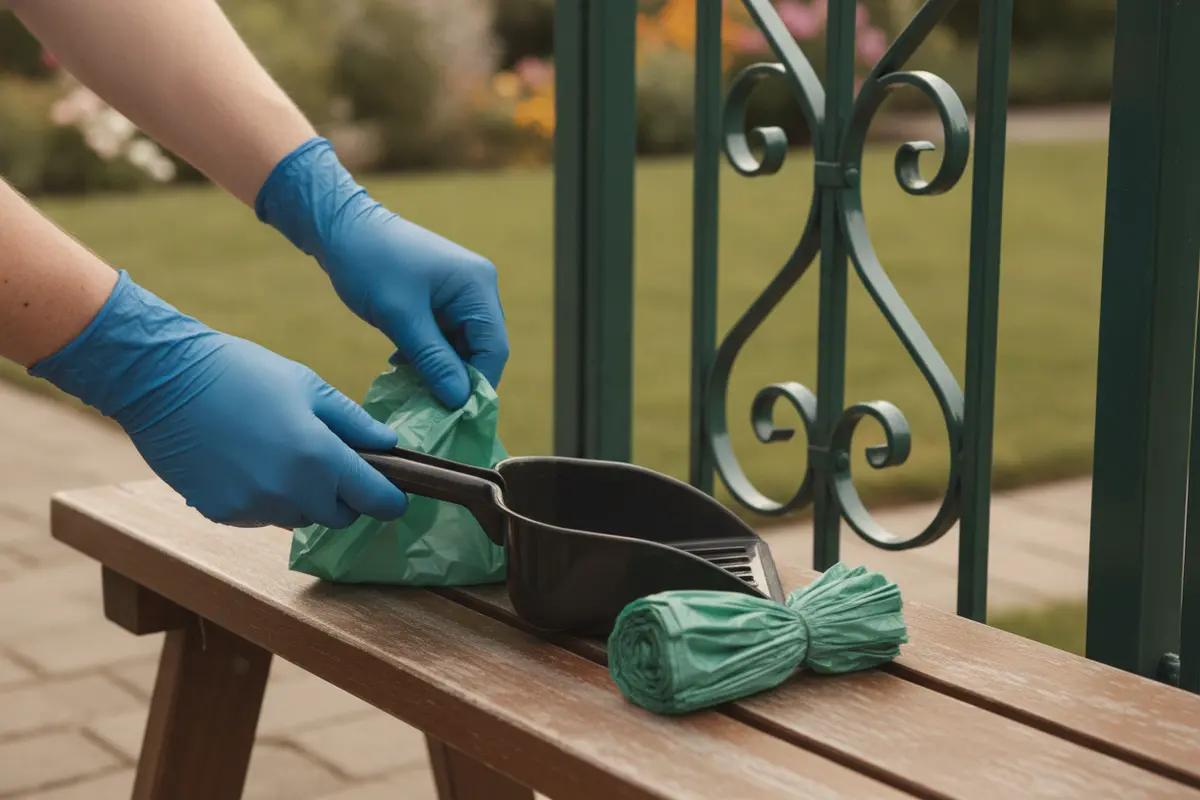
Before the first visit, send the customer a plain-language summary and invite corrections. For example: “The service area is the rear yard inside the fence. Please keep the dog indoors during the visit. If the gate is locked, contact the property manager.” This is a sample, not a universal rule. Replace it with instructions that match the actual agreement.
It also helps to record what a worker should do when something differs from the setup. If a customer adds a side yard, changes a gate code, or moves a waste bin, the manual should point to a way to update the service notes. Otherwise, the team may rely on old instructions and the customer may expect work in an area that was never added. Date changes and make the current version easy to identify.
What Does a Repeatable Service Visit Look Like?
A standard sequence makes it less likely that a defined area will be overlooked. Adapt these steps to the service agreement and the provider’s procedures:
- Review the visit notes. Check the address, assigned areas, access directions, and recent customer updates before beginning.
- Approach and assess. Confirm that access is permitted. Look for a loose animal, damaged gate, standing water, sharp debris, or another condition that could change whether the area can be entered.
- Complete the agreed sweep. Follow a deliberate pattern through the defined space. Check edges and behind objects only where access is allowed and safe.
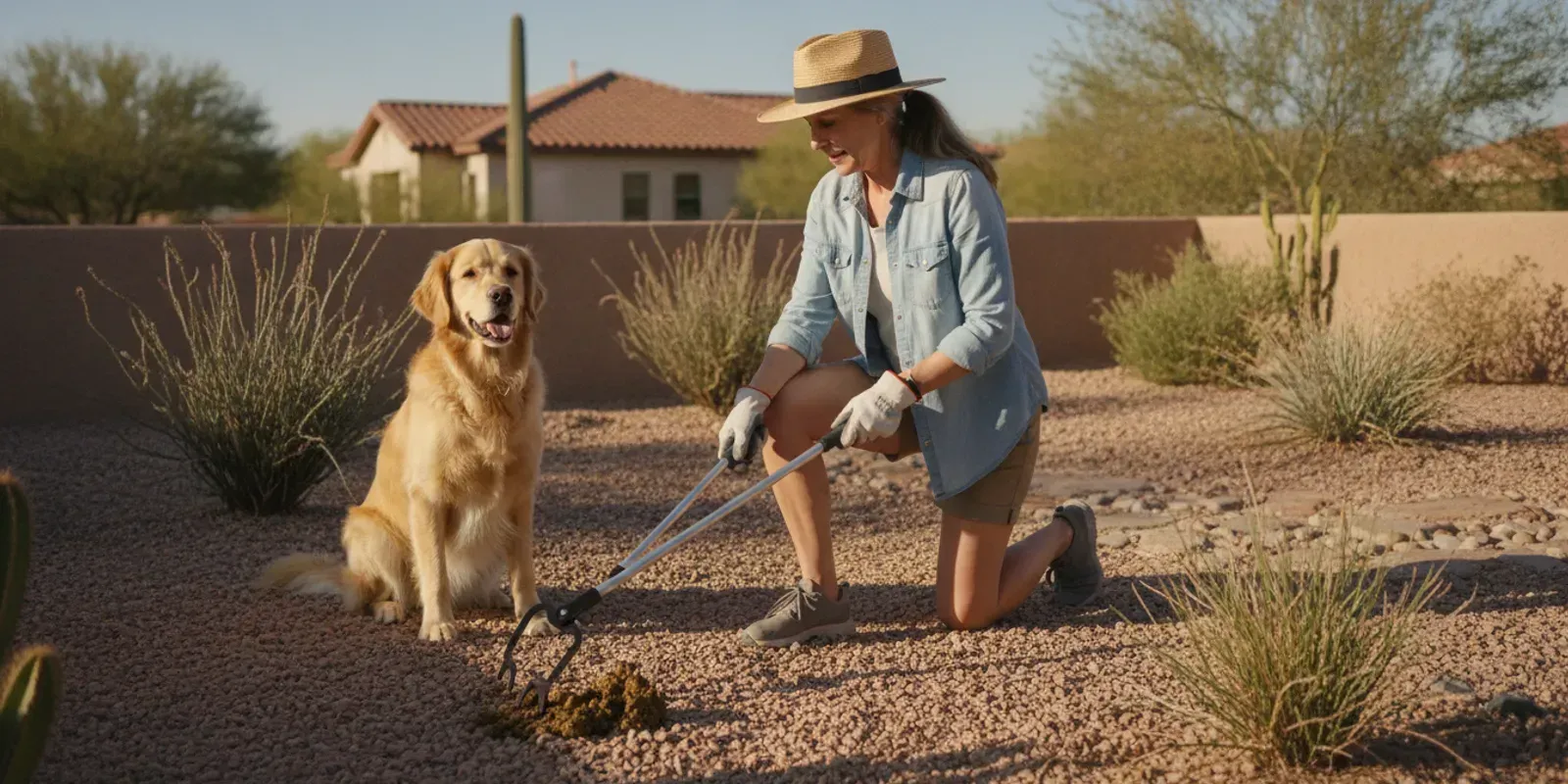
- Collect and contain waste. Use appropriate tools and bags, and follow the site’s agreed handling and disposal arrangement. Do not leave collected material somewhere that has not been approved.
- Make a final pass. Recheck the service area, account for tools and collected waste, and leave gates and access points in the agreed condition.
- Record completion or an exception. Note the visit status, any blocked area, unusual buildup, or request for customer direction. Send the update through the agreed channel.
The steps provide a dependable baseline, not a promise that every visit will take the same time or produce identical results. Yard layout, weather, access, and the amount of accumulated waste can all change the work. The important distinction is whether the agreed area was completed and whether any limitation was communicated.
For example, if a worker finds the back gate open and a dog loose, the manual should not require the worker to improvise. It should identify the pause-and-notify path and state that the visit status must be recorded. If a garden bed is inaccessible without disturbing plants, the notes should say whether it is excluded, approached only from a path, or handled another agreed way. These small choices prevent ambiguous expectations after the visit.
How Should Access, Dogs, and Hazards Be Handled?
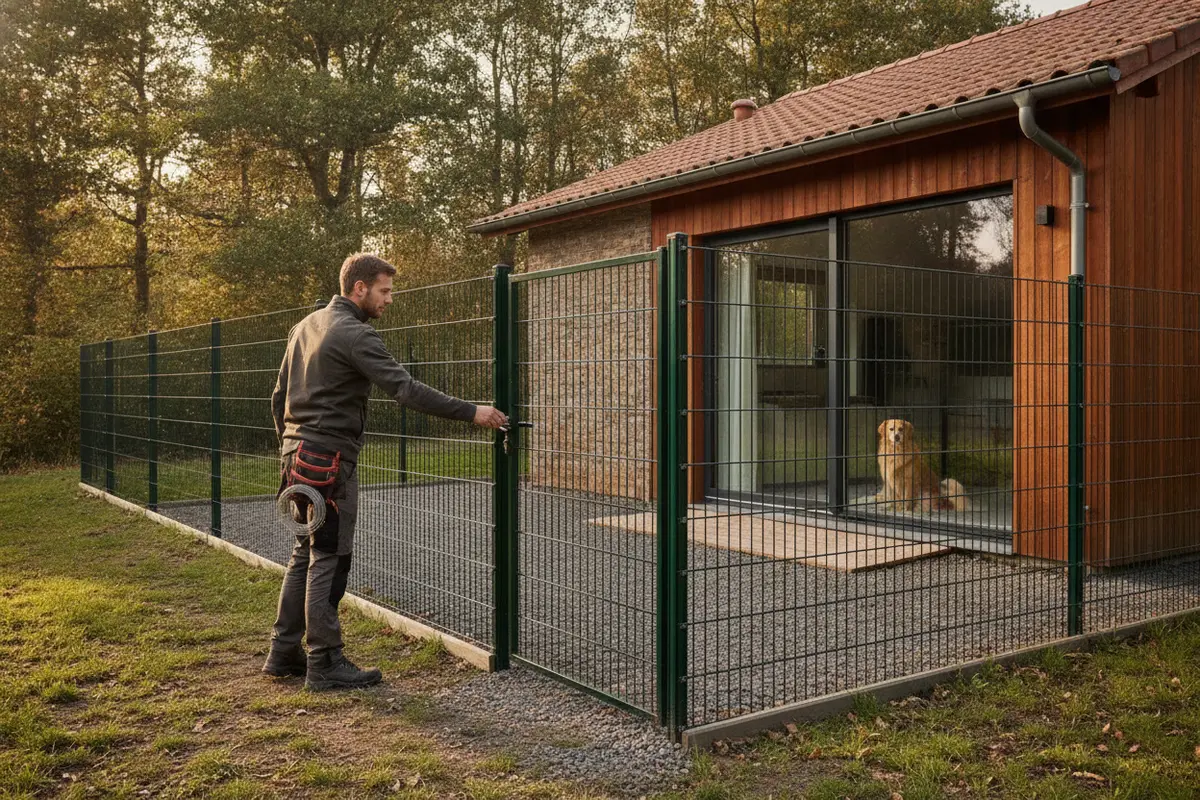
Access instructions are operational details. Confirm how the worker enters, whether a gate may be opened, and what to do if the usual method fails. If the property cannot be accessed, staff should record the issue and use the agreed notification process rather than finding another entry route without permission.
Customers should follow the provider’s instructions about securing pets. A worker should not assume an unfamiliar dog is safe to approach, handle, or move. If an animal is loose in the service area or the situation feels unsafe, pause work and seek direction under the established procedure.
List conditions that may require stopping and reporting, such as broken glass, exposed sharp objects, unstable structures, or unidentified chemical products. The manual can identify who is notified and how work resumes, but it should not direct staff to handle hazards outside their training or take unnecessary risks. Applicable local rules and workplace safety procedures take precedence.
Waste planning also benefits from records about where waste is generated and how it is handled. The USDA Forest Service manual discusses maintaining information on waste generation and disposal points as part of broader solid-waste management. It is not a pet-waste service rulebook, but the recordkeeping principle is useful: Forest Service Manual: Solid Waste Management.
How Often Should the Service Take Place?
No single schedule suits every property. Frequency depends on the number of dogs, the size and use of the area, how much waste accumulates between visits, and the customer’s preference. Shared grounds may need a different plan from a private yard because more people use them and responsibilities can be divided among several teams.
Agree on a schedule, then review whether it is working. If waste builds up between routine visits, discuss whether the frequency or scope should change. If the yard already has substantial accumulated waste, a one-time reset may be a better starting point than treating the backlog as an ordinary route visit. A1 offers recurring pet waste removal and one-time cleanups; see its one-time cleanup service information.
A practical review does not need to be complicated. A homeowner can note whether the service area is consistently clear after visits and whether waste returns faster than expected. A property manager can look for repeated reports from the same common area or a station that frequently needs attention. These observations give both sides useful information for a conversation without assuming that a single schedule will suit every season or property.
How Do Routine Visits and One-Time Cleanups Compare?
| Service approach | Useful when | Planning focus | What to clarify |
|---|---|---|---|
| Recurring route | A property needs ongoing, scheduled waste removal. | Access, agreed service area, visit frequency, and routine updates. | How a blocked visit is handled and what happens when buildup changes. |
| One-time cleanup | Waste has accumulated or the property needs a reset. | Current condition, affected area, access, and scope. | Whether it is standalone and what ongoing care may be needed afterward. |
| Community maintenance | Shared grounds or pet waste stations need a defined plan. | Areas covered, responsibilities, access, and issue reporting. | Who approves changes and receives reports about access or site conditions. |
This comparison is for planning, not a price list or a promise about the work included in a particular visit. Confirm the work and schedule with the provider. To learn what recurring service can involve, see A1’s guide to dog poop service.
What Should Be Recorded After Each Visit?
Useful records are short, consistent, and connected to a next action. A basic log can include the visit date, property identifier, service area completed, access status, and any exception. “Rear yard completed; side gate was locked; customer notified” gives a clearer record than “problem at house.”
For a shared property, group recurring issues by location. A manager may need to know that a particular bin needs attention, an area is repeatedly blocked, or the agreed scope has changed. Avoid recording unnecessary personal or sensitive details. Decide who can see the record and who is responsible for acting on an exception.
A compact visit entry can include:
- Date, property, and route or visit identifier.
- Agreed areas visited and whether each was completed.
- Access or safety issue, if any.
- Waste handling or station issue needing follow-up.
- Customer or manager notification, plus the next action and owner.
Separate the observation from the interpretation. “North gate would not latch” is a factual note; “resident failed to secure the property” assigns blame without adding useful detail. A factual record helps the customer decide what to do and helps the next worker understand the situation. If the issue is resolved, record that too, so outdated warnings do not remain in the active instructions.
How Can Homeowners and Property Managers Use the Manual?
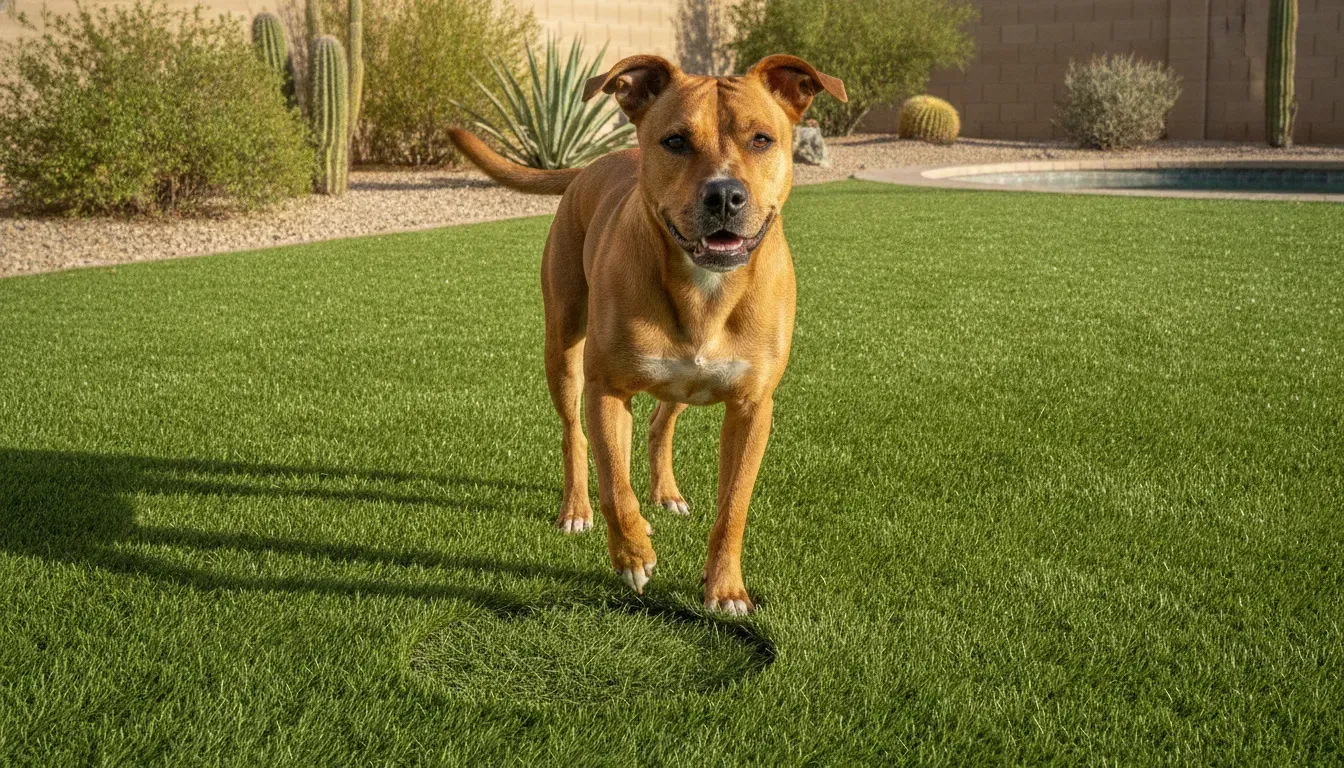
Homeowners can use the manual to prepare and set realistic expectations. Identify the exact work area, secure pets as directed, provide dependable access instructions, and tell the provider if there is a large backlog. If the yard has artificial grass, distinguish routine waste pickup from turf cleaning. A1 describes those as separate service considerations; its artificial grass cleaning and maintenance information explains that service area.
Property managers should begin with a map or written description of common areas. Assign an owner for access instructions and decide who receives reports. If the site has pet waste stations, specify their locations and how issues should be reported. Make the plan easy to hand to a new manager or vendor; it should not depend on one person’s memory. A1’s commercial property service page is a starting point for discussing a property’s needs.
For a larger site, divide the map into named zones rather than saying “the grounds.” For instance, the plan might distinguish the east lawn, the walkway beside the leasing office, and the fenced dog area. A report can then state exactly which zone was completed or blocked. This makes follow-up practical: a manager can check the right location, clarify access, and decide whether the description or service arrangement needs revision.
Assigning responsibility is just as important as naming areas. One person may update gate information, another may approve changes in scope, and a designated contact may receive routine visit notices. On a small property, one contact can perform all three roles. What matters is that staff know where to send a question and customers know who can answer it.
What Should You Ask Before Starting Service?
Use these questions to confirm that the plan fits the property:
- Which areas are included, and which are excluded?
- How should the yard or shared spaces be prepared before a visit?
- What should happen if access is blocked or a dog is loose?
- How are missed areas or unusually heavy buildup reported?
- What waste handling arrangement applies at this site?
- Who can request a schedule or scope change?
- Which contact receives a routine update, and which contact handles an urgent site issue?
Before the first visit, write down the answers in one place and check that the customer and service team have the same version. If a question is not settled, mark it as pending rather than leaving two different assumptions in circulation. For general service questions, consult the A1 service FAQs; the answer for a particular property should still reflect its actual service arrangement.
Frequently Asked Questions
Does every property need a written operations manual?
A small residential yard may need only clear service notes and an agreed routine. A larger shared property benefits from written areas, access procedures, responsibility assignments, and reporting steps. Match the document to the complexity of the site.
Can routine visits remove a large backlog?
That depends on the condition of the property and the agreed scope. Tell the provider about the buildup before service so the right type of visit can be discussed. A one-time cleanup may be considered when the property needs an initial reset.
What if the gate is locked on service day?
Follow the access instructions agreed with the provider. The team should record the issue and notify the customer or property contact through the designated channel. Staff should not assume they may enter another way.
Should a waste pickup visit also clean artificial turf?
Not necessarily. Waste pickup and specialized turf cleaning are distinct needs. Ask what is included in the service arrangement and review the provider’s service information before assuming that a visit addresses urine odor or turf maintenance.
Make the Plan Fit the Property
A useful pet waste service operations manual sets a clear scope, repeatable visit steps, sensible access and safety procedures, and a simple way to report exceptions. Start with the actual layout and needs, then update the notes when access, use, or expectations change. To discuss a residential or commercial property in A1’s service areas, contact A1 Pet Waste Maintenance.
Discuss your property’s service needs
Clear instructions help customers, property teams, and service providers work from the same expectations and make each follow-up easier to manage.