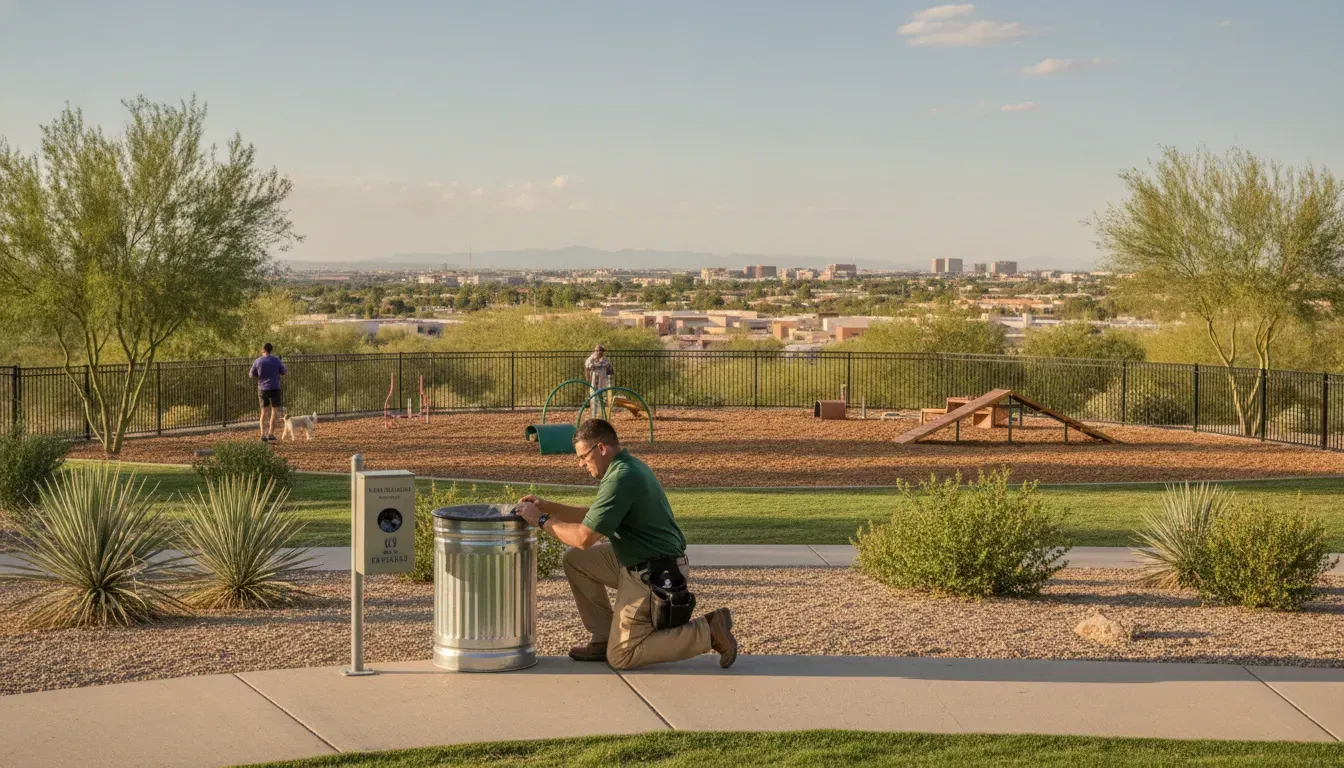
Pet Waste Removal for Senior Living Communities Las Vegas
Practical planning for resident-centered pet relief areas, schedules, and commercial cleanup

Pet-friendly senior living communities need a waste plan that works for residents, visitors, pets, and the team responsible for shared outdoor spaces.
The goal is not simply to pick up visible waste. It is to define where collection happens, who can access each area, how disposal is handled, and how the plan is reviewed when routines or conditions change.
When planning pet waste removal for senior living communities Las Vegas, start with resident-centered pet-relief areas, clear staff and vendor responsibilities, dependable collection, and documented communication. CDC guidance notes that dog and cat feces can contain parasites and germs harmful to people, and recommends removing waste from yards and public places. Read the CDC guidance for broader pet hygiene context.
Call A1 Pet Maintenance at (702) 521-2624 to discuss your community's pet waste plan.
From there, the right approach depends on the community layout, pet traffic, staff workflow, and service scope. A commercial plan should make those details explicit, including the shared spaces that need attention and the operating boundaries a vendor must follow.
What Does Pet Waste Removal for Senior Living Communities Las Vegas Need to Cover?
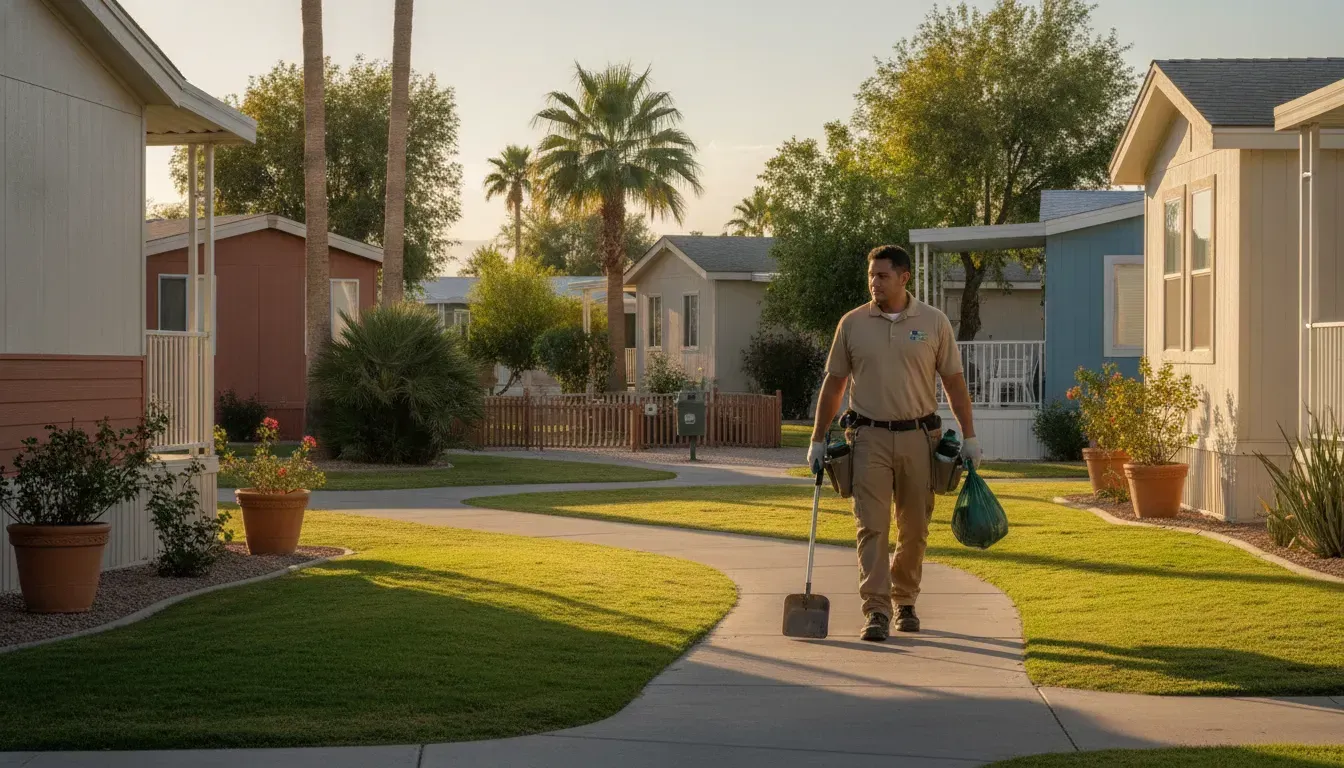
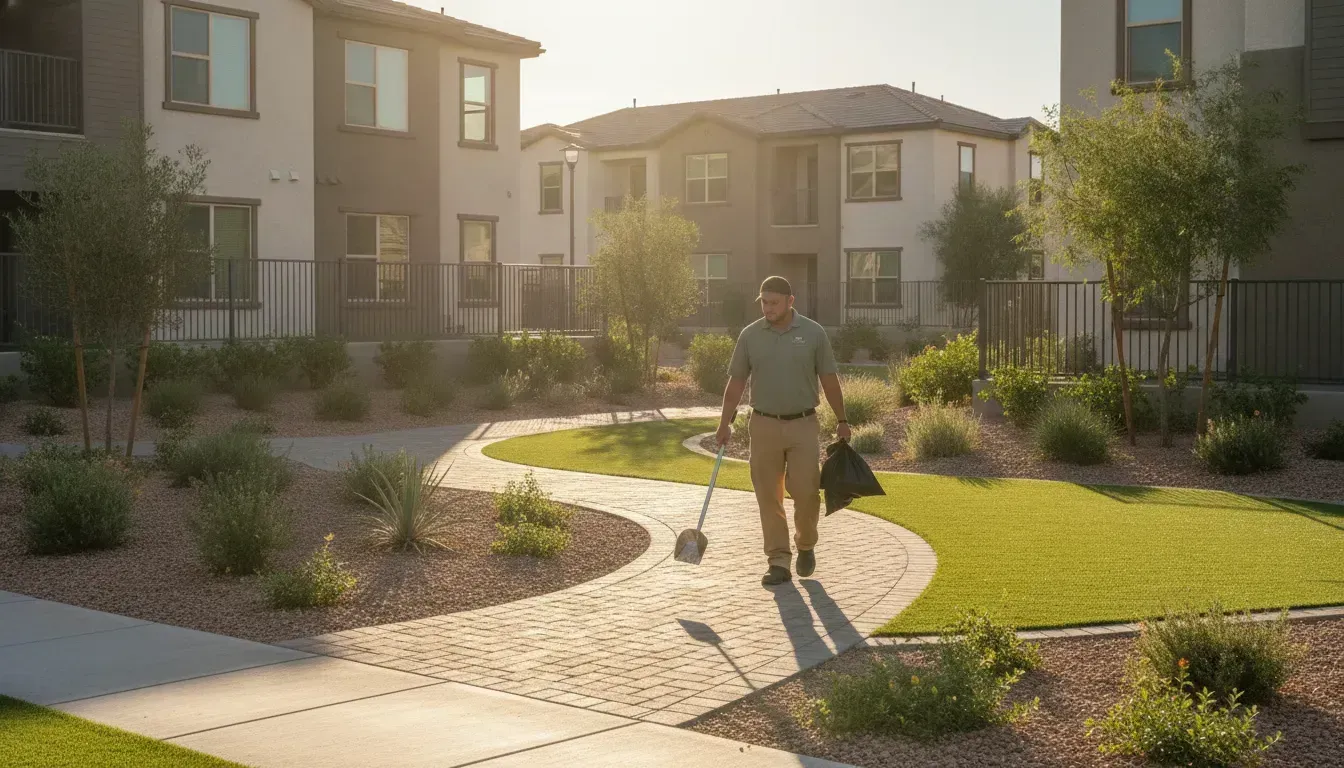
Pet waste removal for senior living communities Las Vegas should be planned as a shared-property operation, not simply as yard pickup. The scope needs to account for resident routines, visiting pets, staff responsibilities, outdoor gathering areas, walking paths, pet-relief zones, entrances, and the access points a service provider will use. A clear plan helps the community keep expectations practical while reducing the amount of recurring collection work assigned to employees.
Start by mapping every place where waste may occur. Include designated relief areas, landscaped courtyards, sidewalks, benches, activity spaces, parking edges, and routes between residences and common facilities. Note gates, locked areas, construction zones, irrigation concerns, and times when residents or visitors are most likely to be outside. These details help define where collection is needed and how a technician can work without creating unnecessary disruption.
Resident and staff needs should shape the operating notes. Older adults are among the groups the CDC identifies as more likely to develop diseases spread between animals and people. And animal feces can contain parasites and germs harmful to people. That guidance does not establish a facility-specific medical rule, but it supports a cautious approach to prompt removal and appropriate handling. Communities should review their own policies with the appropriate facility leadership.
A documented service scope can specify mapped areas, collection frequency, station or receptacle checks, bagging and hauling, access instructions, contact information, exception reporting, and a process for reviewing missed or newly active areas. A1 describes its commercial arrangements as customized and reports commercial experience since 1998, but its available information does not establish senior-living communities as existing clients. Decision-makers can review the company's commercial pet waste cleanup in Las Vegas information, then ask for a plan tailored to the property rather than applying a residential assumption.
How Can a Community Design Safer, More Usable Pet Areas?
Start with the routes residents and pets already use. A practical pet area plan connects relief zones with building entrances, common walkways, seating areas, and outdoor gathering spaces without placing waste stations where they interrupt normal movement. Map those paths, then look for corners, landscape edges, gates, and other places where pet traffic concentrates.
Relief areas should be easy to identify and reasonably convenient to reach. Keep gates visible and usable, and check that vegetation, parked vehicles, furniture, or stored equipment do not create blind spots. Seating can remain close enough for residents to rest while supervising a pet, but it should not sit directly beside a receptacle or a heavily used relief point. Community policies and facility-specific reviews should guide any decisions about access, routes, and space design.
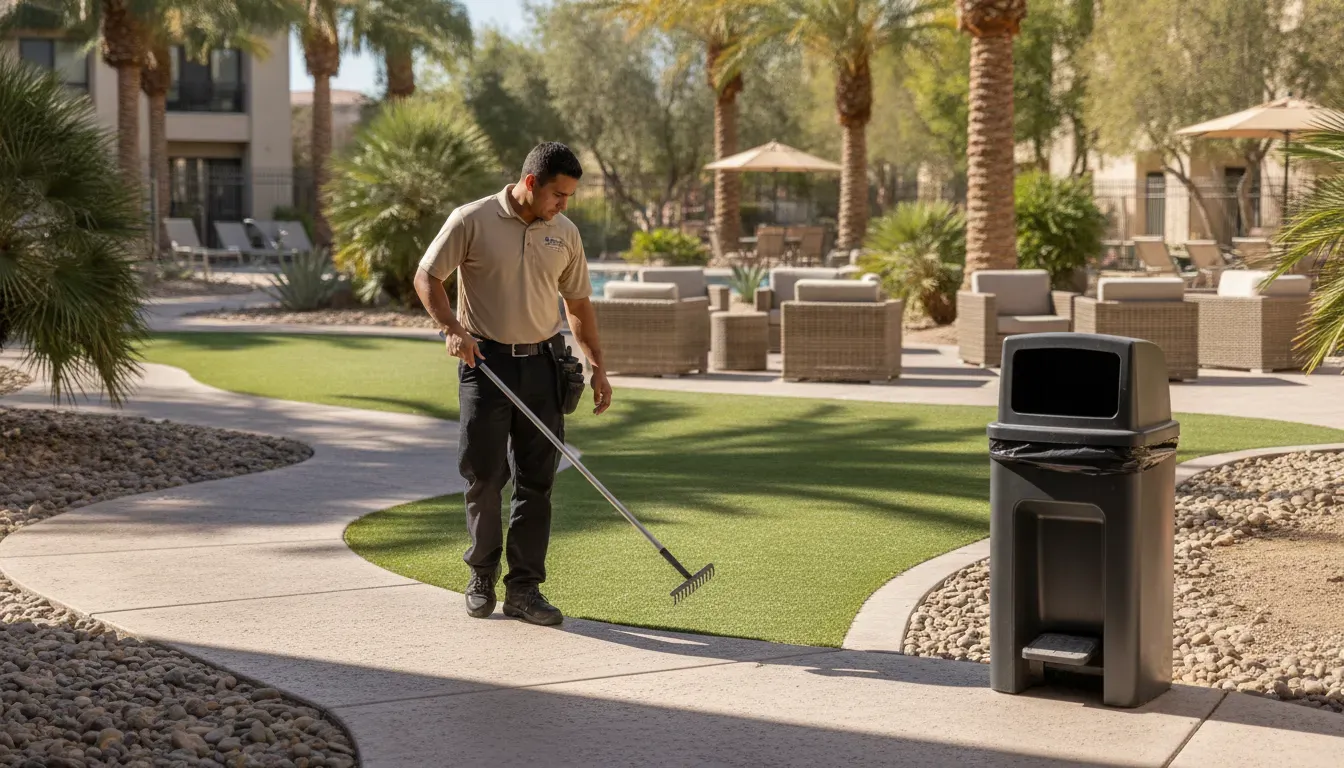 Place bag dispensers and covered waste receptacles where residents naturally need them, such as near relief zones, entrances, and common exits. The EPA notes that missing bags or trash receptacles can become barriers to proper disposal. A visible station with simple instructions can make the preferred action easier, while a clear contact method gives residents a way to report a full bin, damaged gate, or missed area.
Communication should be courteous and specific. Explain where pets may relieve themselves, where bags and receptacles are located, how to report a problem, and why prompt removal matters in shared spaces. The CDC says dog and cat feces can contain parasites and germs harmful to people, and that pets can carry harmful germs even when they appear healthy. Its guidance also identifies adults 65 and older as more likely to get diseases spread between animals and people. Those points support consistent cleanup and hand-hygiene reminders, not a promise of eliminating every risk. Communities can review resident questions and complaints periodically, then adjust station locations, walking-route reminders, or inspection priorities.
How Often Should Pet Waste Be Removed From a Senior Living Community?
For most senior living communities, weekly service is a practical starting point when residents use shared pet areas regularly. The right cadence should be based on actual pet traffic, resident routines, complaints, weather, scheduled events, and inspection findings rather than a one-size-fits-all calendar. A quick review after the first service visits can show whether the plan keeps common areas consistently usable.
What should shape the service schedule?
Begin by identifying where residents and their pets spend time. Note relief areas, walking routes, entrances, seating areas, and spaces near activity buildings. Then ask staff to track recurring patterns:
- Which areas receive the most pet traffic, and at what times?
- Do residents or team members report odor, visible waste, or full receptacles between visits?
- Does hot weather, rain, or wind increase odor, tracking, or cleanup needs?
- Are outdoor events, tours, or resident activities creating a short-term need for extra attention?
- Do routine inspections identify missed zones or waste near paths and gathering spaces?
These observations can support a clear conversation with a commercial provider. The community can document priority zones, access instructions, contact information, and circumstances that should trigger a schedule review. It is also useful to compare staff observations with resident complaints, since each may reveal different problem areas.
When is weekly, bi-weekly, or one-time service appropriate?
Weekly recurring service generally fits a community with steady pet activity and shared outdoor spaces that need dependable maintenance. Bi-weekly recurring service may fit a lower-traffic property or a community with stronger resident participation in daily pickup. It should still be reviewed if complaints, weather, events, or inspection findings show that waste is accumulating between visits.
One-time cleanup can help prepare an area for an event, address an accumulated problem, or establish a cleaner baseline before recurring service begins. A1 lists weekly, bi-weekly, and one-time commercial cleanup options, with arrangements customized to the property. A documented review process lets the community adjust the plan without promising an unsupported frequency.
What Should a Pet Waste Removal Service Include for a Senior Living Community?
A useful service scope should turn a community's outdoor layout and daily routines into a repeatable maintenance plan. Before service begins, the vendor and property contact should identify pet-relief areas, walking paths, courtyards, entrances, seating areas, landscaping, waste stations, and any locations that need special handling. A written map helps everyone understand what is included and makes later reviews more objective.
A practical scope checklist should cover:
- Mapped service zones: List each lawn, pet area, path, courtyard, and other shared space included in the work. Note areas that are excluded or require separate authorization.
- Scheduled collection: State whether the plan is weekly, bi-weekly, or a one-time cleanup. The right cadence can be adjusted after reviewing traffic, resident routines, weather, complaints, and inspection notes.
- Station and bin servicing: Specify which pet-waste stations and receptacles are checked, emptied, and restocked, if those tasks are part of the arrangement. Record access points and any locked or restricted areas.
- Exceptions and access notes: Identify construction zones, events, irrigation schedules, gates, resident activities, and contacts who can explain temporary changes without disrupting the community.
- Bagging, hauling, and disposal: Confirm how collected waste is bagged and removed. A1's commercial-property information states that waste is bagged and hauled away for collection by city sanitation workers. Commercial pet waste cleanup in Las Vegas can be evaluated against the community's own disposal requirements.
- Communication and review: Establish who receives service notes, how missed access or unusual conditions are reported, and when the scope will be reviewed. A short review can identify new hotspots or zones that need a different cadence.
Commercial arrangements should be customized rather than copied from a residential plan. A property manager comparing vendors may also find the property management dog waste service guide useful for thinking through scheduling, accountability, and staff time. The goal is a clear agreement that supports consistent outdoor-area upkeep while leaving room for the community's policies and operating conditions.
How Can Senior Living Communities Reduce Odors and Sanitation Concerns From Pet Waste?
Odor control starts with removing pet waste before it accumulates. A community can identify relief areas, walking routes, landscaped edges, turf zones, and building entrances that receive the most pet traffic. Routine hotspot checks should look for missed waste, full receptacles, lingering odor, damaged bags, and areas where residents or visitors may step or roll through waste. Logging these observations helps the maintenance team adjust service areas instead of waiting for repeated complaints.
The CDC notes that dog and cat feces can contain parasites and germs harmful to people, and that pets can carry harmful germs even when they appear healthy. Its guidance recommends avoiding direct contact with animal urine or feces and using gloves with leak-resistant plastic bags for cleanup. Communities should align vendor and staff procedures with their own facility policies, including handwashing after handling waste and before eating or preparing food. Soap and running water are preferred; hand sanitizer with at least 60% alcohol can be used when those are not immediately available. See the CDC guidance on pets and public health for additional context.
Keep responsibilities clear. Staff should not have to guess whether a vendor, grounds crew, or resident is responsible for a missed hotspot, overflowing station, or odor complaint. Define which areas the service provider handles, which tasks remain with facility staff, how access is coordinated, and who receives completion notes. This separation can reduce duplicated work while keeping sanitation concerns visible to the people responsible for resolving them.
Turf and landscape materials may need different attention. Where artificial grass is used, an optional artificial turf cleaning and odor maintenance service may include waste removal, debris clearing, enzyme-based deodorizing, and deep rinse or agitation. It is a relevant maintenance option, not a guarantee that every odor concern will be eliminated. Review drainage, irrigation, shade, and soil conditions with the appropriate grounds professionals.
Runoff deserves attention in Las Vegas, especially around sloped paths, drains, and collection points. The EPA explains that stormwater can carry pet waste into streams, lakes, and rivers, where it contributes nutrient and bacteria pollution. Prompt removal, available receptacles, and clear disposal procedures can help limit that pathway. Read the EPA pet waste management guidance when reviewing site practices.
How Can You Compare Pet Waste Service Options for a Senior Living Community?
The right choice depends on how much outdoor space the community manages, how predictable the pet traffic is, and how clearly the work must be documented. Ask who collects waste, which zones are covered, how often the work occurs, and who confirms that the agreed scope was completed.
Pet waste service options for senior living communities OptionScopeConsistencyDocumentationBest fitInternal staffStaff collect waste as part of assigned grounds or housekeeping duties.Depends on staffing, training, competing priorities, and clear inspection routines.Requires the community to create its own logs, escalation process, and completion checks.Smaller or tightly managed areas where duties and coverage are easy to assign.Ad hoc one-time cleanupA vendor addresses accumulated waste or a specific event, turnover, or problem area.Useful for a reset, but it does not by itself provide an ongoing collection schedule.Ask for the completed zones, exceptions, disposal method, and follow-up recommendations.A community preparing for recurring service or responding to an isolated buildup.Recurring professional serviceA customized plan defines zones, collection, bagging, hauling, and communication.Weekly or bi-weekly visits create a predictable routine, subject to the agreed scope.Ask how visits, exceptions, access issues, and requested follow-ups are recorded.Communities seeking a repeatable process and less routine collection work for staff. Before selecting a provider, ask whether the team can work around resident routines, gates, locked areas, and designated pet-relief zones. Confirm the planned frequency, the exact map of service areas, station or receptacle responsibilities, and how bagged waste is removed from the property. A documented disposal process matters as much as collection, especially when several teams share responsibility for outdoor spaces.
Also clarify communication. Who receives the visit confirmation? How are missed-access situations, unusual buildup, or newly identified hotspots reported? If your organization requires insurance, licenses, background checks, or other credentials, ask the vendor to provide the applicable proof rather than assuming it. These questions belong in the written scope, not just in a sales conversation.
A1 has provided commercial property maintenance since 1998, and its commercial service information explains that arrangements are customized for the property. Review the property management dog waste service guide and commercial pet waste cleanup in Las Vegas page, then request a scope built around your community's zones, access plan, and communication needs.
What Should a Las Vegas Senior Living Pet Waste Plan Look Like in Practice?
A workable plan should be specific enough for staff, residents, visitors, and a service provider to follow. Start with the community's layout and routines, then build a scope that can be reviewed as pet use, weather, events, and resident needs change. A senior living property may need a different plan than a typical apartment community.
- Map the active areas. Walk the property and mark pet-relief zones, walking routes, courtyards, entrances, seating areas, gates, turf, landscaped edges, and locations where waste is often found. Include areas staff may need to check after resident activities or gatherings.
- Set the service scope. Decide which zones are included, whether receptacles or waste stations need servicing, how exceptions will be handled, and whether the initial visit should be a one-time cleanup before recurring maintenance begins. A documented scope prevents a vendor from assuming that only one relief area matters.
- Establish access and a contact. Identify gates, locked areas, service windows, parking instructions, and a primary property contact. Add a backup contact and a process for reporting a missed area or new hotspot.
- Choose the starting cadence. Use observed traffic, resident routines, complaint patterns, and seasonal conditions to select one-time cleanup, weekly service, or bi-weekly service. Commercial arrangements are customized, so the plan should reflect the property's layout and use rather than a residential rate or preset assumption. A1 describes bagging waste and hauling it away for city sanitation collection as part of its commercial service.
- Inspect and adjust. After the first visits, review mapped zones, access experience, missed-area reports, and shared spaces. Adjust the scope or cadence when evidence supports a change, while keeping the plan visible to staff. For related ideas, review this property management dog waste service guide.
This process gives a Las Vegas senior living operator a clear starting point for discussing a customized commercial service plan.
Frequently Asked Questions
What should senior living communities consider when managing pet waste?
Start with the community's pet-relief areas, walking routes, entrances, seating areas, and staff access points. Define who checks each zone, how waste is bagged and removed, where receptacles are located, and how missed areas or resident concerns are reported. The plan should fit the property's traffic, layout, landscape, and facility policies.
How can senior living communities keep outdoor areas clean for residents and pets?
Map high-use areas, provide convenient bags and receptacles, and schedule routine inspections alongside collection. The CDC advises removing dog feces from public places and using bags for disposal. A clear route and consistent handoff between staff and the service provider can help keep shared spaces usable without promising a specific health outcome.
How often should pet waste be removed from a senior living community?
Choose the cadence after reviewing pet traffic, resident routines, weather, complaints, special events, and inspection findings. Weekly, bi-weekly, or one-time cleanup may fit different properties. Start with a defined schedule, then adjust it when recurring hotspots or changes in resident activity show that the current plan is not meeting operational needs.
What should a pet waste removal service include for a senior living community?
Ask for a written scope covering service zones, visit frequency, access instructions, station or receptacle servicing, exception notes, bagging, hauling, disposal, and communication. Commercial arrangements should be customized to the property. A provider should also explain how the team documents completed work and raises access problems or areas needing additional attention.
How can senior living communities reduce odors and sanitation concerns from pet waste?
Prioritize prompt source removal, hotspot inspections, appropriate waste handling, and facility-approved cleaning procedures. The CDC recommends avoiding direct contact with animal urine or feces and using gloves and leak-resistant bags for cleanup. If the property has artificial turf, ask whether turf cleaning, deodorizing, rinsing, and debris removal are needed alongside waste collection.
Ready to Plan a More Consistent Pet Waste Routine?
A clear service plan can help keep shared outdoor areas easier for residents, visitors, and staff to use while giving your team a defined way to manage pet waste needs. Call A1 Pet Maintenance to discuss a customized approach for your senior living community in Las Vegas.