How do office parks manage dog waste around pet-friendly grounds? Pet waste removal for office parks Las Vegas
Learn how Las Vegas office parks can plan dog waste pickup around pet-friendly grounds, compare cleanup options, and set a practical service routine.

Office parks can manage dog waste around pet-friendly grounds by pairing clear pickup expectations with regular inspections and a cleanup schedule that fits how the outdoor areas are used. For many Las Vegas properties, pet waste removal for office parks Las Vegas means first identifying where dogs go, then deciding whether staff, visitors, or a professional service will keep those areas clean. A simple plan helps protect the appearance and usability of lawns, paths, and shared outdoor spaces without treating an office campus like a dog park.
How Can Office Parks in Las Vegas Use Pet Waste Removal to Keep Grounds Ready?
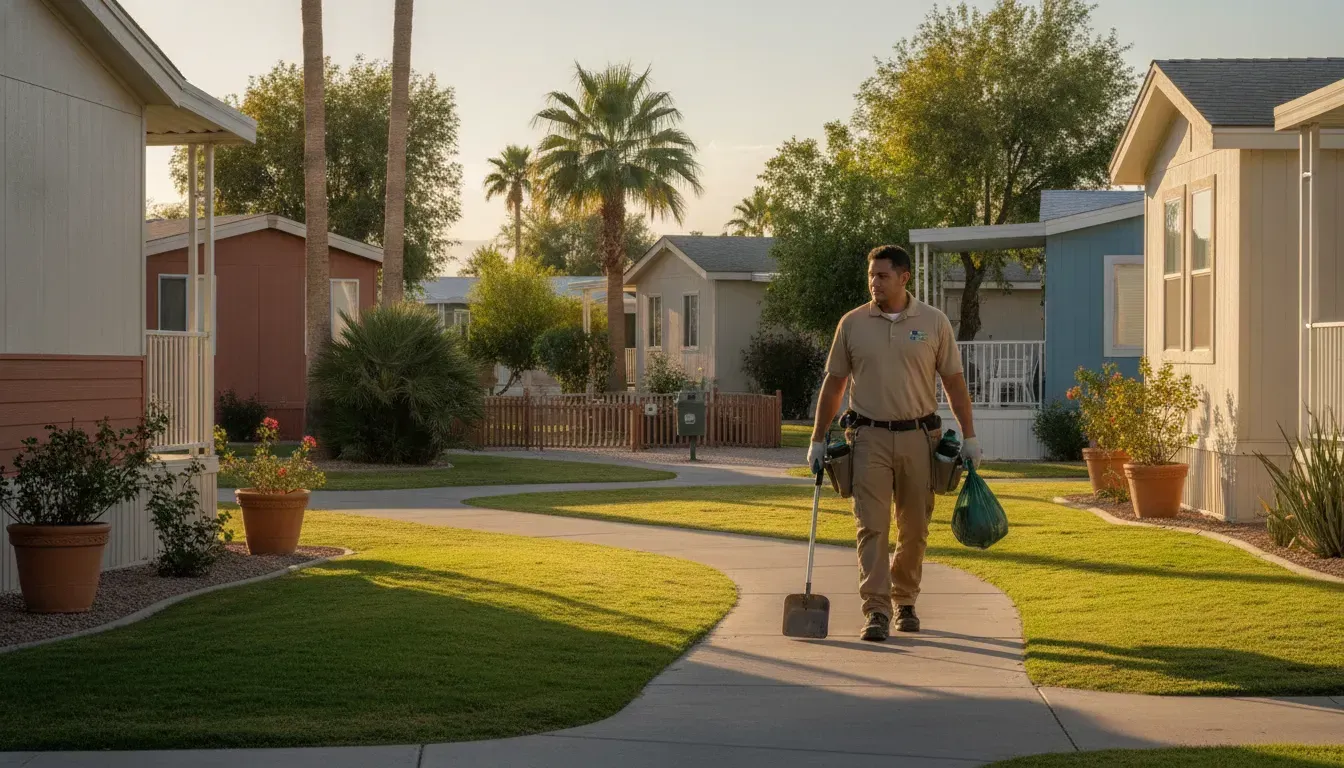
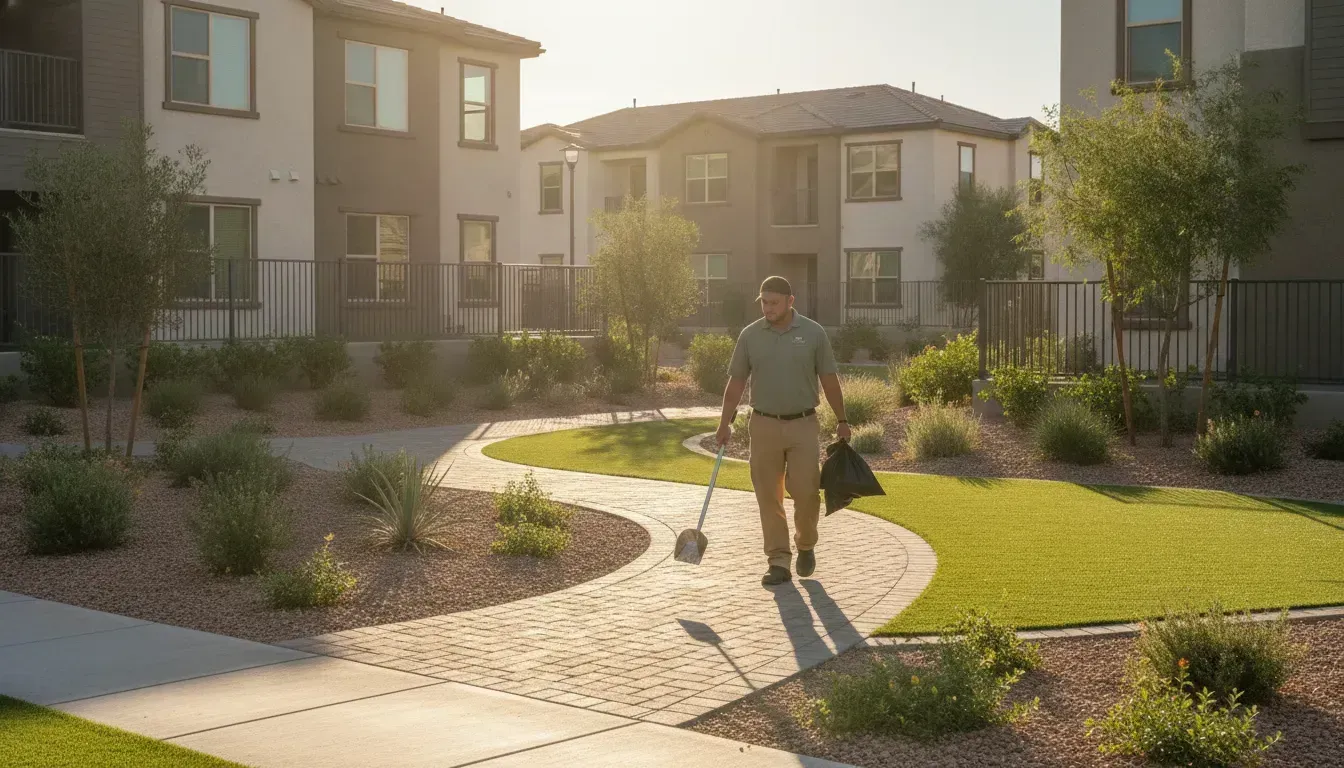
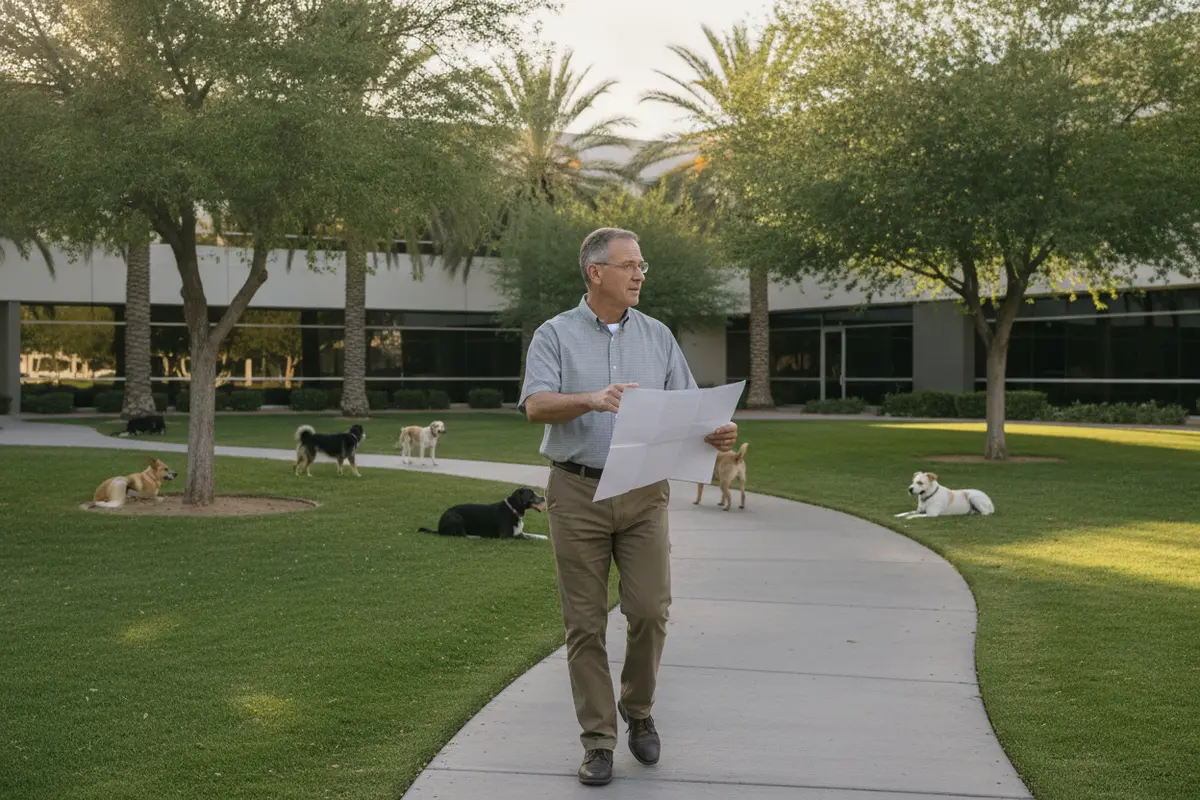
Start with a site walk. Mark the outdoor areas where employees, visitors, or tenants are permitted to bring dogs. Note the routes from parking areas to those spaces, the places where dogs are most likely to stop, and any narrow or heavily used walkways. Then assign responsibility for inspection and cleanup, and choose a routine that can be followed consistently.
That sequence matters. A service schedule alone cannot fix unclear expectations or an overlooked corner of the property. In the same way, a sign or waste-bag station cannot ensure that waste is removed after use. The plan works when people know where dogs may go, know what to do after a dog relieves itself, and can see that the grounds are checked.
For a compact office campus, this can be a short checklist attached to regular grounds inspections. A larger property may need separate attention for each lawn, courtyard, or walking route. If an area is used often, include it in the inspection route rather than relying on occasional complaints to identify missed waste.
- Map permitted dog areas. Identify lawns and routes intended for pet use, as well as planting beds or play areas where dogs should not be taken.
- Set a pickup expectation. Tell dog handlers to pick up waste promptly and use the designated disposal option.
- Assign an owner. Name the role responsible for checking the grounds, recording missed areas, and arranging cleanup.
- Set a review rhythm. Inspect on a predictable schedule and adjust it if actual use or conditions change.
If a campus is starting from a backlog, separate the first cleanup from the ongoing maintenance plan. A one-time reset can remove accumulated waste, after which recurring checks can help keep the grounds presentable. A1 offers one-time pet waste cleanup as a separate service option; managers can ask which approach fits their property.
Which Office Park Areas Should Be Included in the Cleanup Plan?
Focus on places where dogs and people share space. Walk the grounds at a normal pace and look at the property from the perspective of someone arriving from a parking lot, taking a break outside, or walking a dog between buildings. Waste can be easy to miss behind landscaping or along a fence line, so include edges and less visible pockets in the route.
A useful plan lists areas rather than saying only “check the lawn.” The list might include the main pet-friendly lawn, the route between that lawn and the nearest building entrance, the perimeter behind shrubs, and any additional outdoor zone where dogs are allowed. The exact map depends on the property; do not assume that one relief spot covers an entire campus.
- Designated pet relief lawns and landscaped strips.
- Walking paths between parking, entrances, and outdoor break areas.
- Edges of planting beds, fences, and low-visibility landscape features.
- Outdoor seating areas and courtyards where dogs are permitted.
- Waste-bag dispensers and disposal points, if the property has them.
Keep the map practical. A staff member or service provider should be able to follow it without interpreting vague directions. If the property has several buildings, use building names or simple zone labels. When a new area becomes pet-friendly, add it to the route and tell the people responsible for cleanup.
Managers can also distinguish between routine dog-walking areas and occasional event spaces. If a campus hosts an outdoor event that allows dogs, plan a check after the event rather than expecting the normal route to cover an unusually busy day. Keep that as an event-specific procedure, not a claim that routine service happens multiple times per week.
 How Often Should an Office Park Schedule Dog Waste Pickup?
Choose a schedule based on how often the designated areas are used, the number and location of pet-friendly zones, and the condition managers expect visitors to encounter. A route that sees steady daily dog use may need more frequent attention than a small area used occasionally. Start with a realistic service interval, check the results, and revise it if inspections show that waste is accumulating between visits.
For A1 Pet Maintenance, supported recurring service wording is weekly or bi-weekly, alongside one-time cleanup. A property manager should discuss the specific commercial need and confirm the appropriate scope and schedule before arranging service. Avoid assuming that a provider visits every day or twice a week unless that frequency has been specifically confirmed.
Use a straightforward review method for the first few weeks:
- Record which areas are included and when they are checked.
- Note any missed waste, complaints, or locations that repeatedly need attention.
- Compare those observations with the chosen weekly or bi-weekly service interval.
- Ask whether the service area, route, or interval should be adjusted.
Seasonal conditions can affect how comfortable people feel using outdoor spaces, but managers should base changes on observed use and property needs. In Las Vegas, shade, irrigation, and walking routes may influence where people take dogs. Keep the cleanup map current when landscaping or access changes, and do not treat odor control or waste pickup as interchangeable tasks. A1 also describes artificial grass cleaning and maintenance for properties with synthetic turf; managers should ask whether that separate service is relevant to their grounds.
Should Staff, Dog Handlers, or a Professional Service Handle Cleanup?
There is no single setup for every office park. Some properties expect dog handlers to pick up after their pets and assign staff to inspect the grounds. Others use a professional service for a defined recurring pickup route, especially when several shared areas need consistent attention. A one-time cleanup may be appropriate when waste has accumulated and the property needs a reset before adopting a regular routine.
The key difference is responsibility. A rule asking visitors to pick up waste establishes a user expectation. It does not, by itself, tell the property team who will check that shared areas are clear. A professional service can provide a dedicated cleanup task, but the manager still needs to define the service area and communicate the property's pet-use expectations.
ApproachBest fitWhat the property team needs to manageWhat to confirmDog handler pickup with staff inspectionsSmaller or lightly used pet-friendly areas with staff available to check themClear rules, supplies or disposal guidance, and a consistent inspection ownerWhich spaces are included and how missed waste is reportedRecurring professional pickupShared grounds that need dependable scheduled attentionAccess instructions, a clear map, and a contact for service coordinationIncluded areas, weekly or bi-weekly schedule options, service scope, and commercial termsOne-time cleanupA backlog, a property reset, or cleanup after a specific period of heavy useIdentifying affected areas and setting expectations for future maintenanceCleanup boundaries, access, and whether recurring service is also needed
Compare options by workload and accountability, not just by who is expected to carry a waste bag. A staff-led approach requires someone to inspect the grounds and follow up when areas are missed. A professional route requires coordination and clear instructions, but can establish a recurring task outside the regular responsibilities of office staff. If the property wants a one-time reset, ensure there is a plan to prevent the same backlog from returning.
For more context on how recurring pickup is described, see A1's dog poop service guide and commercial property pet waste cleanup information. Managers comparing providers can also use this guide to choosing a pet waste removal company to develop questions about scope, communication, and service fit. Ask for specifics rather than assuming every provider includes the same tasks.
What Should Managers Prepare Before Requesting an Office Park Cleanup?
A clear request helps a provider understand the property and helps the manager compare proposals. Before contacting a service, gather a few practical details. You do not need a complicated facilities document; a short site description and annotated map can answer many first questions.
- Describe the property. List the number of buildings or outdoor zones and identify the areas where dogs are allowed.
- Mark the route. Show entrances, gates, parking areas, and any access limits relevant to the cleanup.
- Explain the current condition. Say whether the request is for routine pickup, a one-time cleanup, or both.
- Share expected timing. State when outdoor areas are busiest and whether there are access windows or event dates to consider.
- Identify the contact. Give the name or role of the person who can answer questions and confirm service details.
- Ask about scope and terms. Confirm included areas, weekly or bi-weekly options if recurring pickup is appropriate, billing, and how changes are handled.
Photos can help describe a property, but they should not replace a written list of the zones to be serviced. If the property has gates, restricted courtyards, or multiple entrances, include those details early. The manager should also identify any rules that affect where a service provider may walk or where waste may be disposed of.
A1 Pet Maintenance serves commercial properties and offers pet waste removal in Southern Nevada and Tucson, according to its company information. For service questions or to start a discussion about a specific office campus, managers can use the A1 contact page or call. For general information about the company and its service approach, see About A1 Pet Waste Maintenance.
How Can Office Parks Set Clear Expectations for Dog Waste?
Make the expectation easy to understand and easy to follow. Tell employees, tenants, and visitors which outdoor spaces welcome dogs, that handlers are responsible for promptly picking up waste, and where to place bagged waste. If the property provides bags or disposal bins, note their locations and include a process to check them. If it does not, communicate the approved disposal method rather than leaving people to guess.
Use consistent wording across signs, tenant communications, and property guidance. A short message can be more useful than a long rule list: dogs are permitted in the designated area, handlers must pick up after them, and waste should be disposed of in the identified receptacle. Keep signs visible from the routes people actually use, and replace them if landscaping hides them.
Pet waste should be picked up and disposed of responsibly rather than left on the ground. The Penn State Extension guide, “Roadside Guide to Clean Water: Proper Pet Waste Disposal,” discusses proper pet waste disposal and notes that public parks may provide bag stations and trash cans. Office park managers can use that as a reminder to make disposal instructions clear, while checking their own local requirements and property rules.
Do not rely on signage as the entire program. An effective plan connects expectations to inspection and follow-through. When people report an issue, identify the location and time, address the immediate cleanup, and check whether the area or route needs to be added to the routine plan. Avoid blaming individual users when the property has not made its rules or disposal options clear.
 What Does a Practical Office Park Pet Waste Plan Include?
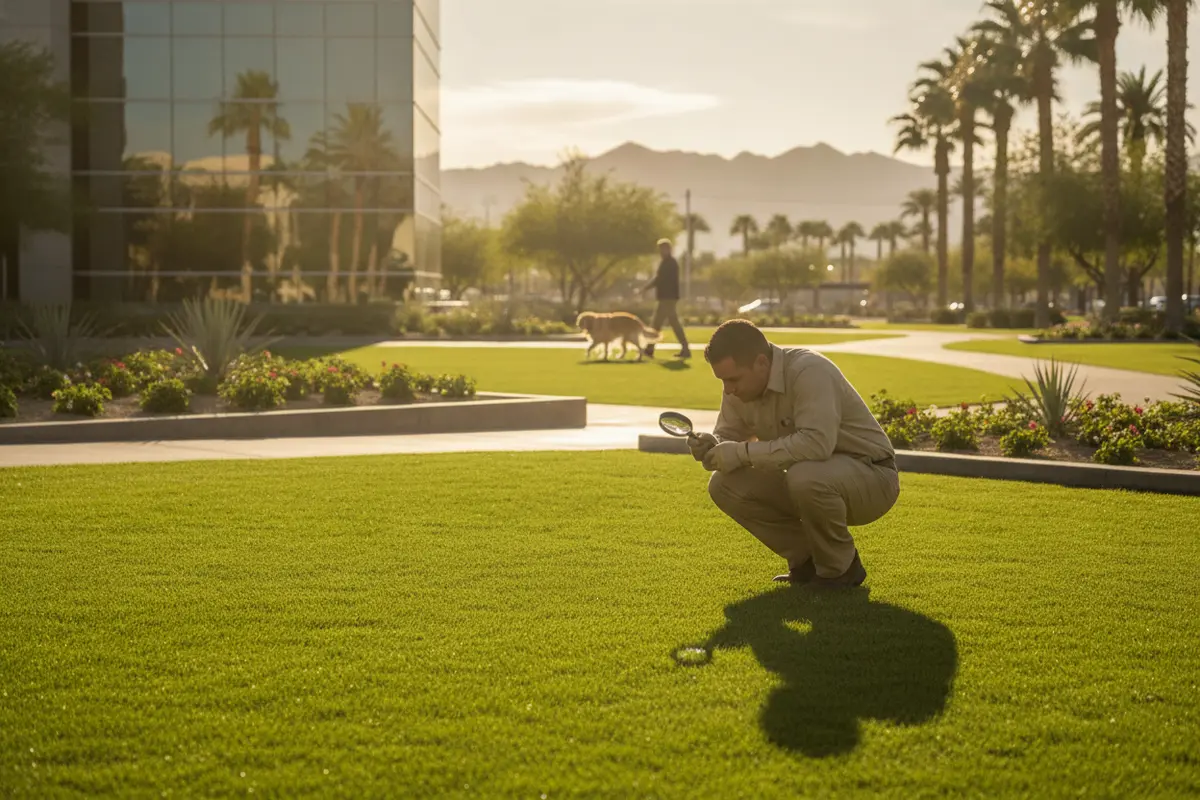
A useful plan can fit on one page. It should name the approved areas, state the pickup expectation, identify the inspection owner, and explain how scheduled service or one-time cleanup will be coordinated. The plan should also include a simple way to note an issue, such as a property-maintenance log or message to the designated contact.
- Map: the specific pet-friendly grounds and the paths or edges included in inspections.
- Expectation: handlers pick up after dogs and follow the site's disposal instructions.
- Responsibility: one staff role coordinates inspections and communicates with any provider.
- Schedule: a reasonable inspection rhythm and a confirmed weekly or bi-weekly service interval, if recurring service is selected.
- Escalation: how staff report accumulated waste, access issues, or a change in grounds use.
- Review: when the manager checks whether the service area and frequency still fit.
Keep the plan flexible enough to change when a building opens, a lawn is renovated, or a previously restricted area becomes pet-friendly. A route that once worked may no longer cover the way people actually use the campus. The goal is dependable upkeep, not a complicated policy that no one follows.
Call A1 Pet Maintenance Today to Discuss Office Park Cleanup
Frequently Asked Questions
Can an office park use recurring dog waste pickup?
Yes. A property manager can discuss recurring commercial cleanup for defined shared areas. Confirm the locations, scope, access, and schedule with the provider before service begins.
How often should an office park schedule professional cleanup?
The right interval depends on how the grounds are used and what inspections show. A1's supported recurring-service language is weekly or bi-weekly; discuss the property's particular needs to determine what can be arranged.
Is one-time cleanup different from recurring service?
Yes. One-time cleanup addresses accumulated waste or a specific reset, while recurring service is intended to maintain designated areas on a continuing schedule. A property may need a one-time cleanup before it begins routine upkeep.
Should office park visitors still pick up after their dogs if a service visits?
Yes. A scheduled service should not replace the expectation that dog handlers pick up after their pets. Clear rules and responsible disposal help keep grounds cleaner between service visits.
What information should a manager have before calling?
Prepare a map or list of pet-friendly areas, access details, the current condition, and whether you need a one-time cleanup, recurring pickup, or both. This gives the provider a practical starting point for discussing the property.
A clear map, straightforward expectations, and an appropriate cleanup schedule give office parks a practical way to keep pet-friendly grounds ready for employees and visitors. Managers can review the property, decide who will oversee pickup, and contact A1 to discuss a service plan for the areas that need attention.