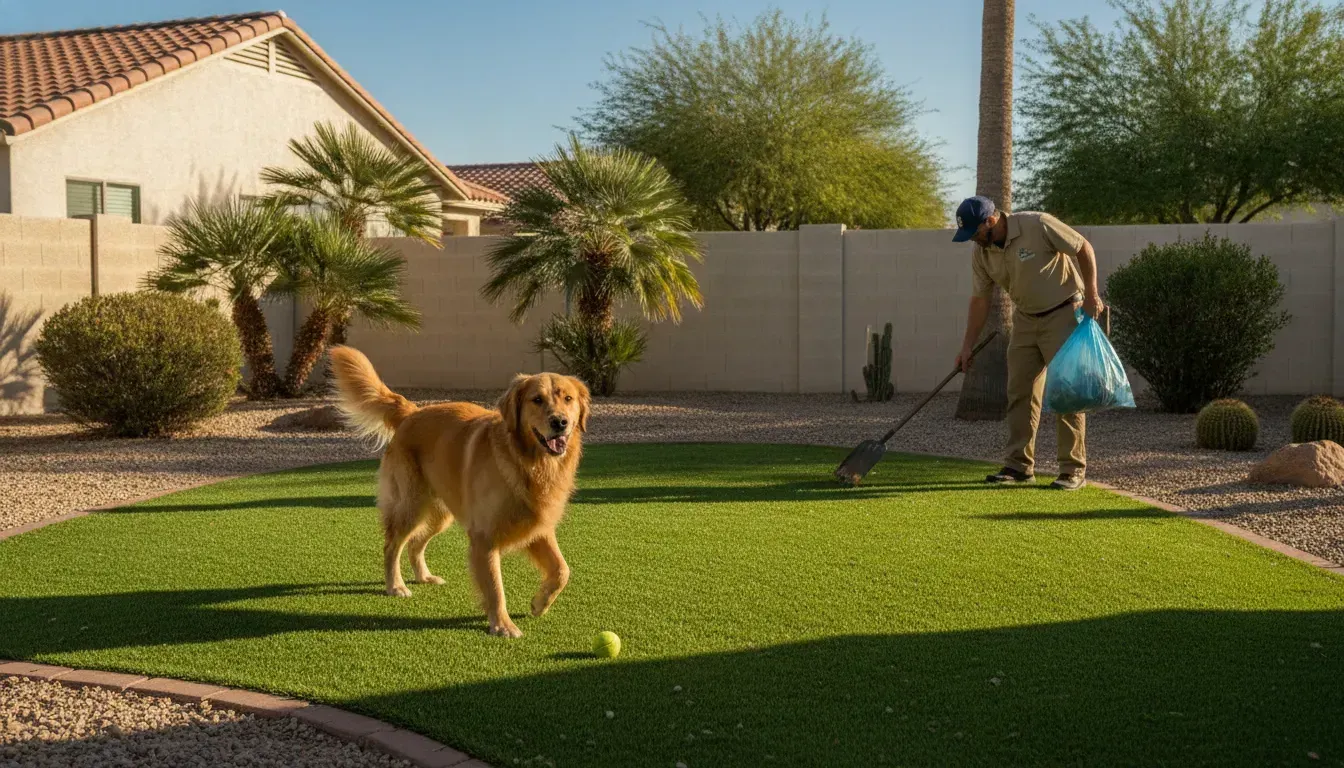
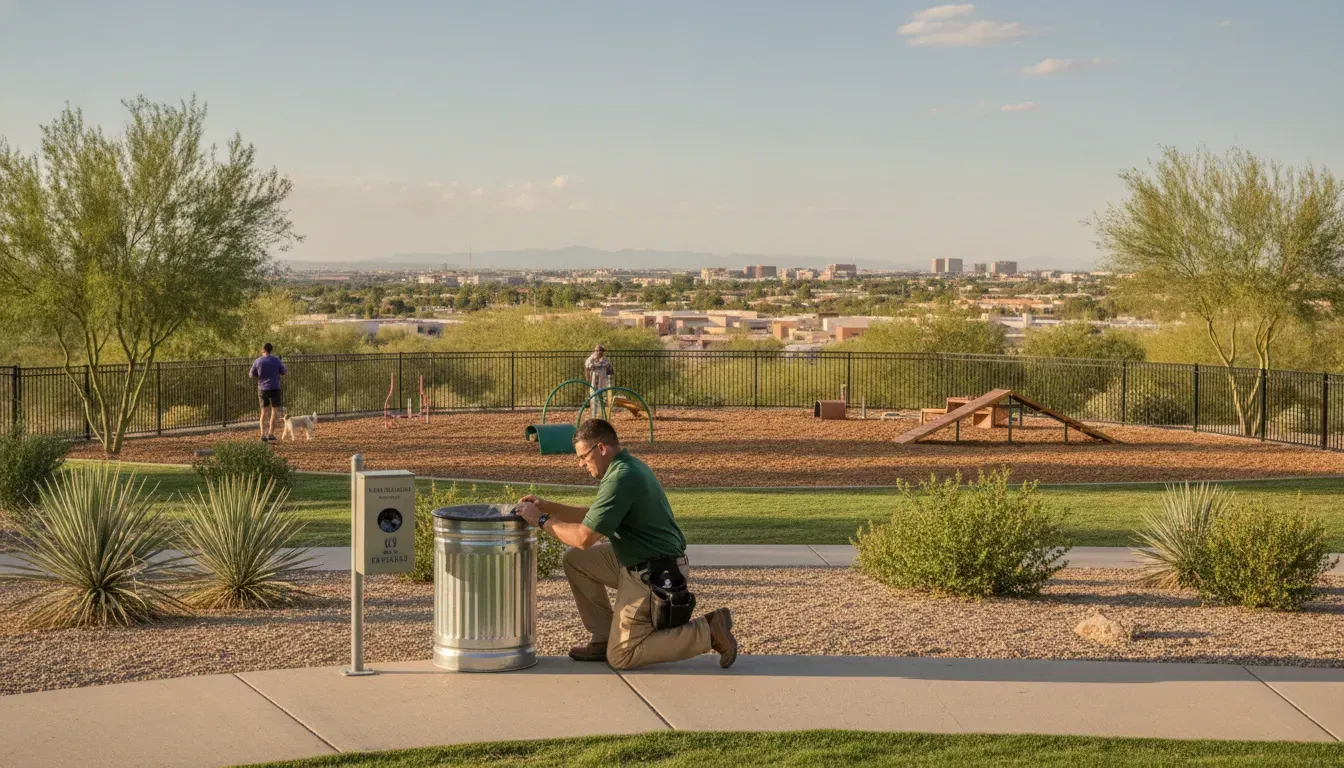
Commercial Pet Waste Removal Tucson Guide
Learn how commercial pet waste removal Tucson services help property managers, apartments, and HOAs maintain cleaner, safer, pet-friendly communities.

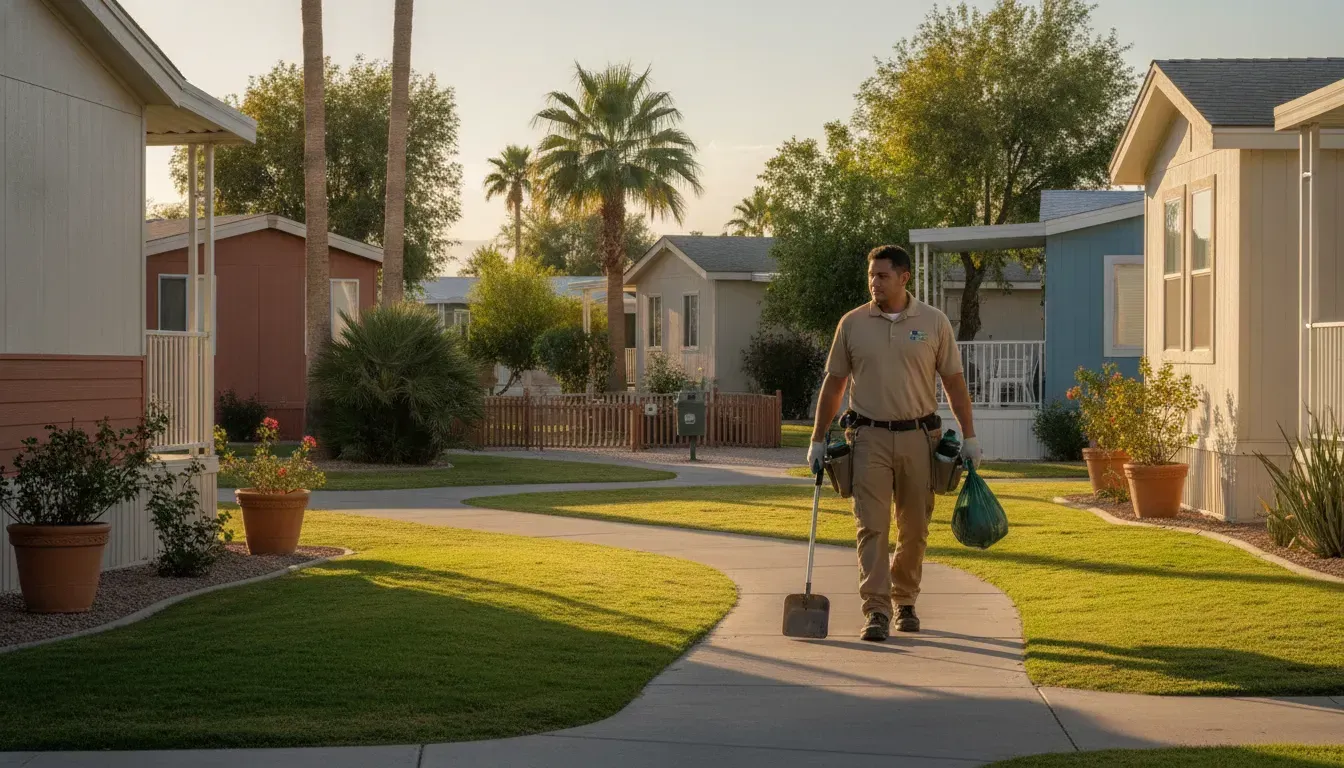
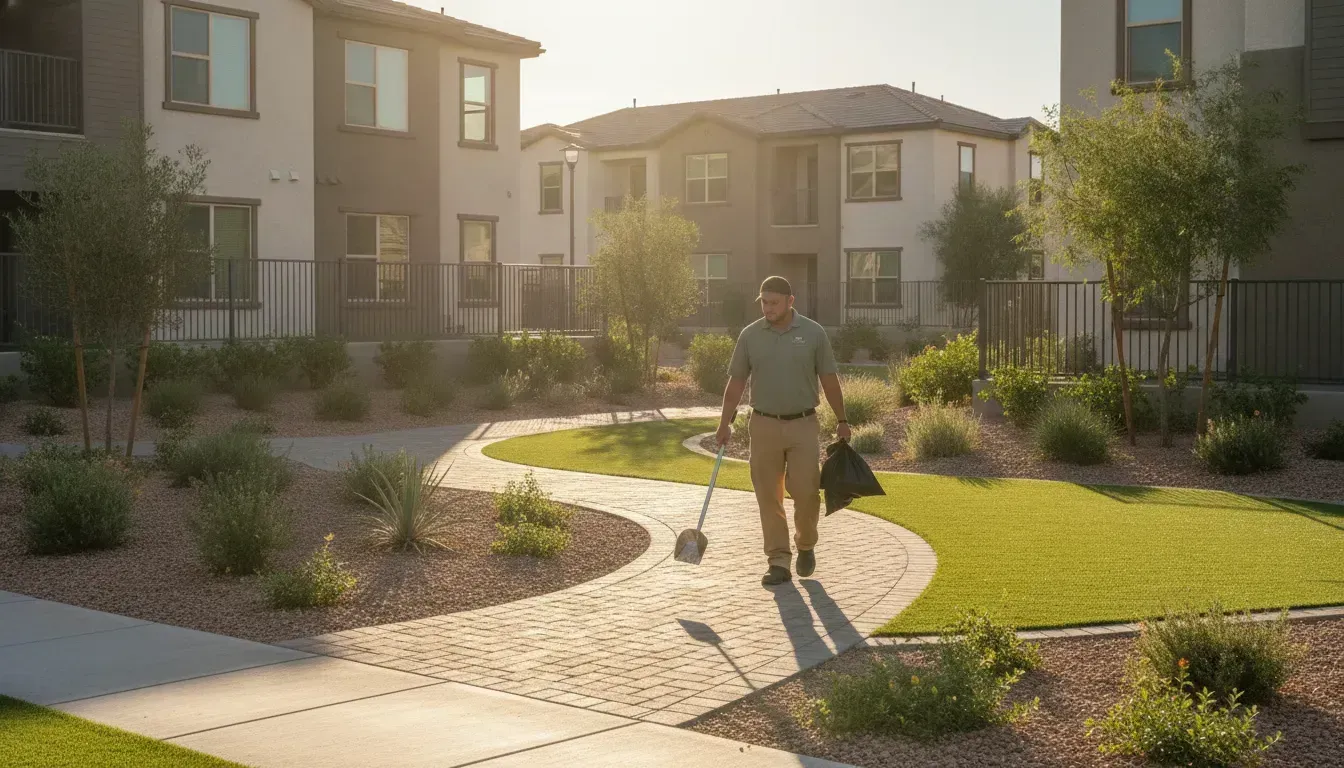
In a Tucson apartment community or HOA, a few missed piles can quickly become a visible property-management problem. Shared lawns, sidewalks, pet stations, and drainage paths need a consistent plan. Occasional cleanup after residents complain is not enough.
Call A1 Pet Maintenance at (702) 521-2624 Today
The right service plan makes pet-waste control a repeatable part of maintaining a welcoming, pet-friendly community. It starts with understanding why sanitation and responsible disposal matter in Tucson neighborhoods.
Why Is Commercial Pet Waste Management Important for Tucson Communities?
For Tucson apartment communities, multifamily properties, and HOAs, pet waste management is more than a visual cleanup task. It is part of protecting shared spaces, following local disposal guidance, and maintaining a community residents are comfortable using every day. Pet waste left on walkways, lawns, pet areas, and landscaping can create avoidable sanitation problems. It can also create property-management problems.
Environmental and health responsibilities
Tucson's dry climate does not make pet waste harmless or self-managing. The City of Tucson explains that animal waste contains bacteria that can pollute stormwater and be carried into fragile desert washes. The city also warns that improperly managed waste may pose risks to children, pets, and wildlife. Those concerns are especially relevant in communities where many residents and animals share limited outdoor areas.
Pet waste does not simply turn into beneficial fertilizer. Tucson's guidance states that it does not just "go away" and does not become fertilizer. That means common areas need an active collection and disposal process rather than an assumption that heat, sunlight, or landscaping will solve the problem. The city advises residents to bag pet waste and place it in the garbage, not leave it in yards or discard it in washes or the desert. Read Tucson's pet-waste guidance.
There are also specific public-health considerations. According to the CDC, toxocariasis can spread through contact with feces from dogs and cats infected with roundworm. This does not mean every instance of pet waste causes illness. But it reinforces the need to reduce avoidable contact with contaminated material. This is especially important around areas used by children and pets.
Compliance and resident experience
Tucson's city guidance identifies City Code Chapter 4, Section 4-28 in connection with pet-waste responsibilities. A documented, consistently applied cleanup routine helps managers and HOA boards turn that responsibility into an operating standard. It also gives residents a clear expectation for how shared areas should be maintained.
Consistent service supports the resident experience as well. Professional removal can help keep common areas clean and reduce pet-waste complaints. A practical waste policy allows a community to remain pet-friendly without lowering standards for public spaces. For managers, the objective is straightforward: cleaner grounds and fewer recurring sanitation concerns. Shared areas should feel cared for by everyone who uses them.
What Should a Tucson Property Manager Expect From a Scheduled Service?
A scheduled commercial service should function as a dependable part of the property's maintenance plan, not as an occasional response to complaints. For a multifamily community or HOA, the goal is a cleaner, more consistent experience across the shared spaces residents and their pets use every day. Commercial partnerships are typically built around regular service agreements tailored to the property's size and pet density.
A practical service plan for the whole property
The first expectation is route consistency. A defined service schedule gives the property team a clear operating rhythm and makes pet-waste removal easier to coordinate with landscaping, porter duties, and other common-area maintenance. The exact plan should reflect the community rather than follow a one-size-fits-all template. A smaller property with limited pet traffic may need a different approach. A large community may have several dog-walking routes, pet stations, courtyards, and turf areas.
Scope should be discussed before service begins. A property manager should know which shared areas are included, such as sidewalks, lawns, dog parks, pet relief areas, entrances, and other high-traffic locations. The plan can also identify areas that need particular attention after resident use, landscaping, or changes in occupancy. Clear scope helps the management team understand what is covered and gives the service provider a practical standard to follow on each route.
Communication is equally important. Managers should be able to share access details, point out recurring problem areas, report changes in pet traffic, and ask questions without creating confusion for onsite staff. A reliable commercial relationship should make it easier to address conditions as they change. Whether the property adds a pet area, adjusts its common-area layout, or sees a shift in resident needs.
Documentation supports that communication. Depending on the agreement, property teams may want service records, route notes, issue reporting, or confirmation that scheduled work was completed. These records help managers track the maintenance relationship, respond to resident questions. They also identify patterns that may call for better waste-disposal reminders or changes to the property's pet policies.
Before selecting a provider, ask for a plan that explains the service area, schedule, communication process, and documentation approach in plain language. A tailored plan helps the property manager maintain cleaner common areas. It also keeps expectations clear for staff, residents, and the service provider.
How Does Commercial Pet Waste Removal Tucson Help Property Managers?
Property managers are responsible for more than the appearance of a community. They also set practical standards for shared spaces, respond to resident concerns, and help ensure that pet-friendly policies work for the entire neighborhood. A scheduled service gives those responsibilities a clear operational process instead of leaving cleanup to inconsistent resident habits.
Cleaner grounds create a better resident experience
Visible waste around sidewalks, dog areas, entrances, and landscaped spaces can quickly become a recurring source of complaints. Professional removal helps keep common areas cleaner and gives management teams a dependable way to address one of the most noticeable sanitation issues in multifamily housing. Property managers often use professional services to keep shared areas clean and reduce resident complaints, as noted by the University of Arizona's housing guidance: professional pet waste removal can support cleaner communities and fewer complaints.
That consistency matters in Tucson, where residents may rely on outdoor walkways, courtyards, pet relief areas, and open spaces throughout much of the year. A cleaner setting supports a more positive day-to-day experience for residents, visitors, staff, and maintenance teams. It also makes the community's pet rules easier to understand: pets are welcome, but shared spaces still receive regular care.
Consistent standards make policies easier to manage
A written pet policy is more effective when the property has a repeatable process for maintaining the areas covered by that policy. Regular service can complement resident reminders, waste stations, inspections, and incident follow-up. It does not replace responsible pet ownership, but it helps management maintain a baseline standard across the property rather than relying on occasional spot cleanup.
Research from Washington State University similarly describes consistent pet-waste practices as a way to preserve pet-friendly communities while maintaining clean public spaces. That balance is important for apartment operators and HOA boards. Residents with pets can use designated areas with greater confidence, while residents without pets can expect common areas to remain cared for.
A measurable service supports operational confidence
Scheduled commercial pet waste removal can also clarify who is responsible for routine cleanup and when that work should occur. Managers can evaluate the service against the property's needs, communicate expectations to residents, and adjust the plan if pet density, occupancy, or common-area use changes. Cleaner grounds may strengthen the overall impression of a well-managed community, but no vendor can guarantee a specific increase in property value. The practical goal is a safer, cleaner, more consistent resident environment.
For Tucson communities that need a structured approach, A1 Pet Maintenance provides commercial property pet waste cleanup for property managers and HOA teams seeking a tailored service arrangement.
How Can Apartment Complexes and HOAs Choose the Right Vendor?
The right vendor should fit the property's daily operating needs, not simply promise to remove visible waste. A Tucson apartment complex or HOA should compare service details, communication standards, sanitation practices, and documentation before signing an agreement. Use this checklist to make the decision practical and easy to review with owners, board members, and onsite teams.
Vendor Selection Checklist
- Define the service schedule. Ask how often the vendor will visit, which days routes are available, and how the schedule changes for holidays, seasonal occupancy, or unusually high pet use. A written schedule makes expectations clear for managers, residents, and maintenance staff.
- Map the exact scope. Confirm whether service includes dog stations, sidewalks, grassy areas, pet relief zones, courtyards, playground perimeters, and other shared spaces. Ask how the vendor handles waste found outside the normal route and whether the property can adjust coverage as pet density changes.
- Ask how communication works. Identify one point of contact, the expected response process, and how missed service, access problems, resident complaints, or urgent sanitation concerns are reported. Clarify whether the property receives visit notes, issue reports, or another form of service documentation.
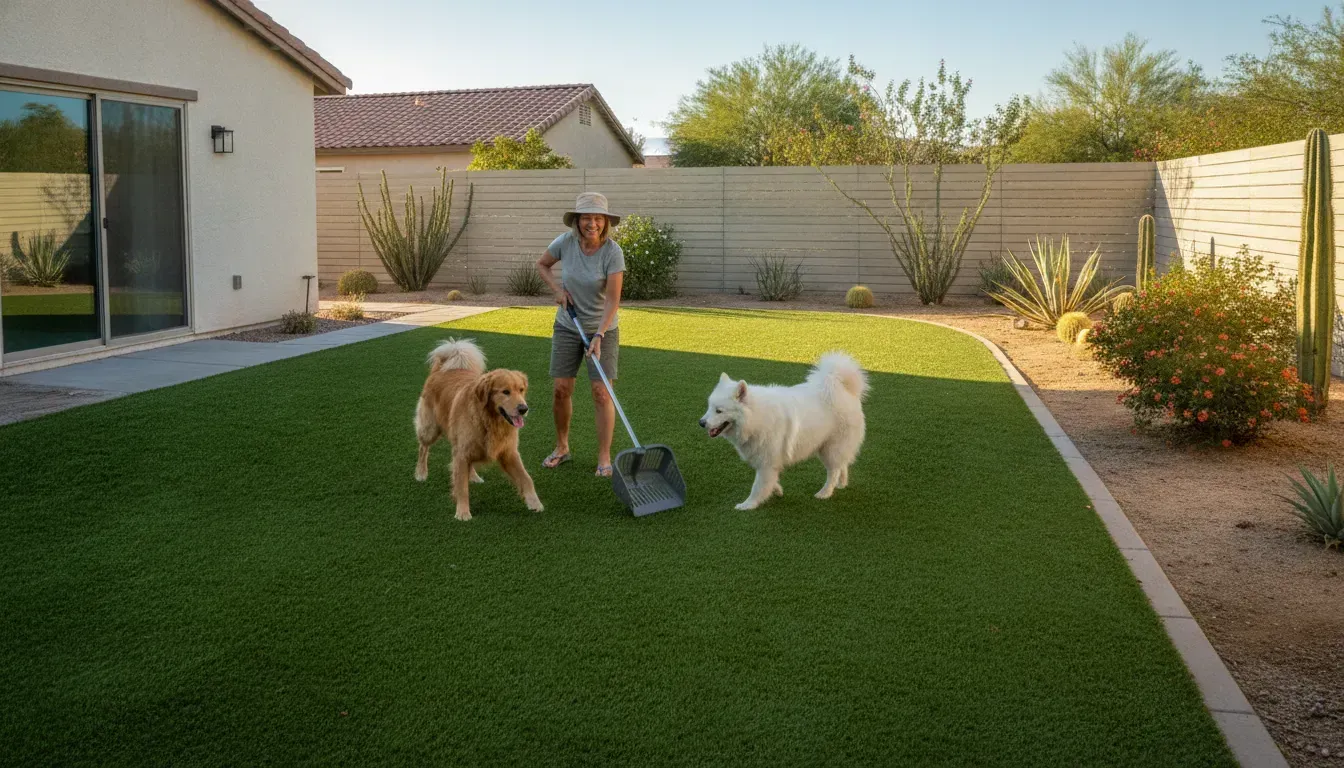
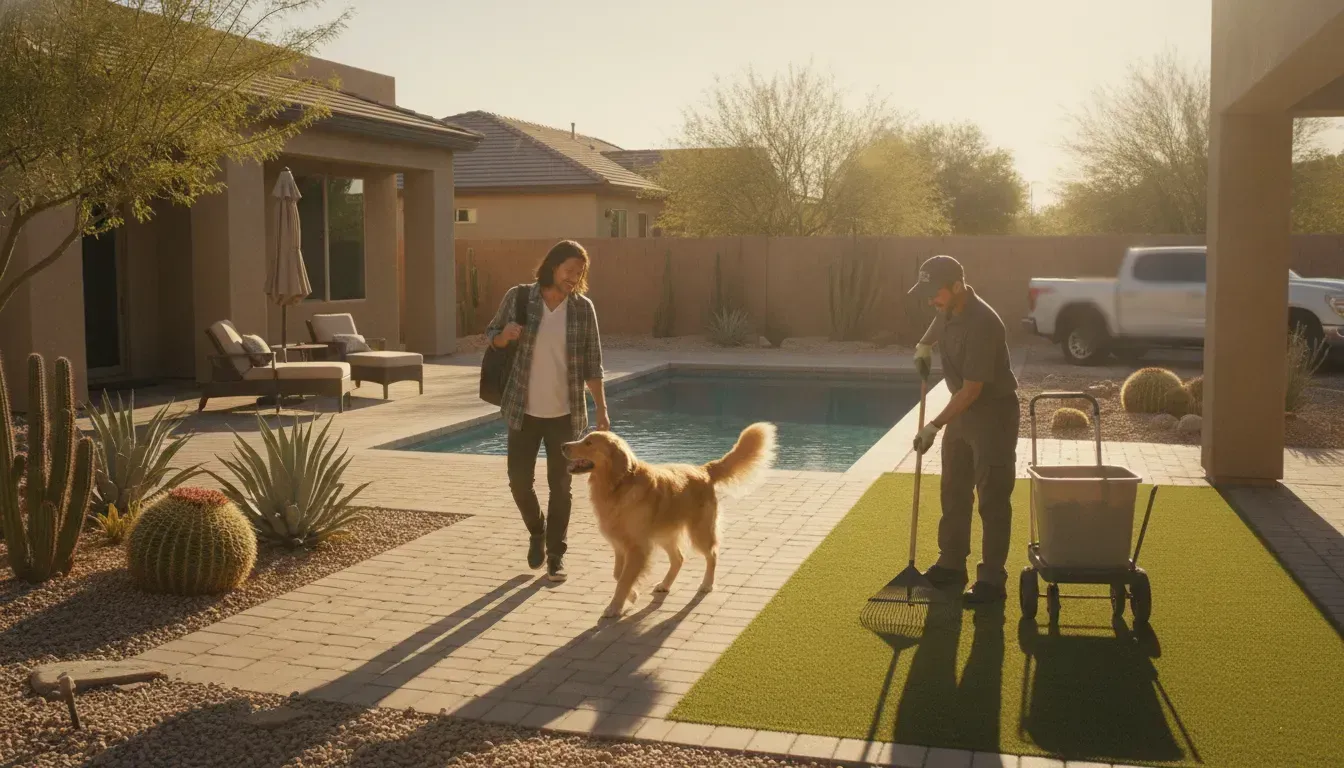
- Understand the sanitation approach. Ask what equipment and disposal procedures are used, how collected waste is handled, and whether artificial turf or high-traffic areas receive separate attention. Tucson guidance recommends bagging pet waste and placing it in garbage rather than leaving it in yards, washes, or desert areas. City guidance can help managers align vendor procedures with local expectations.
- Review documentation before approval. Request a written scope of work, service frequency, access requirements, cancellation terms, and billing details. Ask what insurance certificates, business information, licenses, or other vendor documents your ownership group or HOA policy requires. Do not assume a document is included until it is provided and reviewed.
- Request a property-specific quote. Give the vendor an accurate property map, unit count, pet areas, known problem spots, and preferred service frequency. A custom quote should reflect the actual site rather than a generic package. For background on what to expect from a professional dog waste removal service, review the service guide before comparing proposals.
What Pet Waste Plan Fits Tucson Apartment and HOA Properties?
There is no single service schedule that fits every Tucson apartment community or HOA. The right planning model depends on pet density, the number of shared areas, resident traffic, landscaping, and how quickly managers need issues addressed. A property with a small dog area and a property with several buildings, walkways, and open spaces may need very different levels of coverage.
Use the comparison below as a starting point for a vendor conversation. These are planning frameworks, not a published price list or a promise that one frequency will suit every property.
For many properties. The most useful discussion is not simply "How often should someone come?" It is "What standard should residents and onsite staff be able to expect?" A practical plan defines the common areas included. The service frequency or response process, access instructions, communication responsibilities, and any high-traffic zones that need special attention. It should also be adaptable as occupancy, pet density, or community usage changes.
Before selecting a model, walk the property at different times, review resident complaints, and identify dog parks, pet stations, courtyards, sidewalks, and perimeter areas that require attention. Then ask a provider to recommend a tailored scope for the site. A clear plan helps apartment and HOA teams maintain cleaner shared spaces without committing to a schedule that does not match actual property conditions.
How Can A1 Pet Maintenance Support Tucson Commercial Properties?
A1 Pet Maintenance brings more than 26 years of experience to commercial pet waste management across Nevada and Arizona. That background supports a practical, repeatable approach for Tucson apartment communities, multifamily properties, HOAs, and other sites where shared outdoor areas need consistent attention. The goal is straightforward: help property teams maintain cleaner grounds and a more comfortable environment for residents, guests, and pets.
A Commercial Service Model Built Around the Property
Every property has a different combination of common areas, pet activity, walking routes, and maintenance priorities. A1 creates scheduled service agreements tailored to property size and pet density rather than treating every community the same. That allows managers and boards to discuss the areas that matter most, establish a service cadence, and build a plan around the way residents actually use the grounds.
This model is supported by experience with more than 19 multifamily clients and a reported 18.2-year client retention period. A1 also works with government contracts, adding experience in structured service relationships where consistency, communication, and clear expectations matter. These facts do not replace a property-specific review, but they provide useful context when a manager or HOA board is comparing potential providers.
For Tucson commercial properties, the right arrangement may depend on the property's footprint. The number of pet households, the concentration of dog-walking areas, and the standard the community wants to maintain. A1 can discuss those factors and develop custom pricing instead of presenting an unsupported one-size-fits-all number. Managers can review the commercial property pet waste cleanup service information before requesting a conversation about their site.
A scheduled agreement also gives the property team a defined service relationship to manage. During the quoting process, managers can identify priority zones, ask how service updates will be handled, and clarify the expected scope. That preparation helps align the vendor's work with the property's operational needs while supporting a cleaner, more consistently maintained community.
Frequently Asked Questions
Why is commercial pet waste management important for HOAs?
Consistent cleanup helps HOAs maintain shared spaces, support pet-friendly policies, and address resident concerns before waste becomes a recurring property-management issue. Tucson guidance also warns that animal waste can pollute stormwater and be carried to desert washes (City of Tucson guidance).
How often should commercial properties have pet waste removed?
The right schedule depends on property size, pet density, the number of shared areas, and how quickly waste accumulates. A manager may need routine service, more frequent visits in high-use areas, or a combination of scheduled cleanup and responsive service. Review complaint patterns and site conditions with the provider instead of choosing a schedule by unit count alone.
Is it illegal to not pick up dog poop in Arizona?
Local requirements apply in Tucson, and city guidance identifies Tucson Code Chapter 4, Section 4-28. It directs residents to bag pet waste and place it in the garbage, not leave it in yards or discard it in washes or desert areas (City of Tucson guidance). Property managers should confirm how applicable rules affect their community policies.
Can commercial pet waste removal services handle large apartment complexes?
Yes. A commercial plan can organize service around multiple buildings, dog areas, walking routes, waste stations, and other shared spaces. The provider should document the service scope, establish a dependable route. And tailor the agreement to the community's size and pet activity rather than applying an identical plan to every property.
How do you choose a commercial pet waste removal service in Tucson?
Ask how the provider defines the cleanup area, schedules visits, communicates missed-service issues, handles bagged waste, and documents completed work. Also confirm insurance and agreement terms before signing. Choose a service model that supports clean common areas consistently, not one based only on the lowest quoted price.
Ready to Plan a Cleaner Commercial Property?
A consistent pet waste plan can help Tucson apartment complexes, multifamily properties. And HOAs maintain shared areas and give property teams a clearer way to manage recurring cleanup needs. Request a custom commercial quote based on your property's layout, pet activity, and service priorities.
Call A1 Pet Maintenance at (702) 521-2624 to request your custom commercial quote.