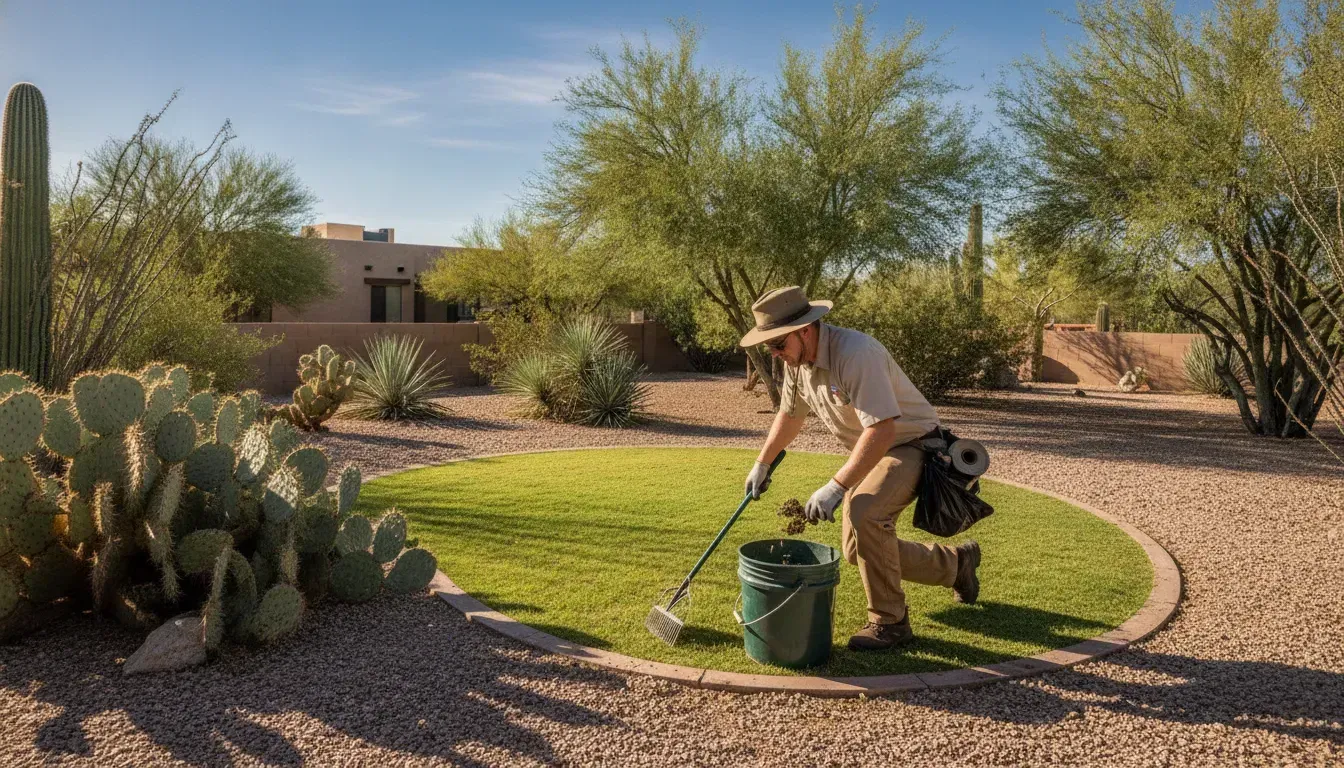
How to Remove Pet Odor From Artificial Grass for Good
A common myth about artificial turf is that its superior drainage system automatically washes away pet urine. While the liquid does drain, it leaves behind odor-causing uric acid crystals that embed themselves in the turf backing and infill. Another misconception is that any household cleaner will do the job, but many products only cover up the smell temporarily. To get your yard back, you need to address the root cause. This guide will debunk the common myths and provide a clear, step-by-step plan for how to remove pet odor from artificial grass effectively, ensuring you eliminate the smell for good.
Key Takeaways
- Understand the real problem: A simple rinse with a hose won't work because the source of the smell, uric acid crystals, doesn't dissolve in water. To eliminate the odor for good, you need a cleaner that is specifically designed to break down these stubborn crystals.
- Choose the right tool for the job: For deep-set smells, use an enzyme cleaner that works over time to digest the odor-causing bacteria. For a fast-acting solution, an oxidizing cleaner destroys odor molecules on contact. A simple mix of equal parts vinegar and water is also a great DIY option for lighter odors.
- Prevention is your best strategy: Staying ahead of the smell is much easier than fighting it later. Create a simple routine of rinsing potty spots frequently and brushing the turf weekly. If an odor persists despite your best efforts, it's a sign the problem is deep in the infill and it's time to call a professional.
Why Your Artificial Grass Smells Like Pet Urine
You invested in beautiful, low-maintenance artificial grass to create a perfect outdoor space, but now there’s an unmistakable smell you can’t ignore. It’s a common and frustrating problem for pet owners. That persistent odor isn't just sitting on the surface; it’s the result of a chemical reaction happening deep within your turf’s layers. Understanding why the smell develops and sticks around is the first step to getting rid of it for good. The issue often comes down to science, heat, and a few common misunderstandings about how turf works.
The Science Behind Trapped Urine Crystals
The core of the problem lies in the composition of pet urine. It contains urea and uric acid, and when the liquid part evaporates, it leaves behind stubborn uric acid crystals. These crystals are the real source of the lingering smell, and they embed themselves deep into the turf blades, the backing material, and the infill below. The main issue is that these crystals are not water-soluble, so simply rinsing your lawn with a hose won't wash them away. Every time the turf gets damp from humidity, dew, or another potty break, the moisture reactivates the crystals, releasing a fresh wave of pungent ammonia gas. This is why the smell seems to disappear only to return again and again.
How Heat Amplifies Pet Odors
If you live in a hot climate like Southern Nevada or Arizona, you’ve likely noticed the pet urine smell is significantly worse on a sunny afternoon. This isn't your imagination. Heat acts as a catalyst, accelerating the breakdown of urea into that potent ammonia gas. As the sun beats down, it warms the trapped urine crystals, causing them to release their odor much more quickly and intensely. The heat essentially "bakes" the smell out of the turf and into the air, turning a mild morning odor into an overwhelming stench by midday. This effect makes it difficult to enjoy your yard precisely when you want to be outside, and it’s why homeowners in warmer regions face a tougher battle against turf odors.
Debunking Common Turf Odor Myths
Let’s clear up a couple of common myths about smelly turf. First, many people assume that because artificial grass has excellent drainage, urine just washes through and disappears. While the liquid drains away, the odor-causing urine crystals get left behind and accumulate over time, especially in your pet’s favorite potty spots. Another myth is that any household cleaner or air freshener will solve the problem. Unfortunately, many products only cover up the smell temporarily without addressing the root cause. To truly get rid of the odor, you need a solution that eliminates it at the source by breaking down the uric acid crystals, which is why specialized enzyme and oxidizing cleaners are so effective.
How to Get Pet Odor Out of Artificial Grass
When you notice that tell-tale urine smell coming from your beautiful artificial grass, don't panic. That odor doesn't have to be a permanent feature of your backyard. The key is to use the right products and techniques to break down the uric acid crystals that cause the smell. Luckily, you have several effective options, from powerful commercial cleaners to simple DIY solutions you can mix up at home. Let's walk through the best methods to get your turf smelling fresh again.
Use an Enzyme-Based Cleaner
Think of enzyme-based cleaners as a microscopic cleanup crew. These products use beneficial bacteria that produce enzymes to break down and essentially "eat" the odor-causing organic waste in pet urine. Instead of just masking the smell, they eliminate the odor at its source. This makes them incredibly effective for stubborn smells that seem to linger deep within the turf. To use one, you typically saturate the affected area with the cleaner and let it air dry. The enzymes need time to work their magic, so there’s no need to rinse. This method is a favorite among pet owners because it’s powerful, non-toxic, and safe for the whole family.
Try an Oxidizing Spray
If you need a fast-acting solution, an oxidizing spray is an excellent choice. Unlike enzyme cleaners that digest waste over time, oxidizing products work instantly through a chemical reaction. Products like OxyTurf use stabilized hydrogen peroxide to destroy odor molecules on contact. When the spray hits the urine residue, it oxidizes the compounds, breaking them down and neutralizing the smell immediately. This is a great option for tackling fresh spots or for a quick refresh before you have guests over. Just spray the area thoroughly and let it work. It’s a powerful and efficient way to reclaim your yard from pet odors without the wait.
Apply a Baking Soda Treatment
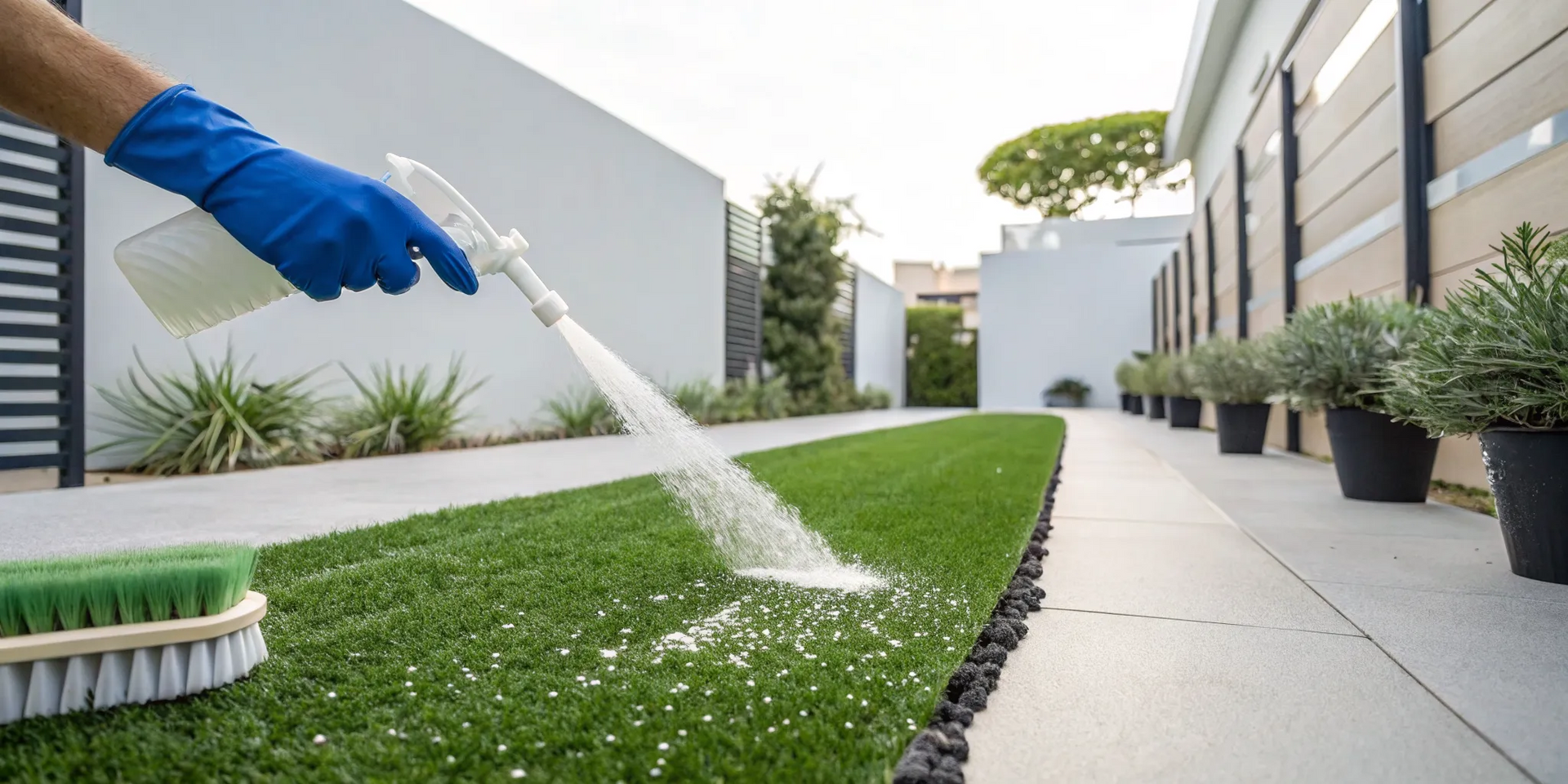
For a simple and affordable DIY approach, look no further than your kitchen pantry. Baking soda is a fantastic natural deodorizer that can absorb and neutralize odors. For this method, generously sprinkle dry baking soda over the smelly patches of your turf, paying extra attention to your pet’s favorite potty spots. Let it sit for at least an hour, though a few hours is even better, to give it time to absorb the odors. After it has worked its magic, you can thoroughly rinse the baking soda out of the turf with a hose. It’s a gentle yet effective way to freshen up your lawn.
Mix a Vinegar and Water Solution
Another effective and budget-friendly DIY cleaner is a simple vinegar and water solution. The acetic acid in white vinegar is great at breaking down the ammonia in pet urine, which is a primary cause of the unpleasant smell. Just mix equal parts white vinegar and water in a garden sprayer or spray bottle and apply it generously to the affected areas of your turf. Don’t worry about the initial vinegar smell; it will dissipate as the solution dries, taking the urine odor with it. This is a safe, natural, and cost-effective way to tackle pet odors on your artificial grass.
Chemicals to Avoid on Your Turf
While it might be tempting to reach for a heavy-duty cleaner, some chemicals can do more harm than good. You should never use harsh products like chlorine bleach or strong, undiluted acids on your artificial grass. These can discolor or even melt the synthetic fibers, permanently damaging your investment. They can also be toxic to your pets, children, and local wildlife. It’s also wise to avoid oil-based cleaners, which can leave a residue that attracts more dirt. When in doubt, it’s always best to stick with products specifically designed for artificial turf or call in the experts for a professional and safe artificial grass cleaning.
Top-Rated Commercial Products for Turf Odor
When DIY solutions don’t quite cut it, it’s time to bring in the big guns. Commercial turf cleaners are specifically formulated to tackle the stubborn ammonia and bacteria that cause pet odors. Unlike simple soaps or household cleaners, these products are designed to break down the problem at its source rather than just masking the smell. You’ll generally find two main types: enzyme cleaners and oxidizing cleaners. Enzyme-based products use beneficial bacteria to "eat" the organic matter and urine crystals, while oxidizing cleaners use a chemical reaction to destroy odor-causing molecules.
Choosing the right product often depends on the severity of your odor problem, your local climate (hello, Las Vegas heat!), and how many furry friends are using the lawn. Below are some of the most effective and highly-rated products that homeowners and property managers trust. Keep in mind that even with the best products, consistency is everything. If you’ve tried a few options and still can’t get rid of the smell, a professional artificial grass cleaning service can provide a deeper, more thorough treatment to restore your turf.
OxyTurf
If you’re looking for a powerful, hospital-grade solution, OxyTurf is a fantastic choice. This product is an oxidizing cleaner, meaning it uses a special form of hydrogen peroxide to eliminate odors. Instead of relying on enzymes, it works by breaking down the cell walls of odor-causing bacteria on contact. According to the manufacturer, its formula is strong enough to remove 99.9% of the harmful contaminants that lead to bad smells. Many users love that OxyTurf is tough on odors but still safe for pets and kids once it dries. It’s a great option if you need a deep clean that sanitizes your turf while deodorizing it.
Simple Green Outdoor Odor Eliminator
Simple Green is a well-known name in cleaning, and their Outdoor Odor Eliminator is a go-to for many pet owners. This is an enzyme-based cleaner that uses live bacteria to break down the ammonia in pet urine, effectively getting rid of the smell at its source. It’s specifically designed for outdoor use on surfaces like artificial grass, patios, and decks. The key is to let the product’s natural enzymes do their job. You simply spray it on the affected areas and let it air dry. Because it uses beneficial bacteria, it’s a gentle yet effective way to manage recurring pet odors without harsh chemicals.
Turf Hero
Turf Hero is another highly effective enzyme cleaner that’s popular for tackling persistent pet odors on artificial grass. Like other enzyme-based solutions, it uses live bacteria to break down the organic waste that causes unpleasant smells. Instead of just covering up the odor, it digests the source of the problem until it’s gone. This makes it a great choice for ongoing maintenance, especially if you have multiple pets. Experts often recommend enzyme cleaners like Turf Hero because they offer a long-lasting solution by continuously working to eliminate new odors as they appear. It’s a reliable product for keeping your yard fresh.
SCOE 10X Odor Eliminator
Sometimes the best recommendations come from other pet owners, and SCOE 10X Odor Eliminator is a product that gets a lot of praise in online forums. Many users report that it’s incredibly effective at getting rid of stubborn dog urine and poop smells on artificial turf when other products have failed. It’s a super-concentrated formula, so a little goes a long way. What makes it stand out is the sheer volume of positive user reviews from people in situations just like yours. If you feel like you’ve tried everything, this might be the powerful solution you’ve been looking for.
Thornell KOE
For the toughest odor challenges, Thornell KOE (Kennel Odor Eliminator) is a name that frequently comes up, especially from owners of multiple large dogs. This is another product with a strong word-of-mouth reputation for its ability to handle extreme situations. In one discussion, a homeowner with two large dogs mentioned it was the only thing that worked on their turf. Thornell KOE is often used in professional settings like vet clinics and kennels, which speaks to its strength and reliability. If your backyard is facing heavy use and you need a professional-strength solution, this odor eliminator is definitely worth considering.
How to Choose the Right Turf Cleaner
With so many options, how do you pick the right one? First, consider the type of cleaner. Enzyme cleaners (like Simple Green and Turf Hero) are excellent for ongoing maintenance because their beneficial bacteria continue working over time. Oxidizing cleaners (like OxyTurf) are great for a powerful, immediate deep clean and sanitization. No matter which you choose, application is key. You must completely soak the affected area to rehydrate the old urine crystals so the cleaner can break them down. Regular treatment is also crucial, especially in hot climates where odors intensify. You may need to treat the turf weekly or bi-weekly to stay ahead of the smell.
Effective DIY Solutions for Pet Odor
If you're looking for a quick fix using items you probably already have in your pantry, you're in luck. While commercial cleaners are specifically formulated for the job, some DIY solutions can help you manage pet odors on your artificial grass between professional cleanings. These methods use common household staples like vinegar and baking soda to neutralize smells at the source. They are most effective for light odors or as a temporary measure, but they can make a noticeable difference when you're in a pinch.
The Classic Vinegar and Water Mix
This simple, natural solution is a go-to for a reason. The acetic acid in white vinegar is excellent at breaking down the alkaline salts that form in dried urine crystals, which helps neutralize the odor instead of just masking it. To use this method, mix equal parts white vinegar and water in a spray bottle. Apply the solution generously to the affected areas of your turf and let it sit for about 10 minutes. After it has had time to work, rinse the area thoroughly with a garden hose to wash away the vinegar and the neutralized urine residue.
The Baking Soda Method
Baking soda is a fantastic natural deodorizer that can absorb and neutralize smells. For a simple, dry treatment, start by removing any solid waste from the area. Sprinkle a generous amount of baking soda directly onto the smelly spots of your turf. You can use a broom to gently work it into the fibers. Let the baking soda sit for at least 20 minutes, though leaving it for an hour or two can be more effective for stronger odors. Once it has had time to absorb the smells, you can sweep or vacuum up the excess powder.
The Baking Soda and ACV Combo
For a more powerful DIY approach, you can combine the deodorizing power of baking soda with apple cider vinegar (ACV). First, clear any leaves or solid waste from your turf. Spread baking soda over the problem areas and use a push broom to work it into the turf blades and infill. Let it sit for about an hour. Next, fill a hose-end sprayer with apple cider vinegar and spray it over the baking soda-treated areas. You’ll see a fizzing reaction as the two mix. Let it work for a few minutes before giving the entire lawn a thorough rinse with plain water.
How to Safely Apply DIY Cleaners
No matter which DIY solution you choose, following the right steps ensures you get the best results without harming your turf or your pets. Before you begin, always remove any solid waste from the area. It's also a good idea to keep pets and children away while you're cleaning. Apply your chosen solution, whether it's a vinegar spray or a baking soda paste, and let it sit for the recommended time. For stubborn spots, a little scrubbing with a soft-bristle brush can help work the cleaner into the turf fibers. Finally, always rinse the area thoroughly with your garden hose to wash away any residue.
Is Regular Maintenance Key to an Odor-Free Turf?
When it comes to artificial grass, an ounce of prevention is truly worth a pound of cure. You can’t just install turf and forget about it, especially with pets. Consistent upkeep is the single most important factor in preventing stubborn odors from taking hold. Think of it less as a deep-cleaning marathon and more as a simple, ongoing routine. By regularly rinsing, brushing, and using the right products, you can stop urine crystals from building up in the first place. This proactive approach keeps your yard fresh and saves you from having to perform a major odor overhaul down the line. A little effort each week makes a world of difference, keeping your outdoor space enjoyable for you and your furry family members.
How Often to Rinse Your Turf
The ideal rinsing schedule for your turf depends on a few factors: the size and number of your pets, how often they use the grass, and your local climate. For homes with multiple dogs or in hot, dry areas like Las Vegas, a quick daily rinse of potty spots is a great habit. For a deeper clean, you should plan on a thorough rinse of the entire lawn at least once a week. Use a hose with good pressure to wash away fresh urine before it has a chance to seep into the infill and backing. This simple step is your first line of defense against odors and is easy to incorporate into your weekly yard work.
Establish a Rinsing and Brushing Routine
Rinsing is essential, but pairing it with regular brushing is even better. Over time, foot (and paw) traffic can cause turf blades to flatten. This matting not only looks worn but also traps debris and urine, creating a breeding ground for smelly bacteria. Get a stiff, synthetic bristle broom (never one with metal bristles) and brush the grass blades in the opposite direction of how they lie. This process, called "cross-brushing," helps fluff up the fibers, releases trapped particles, and allows for better drainage and airflow. Making this a weekly habit right before you rinse will keep your turf looking its best and smelling fresh.
Replace Infill to Remove Stubborn Odors
If you’ve tried everything and a foul odor persists, your infill is likely the culprit. Infill is the granular material, often sand or rubber, spread between the turf blades that helps them stand upright. Unfortunately, it also acts like a sponge for urine. When infill becomes saturated with uric acid crystals, no amount of surface cleaning will fix the problem. The only real solution is to remove the old, contaminated material and replace it with a fresh layer. This is an intensive job, but it’s the most effective way to eliminate deep-set, persistent smells for good and completely reset your lawn.
Add Odor Neutralizers to Your Routine
Water alone can’t always break down the uric acid crystals that cause pet urine odor. That’s where odor neutralizers come in. It’s important to choose a true neutralizer, not just a perfumed spray that temporarily masks the smell. Look for enzyme-based or oxidizing cleaners specifically designed for artificial turf. These products work on a molecular level to break down and eliminate the odor-causing compounds. For a truly deep clean that ensures every layer of your turf is treated, consider a professional artificial grass cleaning service that uses commercial-grade, pet-safe neutralizers to restore your lawn’s freshness.
How to Prevent Future Pet Odors
Once you’ve put in the work to get your turf smelling fresh, the last thing you want is for those odors to creep back in. The good news is that preventing future smells is much easier than removing them. With a few proactive steps, you can keep your artificial grass looking and smelling clean for the long haul. It’s all about setting up your turf for success from the start and sticking to a simple maintenance routine.
Designate a Potty Spot for Your Pet
Training your dog to use one specific area of the turf as their bathroom can be a game-changer. This contains the mess and makes cleanup much more efficient. Instead of having to treat your entire lawn, you can focus your cleaning efforts on a smaller, manageable spot. Dogs are creatures of habit, so with a little positive reinforcement, you can teach them where to go. This also helps protect the rest of your yard for playtime. Remember that because your dog will use this spot repeatedly, you’ll need to rinse it frequently, especially during our hot Southern Nevada and Arizona summers.
Choose the Right Infill
Infill is the granular material that sits between the blades of your artificial grass, and it plays a huge role in odor control. Some materials, like raw sand, can actually make things worse by trapping urine and moisture. For a truly odor-resistant lawn, you need an infill designed to fight bacteria. Products like Envirofill contain antimicrobial technology that can stop the ammonia smell from developing in the first place. When you choose an infill, look for options that are non-absorbent and specifically marketed for pet use. It’s a smart investment that pays off by preventing odors before they even start.
Ensure Proper Turf Drainage
Even the best infill won’t help if urine can’t drain away properly. Artificial turf needs a well-prepared base layer that allows liquids to pass through efficiently. If your turf was installed on a non-porous surface or has a compacted base, urine will pool underneath, creating a constant source of odor that’s nearly impossible to remove from the surface. Proper drainage ensures that urine and cleaning solutions wash away completely, rather than getting trapped. If you suspect poor drainage is the culprit, it’s best to consult a professional to assess your turf’s foundation and recommend a solution.
Create a Deep Cleaning Schedule
Regular maintenance is the key to keeping your artificial grass odor-free for good. Don’t wait for smells to build up; establish a consistent cleaning routine. For most pet owners, this means rinsing the turf at least once a week and doing a deeper clean with an enzyme solution once a month. If you have multiple dogs or live in a particularly hot, dry climate, you may need to clean more often. Sticking to a schedule makes the task feel less overwhelming and ensures your yard is always ready for you and your pets to enjoy. If you need help staying on top of it, our professional artificial grass cleaning service can handle the deep cleaning for you.
When to Call a Professional for Turf Cleaning
Sometimes, even with your best efforts, that stubborn pet odor just won't go away. While DIY solutions are fantastic for regular upkeep, there are times when calling in a professional is the smartest move. It’s not about giving up; it’s about bringing in an expert to get the job done right so you can go back to enjoying your yard. If you find yourself in one of these situations, it might be time to make the call.
One of the clearest signs is a persistent odor that lingers no matter what you do. If you’ve scrubbed, sprayed, and rinsed, but the smell of urine still hangs in the air, the problem likely lies beneath the surface. Over time, the infill in your turf can become saturated with uric acid crystals. Simply adding new, clean infill on top won't solve the issue. A professional can properly assess the situation and determine if your old infill needs to be completely vacuumed out and replaced for a true fresh start.
Another reason to call for backup is heavy use. Managing a turf that gets a lot of action from multiple pets can feel like a never-ending battle. The same goes for property managers overseeing pet-friendly common areas. Professionals have access to commercial-grade, enzyme-based solutions that are more effective at breaking down tough odors than many store-bought options. When the odor becomes more than just an annoyance and starts to feel like a health concern, it's a definite sign to get help. If you're ready to reclaim your yard, our team offers professional artificial grass cleaning and maintenance to restore your turf to its fresh, odor-free state.
Related Articles
- Artificial Grass Cleaning & Maintenance | Las Vegas, NV
- Commercial Property Pet Waste Cleanup | Las Vegas, NV
- Pet Waste Maintenance | A1 Pet Waste Maintenance | NV
- Pooper Scooper FAQs | A1 Pet Waste Maintenance | NV
Frequently Asked Questions
I rinse my turf with a hose, but the smell always comes back. Why? This is a super common frustration, and it happens because water alone can't get rid of the source of the smell. When pet urine dries, it leaves behind uric acid crystals that get trapped in your turf’s backing and infill. These crystals don't dissolve in water, so a simple rinse just reactivates them, releasing that familiar ammonia odor all over again. To truly eliminate the smell, you need a cleaner that can break down and destroy those stubborn crystals.
Can I really get rid of the smell with just vinegar and baking soda, or do I need a commercial product? DIY solutions like vinegar and baking soda can be great for managing light odors or for a quick freshen-up between deeper cleanings. They work by neutralizing some of the odor-causing compounds on the surface. However, for a persistent or strong smell, you will likely need a commercial cleaner. These products, whether enzyme or oxidizing based, are specifically formulated to break down the uric acid crystals that DIY methods often can't reach, providing a much more thorough and lasting solution.
How often do I really need to clean my artificial grass to keep it from smelling? The ideal cleaning schedule depends on your specific situation, including how many pets you have and how hot it gets where you live. As a general rule, a quick rinse of your pet's favorite potty spots every day or two is a great habit. For a more complete cleaning, plan on a thorough rinse of the entire lawn once a week and a deep clean with a proper turf neutralizer at least once a month. The key is consistency; staying on top of it prevents odors from building up in the first place.
What’s the difference between an enzyme cleaner and an oxidizing cleaner, and which one is better for my lawn? Think of enzyme cleaners as a long-term solution. They use beneficial bacteria to slowly digest the organic matter causing the odor, which is great for ongoing maintenance. Oxidizing cleaners work instantly through a chemical reaction, destroying odor molecules on contact. This makes them perfect for a fast, deep sanitization. Neither is necessarily "better," they just serve different purposes. An oxidizer is great for a quick fix before guests arrive, while an enzyme cleaner is excellent for your regular monthly treatment.
I feel like I've tried everything and my turf still smells. What's the next step? If you've consistently used proper cleaners and the odor still won't go away, the problem is almost certainly deep in your turf's infill. Over time, the infill can become completely saturated with urine crystals, and no amount of surface cleaning will fix it. At this point, the most effective solution is to have a professional service remove the old, contaminated infill and replace it. It’s an intensive job, but it’s the only way to truly reset your lawn and get rid of that deep-set odor for good.