Pet Addendum Commercial Lease Agreement Las Vegas: A Guide
Call today to keep your Las Vegas commercial property lease compliant. See what a pet addendum commercial lease agreement las vegas should include.

In Las Vegas, allowing pets in a commercial space creates more than a simple yes-or-no policy. Landlords and property managers also need a clear plan for cleanup, shared-area use, sanitation, damage, and documentation.
A pet addendum commercial lease agreement las vegas provision is a written rider attached to the lease that explains which animals are allowed and assigns responsibilities for waste removal, property care, fees, liability, and rule enforcement. It should also preserve legally required protections for service animals and other qualifying assistance animals.
Well-defined terms help tenants understand expectations before a problem affects customers, employees, flooring, or artificial turf. They also give management a consistent way to address missed cleanup or damage without relying on informal promises. For properties with frequent pet traffic, pairing the lease language with a commercial pet waste removal contract can support consistent sanitation.
The first step is understanding exactly what this document does, how it fits with the underlying lease, and why both sides benefit from spelling out the details.
What Is a Pet Addendum in a Commercial Lease Agreement?
A pet addendum is a separate, legally binding rider attached to a commercial lease. It authorizes specific animals and defines the tenant's responsibilities for care, conduct, sanitation, and any resulting damage. Instead of leaving pet-related expectations to informal conversations, the addendum makes them part of the documented lease relationship.
In a Las Vegas commercial setting, the addendum can address whether pets are permitted, which animals are approved, and where they may go. It also covers how pet waste must be removed and disposed of. Other clauses address cleaning procedures, common-area access rules, fees, insurance or indemnity requirements, and the process for reporting damage. The exact language should be reviewed by the parties' legal advisers so it fits the lease and applicable law.
Who does the addendum protect?
The document protects both sides. For a landlord or property manager, it establishes a written record of which animals are authorized and what the tenant agreed to do. That distinction matters when an animal is brought onto the property without approval or when a recurring sanitation problem affects other occupants. Clear documentation can reduce uncertainty about responsibility and provide a consistent basis for notices, corrective action, or recovery of properly documented costs.
For the tenant, a well-written rider provides predictability. The tenant can understand the conditions for keeping an animal at the premises before signing, rather than learning about restrictions after a complaint or inspection. The addendum can also clarify which costs belong to the tenant and which routine property services remain the landlord's responsibility.
Why does clear language matter?
Pet responsibility and sanitation expectations that are stated in plain, specific language can reduce management overhead and conflict between commercial tenants and owners. A clause such as "keep the property clean" leaves room for disagreement. A stronger clause identifies pickup expectations, approved disposal methods, affected areas, and the procedure for addressing repeated violations.
This clarity also supports the property's broader maintenance obligations. A formal addendum can define responsibilities such as pet waste management, an important component of maintaining sanitary conditions and supporting municipal sanitation compliance. It should work alongside the property's operating policies, not replace reasonable oversight or professional legal review.
Finally, the addendum creates a practical framework for a pet-friendly commercial property. When permission, behavior, sanitation, fees, and liability are addressed together, landlords can manage risk while tenants receive clear operating standards. That shared understanding helps preserve common areas and makes future lease administration more straightforward.
What Should a Pet Addendum for a Las Vegas Commercial Lease Agreement Include?
A strong pet addendum should do more than permit an animal on the premises. It should identify the approved animal, define the tenant's responsibilities, protect accessibility rights, and establish practical sanitation standards for offices, retail centers, and other commercial properties. Landlords commonly negotiate these terms when the lease is signed or through a formal amendment later.
Clear language also gives property managers a consistent way to address complaints before they become larger maintenance or liability issues. For properties with shared lawns, dog relief areas, or artificial turf, connect the lease requirements to a documented commercial pet waste removal contract so service expectations are not left ambiguous.
Must-include clauses for a commercial pet addendum
- Pet identification and approval: List the tenant, the animal's name and type, and any other identifying information the landlord requires. State that unapproved animals are not permitted. A clear record distinguishes authorized pets from unauthorized animals and helps reduce potential liability.
- Deposits, fees, and related costs: Explain whether the tenant pays a pet deposit, recurring pet fee, or another agreed charge. The clause should identify what the money covers, such as added cleaning and shared-area maintenance, and should address any separate charges for documented damage.
- Breed, size, and weight limits: If the property has reasonable restrictions based on the building, insurance requirements, or the safe use of common areas, state them precisely. Include the process for approval rather than relying on an informal verbal policy.
- Service-animal and assistance-animal carve-outs: Do not apply a general pet prohibition to a qualifying service animal. The Americans with Disabilities Act requires reasonable policy modifications for service animals in covered businesses. Have counsel review the addendum so its terms align with applicable federal, state, and local requirements.
- Waste cleanup and disposal: Require the handler to immediately remove pet waste, place it in an appropriate receptacle, and follow the property's disposal procedure. Clark County states that pet owners are responsible for immediately removing and properly disposing of waste from public or private property. Poorly managed waste can also create public-health and code-enforcement concerns in Las Vegas.
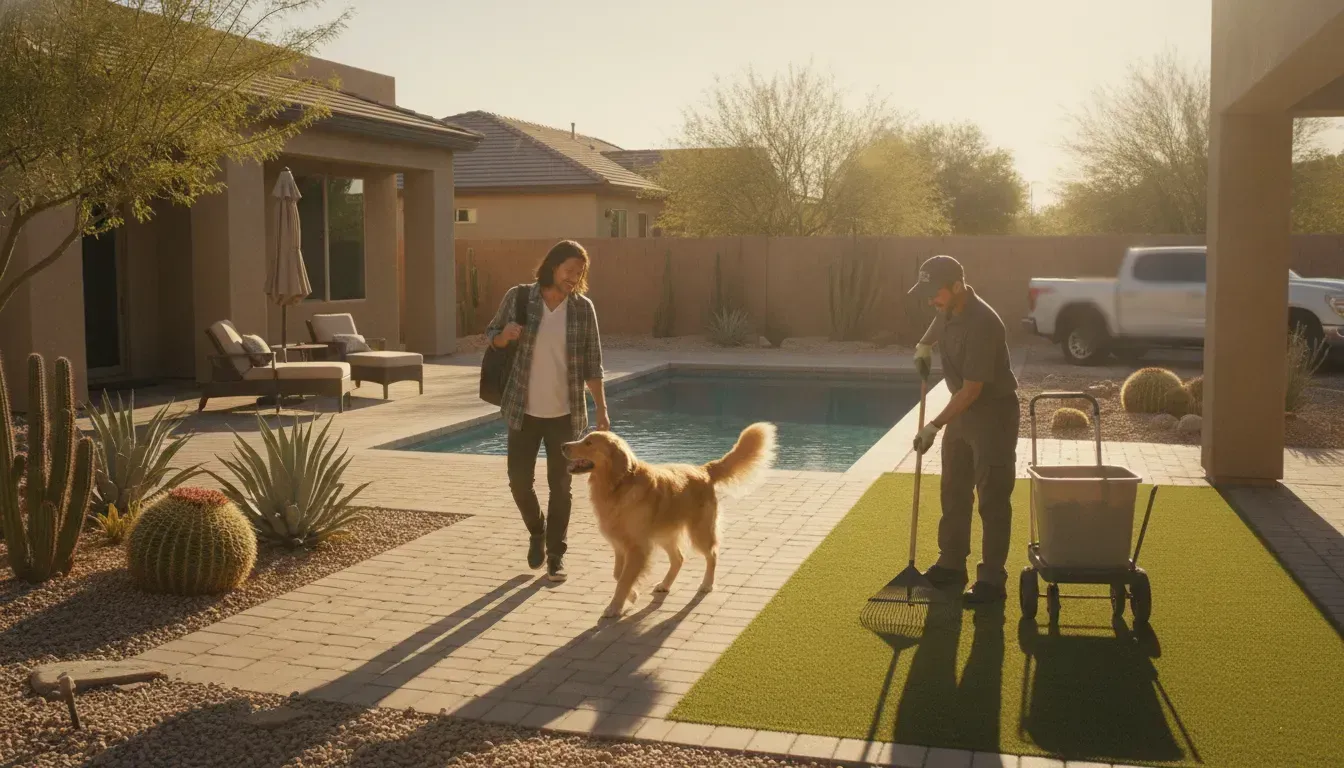
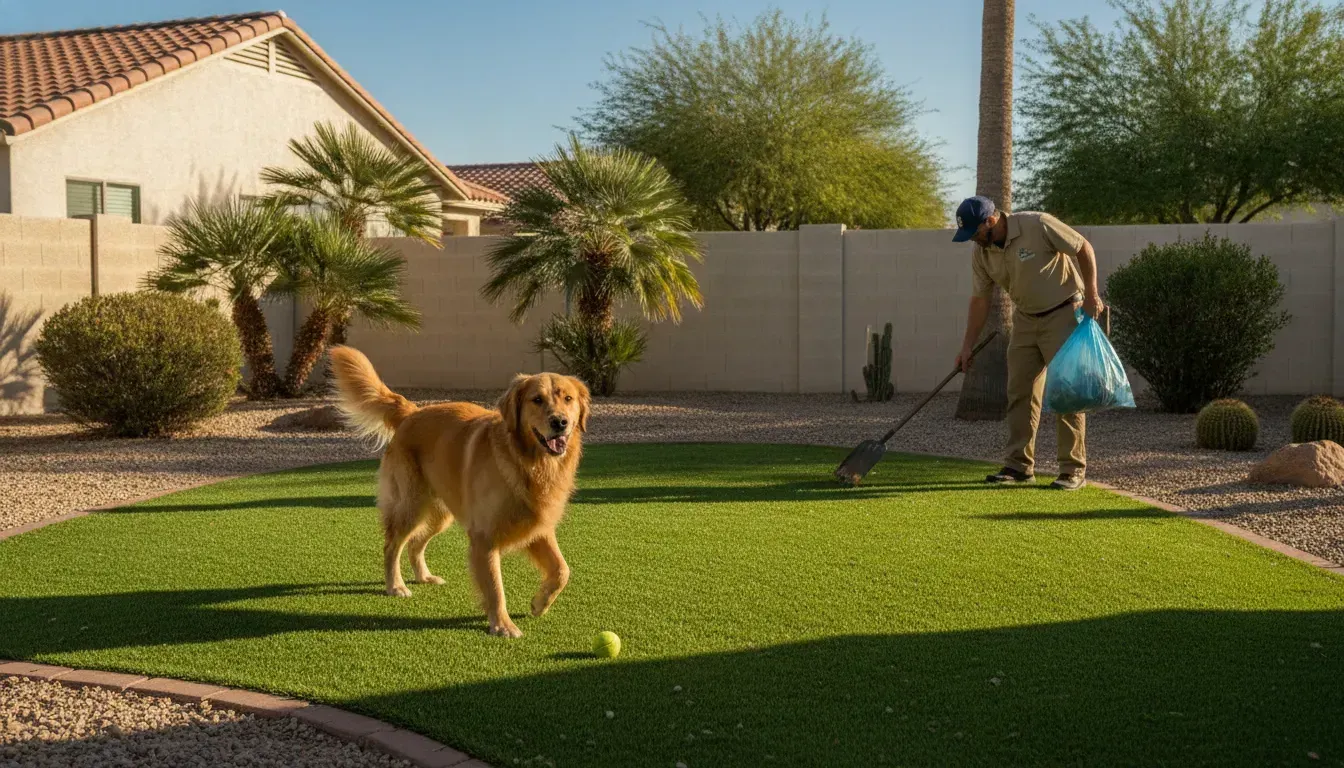
- Sanitation and artificial turf care: Specify who cleans pet relief areas, how spills or odors are reported, and what routine service is required. Artificial turf needs specialized sanitation to remain hygienic, so the addendum should address rinsing. Treatment, waste removal, and access for scheduled maintenance rather than treating turf like ordinary landscaping.
- Tenant liability for damage: Make the tenant responsible for damage caused by the pet, including damage to flooring, landscaping, turf, doors, walls, or fixtures. Define notice, documentation, repair, and payment procedures so a dispute does not delay corrective work.
- Common-area rules: Set expectations for leashes, supervision, access routes, elevators, pet relief locations, quiet hours, and cleanup. Specific use hours can reduce disturbance to other tenants and help preserve a professional commercial environment.
Finally, tie the clauses to practical enforcement: written notice of a violation, a reasonable opportunity to correct it, and defined consequences for repeated noncompliance. Because pet waste can contribute to stormwater pollution on commercial properties, the agreement should make disposal and sanitation responsibilities visible to every tenant, not just the property manager.
How Do Las Vegas Property Managers Enforce Pet Waste Requirements Without Eviction?
A pet policy works best when enforcement is predictable, documented, and proportionate. The goal is to correct an avoidable sanitation problem before it becomes a conflict, not to treat every missed cleanup as grounds for eviction. A well-written addendum gives managers clear grounds to act, while preserving a fair opportunity for the tenant to correct the violation.
- Document expectations clearly in the addendum. State who must remove pet waste, where it must be disposed of, and how quickly cleanup must occur. Include rules for common areas, artificial turf, pet stations, odors, and damage caused by an animal. The addendum should also identify the consequences of non-compliance, rather than leaving enforcement to an informal conversation. Documented removal expectations provide clear grounds for enforcement when sanitary standards are not met. Clear language also reduces management overhead and tenant conflict, especially in shared commercial buildings where hygiene affects many occupants.
- Give written notice on the first violation. A first notice should identify the date, location, and observed condition, then cite the relevant addendum provision. Keep the tone factual and give a reasonable correction deadline. Written notice creates a record that the tenant understood the requirement and had an opportunity to comply. It also helps managers apply the same process consistently across residents, businesses, or units.
- Conduct scheduled sanitation audits. Do not wait for repeated complaints or visible damage. Schedule periodic inspections of pet relief areas, walkways, turf, flooring, and waste stations, consistent with the lease and applicable notice requirements. Record conditions with dates and notes, and address recurring odor, waste, or overflow issues promptly. Periodic sanitation audits can confirm whether professional waste management is being maintained and can reveal small problems before they become costly repairs.
- Apply escalating consequences reserved in the addendum. If the violation continues, follow the stated sequence: warning letter, remediation fee, then damage or holding fees when supported by the agreement and documented conditions. A tenant may be responsible for damage caused by a pet, but the charge should correspond to actual remediation or repair needs and follow the lease terms. Failure to enforce requirements can allow pet waste to contribute to turf degradation and flooring damage, increasing long-term maintenance costs. For larger communities, an apartment complex pet waste service can also support consistent property-wide sanitation.
- Use non-renewal only as a last resort. If repeated, documented violations continue after notice and the agreed escalation process. A manager may evaluate non-renewal at the end of the term, subject to the lease and applicable law. That is different from using eviction as the first response. Managers should coordinate with qualified legal counsel before issuing termination notices or applying fees, especially where disability accommodations, service animals, or disputed lease language are involved.
This approach turns the pet addendum into a practical management tool. It sets expectations before problems occur, creates a defensible record, and gives tenants a clear path to correct behavior without unnecessarily destabilizing the tenancy.
How Professional Pet Waste Removal Supports Lease Compliance
A pet addendum is strongest when its sanitation requirements are supported by a practical service plan. Instead of leaving tenants or onsite staff to interpret what "keep the property clean" means. A property manager can define the expected service frequency, station upkeep, waste response, and documentation. Professional waste management then turns those written expectations into a repeatable property routine.
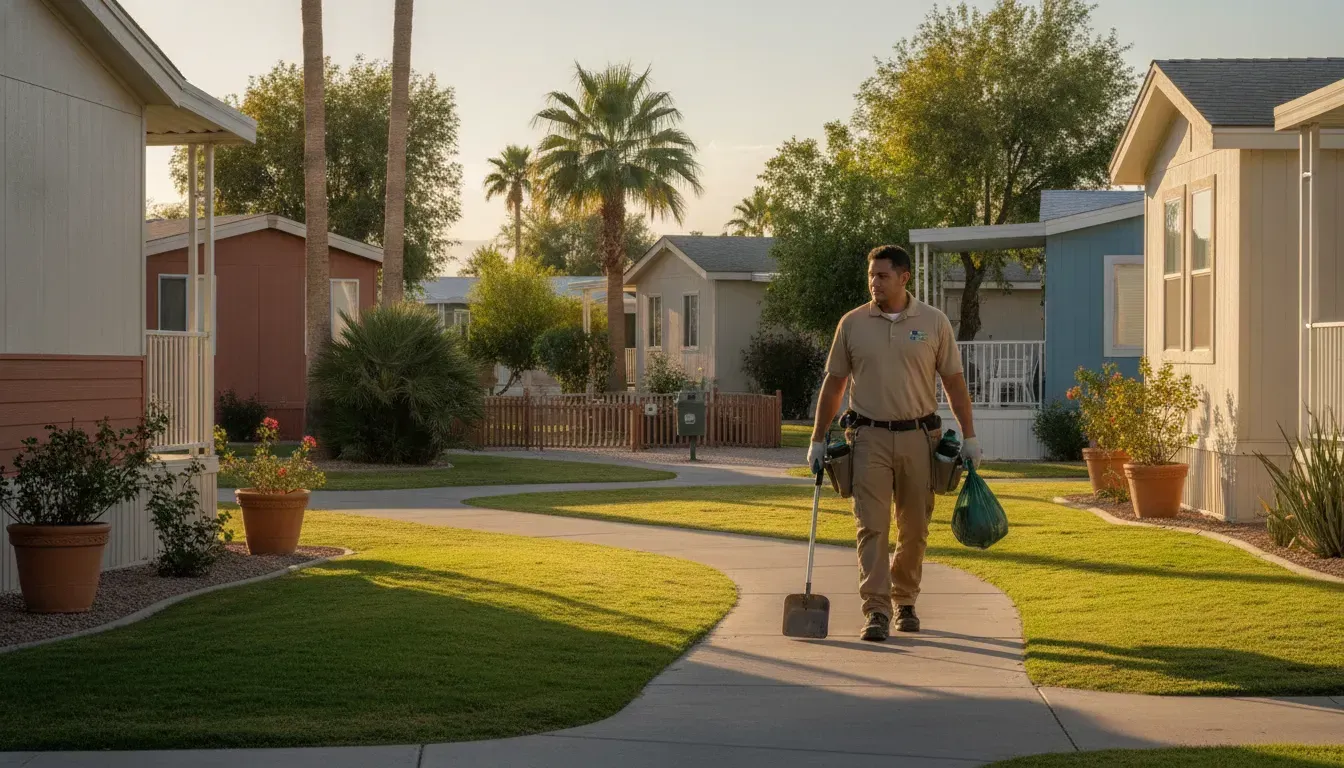
That consistency matters on Las Vegas commercial properties where pet-friendly common areas may see steady traffic from tenants, customers, employees, and visitors. A1 Pet Maintenance has more than 26 years of local experience, dating back to 1998, helping Southern Nevada commercial property owners maintain sanitary spaces. That local familiarity supports a service approach suited to the property's layout, traffic patterns, turf, and shared-area needs.
Make sanitation responsibilities measurable
Lease language can require tenants to pick up after their animals, but a property-wide sanitation plan addresses the work that individual lease enforcement cannot. Scheduled pet waste removal helps reduce the buildup of waste in landscaped areas, walkways, and other shared spaces. Regular servicing of disposal stations also helps prevent overflowing bags, odors, and related sanitation issues. Property managers can review the schedule, service notes, and observed conditions as part of routine property oversight.
Professional sanitation is often needed to keep high-traffic pet-friendly areas aligned with property standards. Where artificial turf is used, the addendum and service plan should recognize that turf may need specialized sanitation rather than relying on waste pickup alone. This gives managers a clearer basis for communicating expectations and addressing recurring conditions before they become a tenant complaint or maintenance issue.
Support common-area standards and property value
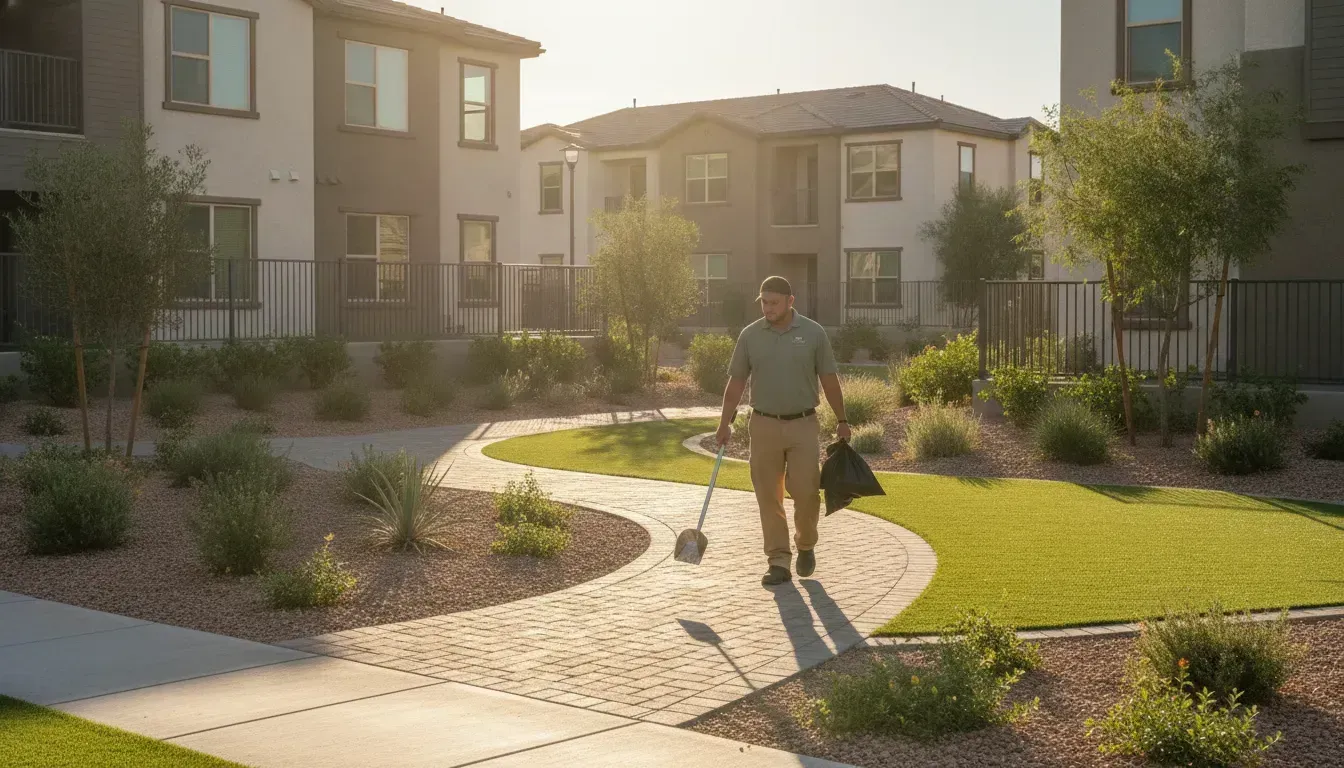
Pet policies affect more than one tenant. Clean, usable common spaces help protect the professional appearance and appeal of a commercial development. HOA boards and commercial property managers may use pet-specific rules and service requirements to maintain shared-space standards and preserve the value of the environment they oversee. Integrating professional waste management into lease terms promotes consistency between the addendum, the property's operating practices, and the sanitation expectations communicated to tenants.
A1 can also help managers evaluate the right service structure, whether the need is recurring pet waste removal, station care, or a broader sanitation routine. Review the options for commercial pet waste station service and use this guide to choose a commercial pet waste removal company that can work within the property's requirements. A1 offers flexible, no-contract service, allowing managers to establish a dependable standard without committing to an inflexible arrangement.
Sample Pet Addendum Language for Las Vegas Landlords
The following language is a starting point for a Las Vegas commercial landlord or property manager. Adapt it to the premises, tenant's operations, insurance requirements, and counsel's advice. A signed addendum should identify which animals are authorized, assign sanitation duties, and explain what happens when those duties are not met. Because property managers must prevent pet-friendly spaces from becoming public health nuisances, the final document should align with applicable local requirements and the lease itself. See the City of Las Vegas Animal Protection Services guidance before finalizing the policy.
Pet permission and limits
Sample clause: "Tenant may bring only the animals identified in Exhibit A onto the Premises or designated common areas. Tenant shall obtain Landlord's prior written approval before adding or substituting an animal. Landlord may establish reasonable limits concerning the number of animals, areas of access, supervision, and behavior, subject to applicable law."
Deposit and pet rent
Sample clause: "Tenant shall pay the pet charge identified in the lease. The parties agree that this charge is intended to address additional cleaning, inspection, and maintenance costs associated with authorized animals. Any refundable deposit will be administered according to the lease and applicable law. No charge in this section limits Tenant's responsibility for actual damage or extraordinary cleaning."
Cleanup and sanitation obligation
Sample clause: "Tenant shall immediately remove pet waste from the Premises and common areas, place it in designated receptacles, and prevent odors, staining, contamination, or accumulation. Tenant shall not permit an animal to damage artificial turf, landscaping, flooring, drains, or sanitation equipment. Where the property requires scheduled professional service. Tenant shall comply with access and scheduling requirements." Clark County guidance places responsibility for immediate removal and proper disposal on pet owners. So the addendum should make the responsibility operational rather than merely general: Clark County Animal Protection Services FAQs.
Liability for damage
Sample clause: "Tenant is responsible for damage, odor remediation, pest treatment, or extraordinary cleaning caused by an authorized animal, except to the extent caused by Landlord's negligence. Tenant shall reimburse documented costs within the time required by the lease."
Common-area hours and conduct
Sample clause: "Pets may use designated common areas only between [time] and [time], unless required otherwise by law or an approved accommodation. Animals must remain under control, may not obstruct entrances or shared work areas, and may not disturb other occupants. Landlord may temporarily close an area for cleaning, repair, or sanitation." Setting specific hours can reduce disturbance while preserving a clear, professional standard for shared spaces.
Service animals and assistance animals
Sample clause: "Nothing in this addendum limits rights or reasonable accommodations required by applicable federal, state, or local law. Requests involving service animals or assistance animals will be evaluated under the applicable legal standard and may require supporting information permitted by law."
The ADA requires covered businesses to make reasonable policy modifications when necessary to provide access for people with disabilities. So a general pet prohibition should not be drafted as an absolute bar: ADA service animal guidance.
Cleanup failures and corrective action
Sample clause: "If Tenant fails to meet these requirements, Landlord may provide written notice, require correction by a stated deadline. Charge documented cleanup or damage costs, restrict access to designated areas where permitted, and pursue further remedies available under the lease. Repeated or serious violations may constitute a default." A clear escalation path gives both parties notice and helps preserve records.
Clause optionBest useDrafting pointOne-time pet depositKnown upfront cleaning or damage exposureState whether it is refundable and preserve separate damage remedies.Monthly pet rentOngoing common-area upkeepDefine the service or maintenance purpose and payment timing.Required professional cleanupHigh-traffic pet-friendly areasSpecify provider access, service frequency, and tenant cooperation. Professional sanitation is often used to keep these areas hygienic, and artificial turf may need specialized cleaning beyond standard waste pickup.Periodic sanitation auditProperties with recurring complaints or multiple tenantsSet reasonable notice, inspection scope, records, and corrective deadlines.
Frequently Asked Questions
Can I add a pet addendum to my commercial lease?
Usually, yes, if the landlord and tenant agree to the terms. A pet addendum can be included when the lease is signed or added later through a formal written amendment. Both parties should sign the document and keep it with the lease so authorized animals, cleanup duties, access rules, and consequences for violations are clear.
How much does a commercial pet addendum cost?
There is no standard cost. A landlord may use a one-time pet fee, pet deposit, recurring pet rent, or a combination, depending on the property and the expected maintenance burden. The addendum should state the amount, payment timing, refund conditions if applicable, and which cleaning or damage costs may be charged separately.
What should be included in a Las Vegas pet addendum?
Include the approved animal's description, common-area and operating-hour rules, noise and supervision expectations, waste pickup and disposal duties. Damage liability, insurance requirements, sanitation standards, fees, inspection or audit rights, and the response to noncompliance. Clark County states that pet owners must immediately remove and properly dispose of pet waste from public or private property: Clark County Animal Protection Services.
Are breed or weight restrictions common in commercial pet addendums?
They can be, particularly where the landlord's insurer, property layout, or shared-space risks call for specific limits. Any restriction should be written clearly and applied consistently. The document should also distinguish ordinary pets from animals protected by applicable disability-access rules rather than treating every animal under the same policy.
How can a landlord enforce a pet addendum without immediately evicting a tenant?
Use a documented, proportionate process: record the violation, provide written notice, identify the required correction, allow the stated cure period, and follow up. The addendum can authorize reasonable charges for documented damage or sanitation work and specify further lease remedies for repeated noncompliance. Clear expectations and records give the property manager a practical basis for enforcement.
Ready to Keep Your Commercial Property Lease-Ready?
A clear pet addendum works best when its cleanup and sanitation expectations are supported by a consistent maintenance plan. A1 Pet Maintenance can help commercial property managers schedule professional pet waste removal for Las Vegas properties. Keeping shared areas cleaner and supporting the standards set in the lease.
Call (702) 521-2624 to schedule professional pet waste removal for your property.In Las Vegas, allowing pets in a commercial space creates more than a simple yes-or-no policy. Landlords and property managers also need a clear plan for cleanup, shared-area use, sanitation, damage, and documentation.
A pet addendum commercial lease agreement las vegas provision is a written rider attached to the lease that explains which animals are allowed and assigns responsibilities for waste removal, property care, fees, liability, and rule enforcement. It should also preserve legally required protections for service animals and other qualifying assistance animals.
Well-defined terms help tenants understand expectations before a problem affects customers, employees, flooring, or artificial turf. They also give management a consistent way to address missed cleanup or damage without relying on informal promises. For properties with frequent pet traffic, pairing the lease language with a commercial pet waste removal contract can support consistent sanitation.
The first step is understanding exactly what this document does, how it fits with the underlying lease, and why both sides benefit from spelling out the details.
What Is a Pet Addendum in a Commercial Lease Agreement?
A pet addendum is a separate, legally binding rider attached to a commercial lease. It authorizes specific animals and defines the tenant's responsibilities for care, conduct, sanitation, and any resulting damage. Instead of leaving pet-related expectations to informal conversations, the addendum makes them part of the documented lease relationship.
In a Las Vegas commercial setting, the addendum can address whether pets are permitted, which animals are approved, and where they may go. It also covers how pet waste must be removed and disposed of. Other clauses address cleaning procedures, common-area access rules, fees, insurance or indemnity requirements, and the process for reporting damage. The exact language should be reviewed by the parties' legal advisers so it fits the lease and applicable law.
Who does the addendum protect?
The document protects both sides. For a landlord or property manager, it establishes a written record of which animals are authorized and what the tenant agreed to do. That distinction matters when an animal is brought onto the property without approval or when a recurring sanitation problem affects other occupants. Clear documentation can reduce uncertainty about responsibility and provide a consistent basis for notices, corrective action, or recovery of properly documented costs.
For the tenant, a well-written rider provides predictability. The tenant can understand the conditions for keeping an animal at the premises before signing, rather than learning about restrictions after a complaint or inspection. The addendum can also clarify which costs belong to the tenant and which routine property services remain the landlord's responsibility.
Why does clear language matter?
Pet responsibility and sanitation expectations that are stated in plain, specific language can reduce management overhead and conflict between commercial tenants and owners. A clause such as "keep the property clean" leaves room for disagreement. A stronger clause identifies pickup expectations, approved disposal methods, affected areas, and the procedure for addressing repeated violations.
This clarity also supports the property's broader maintenance obligations. A formal addendum can define responsibilities such as pet waste management, an important component of maintaining sanitary conditions and supporting municipal sanitation compliance. It should work alongside the property's operating policies, not replace reasonable oversight or professional legal review.
Finally, the addendum creates a practical framework for a pet-friendly commercial property. When permission, behavior, sanitation, fees, and liability are addressed together, landlords can manage risk while tenants receive clear operating standards. That shared understanding helps preserve common areas and makes future lease administration more straightforward.
What Should a Pet Addendum for a Las Vegas Commercial Lease Agreement Include?
A strong pet addendum should do more than permit an animal on the premises. It should identify the approved animal, define the tenant's responsibilities, protect accessibility rights, and establish practical sanitation standards for offices, retail centers, and other commercial properties. Landlords commonly negotiate these terms when the lease is signed or through a formal amendment later.
Clear language also gives property managers a consistent way to address complaints before they become larger maintenance or liability issues. For properties with shared lawns, dog relief areas, or artificial turf, connect the lease requirements to a documented commercial pet waste removal contract so service expectations are not left ambiguous.
Must-include clauses for a commercial pet addendum
- Pet identification and approval: List the tenant, the animal's name and type, and any other identifying information the landlord requires. State that unapproved animals are not permitted. A clear record distinguishes authorized pets from unauthorized animals and helps reduce potential liability.
- Deposits, fees, and related costs: Explain whether the tenant pays a pet deposit, recurring pet fee, or another agreed charge. The clause should identify what the money covers, such as added cleaning and shared-area maintenance, and should address any separate charges for documented damage.
- Breed, size, and weight limits: If the property has reasonable restrictions based on the building, insurance requirements, or the safe use of common areas, state them precisely. Include the process for approval rather than relying on an informal verbal policy.
- Service-animal and assistance-animal carve-outs: Do not apply a general pet prohibition to a qualifying service animal. The Americans with Disabilities Act requires reasonable policy modifications for service animals in covered businesses. Have counsel review the addendum so its terms align with applicable federal, state, and local requirements.
- Waste cleanup and disposal: Require the handler to immediately remove pet waste, place it in an appropriate receptacle, and follow the property's disposal procedure. Clark County states that pet owners are responsible for immediately removing and properly disposing of waste from public or private property. Poorly managed waste can also create public-health and code-enforcement concerns in Las Vegas.
- Sanitation and artificial turf care: Specify who cleans pet relief areas, how spills or odors are reported, and what routine service is required. Artificial turf needs specialized sanitation to remain hygienic, so the addendum should address rinsing. Treatment, waste removal, and access for scheduled maintenance rather than treating turf like ordinary landscaping.
- Tenant liability for damage: Make the tenant responsible for damage caused by the pet, including damage to flooring, landscaping, turf, doors, walls, or fixtures. Define notice, documentation, repair, and payment procedures so a dispute does not delay corrective work.
- Common-area rules: Set expectations for leashes, supervision, access routes, elevators, pet relief locations, quiet hours, and cleanup. Specific use hours can reduce disturbance to other tenants and help preserve a professional commercial environment.
Finally, tie the clauses to practical enforcement: written notice of a violation, a reasonable opportunity to correct it, and defined consequences for repeated noncompliance. Because pet waste can contribute to stormwater pollution on commercial properties, the agreement should make disposal and sanitation responsibilities visible to every tenant, not just the property manager.
How Do Las Vegas Property Managers Enforce Pet Waste Requirements Without Eviction?
A pet policy works best when enforcement is predictable, documented, and proportionate. The goal is to correct an avoidable sanitation problem before it becomes a conflict, not to treat every missed cleanup as grounds for eviction. A well-written addendum gives managers clear grounds to act, while preserving a fair opportunity for the tenant to correct the violation.
- Document expectations clearly in the addendum. State who must remove pet waste, where it must be disposed of, and how quickly cleanup must occur. Include rules for common areas, artificial turf, pet stations, odors, and damage caused by an animal. The addendum should also identify the consequences of non-compliance, rather than leaving enforcement to an informal conversation. Documented removal expectations provide clear grounds for enforcement when sanitary standards are not met. Clear language also reduces management overhead and tenant conflict, especially in shared commercial buildings where hygiene affects many occupants.
- Give written notice on the first violation. A first notice should identify the date, location, and observed condition, then cite the relevant addendum provision. Keep the tone factual and give a reasonable correction deadline. Written notice creates a record that the tenant understood the requirement and had an opportunity to comply. It also helps managers apply the same process consistently across residents, businesses, or units.
- Conduct scheduled sanitation audits. Do not wait for repeated complaints or visible damage. Schedule periodic inspections of pet relief areas, walkways, turf, flooring, and waste stations, consistent with the lease and applicable notice requirements. Record conditions with dates and notes, and address recurring odor, waste, or overflow issues promptly. Periodic sanitation audits can confirm whether professional waste management is being maintained and can reveal small problems before they become costly repairs.
- Apply escalating consequences reserved in the addendum. If the violation continues, follow the stated sequence: warning letter, remediation fee, then damage or holding fees when supported by the agreement and documented conditions. A tenant may be responsible for damage caused by a pet, but the charge should correspond to actual remediation or repair needs and follow the lease terms. Failure to enforce requirements can allow pet waste to contribute to turf degradation and flooring damage, increasing long-term maintenance costs. For larger communities, an apartment complex pet waste service can also support consistent property-wide sanitation.
- Use non-renewal only as a last resort. If repeated, documented violations continue after notice and the agreed escalation process. A manager may evaluate non-renewal at the end of the term, subject to the lease and applicable law. That is different from using eviction as the first response. Managers should coordinate with qualified legal counsel before issuing termination notices or applying fees, especially where disability accommodations, service animals, or disputed lease language are involved.
This approach turns the pet addendum into a practical management tool. It sets expectations before problems occur, creates a defensible record, and gives tenants a clear path to correct behavior without unnecessarily destabilizing the tenancy.
How Professional Pet Waste Removal Supports Lease Compliance
A pet addendum is strongest when its sanitation requirements are supported by a practical service plan. Instead of leaving tenants or onsite staff to interpret what "keep the property clean" means. A property manager can define the expected service frequency, station upkeep, waste response, and documentation. Professional waste management then turns those written expectations into a repeatable property routine.
That consistency matters on Las Vegas commercial properties where pet-friendly common areas may see steady traffic from tenants, customers, employees, and visitors. A1 Pet Maintenance has more than 26 years of local experience, dating back to 1998, helping Southern Nevada commercial property owners maintain sanitary spaces. That local familiarity supports a service approach suited to the property's layout, traffic patterns, turf, and shared-area needs.
Make sanitation responsibilities measurable
Lease language can require tenants to pick up after their animals, but a property-wide sanitation plan addresses the work that individual lease enforcement cannot. Scheduled pet waste removal helps reduce the buildup of waste in landscaped areas, walkways, and other shared spaces. Regular servicing of disposal stations also helps prevent overflowing bags, odors, and related sanitation issues. Property managers can review the schedule, service notes, and observed conditions as part of routine property oversight.
Professional sanitation is often needed to keep high-traffic pet-friendly areas aligned with property standards. Where artificial turf is used, the addendum and service plan should recognize that turf may need specialized sanitation rather than relying on waste pickup alone. This gives managers a clearer basis for communicating expectations and addressing recurring conditions before they become a tenant complaint or maintenance issue.
Support common-area standards and property value
Pet policies affect more than one tenant. Clean, usable common spaces help protect the professional appearance and appeal of a commercial development. HOA boards and commercial property managers may use pet-specific rules and service requirements to maintain shared-space standards and preserve the value of the environment they oversee. Integrating professional waste management into lease terms promotes consistency between the addendum, the property's operating practices, and the sanitation expectations communicated to tenants.
A1 can also help managers evaluate the right service structure, whether the need is recurring pet waste removal, station care, or a broader sanitation routine. Review the options for commercial pet waste station service and use this guide to choose a commercial pet waste removal company that can work within the property's requirements. A1 offers flexible, no-contract service, allowing managers to establish a dependable standard without committing to an inflexible arrangement.
Sample Pet Addendum Language for Las Vegas Landlords
The following language is a starting point for a Las Vegas commercial landlord or property manager. Adapt it to the premises, tenant's operations, insurance requirements, and counsel's advice. A signed addendum should identify which animals are authorized, assign sanitation duties, and explain what happens when those duties are not met. Because property managers must prevent pet-friendly spaces from becoming public health nuisances, the final document should align with applicable local requirements and the lease itself. See the City of Las Vegas Animal Protection Services guidance before finalizing the policy.
Pet permission and limits
Sample clause: "Tenant may bring only the animals identified in Exhibit A onto the Premises or designated common areas. Tenant shall obtain Landlord's prior written approval before adding or substituting an animal. Landlord may establish reasonable limits concerning the number of animals, areas of access, supervision, and behavior, subject to applicable law."
Deposit and pet rent
Sample clause: "Tenant shall pay the pet charge identified in the lease. The parties agree that this charge is intended to address additional cleaning, inspection, and maintenance costs associated with authorized animals. Any refundable deposit will be administered according to the lease and applicable law. No charge in this section limits Tenant's responsibility for actual damage or extraordinary cleaning."
Cleanup and sanitation obligation
Sample clause: "Tenant shall immediately remove pet waste from the Premises and common areas, place it in designated receptacles, and prevent odors, staining, contamination, or accumulation. Tenant shall not permit an animal to damage artificial turf, landscaping, flooring, drains, or sanitation equipment. Where the property requires scheduled professional service. Tenant shall comply with access and scheduling requirements." Clark County guidance places responsibility for immediate removal and proper disposal on pet owners. So the addendum should make the responsibility operational rather than merely general: Clark County Animal Protection Services FAQs.
Liability for damage
Sample clause: "Tenant is responsible for damage, odor remediation, pest treatment, or extraordinary cleaning caused by an authorized animal, except to the extent caused by Landlord's negligence. Tenant shall reimburse documented costs within the time required by the lease."
Common-area hours and conduct
Sample clause: "Pets may use designated common areas only between [time] and [time], unless required otherwise by law or an approved accommodation. Animals must remain under control, may not obstruct entrances or shared work areas, and may not disturb other occupants. Landlord may temporarily close an area for cleaning, repair, or sanitation." Setting specific hours can reduce disturbance while preserving a clear, professional standard for shared spaces.
Service animals and assistance animals
Sample clause: "Nothing in this addendum limits rights or reasonable accommodations required by applicable federal, state, or local law. Requests involving service animals or assistance animals will be evaluated under the applicable legal standard and may require supporting information permitted by law."
The ADA requires covered businesses to make reasonable policy modifications when necessary to provide access for people with disabilities. So a general pet prohibition should not be drafted as an absolute bar: ADA service animal guidance.
Cleanup failures and corrective action
Sample clause: "If Tenant fails to meet these requirements, Landlord may provide written notice, require correction by a stated deadline. Charge documented cleanup or damage costs, restrict access to designated areas where permitted, and pursue further remedies available under the lease. Repeated or serious violations may constitute a default." A clear escalation path gives both parties notice and helps preserve records.
- One-time pet deposit — Known upfront cleaning or damage exposure. Drafting point: State whether it is refundable and preserve separate damage remedies.
- Monthly pet rent — Ongoing common-area upkeep. Drafting point: Define the service or maintenance purpose and payment timing.
- Required professional cleanup — High-traffic pet-friendly areas. Drafting point: Specify provider access, service frequency, and tenant cooperation. Professional sanitation is often used to keep these areas hygienic, and artificial turf may need specialized cleaning beyond standard waste pickup.
- Periodic sanitation audit — Properties with recurring complaints or multiple tenants. Drafting point: Set reasonable notice, inspection scope, records, and corrective deadlines.
Frequently Asked Questions
Can I add a pet addendum to my commercial lease?
Usually, yes, if the landlord and tenant agree to the terms. A pet addendum can be included when the lease is signed or added later through a formal written amendment. Both parties should sign the document and keep it with the lease so authorized animals, cleanup duties, access rules, and consequences for violations are clear.
How much does a commercial pet addendum cost?
There is no standard cost. A landlord may use a one-time pet fee, pet deposit, recurring pet rent, or a combination, depending on the property and the expected maintenance burden. The addendum should state the amount, payment timing, refund conditions if applicable, and which cleaning or damage costs may be charged separately.
What should be included in a Las Vegas pet addendum?
Include the approved animal's description, common-area and operating-hour rules, noise and supervision expectations, waste pickup and disposal duties. Damage liability, insurance requirements, sanitation standards, fees, inspection or audit rights, and the response to noncompliance. Clark County states that pet owners must immediately remove and properly dispose of pet waste from public or private property: Clark County Animal Protection Services.
Are breed or weight restrictions common in commercial pet addendums?
They can be, particularly where the landlord's insurer, property layout, or shared-space risks call for specific limits. Any restriction should be written clearly and applied consistently. The document should also distinguish ordinary pets from animals protected by applicable disability-access rules rather than treating every animal under the same policy.
How can a landlord enforce a pet addendum without immediately evicting a tenant?
Use a documented, proportionate process: record the violation, provide written notice, identify the required correction, allow the stated cure period, and follow up. The addendum can authorize reasonable charges for documented damage or sanitation work and specify further lease remedies for repeated noncompliance. Clear expectations and records give the property manager a practical basis for enforcement.
Ready to Keep Your Commercial Property Lease-Ready?
A clear pet addendum works best when its cleanup and sanitation expectations are supported by a consistent maintenance plan. A1 Pet Maintenance can help commercial property managers schedule professional pet waste removal for Las Vegas properties. Keeping shared areas cleaner and supporting the standards set in the lease.
Call (702) 521-2624 to schedule professional pet waste removal for your property.