Best Pet Turf Deodorizer for Southern Nevada HeatBest Pet Turf Deodorizer for Southern Nevada Heat
This is a subtitle for your new post

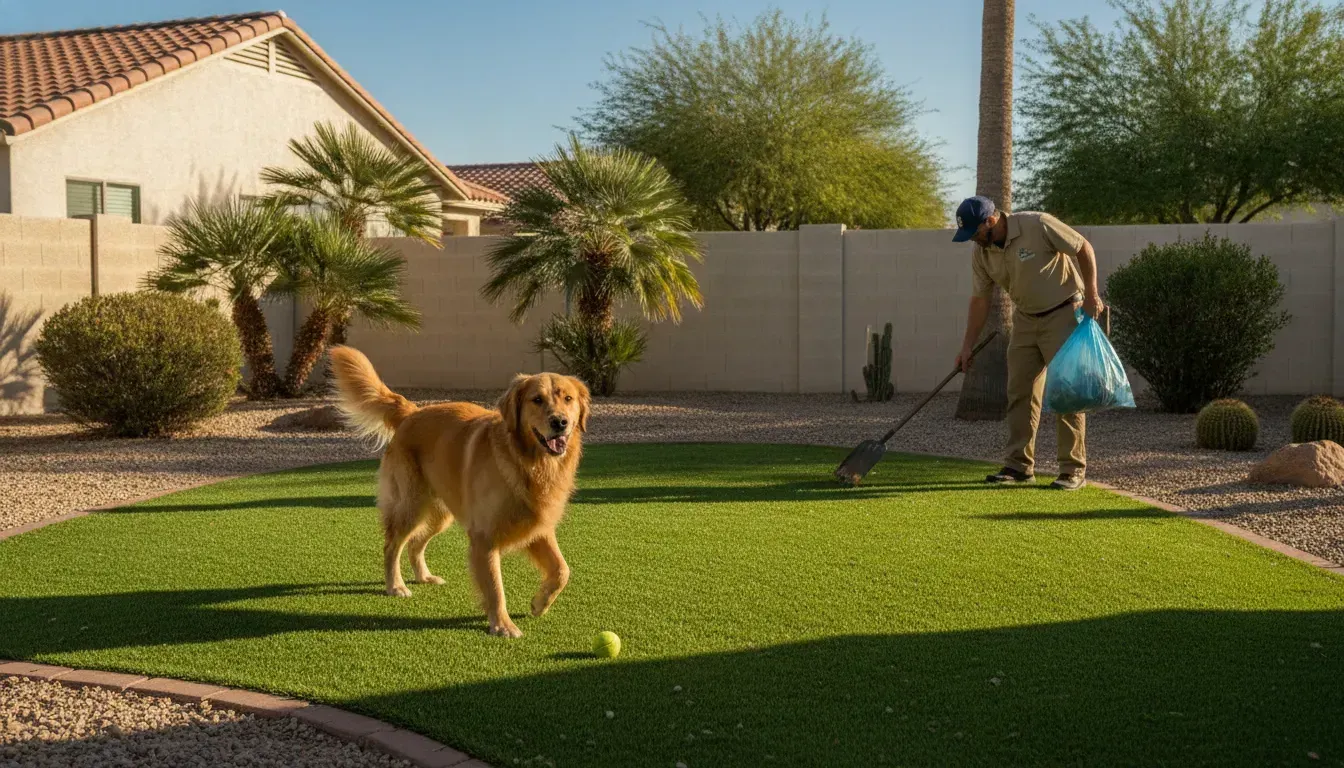
That unpleasant smell coming from your artificial turf isn't just bad luck; it's a chemical reaction. When your dog urinates, it leaves behind uric acid crystals. Our intense desert sun then bakes these crystals into your turfâs infill, releasing pungent ammonia gas. Rinsing with water alone doesn't remove the crystals, which is why the smell always returns. To truly solve the problem, you need a solution that breaks this cycle. Understanding the science helps you choose an effective pet turf deodorizer in Southern Nevada that uses enzymes to neutralize the source. Let's explore how these products work and what to look for.
Key Takeaways
- Target the source, not the symptom: The stubborn smell comes from urine crystals baked deep into your turf's infill. To truly get rid of it, use enzyme-based cleaners that break down these crystals, since fragrance sprays only provide a temporary mask.
- Establish a consistent cleaning routine: Daily scooping and weekly rinsing are great habits, but they are not enough for our climate. Schedule a professional deep cleaning every three to four months to remove the deep-seated buildup that at-home methods simply cannot reach.
- Prioritize pet-safe enzymes: Your pet's health is the top priority, so always select non-toxic, eco-friendly products. The best solutions use powerful enzymes to break down odors at a microscopic level, ensuring they are both effective in the desert heat and safe for your family.
Why Does My Artificial Turf Smell So Bad?
You invested in artificial turf for a beautiful, low-maintenance lawn, which is a fantastic choice for our desert climate. It saves water and always looks green. But if youâre a pet owner, you might have noticed an unwelcome side effect: a persistent, unpleasant smell, especially on hot days. Youâre not imagining it, and itâs not your fault. The combination of pets and our Southern Nevada heat creates a perfect storm for turf odors. Let's break down exactly why your turf starts to smell and what you can do about it.
How the Nevada Heat Makes Odors Worse
Living in Southern Nevada means enjoying plenty of sunshine, but that same intense heat can turn your turf into an odor factory. The desert sun bakes pet urine deep into the turf fibers and backing, concentrating the ammonia smell. Think of it like an oven; the heat amplifies the chemical reactions that cause odors. Plus, our lack of consistent rainfall means urine residue isn't naturally rinsed away. These desert conditions can cause artificial turf to hold onto smells more stubbornly than in milder, wetter climates. A simple hosing down often isn't enough to combat what the sun has cooked in.
Why Artificial Turf Traps Smells
The core of the problem lies in the chemistry of dog urine. Urine contains urea, which breaks down into ammonia-producing bacteria. That sharp, pungent smell you notice is ammonia. While your artificial turf is designed to have good drainage, itâs not perfect. When your dog repeatedly urinates in the same few spots, the urine can overwhelm the drainage system. It seeps past the green blades and into the turfâs backing and the layers beneath. Over time, this creates a concentrated urine buildup that canât be washed away with just water, creating a problem that goes far deeper than the surface.
The Role of Infill in Odor Buildup
Infill is the granular material, often sand or rubber, spread between the grass blades. It helps the blades stand up, provides cushioning, and protects the backing from UV rays. Unfortunately, itâs also a major culprit for trapping odors. Porous infill materials, especially common sand, act like tiny sponges, absorbing urine and holding onto the odor-causing bacteria. Urine crystals build up within the infill, and a simple rinse with the hose won't penetrate deep enough to remove them. To truly eliminate the smell, you need a solution that can break down these crystals, which is why a professional artificial grass cleaning & maintenance service is often the most effective approach.
How Pet Turf Deodorizers Actually Work
If youâve ever tried to get rid of pet odors in your artificial turf, you know that some products work wonders while others barely make a dent. The secret isnât magic; itâs science. Understanding how different deodorizers tackle smells helps you choose a solution that actually eliminates the problem instead of just covering it up. The most effective products don't just mask odors, they break down the source of the smell on a microscopic level. Let's look at how they do it.
Enzymes vs. Fragrances: What's the Difference?
When you shop for a turf deodorizer, youâll find two main types: those that use fragrances and those that use enzymes. Fragrance-based sprays are like a spritz of perfume for your lawn. They cover up the unpleasant urine smell with a stronger, more pleasant scent. While this offers a quick fix, itâs only temporary. Once the fragrance fades, the underlying odor returns, often mingling with the perfume to create an even worse smell.
Enzyme cleaners, on the other hand, are the real workhorses. These formulas contain beneficial bacteria that produce enzymes. These enzymes break down the specific compounds in pet urine that cause odors. Instead of just masking the smell, they digest and eliminate the source completely. This is why professional services often rely on enzyme-based solutions for a deep, lasting clean.
The Science Behind Eliminating Odors
So, what exactly are those enzymes attacking? The strong, pungent smell from pet urine comes from ammonia. Dog and cat urine contains a compound called urea. As bacteria on your turf begin to break down the urea, it releases that distinct and powerful ammonia odor. If you only rinse the area with water, youâre not removing the urea crystals, which means the smell will keep coming back, especially on hot days.
To truly get rid of the smell, you need a product that neutralizes the ammonia-causing compounds. This is where enzyme cleaners shine. The live, active cultures in these solutions target and consume the uric acid and ammonia, breaking them down into odorless compounds like carbon dioxide and water. Itâs a targeted attack on the root cause of the smell.
How Desert Heat Affects Product Performance
Living in Southern Nevada means dealing with intense heat, and that heat dramatically impacts your artificial turf. The sun bakes urine and its odor-causing bacteria into the turf blades and infill, making the smell stronger and much harder to remove. The lack of regular, heavy rainfall also means those urine crystals aren't getting washed away naturally.
This is why many DIY solutions and off-the-shelf products fail in our climate. Some cleaners evaporate too quickly under the hot sun to be effective, while others aren't formulated to handle such concentrated, baked-in odors. For a truly fresh and clean lawn, you need a heat-resistant, professional-grade product and a consistent artificial grass cleaning and maintenance routine designed to withstand the desert environment.
How to Choose the Best Turf Deodorizer
Finding the right turf deodorizer can feel like a big task, especially when youâre battling the intense Southern Nevada heat. The good news is that the best products and services share a few key qualities. When youâre shopping for a DIY solution or vetting a professional service, youâre looking for a product that doesnât just cover up smells but eliminates them at the source. A good deodorizer works by breaking down the ammonia and bacteria from pet urine, leaving your turf smelling fresh instead of like a locker room.
To make the best choice for your home, your pets, and your wallet, youâll want to consider a few important factors. Think about the safety of the ingredients for your furry friends, the product's environmental impact, and how well it stands up to our desert climate. You should also consider how easy it is to apply and how long the freshness will last. Letâs walk through what to look for so you can get your yard back to being a place everyone enjoys.
Look for Pet-Safe Formulas
Your petâs safety is the number one priority. Since your dog or cat will be walking, rolling, and playing on the artificial grass, any product you use must be completely non-toxic. Pets clean their paws and fur, so they can easily ingest whatever is on your turf. Always look for deodorizers that are explicitly labeled as "pet-safe" and "non-toxic." Many professional companies use biodegradable cleaning solutions that are specifically designed to be safe for animals and children. When in doubt, check the ingredient list and steer clear of harsh chemicals. A truly pet-safe formula gives you peace of mind, knowing your yard is a healthy space for your best friend.
Choose Eco-Friendly Options
A product thatâs safe for your pet should also be safe for the environment. Eco-friendly turf deodorizers use biodegradable ingredients that break down naturally without harming the surrounding ecosystem. This is especially important in our desert environment, where water conservation and responsible land use are key. Harsh chemical cleaners can run off your property and contaminate local water sources. By choosing a green-friendly option, youâre not only protecting your pet from harmful substances but also doing your part for the planet. Look for products that are transparent about their ingredients and their commitment to environmental safety.
Find a Heat-Resistant Product
Here in Las Vegas and Tucson, the sun and heat are no joke. Artificial turf can get incredibly hot, and that heat can make pet odors even more potent. It can also cause some liquid deodorizers to evaporate before they even have a chance to work. A standard cleaner might not be able to handle the extreme conditions. You need a product specifically formulated to withstand high temperatures and UV rays. Professional-grade deodorizers are often designed for these tough conditions, ensuring they remain effective even on the hottest summer days. This resilience is key to keeping your turf from smelling when the temperatur
e climbs. Check for Easy Application
A great deodorizer wonât do you any good if itâs a pain to use. Before you buy, consider the application process. Some products come in a simple spray bottle, while others require a hose-end attachment or a pump sprayer for larger areas. Read the instructions to see whatâs involved. For example, some require you to wet the area, apply the product, and let it sit for a specific amount of time. If you have a large yard, a ready-to-use hose attachment can save you a lot of time and effort. If the process seems too complicated or time-consuming, it might be worth considering a professional service instead.
Aim for Long-Lasting Results
You want a solution that lasts, not a temporary fix that has you reapplying product every few days. The most effective deodorizers use enzymes to break down and eliminate the organic matter causing the odor, rather than just masking it with a strong fragrance. While these products might cost a bit more upfront, they provide much longer-lasting freshness, saving you time and money in the long run. Regular maintenance is crucial for keeping odors at bay permanently. Combining a quality product with a consistent artificial grass cleaning and maintenance schedule is the best way to ensure your turf always looks and smells its best.
Top Deodorizers and Services for Las Vegas Pet Owners
When your turf starts to smell, you have two main paths: calling in a professional or trying a DIY product. The best choice depends on the severity of the odor and how much work you want to put in. In the intense Las Vegas heat, smells can become overwhelming fast. Here are some of the most effective products and services that can handle the job.
Professional Cleaning: The A1 Pet Waste Solution
Sometimes, the smell is too much for a simple spray-down. Dog urine contains crystals that get trapped deep in your turfâs infill. When the sun beats down, the odor intensifies, and no amount of hosing will fix it. This is when a professional service becomes your best friend. Our artificial grass cleaning uses a powerful enzyme treatment that breaks down urine compounds at their source. We combine this with a deep cleaning process that removes the buildup, sanitizes the surface, and leaves your yard smelling fresh, not just covered up. Itâs a safe and effective way to reclaim your outdoor space.
OxyTurf
If you're looking for a solid DIY product, OxyTurf is a popular choice. Itâs an all-in-one cleaner that disinfects, deodorizes, and tackles grease, leaving behind a fresh grass scent. What makes it a great option for families is that itâs non-toxic and uses natural ingredients like hydrogen peroxide, so itâs safe for both kids and pets. This pet odor neutralizer is designed specifically for artificial grass where pets play, making it a reliable tool for regular maintenance between professional cleanings. You can find it online or at specialty turf stores.
Simple Green Outdoor Odor Eliminator
Simple Green is a well-known brand, and their Outdoor Odor Eliminator is another excellent product for tackling pet smells. This deodorizer uses a different approach with special enzymes and live bacteria that work to break down the ammonia odors found in dog urine. The key is to treat the smell where it starts, which is often in the infill below the grass blades. For the best results, youâll want to saturate the area thoroughly so the product can get deep into the turf and do its job. Itâs a great option for targeting specific problem spots in your yard.
TurFresh BioS+
TurFresh is a company that understands the unique challenges of maintaining turf in hot, dry climates. Their BioS+ product is a concentrate that you can use in a hose-end sprayer for easy application. Like professional-grade solutions, it uses enzymes to eliminate odors at the source rather than just masking them with fragrances. Itâs specifically designed to handle the demands of the Las Vegas heat and heavy pet use. While TurFresh also offers artificial turf cleaning services, their BioS+ product gives you a powerful tool for your own cleaning routine, helping you keep odors under control between professional visits.
DIY Turf Deodorizers: Do They Really Work?
When your beautiful turf starts to smell, itâs tempting to search for a quick fix using items you already have at home. Many pet owners start their odor-fighting journey with a DIY solution. These methods can offer some temporary relief, but are they powerful enough to stand up to the intense heat in Las Vegas and Tucson? Let's break down the most common at-home remedies and see how they hold up.
The Baking Soda Method
Youâve probably heard that baking soda is great for absorbing odors in your fridge, and the same principle is often applied to turf. Sprinkling baking soda over smelly spots is a popular first step because it can neutralize some surface-level acidic smells. To try it, you would dust the dry turf, let it sit for a while, and then rinse it thoroughly. While itâs a safe and inexpensive option, itâs generally a temporary fix. Baking soda can help with a very mild, new odor, but it doesnât have the power to break down the uric acid crystals that cause persistent pet smells.
The Vinegar and Water Mix
Another go-to household cleaner, white vinegar, is often mixed with water as a DIY deodorizer. The idea is that the acetic acid in vinegar can help neutralize the ammonia in urine and kill some bacteria. A one-to-one solution of vinegar and water sprayed onto the affected area is the standard recommendation. While this can be more effective than water alone, it has its downsides. The biggest drawback is that youâre trading a pet smell for a strong vinegar smell, which can linger for days. Like baking soda, this method primarily treats the surface and may not penetrate deep enough to solve the underlying problem.
At-Home Enzyme Cleaners
A step up from basic pantry items, at-home enzyme cleaners are designed specifically for pet messes. These products use beneficial bacteria and enzymes that target the source of the smell by breaking down the uric acid in pet urine into odorless compounds. This is a much more effective approach than simply masking the scent. For enzyme cleaners to work, you need to thoroughly saturate the area so the solution can reach the urine buildup in the turf backing and infill. While they can be successful, it often requires a large amount of product, and improper application can lead to disappointing results.
Why DIY Often Fails in the Heat
Hereâs the hard truth for those of us in Southern Nevada and Arizona: our heat is the biggest enemy of DIY solutions. Even though turf is designed to drain, urine can build up in the layers of your turf and infill, especially if your dog uses the same spot repeatedly. The intense sun then bakes these trapped uric acid crystals, amplifying the ammonia smell and making it incredibly stubborn. A light spray or sprinkle on the surface wonât reach the deeply embedded source. This is why you need a more powerful solution than what most DIY methods can offer. A professional artificial grass cleaning & maintenance service uses specialized equipment to deep clean and extract the odor-causing bacteria from every layer of your turf.
Professional Cleaning vs. DIY: Which Is Right for You?
Deciding between tackling turf care yourself and hiring a professional is a classic homeowner dilemma. When your artificial turf starts to smell, especially in the intense Southern Nevada heat, the choice becomes even more critical. A DIY approach can save money upfront, but a professional service saves you time and often delivers a much deeper, longer-lasting clean. The right path depends on your budget, your schedule, and just how stubborn those pet odors have become. Let's walk through the details to help you decide.
What a Pro Service Includes
When you hire a professional, youâre paying for expertise and equipment that go far beyond a simple rinse. A pro service uses a multi-step process to eliminate odors at their source. This typically involves applying a powerful, enzyme-based cleaner that specifically targets and breaks down the uric acid crystals in pet urine, which is what causes that lingering smell. Unlike scented sprays that just mask odors, these solutions eliminate them. Professionals also use specialized tools to work the cleaner deep into the turf fibers and infill, followed by a thorough rinse. Our artificial grass cleaning and maintenance service ensures every inch of your lawn is treated, leaving it truly clean and safe for your pets and family.
Comparing the Costs: Pro vs. DIY
Itâs easy to assume the DIY route is cheaper, but itâs important to consider the full picture. The cost of high-quality enzyme cleaners, a good sprayer, and your own time can add up quickly. If you use the wrong product, you could even risk damaging your expensive turf. Professional cleaning typically costs between $0.50 and $1.50 per square foot, which is an investment in protecting your turf and reclaiming your outdoor space. Think of it as not just a cleaning fee, but insurance for the longevity of your lawn. Many companies also offer maintenance plans that can reduce the cost per visit and prevent major odor buildup from happening in the first place.
How Often to Schedule a Pro Cleaning
Consistency is key to keeping your artificial turf fresh. For homes in the Las Vegas area with pets, scheduling a professional deep clean every three to four months is a great rule of thumb. This frequency prevents odors from setting in and becoming a much bigger problem. Even if you donât have pets, the dust and debris from our desert environment can build up, so a cleaning two to three times a year is still recommended to keep your turf looking its best. If you have multiple dogs or a small yard with heavy use, you may want to schedule professional services more frequently or plan for more thorough rinsing between appointments to keep t
hings fresh. Common Myths About Pet Turf Deodorizers
When your turf starts to smell, itâs easy to fall for quick fixes and misinformation. Sorting through the myths can be frustrating, but understanding what actually works will save you time, money, and a lot of headaches. Letâs clear the air and debunk a few common myths about keeping your artificial grass smelling fresh, so you can get back to enjoying your yard with your furry friends.
Myth: One Application Is Enough
It would be great if a single spray could solve odor problems for good, but thatâs rarely the case, especially in the Southern Nevada heat. The real issue lies deep within your turfâs infill layer. When your pet urinates, the liquid evaporates but leaves behind uric acid crystals. These crystals are the source of the stubborn ammonia smell. A single deodorizer application might mask the scent for a day or two, but the crystals remain. As soon as heat and humidity return, the smell comes right back. Without consistent treatment that breaks down these crystals, they will continue to build up, making the odor more and more difficult to remove.
Myth: Deodorizers Replace Cleaning
Spraying a deodorizer on smelly turf without cleaning it first is like using air freshener in a room with a full trash can. You might cover up the smell temporarily, but you havenât removed the source. Deodorizers are designed to neutralize odors, while cleaners are made to break down and wash away the grime, bacteria, and urine residue causing the smell. Some DIY solutions, like a vinegar and water mix, offer a light, temporary clean, but they don't penetrate the infill deeply enough to eliminate the core problem. True, long-lasting freshness comes from a routine that includes both deep cleaning and deodorizing. A professional artificial grass cleaning and maintenance service will do both.
Myth: All Cleaners Are Pet-Safe
This is one of the most dangerous myths out there. Never assume a cleaning product is safe for your pets or children just because itâs meant for outdoor use. Many general-purpose outdoor cleaners contain harsh chemicals that can irritate your petâs paws, skin, and respiratory system. Always read the label carefully and look for formulas specifically marked as non-toxic and pet-safe. The best products use enzymes or oxygen-based ingredients, like hydrogen peroxide, to break down odors naturally without leaving behind harmful residues. When in doubt, stick with products designed for pet turf or trust a professional service that uses certified eco-friendly and pet-safe solutions.
Create a Routine to Keep Odors Away
The secret to a fresh-smelling yard isnât a single miracle product; itâs consistency. Staying on top of turf maintenance is the best way to prevent odors from building up in the first place, especially under the intense Southern Nevada sun. A simple, repeatable routine will keep your artificial grass pleasant for you and your pets all year long. By combining daily habits with periodic deep cleans, you can stop smells before they start and protect your investment.
Your Daily and Weekly Checklist
Think of your turf like any other surface in your home. A little daily and weekly attention goes a long way. On a daily basis, scoop any solid waste as soon as you see it. The longer it sits, the more problems it can cause. Itâs also a good idea to give the most-used potty spots a quick rinse with the hose. Once a week, set aside time for a more thorough cleaning. Use a hose to rinse the entire turf area to wash away urine residue. Then, use a stiff-bristled broom (not a metal rake) to brush the grass fibers, which helps them stand upright and improves drainage.
Plan for Seasonal Deep Cleans
Even with regular upkeep, your turf needs a deep clean every few months to stay fresh and extend its life. For homes with pets, experts recommend a deep cleaning every three to four months. This process removes the bacteria and ammonia buildup that your weekly rinsing canât always reach. A deep clean also helps lift any matted fibers and ensures your turfâs drainage system is working correctly. Handling this yourself can be a big job, which is why scheduling a professional artificial grass cleaning and maintenance service is a great way to stay on track and ensure the job is done right.
Choose the Right Infill from the Start
If youâre installing new turf or renovating your yard, your choice of infill is critical. Infill is the granular material that sits between the grass blades, and it plays a huge role in odor control. Standard sand infills can trap moisture and urine, creating a breeding ground for smelly bacteria. Instead, opt for a specialized pet-friendly infill from the start. Products like Envirofill are designed with antimicrobial properties that can stop the chemical reaction that creates ammonia odor from urine. Investing in the right infill is a proactive step that can prevent the vast majority of odor issues down the road.
When to Call in the Professionals
Even with a consistent cleaning routine, there are times when DIY solutions just wonât cut it. If you feel like youâre constantly fighting a losing battle against pet odors, or if your turf just doesnât look as vibrant as it used to, it might be time to bring in an expert. Recognizing the signs can save you a lot of frustration and help protect the investment you made in your artificial grass.
The most obvious sign is a stubborn odor that never really goes away. You might notice the smell is gone right after you hose the area down, but it comes roaring back as soon as the sun hits it. This happens because dog urine has seeped deep into the infill, where urine crystals have built up. The intense Southern Nevada heat bakes these crystals, releasing a strong ammonia smell that surface cleaning canât eliminate. When you canât get rid of the smell no matter what you try, a professional artificial grass cleaning is your best bet. They have the tools and powerful enzymatic treatments to neutralize odors at their source.
Another key indicator is when your turf starts to look dull, matted, or dirty. Over time, dust, pet hair, and other debris get trapped deep within the turf fibers. This can make your lawn look flat and worn out, and it can also hinder proper drainage. Professional services donât just deodorize; they use specialized power brooms to pull out embedded debris and re-bloom the turf blades, making your lawn look lush and green again. If your turf has lost its curb appeal, itâs a clear sign it needs a professional deep clean.
Finally, you should call a professional if you simply want to be proactive. You donât have to wait until you have a major odor problem. For pet owners in the Las Vegas and Tucson areas, scheduling a professional cleaning every three to four months is a great way to prevent issues before they start. Regular maintenance from a company like A1 Pet Waste Maintenance keeps your turf smelling fresh, looking great, and extends its lifespan. It takes the guesswork out of turf care and gives you peace of mind, knowing your yard is a clean and healthy space for your family and pets.
Related Articles
* Artificial Grass Cleaning & Maintenance | Las Vegas, NV * Pet Waste Maintenance | A1 Pet Waste Maintenance | NV * Commercial Property Pet Waste Cleanup | Las Vegas, NV * Pooper Scooper FAQs | A1 Pet Waste Maintenance | NV
Frequently Asked Questions
Why does my turf still smell even after I hose it down? Hosing down your turf can feel like a fix, but water alone can't break down the source of the smell. Pet urine leaves behind uric acid crystals that get trapped deep in your turfâs backing and infill. The desert sun then bakes these crystals, which releases that strong ammonia odor. A simple rinse might wash away fresh liquid, but it doesn't remove the stubborn, baked-in crystals that cause the persistent smell.
Are store-bought enzyme cleaners as good as a professional service? High-quality enzyme cleaners are fantastic for regular maintenance and tackling small, fresh spots. Think of them as a great tool in your cleaning arsenal. A professional service, however, provides a much deeper, restorative clean. Professionals use commercial-grade equipment and powerful solutions to penetrate every layer of your turf system, extracting the buildup that a simple spray bottle can't reach. Itâs the difference between a spot clean and a total reset for your lawn.
How often do I really need to deep clean my turf if I have a dog? For pet owners here in the desert, a consistent schedule is your best defense against odors. A professional deep cleaning every three to four months is a great benchmark. This frequency is usually enough to prevent the odor-causing bacteria from accumulating and becoming a major issue. If you have several dogs or a smaller yard with very heavy use, you might find that a more frequent professional cleaning keeps your space much fresher.
I see a lot of DIY recipes using vinegar. Is that a safe and effective long-term solution? While a vinegar solution is generally safe for pets, it isn't a very effective long-term strategy for turf odors. Vinegar can help neutralize some surface smells, but it doesn't have the power to break down the deeply embedded urine crystals that are the root cause of the problem. You also end up trading the pet smell for a strong vinegar scent that can linger for days. It's better to use a product that truly eliminates the source instead of just masking it.
I'm getting new turf installed. Is there anything I can do from the start to prevent bad smells? Yes, absolutely. The single best thing you can do is choose the right infill from the very beginning. Standard sand infill can act like a sponge for urine and moisture, creating a perfect environment for odor. Instead, ask your installer about using a specialized pet-friendly infill with antimicrobial properties. These advanced infills are designed to prevent the chemical reaction that creates ammonia odor, stopping the problem before it even starts.