Pet Friendly Apartment Policy Management Las Vegas
This is a subtitle for your new post

For a Las Vegas property manager, going pet-friendly can open the door to more applicants. But it also adds daily decisions around screening, fees, resident expectations, and ground maintenance. The right question is not whether pets belong in the community. It is whether the operating plan is clear enough to keep pet-related work predictable.
Yes, a pet friendly apartment policy management las vegas plan can be manageable when residents receive clear rules, assistance-animal requests are handled consistently, and reliable pet waste removal keeps shared areas sanitary. A public-health housing guide recommends careful planning to reduce risks involving property damage, nuisance, and public health: read the guidance. Federal housing guidance also explains that assistance animals may require reasonable accommodation, even when a property has a no-pet rule: review HUD's guidance.
Call A1 Pet Maintenance today at (702) 521-2624 to keep your community clean.
That framework gives managers a practical way to welcome responsible pet owners without treating pet-friendly living as an informal promise. Start by looking at how Las Vegas communities are responding to resident demand. Then connect those expectations to written standards, visible waste stations, consistent follow-through, and a dependable service schedule. For a broader operations view, see this commercial pet waste removal guide for property managers.
How Las Vegas Apartment Complexes Are Becoming More Pet-Friendly
Las Vegas apartment communities are responding to a practical reality: pets are an important part of many renters' household decisions. A property that clearly welcomes pets can appeal to a larger pool of prospective residents, while a confusing or restrictive policy may send qualified renters to another community. For owners and managers, the goal is not simply to allow animals. It is to create a pet-friendly experience that remains clean, predictable, and manageable for the entire property.
That shift makes pet-friendly operations part of the resident-retention strategy. Clear rules, convenient waste stations, and consistent grounds maintenance show residents that management planned for everyday pet ownership rather than treating it as an afterthought. They also give leasing teams a stronger answer when prospects ask about outdoor amenities, pet relief areas, deposits, or community expectations.
Demand for pet-friendly rentals changes the management conversation
Pet-friendly housing can support occupancy because renters often filter their search by whether a community accepts their animals. Once residents move in, however, the policy has to work in the common areas. Odors, abandoned waste, damaged landscaping, and repeated complaints can quickly undermine the appeal of a pet-welcoming property. In practice, a pet-friendly apartment policy management plan in Las Vegas should connect leasing language with maintenance routines, resident communication, and a fair process for addressing problems.
That does not mean every animal-related rule should be removed. A thoughtful policy defines where pets may go, how residents must handle waste, and what happens when conduct creates a nuisance or sanitation issue. The Los Angeles County Department of Public Health notes that pet-friendly rental policies can benefit landlords and tenants. But require careful planning to mitigate property damage, nuisance, and public health concerns. Read the public health guide on pet-friendly rental housing for that risk-management framework.
Pet-friendly policies still need fair housing safeguards
Managers also need to distinguish ordinary pets from assistance animals and handle accommodation requests through the appropriate process. HUD states that housing providers are required by federal law to make reasonable accommodations for individuals with disabilities who use assistance animals. Even when a property has a no-pet policy. HUD's guidance on assistance animals is a useful reference, but property teams should obtain current legal guidance for specific situations.
Consistent documentation and staff training matter because confusion about service animals, assistance animals, and permissible documentation can become a source of conflict in property management. A policy should be easy for leasing and maintenance staff to apply without making promises or decisions outside their role. It should also explain routine pet responsibilities in plain language, including the need for residents to remove waste immediately.
For a practical operating framework, review these pet waste management policies for apartment managers. When pet acceptance is paired with clear standards and dependable upkeep. Las Vegas communities can welcome renters with pets while protecting the clean, comfortable environment that keeps residents satisfied.
What Do Pet-Friendly Policies Mean for Apartment Management Operations?
Going pet-friendly affects nearly every part of apartment operations, from the lease package and move-in inspection to grounds maintenance and resident communication. A workable policy should make expectations easy to understand before approval, then give the management team a consistent process for handling routine issues. Federal housing guidance also makes clear that assistance animals are not pets, so a standard pet policy cannot be applied to every animal in the same way.
Fees, screening, and limits need to be clear
Many communities use a one-time pet fee, recurring pet rent, or both to account for the additional cleaning and maintenance associated with animals. The amount and purpose should be stated plainly in marketing materials, applications, leases, and renewal communications. Management teams also need a repeatable screening process that records the animal's information, vaccination requirements, approved accommodations, and any documents the policy legitimately requires.
Limits are another operational decision. A Las Vegas community such as Fusion lists a two-pet-per-home cap and a 50-pound weight limit, along with breed restrictions and separate pet fees and rent. Those specifics are not universal rules, but they show the level of detail residents expect when comparing properties. If a community sets breed, size, or number limits, staff should apply them consistently and explain the standard before a resident signs a lease.
Assistance animals require a separate process
Pet screening must not become a shortcut for deciding accommodation requests. HUD states that housing providers are required to make reasonable accommodations for individuals with disabilities who use assistance animals, even when a property has a no-pet policy. Federal housing guidance on assistance animals should be part of the training and reference material for leasing and management staff.
The distinction between service animals and assistance animals, as well as the documentation a housing provider may request. Remains a frequent source of conflict in property management, according to UNLV legal research on animal accommodation rules. A documented review path helps staff avoid charging ordinary pet fees to an approved assistance animal or demanding information that is not appropriate for the request. Misapplying pet rules can create fair-housing exposure, as illustrated by the U.S. Department of Justice fair-housing enforcement example.
Maintenance and nuisance response must be planned
Operations also include the less visible work: repairing scratching or chewing damage, scheduling turnover cleaning, addressing odors, responding to barking complaints, and keeping shared areas sanitary. Pet-friendly housing guidance warns that property damage, nuisance, and public-health concerns require careful planning. That means the policy should define how residents report problems, how staff document them, and when a complaint triggers lease enforcement rather than an informal reminder.
For Las Vegas property managers, routine pet-waste removal is part of that operating system. Clear disposal expectations, well-maintained stations, and a dependable service schedule reduce the chance that a small grounds issue becomes a recurring resident complaint. For a broader framework, review this commercial pet waste removal guide for property managers.
How Pet-Friendly Apartment Policy Management in Las Vegas Reduces Complaints
A pet-friendly community works best when residents know what is expected and the property team has a practical way to maintain shared spaces. A written policy is only the starting point. The daily system behind it should make responsible behavior easy, keep walkways and gathering areas sanitary, and give staff a consistent response when problems occur.
Careful planning matters because pet-friendly rental policies can create risks involving property damage, nuisance, and public health if they are not managed deliberately. The Los Angeles County Department of Public Health makes this point in its guide to pets in rental housing. In Las Vegas, a straightforward waste-management plan can turn that risk into a visible resident-service standard.
- Map the areas where pets and people move most. Walk the property at different times of day and identify the routes residents commonly take with dogs. Mark entrances, sidewalks, elevators, mail areas, courtyards, dog runs, visitor parking, and grassy edges that receive frequent traffic. Note places where waste is difficult to see, where lighting is poor, or where children and residents gather. This map helps the team prioritize service instead of placing all responsibility on residents to report problems. It also provides a useful baseline for checking whether complaints cluster around one location or time of day.
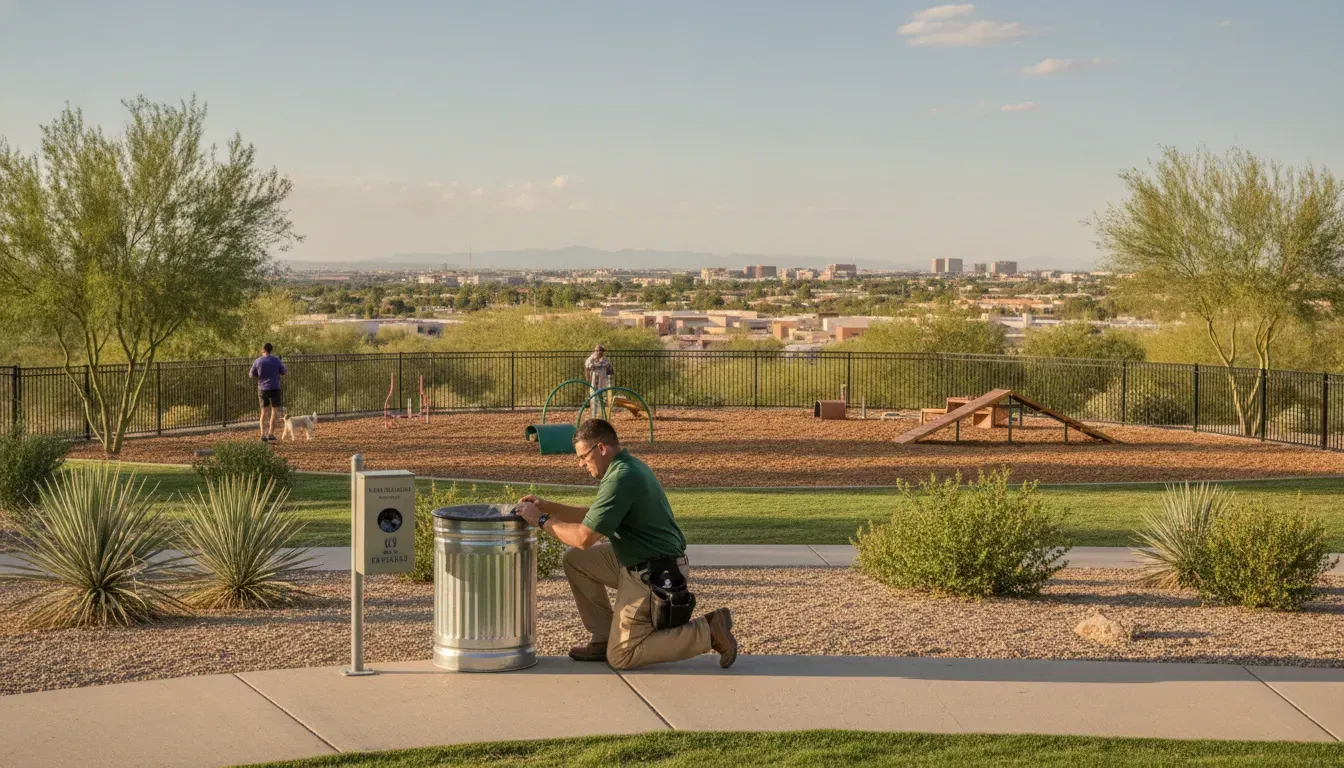
- Install accessible pet waste stations in the right locations. Stations should be easy to find along the routes residents already use, not hidden at the far edge of the community. Place them near high-traffic pet areas while avoiding blocked walkways, doors, and gathering spaces. Keep bags available, use a durable receptacle, and include enough stations for the size and layout of the property. A manager evaluating installing pet waste stations should consider visibility, service access, lighting, and how quickly each receptacle can fill. Convenience reduces the excuse that a resident had no bag or could not find a disposal point.
- Schedule routine pickup instead of waiting for complaints. Establish a recurring inspection and removal schedule based on pet volume, weather, and the number of high-use areas. A written route can specify which lawns, paths, stations, and dog areas are checked on each visit. Staff should record missed areas, overflowing receptacles, damaged equipment, and recurring trouble spots. Predictable service protects the resident experience and gives management an objective way to adjust frequency when occupancy or pet registrations change.
- Enforce the rules consistently and document the response. State the expectations in plain language, including where pets may be walked, how waste must be bagged and disposed of, and what happens after a violation. Apply the same process to comparable situations, keep incident notes, and train staff to refer unusual animal-related requests to the appropriate accommodation process. Clear documentation helps distinguish ordinary pet-policy enforcement from issues involving assistance animals, which are subject to separate fair-housing requirements. For broader operational planning, review A1's commercial pet waste removal guide for property managers.
The result is a policy residents can follow and a management system staff can maintain. When stations are stocked, pickup is dependable, and enforcement is predictable, small sanitation issues are less likely to become repeated complaints about the entire community.
How Professional Waste Removal Supports Pet-Friendly Apartment Policies
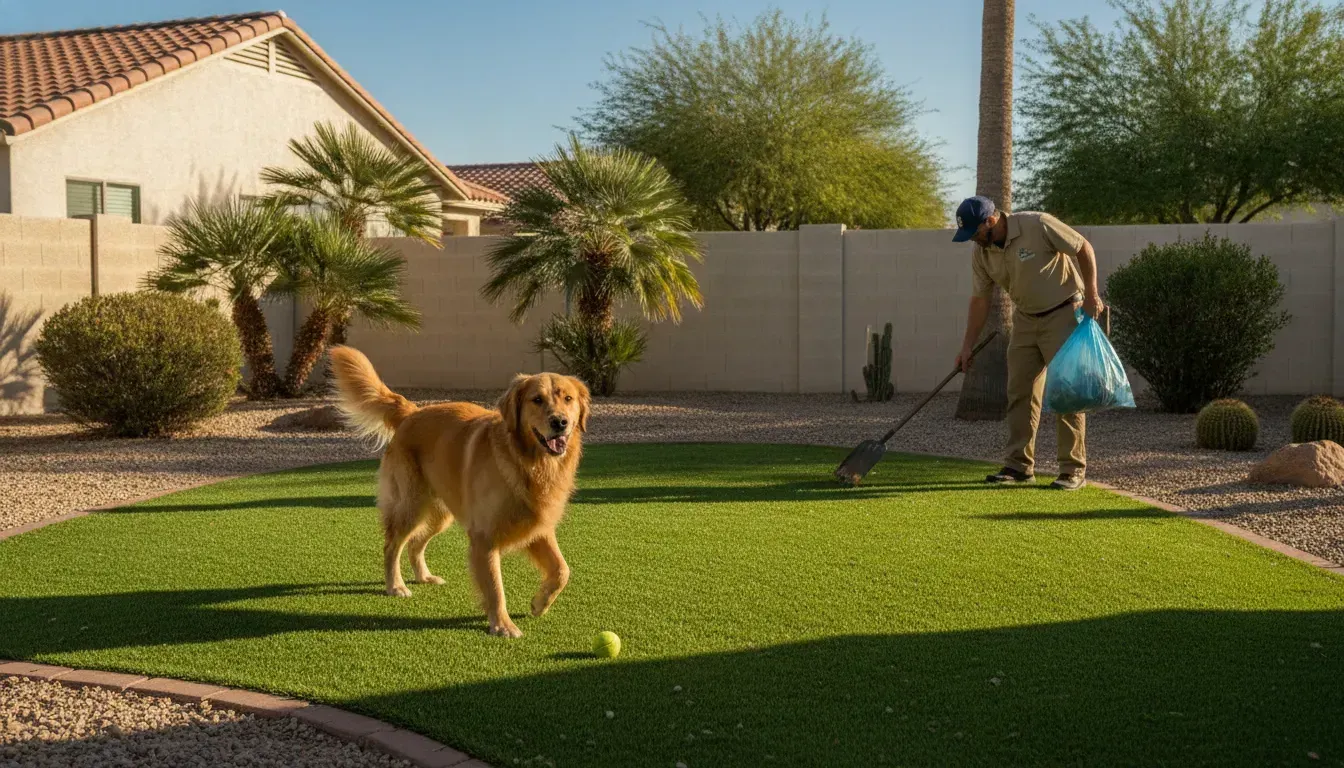
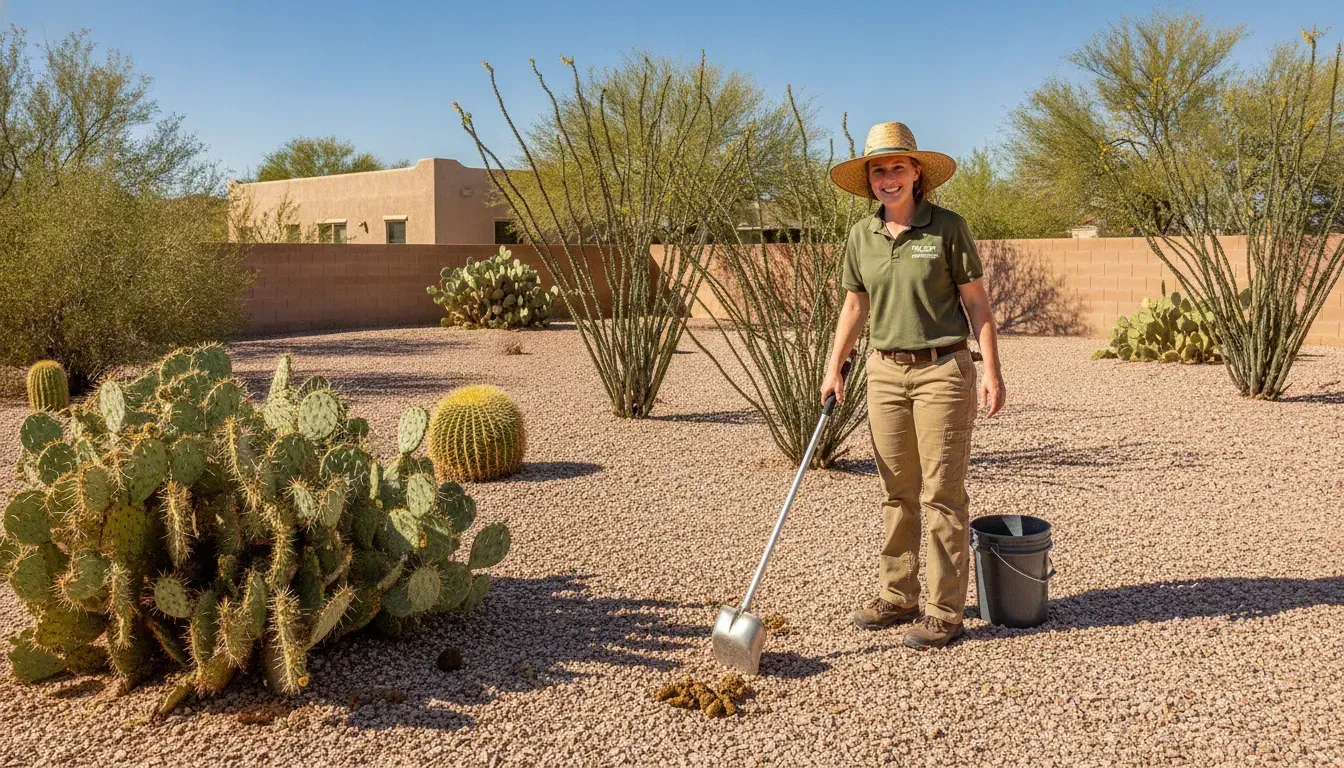
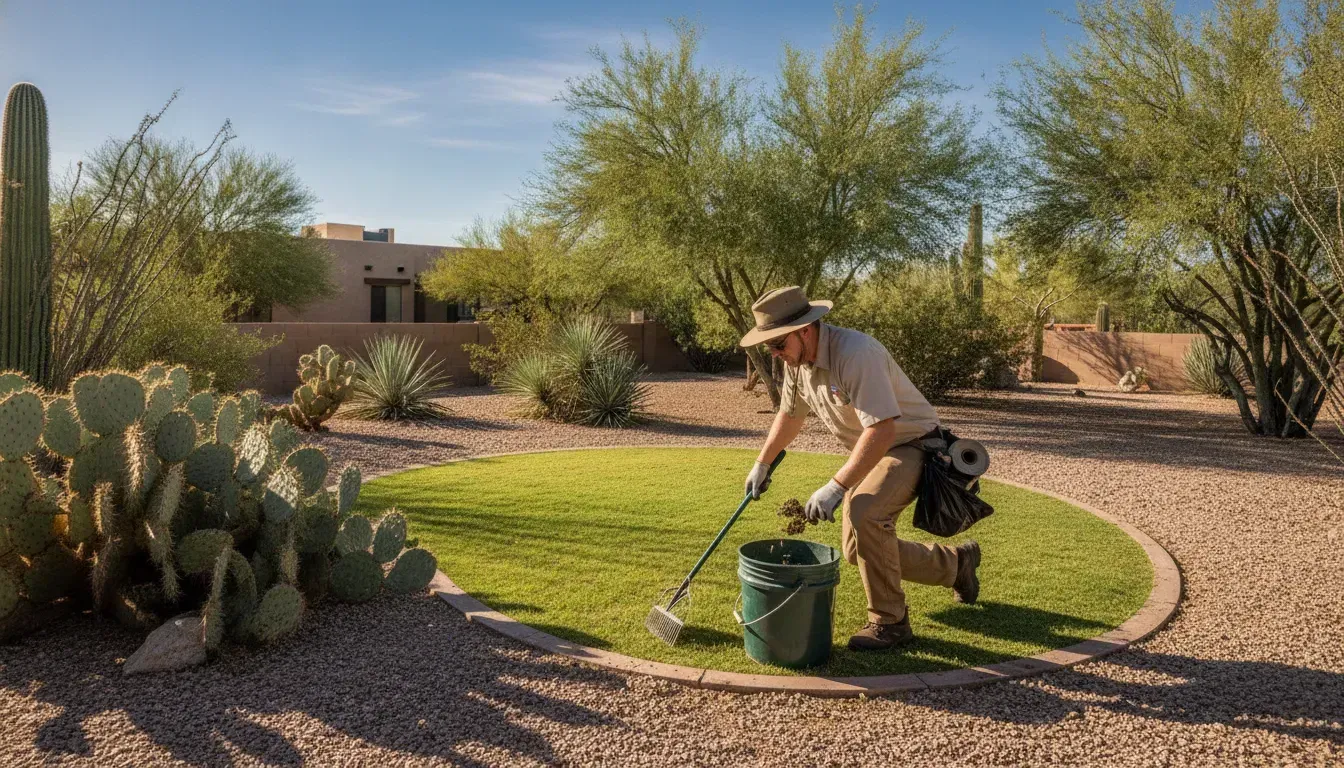
A pet-friendly community needs more than a welcoming leasing policy. It also needs a dependable process for keeping shared grounds clean, reducing odors, and responding to the daily volume of waste that comes with a larger pet population. Professional service gives apartment teams a consistent operating layer without requiring leasing staff, maintenance technicians, or managers to add waste cleanup to an already full schedule.
That distinction matters because pet-friendly housing requires careful planning around nuisance, property damage, and public health concerns. A1 Pet Maintenance has served Southern Nevada since 1998 and brings more than 26 years of experience to apartment and commercial property care. Our flexible, no-contract service can be adjusted to the property's needs, whether the community needs routine cleanup, support around pet amenities, or a dependable partner for multiple locations.
For a broader planning framework, review our commercial pet waste removal guide for property managers. The goal is not simply to remove visible waste. It is to make sanitation predictable enough that residents notice the quality of the grounds, not the maintenance gaps.
DIY on-site cleanup compared with professional pet waste removalManagement factorDIY on-site waste cleanupProfessional serviceStaff hoursMaintenance or grounds staff must fit recurring cleanup into existing rounds, often taking time from higher-priority work.A dedicated crew handles scheduled removal, giving on-site teams more time for repairs, inspections, and resident needs.ConsistencyResults can vary with staffing, weather, turnover, and competing work orders. Missed rounds become more visible as waste accumulates.A defined service schedule creates a repeatable standard across common areas, pet stations, and high-use lawn sections.Liability and sanitationInconsistent documentation and cleanup can make it harder to show that nuisance and sanitation concerns are being actively managed.Regular service supports a documented maintenance process and helps the property address avoidable odors, pests, and resident complaints.Resident satisfactionResidents may judge the entire community by a single neglected pet area or overflowing station.Cleaner, better-maintained grounds reinforce the value of a pet-friendly amenity and support a more positive resident experience. A1's commercial partners stay with us for an average of 18.2 years, and the company holds government contracts with the City of Las Vegas, Henderson, and Clark County. Those relationships reflect experience operating to dependable sanitation expectations, not a one-time cleanup approach. For apartment owners and managers evaluating pet waste removal services for apartment communities, a no-contract arrangement also makes it easier to begin with a practical service level and adjust as occupancy, pet enrollment, or community needs change.
Call A1 Pet Maintenance today at (702) 521-2624 for a no-contract quote.
How to Market Your Property as Pet-Friendly Without Sacrificing Standards
Pet-friendly marketing should make the community feel welcoming while showing prospects that the property is well managed. Use current photos and listing copy to highlight clean grounds, convenient waste stations, designated relief areas, durable flooring, and nearby walking routes. Residents want to know that pets are accepted, but they also want confidence that common areas will remain sanitary and quiet.
Be equally clear about the operating rules. Explain the application process, approved pet types, occupancy limits, leash expectations, waste-disposal requirements, and consequences for repeated violations before a prospect applies. Transparent details reduce surprises after move-in and give leasing teams a consistent answer when prospects compare Las Vegas communities.
Show the value of a clear pet cost structure
List every charge in plain language instead of presenting a vague "pet-friendly" benefit and discussing costs late in the leasing process. In Las Vegas apartment communities, typical pet rent is often about $25 to $50 per month per pet. Although the amount depends on the property's policy, unit type, and local business decisions. State whether the community charges a one-time fee, a refundable deposit, monthly pet rent, or a combination. Also explain whether the charges apply per household or per animal.
Pet screening can support this process by collecting consistent information about an animal's size, age, vaccination status, behavior history, and accommodation-related documentation. Apply the same screening workflow to comparable applicants and keep records of approvals, denials, and rule notices. Screening should help the team manage ordinary pet-related risks, not create an informal barrier for residents who use assistance animals.
Separate ordinary pet rules from assistance-animal accommodations
One of the most important standards in pet-friendly apartment policy management in Las Vegas is recognizing that an assistance animal is not treated as an ordinary pet. Federal guidance states that housing providers must make reasonable accommodations for people with disabilities who use assistance animals, even when a property has a no-pet policy. See the HUD guidance on assistance animals before finalizing leasing scripts or online forms.
Do not describe an assistance animal as a pet, automatically apply pet rent. Or impose ordinary breed and weight rules without reviewing the accommodation request under the applicable requirements. The distinction between service animals and assistance animals, including what documentation may be requested, is a frequent source of conflict in property management, according to UNLV legal research. Because policies applied in a way that restricts assistance-animal rights can create discrimination risk. Train leasing and maintenance staff on the escalation process rather than asking them to make ad hoc decisions. The Department of Justice case materials illustrate why consistent implementation matters.
Finally, connect the marketing promise to visible property care. Explain how residents report damaged stations, nuisance conditions, or missed waste, and link prospects to your pet waste management policies for apartment managers. When the rules, fees, screening process, and grounds-maintenance plan are easy to find, pet-friendly positioning becomes a credible management standard rather than a vague leasing slogan.
Frequently Asked Questions
What are the common pet friendly apartment policies in Las Vegas?
Common policies include pet screening, a limit on the number of animals, breed or weight restrictions. One-time pet fees, monthly pet rent, vaccination requirements, and rules for waste, noise, and property damage. The strongest policies explain these requirements before move-in and apply them consistently. A pet-friendly program also needs a separate process for assistance animals, which are not treated as ordinary pets under federal housing rules. HUD explains that housing providers must make reasonable accommodations for assistance animals.
How do pet policies affect apartment management operations?
They add recurring work for leasing and management teams, including reviewing pet applications, collecting fees, documenting animal records, responding to noise or damage complaints, and coordinating grounds maintenance. They can also support rental demand and resident retention when expectations are clear. Because pet-friendly housing requires planning around damage, nuisance, and public health concerns. Management should treat the policy as an operating system rather than a clause buried in the lease. Public health guidance identifies these risks as key planning considerations.
Are there breed restrictions for pet friendly apartments in Las Vegas?
Many communities use breed restrictions, but the list and enforcement approach vary by property. Some also set weight limits or cap the number of pets per home. Managers should publish the criteria clearly, verify that staff apply them consistently, and avoid using a pet rule to deny a lawful assistance-animal accommodation. When a resident requests an accommodation, route the request through the property's fair housing process instead of treating it as a standard pet application.
What is the typical pet rent in Las Vegas apartment communities?
Pet rent commonly falls around $25 to $50 per month per pet, although the amount depends on the community, animal count, and overall fee structure. Managers should state whether rent is charged per pet, explain any separate deposit or one-time fee, and disclose the terms before an applicant signs. Clear pricing reduces leasing questions and helps residents understand the ongoing cost of keeping an animal.
How can property managers mitigate risks associated with pet friendly apartments?
Use consistent pet screening, written rules, documented inspections, prompt complaint handling, adequate waste stations, and scheduled waste removal. Train staff on the difference between pets and assistance animals, and maintain a documented accommodation process. Regularly review deposits, insurance requirements, vendor coverage, and incident records. The goal is a clean, sanitary, nuisance-free community without policies that improperly restrict residents who use assistance animals.
Ready to make pet-friendly operations easier?
A clear pet waste plan can help your Las Vegas apartment community keep shared areas cleaner while giving your team a practical way to support pet-friendly policies. A1 Pet Maintenance has served Las Vegas-area property managers for more than 26 years, with no-contract, flexible pet waste removal designed to fit your community's needs.
Call A1 Pet Maintenance today at (702) 521-2624
Call to discuss signing up for flexible service and take the next step toward more manageable pet-friendly property operations. Your team can choose an approach that works for the community you manage.