A Guide to So. Nevada Apartment Pet Waste Management
This is a subtitle for your new post
Unscooped pet waste is a direct hit to your property's bottom line. The costs go far beyond the occasional resident complaint. Youâre looking at damaged landscaping, expensive artificial turf repairs, and the potential for municipal fines. More importantly, a dirty property drives away good tenants and makes it harder to attract new ones, impacting your occupancy rates and long-term profitability. This isn't just a maintenance issue; it's a financial one. This guide provides a clear, business-focused approach to apartment complex pet waste management Southern Nevada property managers can use to protect their assets, reduce liability, and turn a major headache into a well-managed aspect of their successful community.
Key Takeaways
* Address waste before it becomes a crisis: Unmanaged pet waste isn't just an eyesore; it creates real health risks, damages expensive landscaping, and can drive away good residents. Staying on top of it protects your community and your bottom line.
* Set residents up for success with clear rules and tools: A strong pet policy in your lease is essential, but it only works if residents have the resources to follow it. Providing well-stocked waste stations makes it easy for people to be responsible and removes common excuses for not cleaning up.
* Partner with a professional for a complete solution: A dedicated service does more than just scoop; they manage waste stations, sanitize artificial turf, and control odors. This frees up your staff, keeps residents happy, and ensures your property remains clean and healthy.
The True Cost of Unmanaged Pet Waste
Welcoming pets can make your property highly desirable, but it also introduces the challenge of managing their waste. Itâs easy to dismiss a few unscooped piles as a minor nuisance, but the reality is that unmanaged pet waste carries significant hidden costs. These costs impact your communityâs health, your budget, and your residents' long-term satisfaction. Ignoring the problem doesnât make it go away; it only allows these issues to grow, affecting your propertyâs reputation and bottom line.
Health Risks for Residents and Pets
Let's be frank: unscooped pet waste is a serious health hazard. Itâs not just an eyesore; itâs a breeding ground for bacteria and parasites. A single gram of dog waste can contain millions of fecal coliform bacteria. These pathogens, including E. coli and salmonella, can easily be tracked into homes or transferred to people, especially children playing in common areas. When rain washes over abandoned waste, these pollutants contaminate local waterways, posing a wider environmental risk. This isn't just about keeping things tidy; it's about protecting the health and safety of your entire community, both two-legged and four-legged.
Property Damage and Ongoing Maintenance Costs
The financial toll of unmanaged pet waste adds up quickly. Dog urine and feces are highly acidic and can burn lawns, creating yellow, dead patches in your landscaping. This is especially damaging to expensive installations like artificial turf, which can absorb odors and become unsanitary without proper care. The responsibility for cleanup often falls to your maintenance team, pulling them away from other essential duties and increasing your operational costs. Furthermore, many Southern Nevada municipalities have ordinances that can lead to fines for properties that fail to manage pet waste, turning a resident issue into a direct financial liability for you. Investing in professional commercial property services can prevent these costs from spiraling.
How It Affects Resident Happiness and Renewals
A clean, pleasant environment is a key factor in resident retention. When common areas are littered with pet waste, they become unusable and unpleasant for everyone. This can quickly lead to an increase in resident complaints, negative online reviews, and a decline in community morale. No one wants to dodge landmines on their way to the pool or have their picnic spoiled by foul odors. A property that looks and smells neglected is less attractive to both current and prospective tenants. By ensuring your shared spaces are consistently clean, you show residents you care about their quality of life, which goes a long way in encouraging lease renewals and building a positive reputation.
Legal and Liability Risks for Southern Nevada Properties
Managing a pet-friendly property comes with many perks, but it also brings unique responsibilities. Beyond the obvious need to keep your grounds clean, unmanaged pet waste opens the door to serious legal and liability issues. These aren't just minor annoyances; they can lead to fines, lawsuits, and a damaged reputation. Understanding these risks is the first step toward protecting your property, your residents, and your bottom line. Let's walk through the key legal areas you need to have on your radar as a property manager in Southern Nevada.
Staying Compliant with Nevada Health Codes
Your responsibility to provide a safe and habitable living environment is written into law. Local health codes exist to protect residents from public health threats, and accumulated pet waste is a significant one. Each pile of dog waste can contain millions of fecal coliform bacteria, posing a risk to both people and other pets. When waste is left to decompose, it attracts pests and creates unsanitary conditions that can lead to complaints and violations. Staying on top of waste removal isn't just good practice; it's a fundamental part of revamping multifamily pet waste management efforts and avoiding costly fines from health authorities.
Enforcing Your Lease and Pet Policies
A strong defense against liability starts with a strong offense, and in property management, that means a rock-solid lease agreement. Your pet policy shouldn't be an afterthought. It needs to clearly outline resident responsibilities, including immediate waste pickup, designated disposal areas, and the consequences for failing to comply. By implementing clear policies and providing resources like waste stations, you create a framework for accountability. This documentation is your best tool for enforcing the rules fairly and consistently, giving you legal standing to issue fines or take other action if a resident repeatedly ignores their responsibility to keep shared spaces clean.
Understanding Environmental and Water Contamination Risks
The impact of pet waste extends far beyond your property lines. When it rains, the waste left on lawns, sidewalks, and desert landscaping gets washed into storm drains. From there, it flows directly into local waterways, including the Las Vegas Wash and eventually Lake Mead, without any treatment. Unlike fertilizer, pet waste is a major pollutant packed with bacteria and nutrients that can harm aquatic ecosystems and contaminate our water supply. Pet waste is a bigger problem than you think, and properties can face scrutiny or even legal action under environmental regulations for contributing to water pollution.
Pet Waste Challenges in the Southern Nevada Climate
Living in Southern Nevada means embracing the sun, but that same heat creates unique hurdles for property managers dealing with pet waste. The desert climate doesn't just make things hot; it changes how waste breaks down, how it affects your landscaping, and how quickly a small issue can become a major problem for your community. Understanding these specific challenges is the first step to creating a clean and pleasant environment for your residents. From bacteria growth to the realities of desert landscaping, the desert demands a smarter approach to pet waste management.
How High Heat Accelerates Bacteria Growth
The intense desert sun acts like an incubator for the bacteria, parasites, and pathogens found in pet waste. A pile of dog poop left on the sidewalk isn't just an eyesore; itâs a rapidly growing health hazard. In the high temperatures of Las Vegas and Tucson, bacteria multiply at an alarming rate, increasing the risk of transmission to both people and other pets. Unscooped waste doesn't just harm the health of your community; it also wreaks havoc on the local environment as harmful bacteria can be washed into the water system. This makes quick and consistent removal more than a matter of cleanliness, it's a critical public health measure for your property.
Managing Waste on Desert Landscaping and Turf
Desert landscaping like rock gardens and artificial turf are popular for their low water use, but they present their own problems with pet waste. Unlike grass, these surfaces don't absorb or break down waste. Instead, feces bake onto rocks and turf fibers, creating stubborn stains and powerful odors that linger in the heat. Urine is an even bigger issue for turf, as it can seep through the turf backing and into the base layer, causing smells that are nearly impossible for your on-site team to eliminate. Keeping these areas clean and odor-free often requires professional artificial grass cleaning to sanitize the surface and treat the underlying layers.
Handling Pet Waste in Crowded Communities
In a dense apartment complex or HOA, the sheer volume of pet waste can quickly become overwhelming. Even with responsible residents, the daily accumulation in a community with hundreds of pets is often more than on-site staff can handle. Uncollected waste in large properties leads to a spike in resident complaints, spreads harmful bacteria, and can even expose owners to fines. This is where a dedicated strategy becomes essential. Managing pet waste at this scale isn't just about having a few bins; it's a logistical challenge that requires consistent, professional solutions for commercial properties.
Set Up Your Property for Pet Waste Success
Even the best pet policy will fail if residents don't have the tools to follow it. Setting up your property for success means making it incredibly easy for pet owners to do the right thing. When a trash can is nearby and bags are available, residents are far more likely to clean up after their pets. It removes excuses and shows that you, as the property manager, are a partner in keeping the community clean. This proactive approach is fundamental to maintaining a high-quality living experience for everyone.
Think of it as building the infrastructure for a cleaner property. Before you can enforce rules, you need to provide the necessary resources. A thoughtful layout of waste stations, a consistent maintenance schedule, and special care for unique landscaping like artificial turf are the building blocks of an effective pet waste management program. By taking these proactive steps, youâre not just managing waste; youâre creating a cleaner, more pleasant environment that benefits every single resident, with or without pets. This foundation makes it easier to communicate expectations and ensures your community remains a desirable place to live.
Where to Place Waste Stations
The key to effective waste station placement is convenience. Your goal is to put a station everywhere a resident might think, "I wish there was a trash can here." Start by walking the common routes pet owners take. Place stations near building exits, along popular walking paths, and at the entrances to any designated pet parks or green spaces. Don't make residents go out of their way to find a bin. Having plenty of waste bag dispensers and trash cans makes it simple for people to be responsible. A well-planned network of stations is a core part of managing a pet-friendly commercial property and shows you're serious about cleanliness.
How to Maintain Bins and Bag Dispensers
An empty bag dispenser or an overflowing trash can is often worse than having no station at all. It sends a message that the rules don't matter and can quickly become a smelly, unsightly mess. Create a regular schedule to check every station on your property. Ensure bag dispensers are always stocked and empty the trash cans before they get full. Consistent maintenance is crucial for preventing odors and encouraging residents to use the facilities you provide. If your own staff is stretched thin, remember that professional services can handle this for you, ensuring your stations are always clean, stocked, and ready for use.
Special Considerations for Artificial Grass
Artificial grass is a popular, low-water choice for desert landscaping, but it requires special attention in pet-friendly areas. Unlike natural grass, turf doesn't break down organic matter. Pet waste that isn't picked up immediately can lead to stubborn odors and bacteria buildup, especially in the Southern Nevada heat. Simply scooping the waste isn't enough. The residue left behind needs to be professionally cleaned to sanitize the surface and eliminate smells. Regular artificial grass cleaning and maintenance will protect your investment and ensure the area remains a safe and pleasant place for residents and their pets to enjoy.
Create a Pet Waste Policy Residents Will Follow
A clean, beautiful property doesn't happen by accident, especially when pets are part of the community. While most residents are responsible, a few lapses can quickly create a messy and unpleasant environment for everyone. The key to preventing this is a clear, consistent, and fair pet waste policy. Think of it as the foundation for a respectful community where everyone, including our four-legged friends, can enjoy the shared spaces.
A strong policy isn't about being restrictive; it's about setting clear expectations that protect residents' health, maintain your property's value, and keep your community a place people are proud to call home. Unmanaged pet waste affects sanitation, resident satisfaction, and the overall appearance of shared outdoor spaces. When residents understand the rules and the reasons behind them, they are far more likely to do their part. By putting a thoughtful policy in place and enforcing it fairly, you create a positive feedback loop that benefits the entire community.
Write Clear Lease Clauses and Pet Addendums
Your lease agreement is the most important tool for setting expectations. Vague rules lead to inconsistent behavior, so it's crucial to be specific. Your lease or a dedicated pet addendum should clearly state that residents are required to pick up their pet's waste immediately and dispose of it in designated receptacles. Don't leave any room for interpretation.
Outline the consequences for failing to comply, such as fines for each offense. This isn't about being punitive; it's about clarifying that the rule is a serious part of their lease agreement. When you tackle the problem with clear, written policies, you create a legal framework that supports your enforcement efforts and protects your property from the issues that arise from unmanaged pet waste.
Set Expectations from Day One
The best time to introduce your pet waste policy is before a resident even moves in. Discuss it during the lease signing process to establish it as a core community standard from the very beginning. Providing context helps with buy-in, so explain the why behind the rules. Let new residents know that these policies are in place to prevent potential health hazards and keep the grounds clean and enjoyable for everyone.
Include a reminder in your move-in packet with a map of all pet waste stations on the property. This simple step removes any excuse for not knowing where to dispose of waste properly. When you set a positive and proactive tone from day one, you frame pet waste cleanup not as a chore, but as a shared responsibility for maintaining a great community.
Enforce Rules Fairly and Without Drama
A policy is only as good as its enforcement. To be effective, enforcement must be consistent, fair, and drama-free. Create a straightforward process for documenting and addressing violations. This might involve time-stamped photos or reports from staff. When a violation occurs, address it privately with the resident through a formal notice, referencing the clause in their lease agreement.
The goal is to correct the behavior, not to shame the resident. Fair enforcement shows everyone that you are serious about maintaining a clean environment. Partnering with a professional service for your commercial property can also help, as regular cleanings reduce the overall burden and demonstrate your commitment to a pristine landscape. This makes individual enforcement actions feel less like punishment and more like part of a larger, professional maintenance plan.
Creative Solutions for Pet Waste Management
Even with the best policies, managing pet waste can feel like a constant battle. If you've placed waste stations and sent out reminders but are still finding messes, it might be time to get creative. Thinking outside the box can help you build a community culture where picking up after pets is the norm, not the exception. These strategies go beyond the basics to address the root of the problem, whether it's a lack of accountability, resources, or resident engagement. By combining a few of these approaches, you can create a cleaner, happier environment for everyone on your property. It shows your residents that you're serious about maintaining a beautiful community and willing to invest in modern solutions to do so.
Using DNA Testing for Accountability
When a few repeat offenders are causing most of the problems, it's time to bring in the big guns: pet DNA. It might sound like something from a crime show, but using forensic DNA services is a surprisingly effective way to enforce your policies. The process is simple. When a new pet moves in, you take a harmless cheek swab and add it to a property-wide database. If your staff finds abandoned waste, they can send a sample to the lab for testing. The lab matches the sample to the pet in your database, and you can then follow up with the owner directly. This high-tech solution creates a powerful system of accountability and quickly reduces waste incidents.
Eco-Friendly Options: Biodegradable Bags and Disposal
Today's residents care about sustainability, and providing eco-friendly options is a simple way to show you're on the same page. Stocking your pet waste stations with biodegradable bags instead of traditional plastic ones is a small change that makes a big impact. It encourages responsible pet ownership while also minimizing your community's environmental footprint. When you introduce these bags, let your residents know about the switch. This gesture can build goodwill and reinforce the idea that pet waste management is a shared community effort. Ensuring proper disposal methods are followed is just as important, so clear signage on bins is key.
Using Signage and Cameras as Deterrents
Sometimes, a simple reminder is all it takes. Well-placed signs and security cameras can serve as powerful visual cues that encourage residents to follow the rules. Instead of using harsh, punitive language, try friendly and even humorous signs like, "Your pet is leaving you a present. Don't leave it for us!" Placing them near popular dog-walking routes and building exits keeps the responsibility top of mind. While the goal isn't to spy on residents, the presence of cameras can be one of the most effective deterrents. They remind everyone that common areas are monitored, which naturally encourages better behavior and helps keep your property clean.
Encourage Community Reporting and Engagement
Your residents can be your greatest allies in keeping the property clean. Create a simple and discreet system for them to report problem areas. This could be a dedicated email address, a form on your resident portal, or even a text number. When residents know they can easily report an issue without drama, theyâre more likely to help you identify hotspots before they get out of hand. You can also foster a sense of shared ownership by organizing community clean-up days or celebrating responsible pet owners in your newsletter. By upgrading pet waste management procedures to include the community, you turn it into a team effort, making everyone more invested in the outcome.
Simple Rules for Responsible Pet Owners
Living in a community with your pet means being a good neighbor, and a huge part of that is handling pet waste responsibly. Itâs not just about following rules; itâs about creating a clean, safe, and pleasant environment for everyone, including your own furry friend. When everyone does their small part, it makes a massive difference in the communityâs overall health and happiness.
As a pet owner, you have the power to lead by example. These simple habits are easy to adopt and go a long way in keeping your apartment complex looking and feeling great. Think of it as your contribution to a pet-friendly culture where residents and their companions can thrive together. Here are a few straightforward rules that every responsible pet owner should follow.
Always Carry Bags (and Choose Eco-Friendly Options)
This is the golden rule of dog ownership. Never leave your apartment without a few waste bags in your pocket or attached to the leash. Even if you think itâs just a quick potty break, you need to be prepared. Forgetting a bag isnât a valid excuse for leaving waste behind.
To take it a step further, consider using compostable bags instead of standard plastic ones. These bags are designed to break down naturally, which is a much better choice for the environment. Making this small switch is an easy way to reduce your petâs carbon paw-print and contribute to a greener community.
Use the Designated Waste Stations
Those pet waste stations you see around the property are there for a reason. They are strategically placed to make disposal convenient for you and to contain waste properly. Tossing a tied bag into a designated bin prevents odors from spreading and keeps the area tidy for the next person.
If you notice a station is full or out of bags, let your property manager know. They need to keep the bins emptied and stocked so residents can use them. Professional services can help properties maintain these stations, ensuring they are always clean and functional. Using the stations correctly helps everyone keep the community clean.
Dispose of Waste the Right Way, Right Away
The moment your dog does its business, you should be picking it up. Thereâs no "five-second rule" for pet waste. Leaving it, even for a minute, is not an option. In the Southern Nevada heat, bacteria multiply quickly, and the waste can start to smell and attract pests almost immediately.
Always pick up after your dog, no matter where they go, whether itâs on the grass, desert landscaping, or the sidewalk. Promptly bagging the waste and placing it in a proper receptacle is the only way to do it right. This simple act of courtesy shows respect for your neighbors and the shared spaces you all enjoy.
Know Your Lease and Report Issues
Your lease agreement and any pet addendums are your official guide to the communityâs rules. Take a few minutes to read them so you know exactly whatâs expected regarding pets, waste disposal, and any associated fines. Following the rules protects you and ensures youâre always in good standing with property management.
You can also be a helpful part of the solution. If you see a recurring problem, like a consistently overflowing bin or a lack of bags, report it. You can also suggest that your property manager look into professional pet waste removal services to keep common areas consistently clean. Being a proactive and responsible resident helps create a better home for all.
What Does a Professional Pet Waste Service Do?
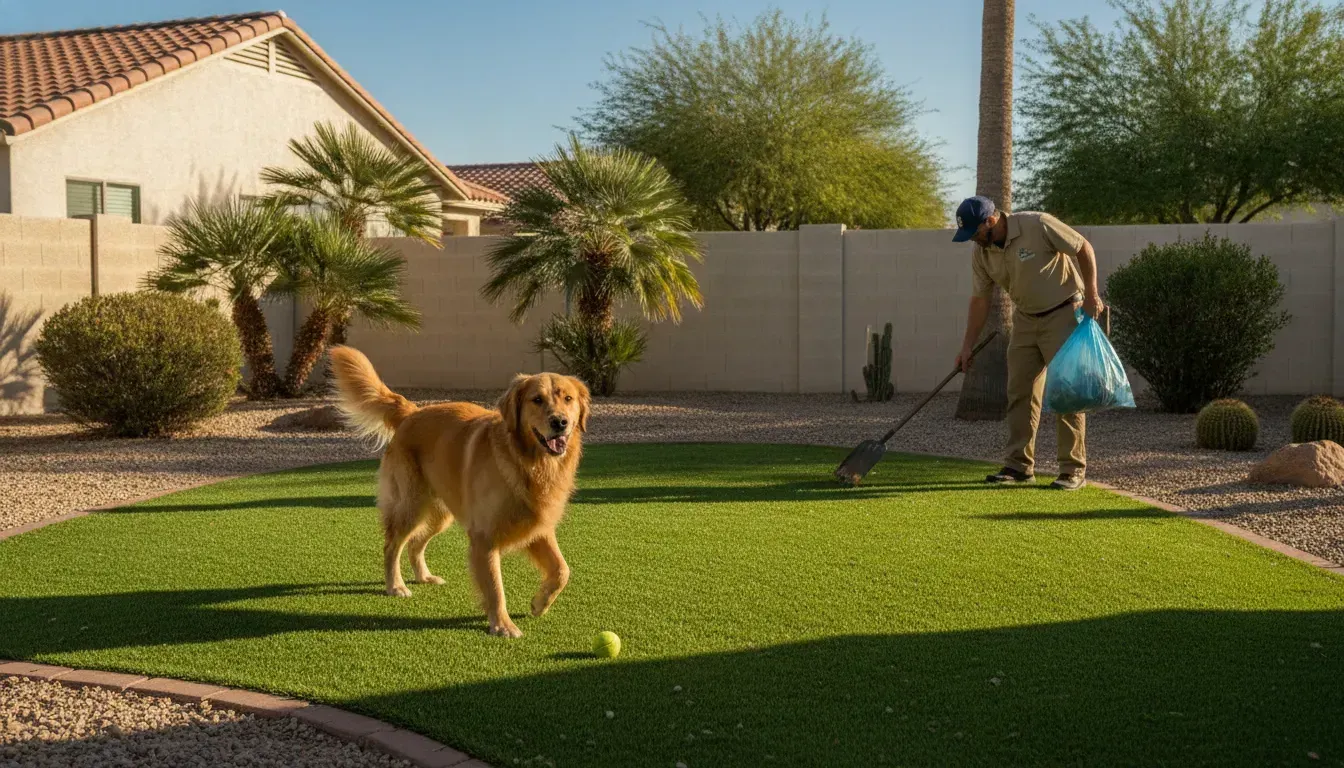
When you think of a pet waste service, you probably picture someone scooping poop. While thatâs a big part of the job, a professional service offers a much more complete solution for property managers. Think of it as total ground maintenance for your pet-friendly areas. These services are designed to keep your commercial property clean, sanitary, and attractive for both current and prospective residents. In a dense multi-family community, especially those with over 150 units, dog waste can accumulate so quickly that on-site staff and residents alone often can't manage it. A professional team handles everything from routine cleanups and turf sanitization to keeping your waste stations stocked and ready for use. They act as a partner, taking a major operational headache off your plate so you can focus on other management tasks. Unscooped pet waste doesn't just look bad; it can harm the health of people and pets and damage the local environment. By hiring a dedicated service, you're investing in the health of your community and the long-term value of your property. It sends a clear message to residents that you care about providing a high-quality living experience, which can make a real difference in resident satisfaction and retention.
Scheduled Cleaning vs. On-Call Service
Most professional companies offer two types of cleaning: scheduled and on-call. On-call service is great for a one-time cleanup, like before a big property tour or after a community event. However, for apartment complexes and HOAs, scheduled cleaning is the key to maintaining a consistently clean environment. With a scheduled service, technicians visit your property on a recurring basis, whether it's daily, weekly, or multiple times a week. This proactive approach prevents waste from piling up, which reduces odors, minimizes health risks, and keeps your common areas looking their best. For busy properties, a regular schedule is the only way to stay ahead of the mess and ensure your community remains a pleasant place to live.
Sanitizing and Maintaining Artificial Grass
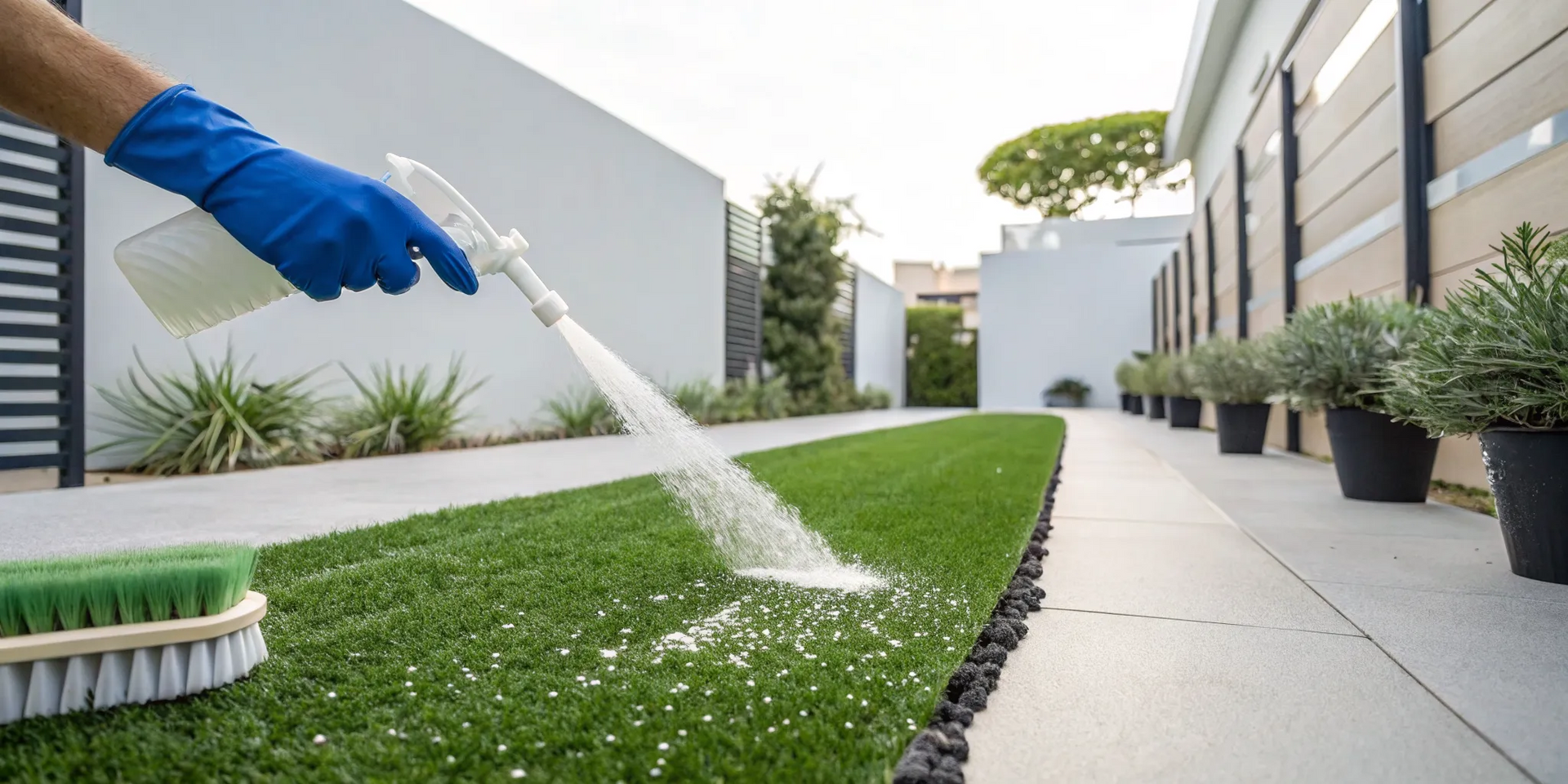
Artificial grass is a popular, water-wise choice for Southern Nevada landscapes, but it comes with its own set of challenges when pets are involved. Unlike natural grass, turf doesn't break down waste or absorb urine. Over time, this can lead to a buildup of harmful bacteria and persistent odors. A professional service goes beyond just removing solid waste from turf. They provide a deep artificial grass cleaning and maintenance service using specialized, pet-safe sanitizers and enzymatic cleaners. These treatments neutralize odors at their source and eliminate dangerous bacteria, protecting the health of both residents and their pets. Regular sanitization keeps your turf fresh and usable for everyone.
Restocking and Maintaining Waste Stations
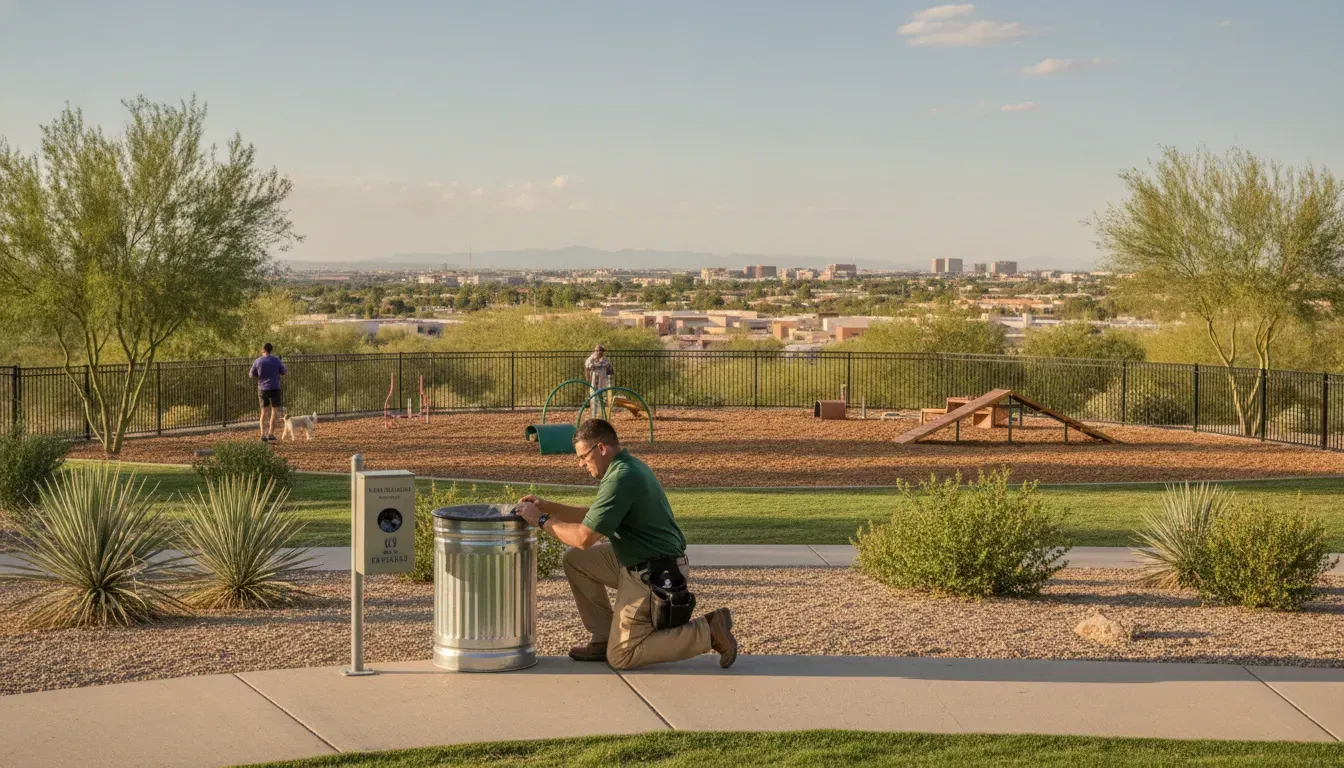
Pet waste stations are a fantastic amenity, but they're useless if they're empty or overflowing. A key part of a professional pet waste service is maintaining these stations. Technicians will ensure the bag dispensers are always full, giving residents the tools they need to clean up after their pets. They also empty the waste receptacles before they become unsightly and smelly. This simple but crucial task encourages compliance with your community's pet policies and shows residents that you are committed to keeping the property clean. When waste stations are well-maintained, they become a reliable resource that residents will actually use, making a noticeable difference in the cleanliness of your grounds.
Odor Control Treatments
In the Southern Nevada heat, pet waste odors can become a major issue, and fast. Lingering smells from urine and feces in common areas, dog parks, and gravel patches can lead to resident complaints and make your property feel unclean. A professional pet waste service tackles this with targeted odor control treatments. They use powerful, pet-safe deodorizers that don't just mask smells but neutralize them completely. By applying these treatments to problem areas, they eliminate the organic matter that causes bad odors. This service is especially important for maintaining a fresh and inviting atmosphere in high-traffic pet areas, ensuring your property is a place everyone can enjoy, whether they have a pet or not.
Is a Pet Waste Service Worth It for Your Property?
Deciding whether to hire a professional pet waste service is a common question for property managers. While it's an added line item in your budget, the value it brings in resident satisfaction, property cleanliness, and reduced liability can be a game-changer. When you weigh the predictable cost of a professional service against the hidden expenses of managing it in-house, the answer often becomes clear. Let's look at how hiring a pro can be a smart investment for your Southern Nevada property.
Comparing the Cost: Professional vs. In-House
At first glance, tasking your on-site maintenance team with pet waste cleanup might seem like the cheaper option. However, the hidden costs can add up quickly. Unmanaged pet waste affects sanitation, resident satisfaction, and the overall appearance of your property. Even small lapses in cleanup can lead to complaints, health concerns, and added maintenance costs. Diverting your staff to this unpleasant task takes them away from other important duties and can hurt morale. A professional service provides a fixed, predictable cost for consistent, thorough cleaning, protecting your budget from unexpected expenses and ensuring your commercial property always looks its best.
How a Pro Service Makes Residents Happier
A clean, well-maintained property is crucial for resident happiness and retention. Professional dog poop removal services keep apartment complexes cleaner, healthier, and more attractive to both current and prospective residents. In a competitive rental market, a pristine environment is a powerful amenity that shows you care about the community's quality of life. As more apartment operators upgrade their pet waste management procedures, professional cleaning is becoming an expected standard. Happy residents are more likely to renew their leases, recommend your property to others, and take pride in their community, which benefits everyone.
Choose the Right Pet Waste Service in Southern Nevada
When selecting a provider, look for a company that understands the unique challenges of our desert climate. You need a reliable service that offers scheduled cleanings, sanitizes common areas, and properly maintains waste stations to protect the well-being of your residents. A great partner will also offer solutions for tough problems, like odor control on artificial turf. The right professional pet waste services will work with you to create a clean and safe environment, helping you enforce your community's rules and keep your property compliant with local health codes. This proactive approach is key to successful property management in Southern Nevada.
Related Articles
- Commercial Property Pet Waste Cleanup | Las Vegas, NV
- Artificial Grass Cleaning & Maintenance | Las Vegas, NV
- Pet Waste Maintenance | A1 Pet Waste Maintenance | NV
- Pooper Scooper FAQs | A1 Pet Waste Maintenance | NV
Frequently Asked Questions
My maintenance team already handles cleanup. Why would I hire a professional service?
Relying on your in-house team for pet waste can seem cost-effective, but it often creates hidden costs. It pulls your staff away from other essential tasks, can be a major hit to team morale, and may not fully address the sanitary issues. A professional service provides consistent, scheduled cleanings at a predictable cost, ensuring the job is done thoroughly every time. They also have the right tools and pet-safe products to sanitize areas and control odors, which is a level of service that goes beyond simple scooping.
How can I get residents to actually use the pet waste stations we provide?
The key is to make it incredibly easy and convenient for them. Start by placing stations in high-traffic areas, like near building exits and along popular walking paths. The most important part, however, is maintenance. An overflowing bin or an empty bag dispenser tells residents you aren't serious about the policy. A professional service can manage this for you, keeping stations stocked and emptied so they are always a reliable resource for your community.
Our artificial turf has started to smell because of pets. Is it ruined?
No, your turf is likely not ruined, but it does need special attention. Unlike grass, artificial turf doesn't absorb or break down pet urine, which leads to a buildup of odor-causing bacteria in the turf and its underlayers. Simply rinsing it with a hose won't solve the problem. It requires professional cleaning with specialized, pet-safe enzymatic cleaners that neutralize odors at the source and sanitize the surface, making it fresh and safe for everyone to use again.
What's the most important part of a pet waste policy that residents will actually follow?
Clarity and consistency are everything. Your lease agreement or pet addendum needs to be specific, stating that waste must be picked up immediately and disposed of in designated bins. It should also clearly outline the consequences, like fines, for not complying. When you introduce this policy from day one and enforce it fairly for everyone, you establish it as a serious community standard, not just a suggestion.
We have a few residents who never pick up after their pets. What can we do besides send notices?
For chronic issues, you might consider a more high-tech solution like pet DNA testing. This creates a system of direct accountability. When a new pet joins the community, a simple cheek swab is used to add them to a property database. If waste is found, a sample can be tested to identify the responsible party. While it sounds intense, it is a highly effective way to solve persistent problems and encourage the entire community to be more responsible.