Hoa Pet Waste Rules Enforcement Las Vegas Guide
This is a subtitle for your new post

Pet waste complaints can turn a manageable neighborhood issue into a personal dispute when residents feel singled out or board members are forced to confront neighbors directly. The most effective approach is consistent, visible, and focused on shared property standards rather than individual blame.
For hoa pet waste rules enforcement las vegas, boards should publish a clear pickup and disposal policy, make compliance easy with well-placed waste stations. Document violations consistently, and use the notice and hearing procedures required by Nevada law before imposing sanctions. A third-party cleanup program can also keep common areas sanitary without making volunteers police their neighbors.
That framework starts with rules residents can understand and follow. In Henderson, sanitation guidance requires animal owners to promptly collect feces from common grounds, public ways. And play areas, then place the bagged waste in an appropriate trash receptacle or on the owner's property. Those practical requirements provide a useful foundation for an HOA policy that protects shared spaces while keeping expectations reasonable. For a broader look at how Las Vegas communities keep common areas clean, see the Las Vegas HOA pet waste removal services guide for property managers and boards.
Call A1 Pet Maintenance at (702) 521-2624 to plan professional pet waste removal that supports a clean, conflict-free community for your Las Vegas HOA.
What Do HOA Pet Waste Rules Typically Require?
Most HOA pet waste rules in Las Vegas and Southern Nevada communities set a simple expectation: the person walking the animal must clean up immediately. Use a bag or other suitable container, and place the sealed waste in an approved trash receptacle. The rule applies to shared spaces, not just sidewalks that look visibly dirty. Common grounds, walkways, lawns, courtyards, and play areas all need to remain usable for residents.
Henderson's animal-sanitation requirements provide a useful local benchmark for drafting or reviewing community rules. The city prohibits an owner or person responsible for an animal from allowing feces to remain on a public way. Sidewalk, play area, HOA common ground, or another person's private property. The waste must be removed and disposed of immediately. See the City of Henderson animal-sanitation guidance for the underlying language.
The basic requirements residents should expect
- Pick it up right away. Residents should not leave pet feces for a later walk, a later trip around the property, or a maintenance crew to find. Immediate removal is the clearest way to protect shared areas from repeated contamination and complaints.
- Use an appropriate implement. The collection method should keep the person's hands and the surrounding ground clean. A scoop, bag, or comparable implement can be used to collect the feces before it is placed into a paper or plastic bag or another suitable container.
- Secure the waste. The bag or container should be closed well enough to prevent leakage or exposure while it is carried through the community.
- Use the right disposal point. Bagged waste generally belongs in the owner's property trash or a public or community trash receptacle. It should not be left beside a path, placed in landscaping, or set on top of a full bin.
- Follow the rule in every shared area. A resident's obligation does not disappear because the dog used a quiet corner, a strip of grass, or an area near a playground rather than the main sidewalk.
A concrete example of a typical HOA rule
A community policy might state: "Residents and guests must immediately collect all pet feces deposited in common areas. Sidewalks, streets, landscaped areas, and play areas using a bag, scoop, or other appropriate implement. The bagged waste must be placed in a designated trash receptacle or the owner's household trash. No resident may leave pet waste on the ground or ask association staff to clean up an individual pet's waste." This wording gives residents a clear action. Identifies where the rule applies, and explains what proper disposal looks like.
It is also important to understand that cleanup duties do not depend entirely on intent. Henderson's guidance states that allowing animal waste to remain can be unlawful when it happens willfully or through a failure to exercise appropriate care, custody, or control. In practical terms, "I did not notice" is not a reliable substitute for checking the area and carrying enough bags. Clear rules help residents understand that responsibility before an HOA has to address a violation.
How Can Las Vegas HOAs Enforce Pet Waste Rules Without Conflict?
The most effective HOA pet waste rules enforcement approach in Las Vegas combines clear expectations, easy disposal, consistent documentation, and fair procedures. The goal is not to turn board members into neighborhood police officers. It is to protect shared spaces while giving residents a straightforward way to comply.
Start with a rule residents can understand
Pet waste policies should state exactly where the rule applies, what residents must do, and how waste should be disposed of. A clear notice can explain that owners must promptly collect waste from sidewalks, play areas, common grounds, and other property they do not own. Henderson's animal sanitation guidance also describes collecting feces with an appropriate implement. Placing it in a bag or container, and disposing of it in the owner's trash or a public receptacle. See the HOA pet waste removal board guide for a practical framework boards can adapt to their governing documents.
Use the same language in welcome materials, resident emails, signs, and violation notices. When every communication points to one standard, enforcement feels less personal and residents are less likely to view a reminder as selective treatment.
Make compliance the easy choice
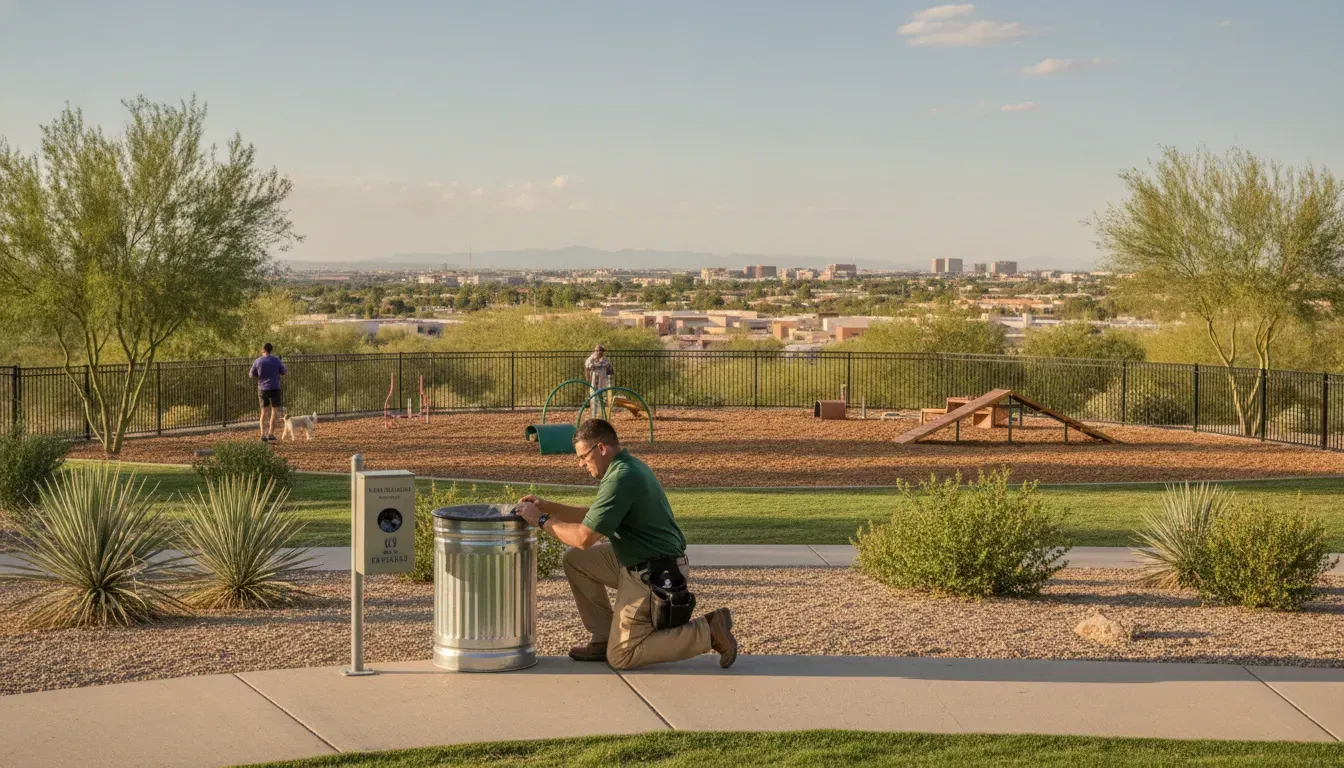
Rules work better when residents have the tools to follow them. Place stocked pet waste stations near entrances, walking routes, parks, and other high-traffic areas. Signs should be brief and visible, with a direct reminder to bag waste and place it in the receptacle. Clear communication and convenient stations are practical ways to improve compliance because they remove two common excuses: not knowing the rule and not having a bag or trash can nearby.
Boards can also use routine community updates to explain why clean common areas matter. Education helps residents understand that pet waste affects shared appearance, sanitation, and the experience of neighbors who use the grounds. A respectful reminder before issuing violations often resolves the problem without escalation.
Apply Nevada's process consistently
Nevada law gives HOA executive boards authority to impose fines and other sanctions for violations of governing documents. That authority is not unlimited. Nevada Revised Statutes 116.31031 includes procedural requirements, limitations, and protections related to notice and due process. Before issuing a fine, the board should confirm that the pet waste rule is properly adopted. The alleged violation is documented, and the notice and hearing process follows the association's governing documents and applicable law. Review the current statute and consult qualified HOA counsel when the facts or procedure are uncertain: Nevada NRS 116.31031.
Use objective records such as dates, locations, photographs where appropriate, and written reports. Apply the same steps regardless of the resident involved. Consistency protects the association and signals that the policy concerns conduct in shared spaces, not personal disagreements between neighbors.
Can an HOA enforce pet waste rules without creating neighbor conflict?
Yes. An HOA can reduce conflict by pairing education and convenient pet waste stations with a documented, evenhanded process. If repeated problems continue, a neutral third-party service can remove waste from common areas and reduce the need for board members to confront neighbors directly. This keeps the board focused on community governance while helping residents enjoy cleaner grounds.
Common Pet Waste Policy Violations and How to Handle Them
Most HOA pet waste complaints fall into a few recognizable patterns: waste left on shared paths or lawns. Unbagged waste, bags placed beside rather than inside a station, dogs off-leash near designated waste areas, and disputes between neighbors. A consistent response helps the board address the conduct without turning every complaint into a personal conflict.
- Document the specific violation. Record the date, location, rule involved, and observable condition. Focus on facts rather than assumptions about which resident was responsible. For example, note that uncollected waste was found beside a playground path, not that a particular neighbor is careless. Consistent documentation helps the board apply its policy evenly and gives residents a clear basis for any follow-up.
- Check whether the rule and notice are clear. Confirm that the governing documents or community policy explain where dogs may be walked, that waste must be collected promptly, and how bags should be disposed of. Education and communication improve compliance, especially when residents do not understand that common grounds are shared property or that a station is intended for bagged waste. Not for bags left on the ground. Use signs, resident emails, and welcome materials before relying only on penalties.
- Address the first occurrence with a neutral reminder. When appropriate, send a courteous notice describing the standard and the corrective action requested. A reminder about picking up waste, tying the bag, using the receptacle. Or keeping a dog leashed near a waste zone can resolve a problem without making the board appear to be policing neighbors. Apply the same communication standard across buildings, streets, and resident groups.
- Separate resident disputes from verified rule violations. If one neighbor reports another, invite the complaint in writing and ask for useful details, such as the location and approximate time. Avoid sharing unnecessary personal information or encouraging confrontation. If the board cannot verify the conduct, it can still send a community-wide reminder without accusing anyone. If excessive waste is accumulating in a Henderson backyard, residents can call Henderson Animal Control at 702-267-4970 to request a courtesy-notice response.
- Escalate through the documented process. Repeated or confirmed violations should move through the notice, hearing, and enforcement steps required by the community's governing documents and applicable Nevada law. Keep records of notices and resident responses, and use objective criteria for escalation. A board should not improvise a fine or bypass required procedures simply because complaints are frustrating.
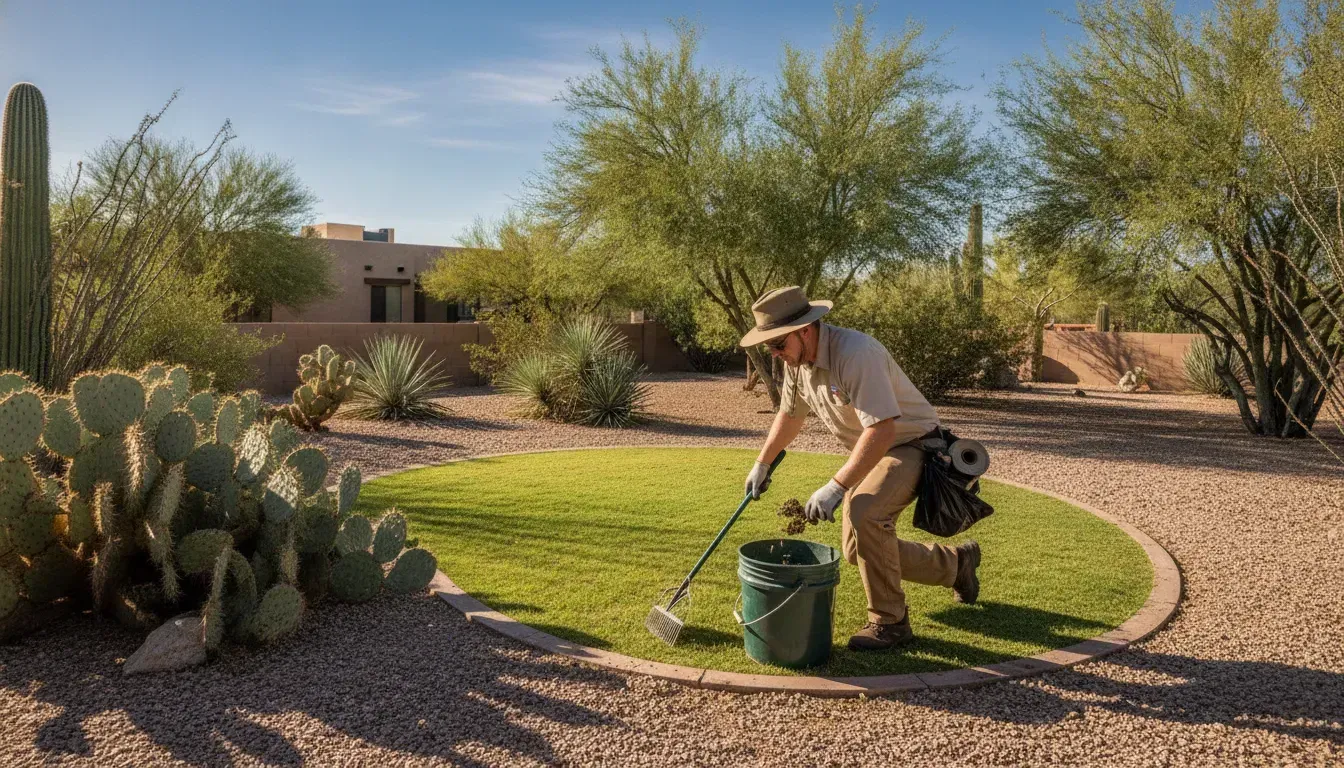
- Use an objective third party when the pattern continues. A scheduled professional cleanup service can remove waste from common areas, maintain stations, and create a predictable sanitation standard. This reduces the need for board members to identify offenders personally and lowers friction between neighbors. A1 Pet Maintenance has more than 26 years of experience helping communities manage unpleasant sanitation work, allowing boards to focus on administration rather than daily enforcement.
Q: What should an HOA do when a neighbor does not pick up dog waste?
Start with a written, factual complaint and review the community's stated process. The board can send a neutral reminder, improve signs or station access, and document repeated violations before considering formal enforcement. The goal is reliable compliance, not a public dispute. When the problem involves excessive backyard waste in Henderson, the city courtesy-notice process may also be appropriate.
A: Handle the conduct consistently, communicate before escalating, and use neutral documentation or third-party cleanup to keep enforcement from becoming personal.
Sample HOA Pet Waste Policy Language
The following sample can help a Las Vegas or Henderson community association create a clear, practical pet waste rule. Boards should adapt it to their declaration, bylaws, adopted rules, and counsel's advice before adding it to governing documents. The goal is to define the duty, make disposal straightforward, and explain how the rule will be administered.
Model policy clauses
- Immediate removal required: A pet owner, custodian, or other person responsible for an animal must immediately remove all feces deposited by that animal on association common grounds. Sidewalks, streets, play areas, or other shared property.
- Collection method: The responsible person must use an appropriate implement, paper or plastic bag, or another suitable container to collect the feces. The waste must not be left on the ground, pushed into landscaping, placed beside a walkway, or otherwise abandoned.
- Proper disposal: After collection, the bag or container must be placed in the owner's property trash or an available public or association trash receptacle. Bagged pet waste must not be deposited in a storm drain, planted area, vacant lot, or another location not designated for refuse.
- Common-area responsibility: Because association members share the use and upkeep of common grounds, every resident and guest must help keep those areas sanitary and accessible. Residents are responsible for the conduct of their pets and their guests' pets.
- Access to supplies: The association may provide pet waste stations, bags, and receptacles at reasonable locations. These supplies support compliance but do not replace the owner's duty to carry a bag and remove waste immediately.
- Notice and enforcement: The association may document reported or observed violations, issue written notice, and apply any remedy authorized by the governing documents and applicable law. Repeated or continuing violations may be handled according to the association's adopted enforcement schedule.
- Fines and procedure: The executive board may impose fines or other sanctions only when authorized by the governing documents and administered in compliance with Nevada's procedural requirements. Nevada Revised Statutes 116.31031 addresses the board's authority, limitations, and requirements for fines and other sanctions. Review the current statute and obtain legal guidance before enforcing this clause: Nevada NRS 116.31031.
This language reflects the sanitation standard published by the City of Henderson. Which requires immediate removal and disposal of animal feces from common grounds and other listed shared areas. Its guidance also identifies collection in a bag or container followed by disposal in the owner's trash or a public receptacle: City of Henderson animal sanitation requirements. A board can reduce disputes by publishing the rule before enforcement begins, explaining where stations and receptacles are located, and applying the same process to every resident.
Q: Can a Las Vegas HOA fine a resident for not picking up after a dog?
A: It may be able to do so when the governing documents authorize the rule and the board follows the notice. Hearing, timing, and other procedures required by Nevada law. A fine should not be treated as an automatic response to an anonymous complaint. The association should verify the violation, preserve consistent records, provide the required notice and opportunity to respond, and apply its published schedule consistently. If the documents or facts are unclear, the board should ask its Nevada HOA attorney to review the proposed policy and enforcement action.
How Professional Removal Reduces the Enforcement Burden for HOA Boards
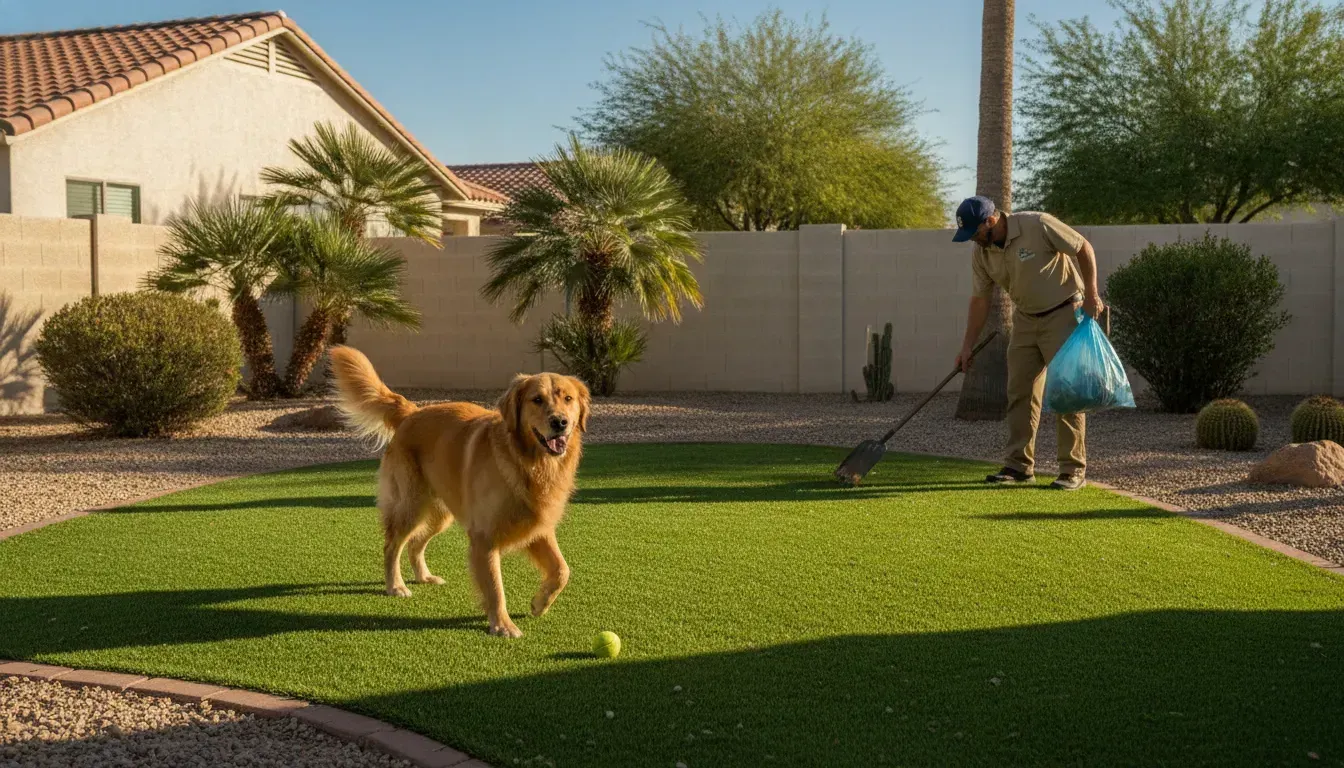
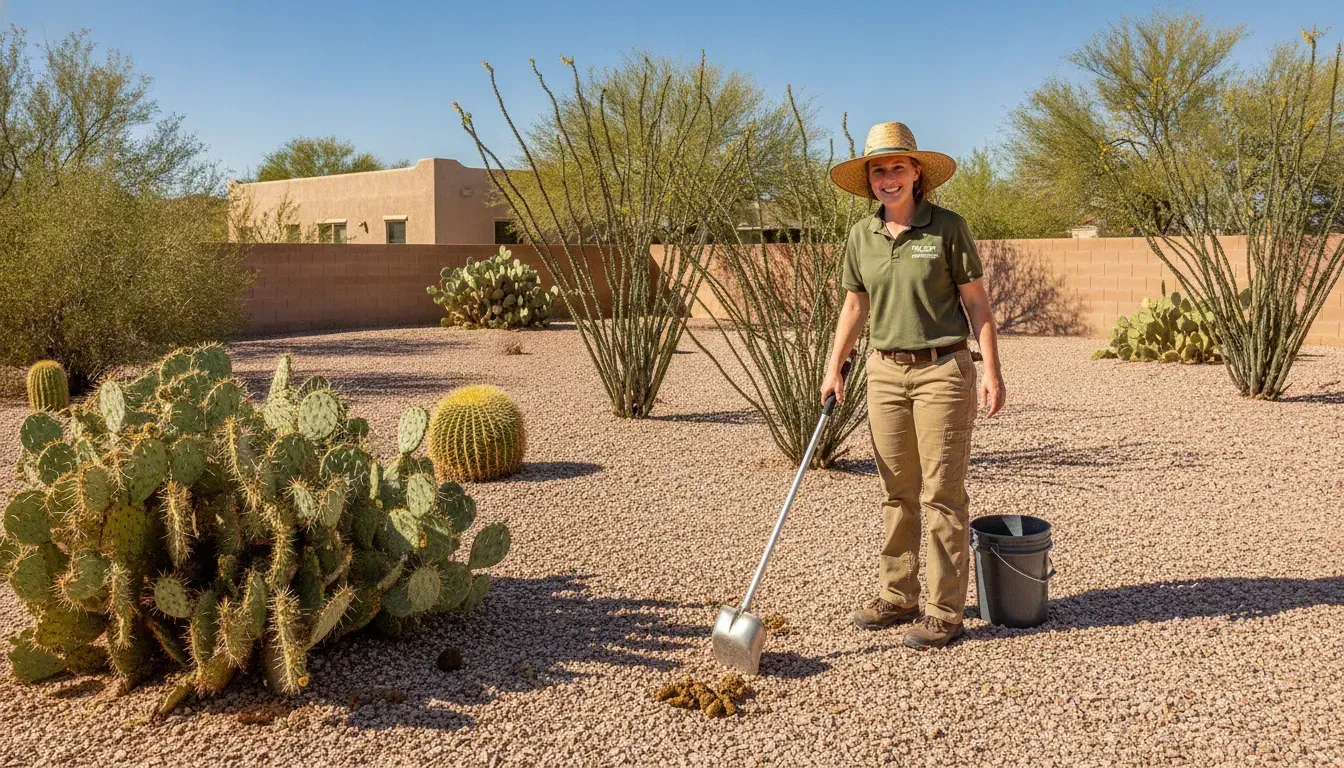
For a Las Vegas HOA board, professional pet waste removal changes the issue from a neighbor-to-neighbor enforcement problem into a routine property maintenance service. Instead of asking volunteer board members or onsite staff to monitor every dog run, walkway. And shared green space, a scheduled third party can remove waste consistently and document the work. That gives the community a cleaner standard without making the board the face of every correction.
This distinction matters because pet waste problems rarely stay limited to one missed pickup. Complaints can increase, common areas can become unpleasant or unsanitary, and residents may begin to associate neglected grounds with lower property standards. A1's customer guidance identifies pet waste as a source of resident complaints, health risks, and potential property-value decline. Preventive service addresses the condition before the board must respond to a series of angry messages or decide whether a violation requires formal action.
A cleaner process protects the board's time
Professional removal does not replace clear HOA rules. Residents still need to understand their responsibility to pick up after their pets, and boards should maintain practical communication and accessible disposal points. It does, however, give those rules a better chance of working because waste is removed before one missed pickup becomes a recurring complaint. For a broader overview, see these Las Vegas HOA pet waste removal services.
A1 Pet Maintenance reports average commercial client retention of 18.2 years, reflecting the value of dependable recurring service for commercial properties and communities. Boards evaluating the budget can review commercial pet waste removal cost and pair routine cleanup with pet waste station service. Together, these measures make compliance easier for residents while keeping enforcement focused on genuine governance issues rather than daily sanitation complaints.
Are you ready to reduce the enforcement burden on your HOA board? Call A1 Pet Maintenance at (702) 521-2624 for professional, no-contract pet waste removal in Las Vegas.
Frequently Asked Questions
What can an HOA do about dog poop?
An HOA can publish a clear pet waste rule, provide convenient stations and receptacles, document recurring violations, and use the enforcement process in its governing documents. A neutral cleanup program can also address common areas without requiring board members to confront individual neighbors.
Can a Las Vegas HOA fine residents for not picking up after their dog?
Possibly. Nevada law allows an HOA executive board to impose fines or other sanctions for governing-document violations, but the board must follow applicable limitations and procedural requirements. Review the current requirements under Nevada Revised Statutes 116.31031 before issuing a fine.
Can an HOA make you get rid of a pet?
Usually, a pet waste violation does not automatically mean a resident must surrender the animal. Any restriction or remedy must come from the community's governing documents and applicable law, and the HOA should use consistent notice and enforcement procedures. A board should consult qualified Nevada HOA counsel before pursuing an extreme remedy.
What should I do when a neighbor does not pick up dog poop and the HOA does nothing?
Keep a factual record of dates, locations and photos, then submit a written complaint that cites the community rule and requests a response. Avoid personal confrontation. If the waste is excessive in a Henderson backyard, the city says residents can call Animal Control at 702-267-4970 for a courtesy-notice complaint: Henderson Animal Sanitation.
What are common HOA rules about dogs?
Common HOA rules about dogs cover leashing in common areas, cleaning up waste immediately, staying out of restricted zones such as pools and playgrounds, noise limits, and registration. Pet waste provisions are often the most noticed because they affect shared walkways, lawns, and parks that every resident uses. Rules generally require the owner to bag waste promptly and dispose of it in a receptacle or the owner's trash.
Ready to make pet waste rules easier to manage?
A consistent cleanup plan can give your board a practical way to support shared spaces while keeping resident conversations focused on clear community standards. A1 Pet Maintenance provides professional, no-contract pet waste removal for Las Vegas HOA communities. Call A1 Pet Maintenance at (702) 521-2624 to schedule service for your community.