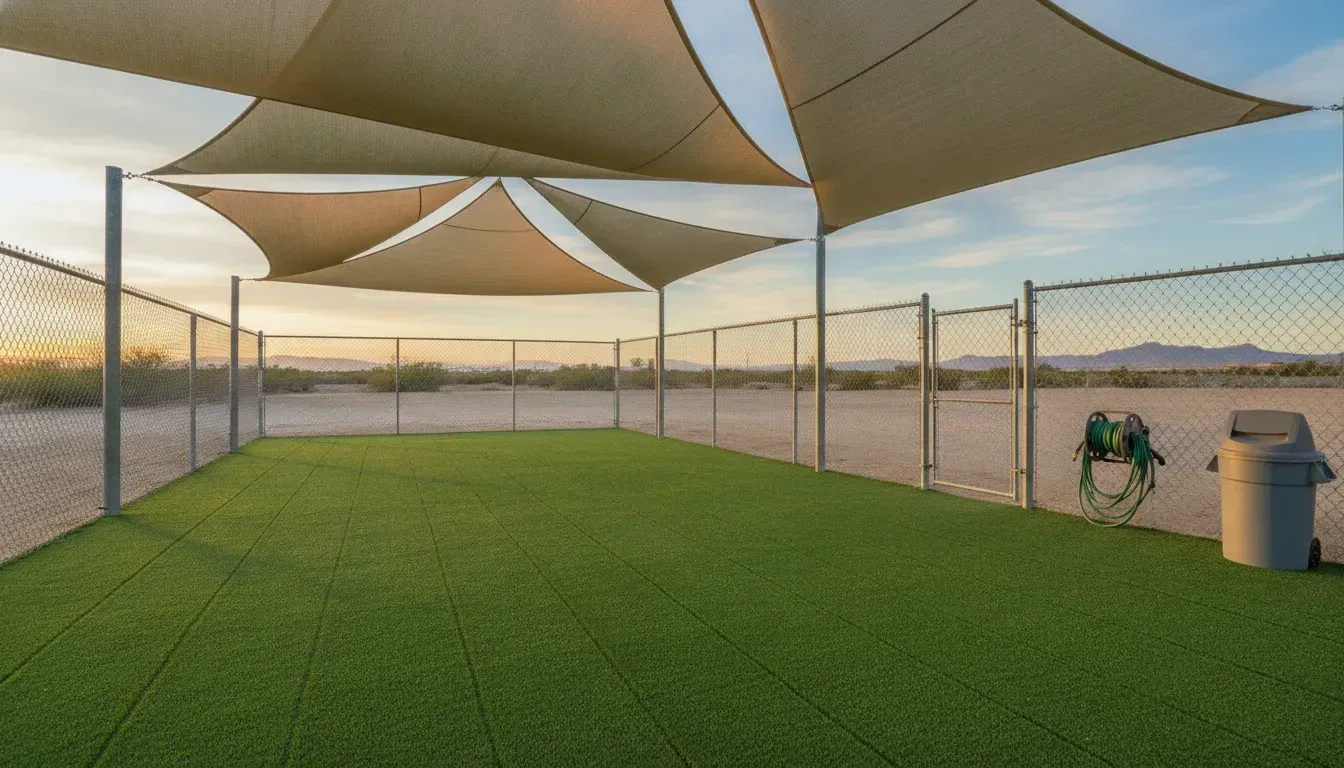
HOA Dog Waste Cleanup Oro Valley
HOA dog waste cleanup Oro Valley guidance for boards: map shared areas, set service frequency, communicate with residents, and request a clear proposal.

For an Oro Valley HOA, the most dependable HOA dog waste cleanup Oro Valley plan combines a mapped service area, clear resident communication, and a recurring schedule based on pet traffic. A professional provider can keep shared relief areas, walkways, and community grounds cleaner while giving the board a measurable maintenance program.
Call A1 Pet Maintenance at (702) 521-2624 today
That plan works best when the board or community manager can show a provider where service is needed. The map should also show how technicians will enter the property and what residents should expect. The result is a clearer proposal and a more consistent experience for the community.
How Can an HOA Plan Dog Waste Cleanup in Oro Valley?
A successful HOA dog waste cleanup plan in Oro Valley starts with the community's actual layout and usage patterns. The board or community manager should identify shared pet areas, walking routes, entrances, drainage paths, and locations where residents already report recurring waste. That map becomes the foundation for a practical service proposal.
Start with a shared-area map
Mark every dog relief area, open lawn, walkway, gate, pet station, trash receptacle, and access restriction. Include the areas that may not look like designated pet spaces but still receive regular dog traffic. A site map helps a provider build an efficient route and prevents a cleanup plan from focusing on one visible lawn while overlooking a side path or less-used common area.
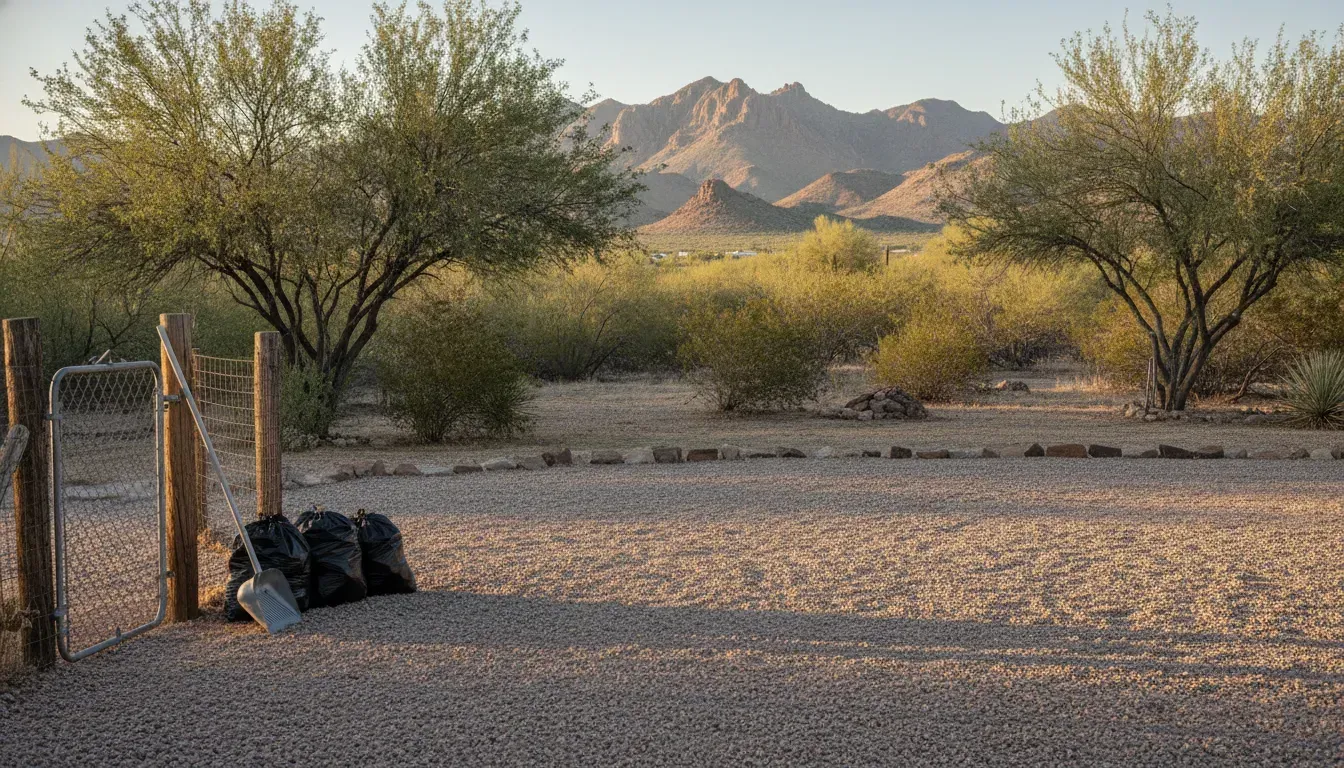
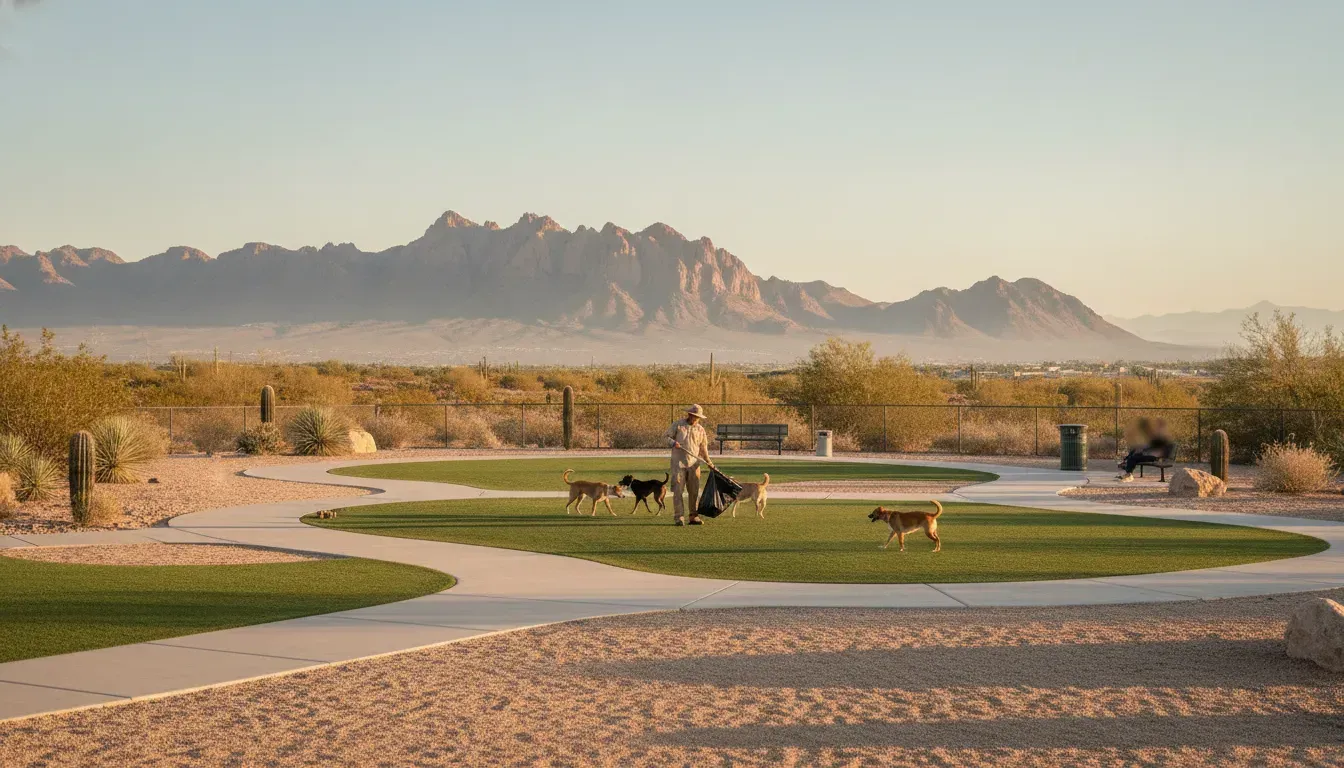
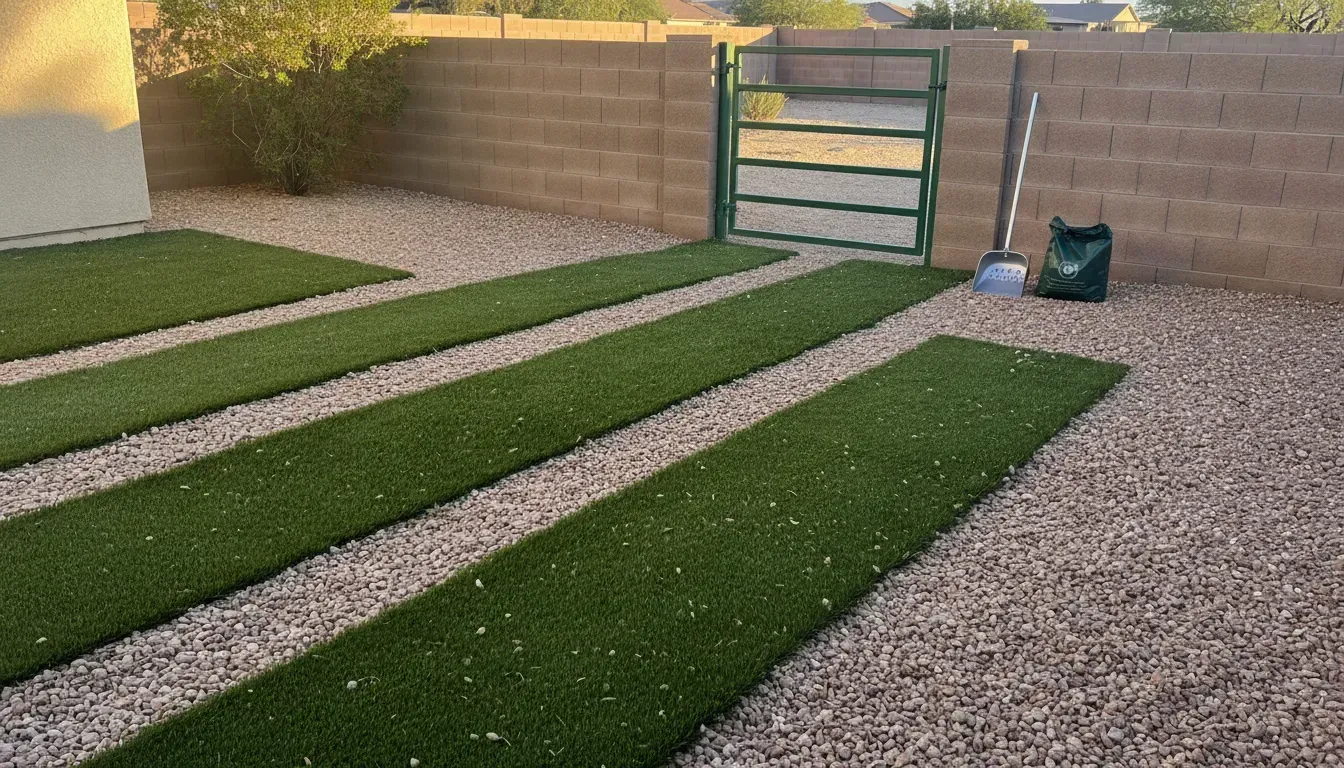
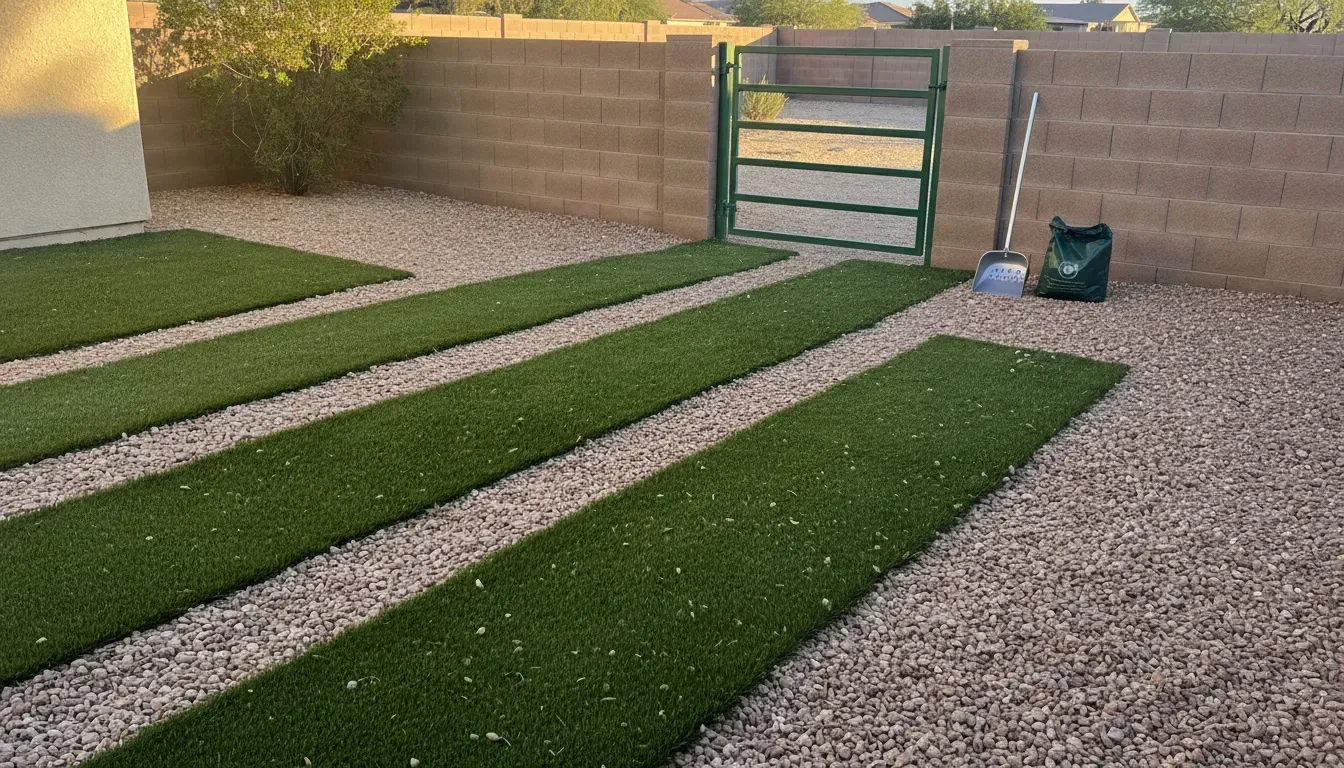
Oro Valley communities may combine turf, gravel, desert plantings, sidewalks, and landscaped courtyards. Each surface can affect how technicians inspect and clean the property. Note narrow gates, locked enclosures, irrigation features, steep paths, and any areas that need special instructions before service begins.
Give the map a simple ownership column. Mark whether the board, manager, landscaper, or cleanup provider handles each feature. This prevents a technician from being blamed for a broken gate or overflowing bin that falls outside the agreed scope. It also gives the manager a useful checklist before each visit.
 Define what the service includes
A board should decide whether the proposal covers waste removal alone or includes pet station checks, bag replacement, litter around common areas, or event cleanup. It should also include a process for reporting missed sections. Written scope keeps resident expectations and vendor responsibilities aligned.
It is also useful to document where collected waste goes, how access is provided, and who receives service notes. A clear starting scope makes it easier to compare proposals without reducing the decision to a simple visit count.
Why Does Oro Valley HOA Cleanup Need a Shared-Area Plan?
Shared pet areas serve many residents, so a missed cleanup can affect the entire community. A shared-area plan helps the board protect curb appeal, keep common paths usable, reduce complaints, and show that pet waste maintenance is handled consistently instead of only after a problem becomes visible.
HOA cleanup is also different from a single-home yard cleanup. Technicians may need to cover multiple zones, coordinate with gates or site staff, work around residents, and document areas that could not be reached. A service plan designed for one residential yard may not account for the access, communication, and route coverage a community needs.
The board can use the plan to separate resident responsibilities from contracted maintenance. Residents remain responsible for picking up after their own dogs, while the HOA provides clear rules, convenient waste stations, and dependable care for shared spaces. For broader board-level context, review A1 Pet Maintenance's HOA pet waste removal board guide.
What Should an HOA Include in a Resident Communication Plan?
A useful resident communication plan explains what residents must do, what the cleanup provider will do, and how to report an issue. It should be short enough to share in a community email or newsletter, but specific enough that residents understand the expected behavior and the service schedule.
- Identify designated pet relief areas and the location of waste stations.
- Remind residents to carry bags and remove solid waste immediately.
- Explain the recurring cleanup schedule without suggesting residents can leave waste for the next visit.
- Provide one board or management contact for access questions and service concerns.
- Ask residents to report repeated problem areas with a location and approximate time.
- Notify residents about special-event cleanup, temporary access changes, or landscaping work.
For local reference, the Oro Valley Town Code section on dog waste removal describes the responsibility to remove and properly dispose of solid waste. An HOA communication can point residents to the applicable local rule while also explaining the community's own pet-area expectations. Avoid presenting a vendor's service as a substitute for resident compliance.
How Often Should an Oro Valley HOA Schedule Dog Waste Cleanup?
The right frequency depends on the number of homes and dogs, the size and number of shared pet areas, resident usage, event activity, and the community's tolerance for visible waste between visits. Weekly service may be a reasonable starting point for an active community, but a board should ask for a site-specific recommendation rather than adopting a schedule from another property.
Community need.Starting approach.Confirm.Small community, one main pet area.Weekly inspection and cleanup.Waste volume, access, and traffic patterns.Several pet areas or high dog activity.More frequent visits or split route.Peak zones, complaints, and route time.Event or accumulated waste.One-time cleanup added to routine service.Timing, access, disposal, and included areas.Seasonal or changing occupancy.Review after the initial service period.Traffic, weather, landscaping, and occupancy changes.
Ask the provider what happens when an area is inaccessible, waste volume is unusually high, or a resident reports a missed section. The answer should be a documented process. A clear escalation path helps the board evaluate service quality over time.
Call A1 Pet Maintenance at (702) 521-2624 today to discuss your community's service needs
What Should an HOA Request in an Oro Valley Cleanup Proposal?
An HOA proposal should turn the community's maintenance problem into a defined scope of work. It should identify the property, service areas, expected cadence, access requirements, communication contacts, and the method used to confirm coverage. Custom proposals are especially helpful when a community has several courtyards, pet stations, or restricted areas.
- Property coverage: List each shared lawn, dog relief area, walkway, pet station, and other included zone.
- Service frequency: State the proposed visit pattern and explain why it fits expected usage.
- Access plan: Document gates, lock codes, staff coordination, parking, and restricted areas.
- Service scope: Clarify removal, bagging, hauling, station checks, and any optional work.
- Resident communication: Identify who receives schedule notices, service notes, and issue updates.
- Quality checks: Define how missed areas, blocked access, and recurring hotspots are recorded.
- Special services: Note one-time cleanups, events, or high-volume dates that may need separate planning.
A1 Pet Maintenance's commercial pet waste cleanup service is built for property managers, HOAs, multi-family communities, parks, and other shared spaces. Boards comparing vendors can also review the commercial pet waste removal contract guide for questions to ask about scope and recurring service expectations.
Keep the message consistent across email, posted notices, and manager conversations. Residents should hear the same explanation of designated areas, personal pickup duties, and how to report a concern. Consistency reduces confusion when the provider's route changes because of a holiday, landscaping project, or access issue.
How Does Professional HOA Dog Waste Cleanup Work?
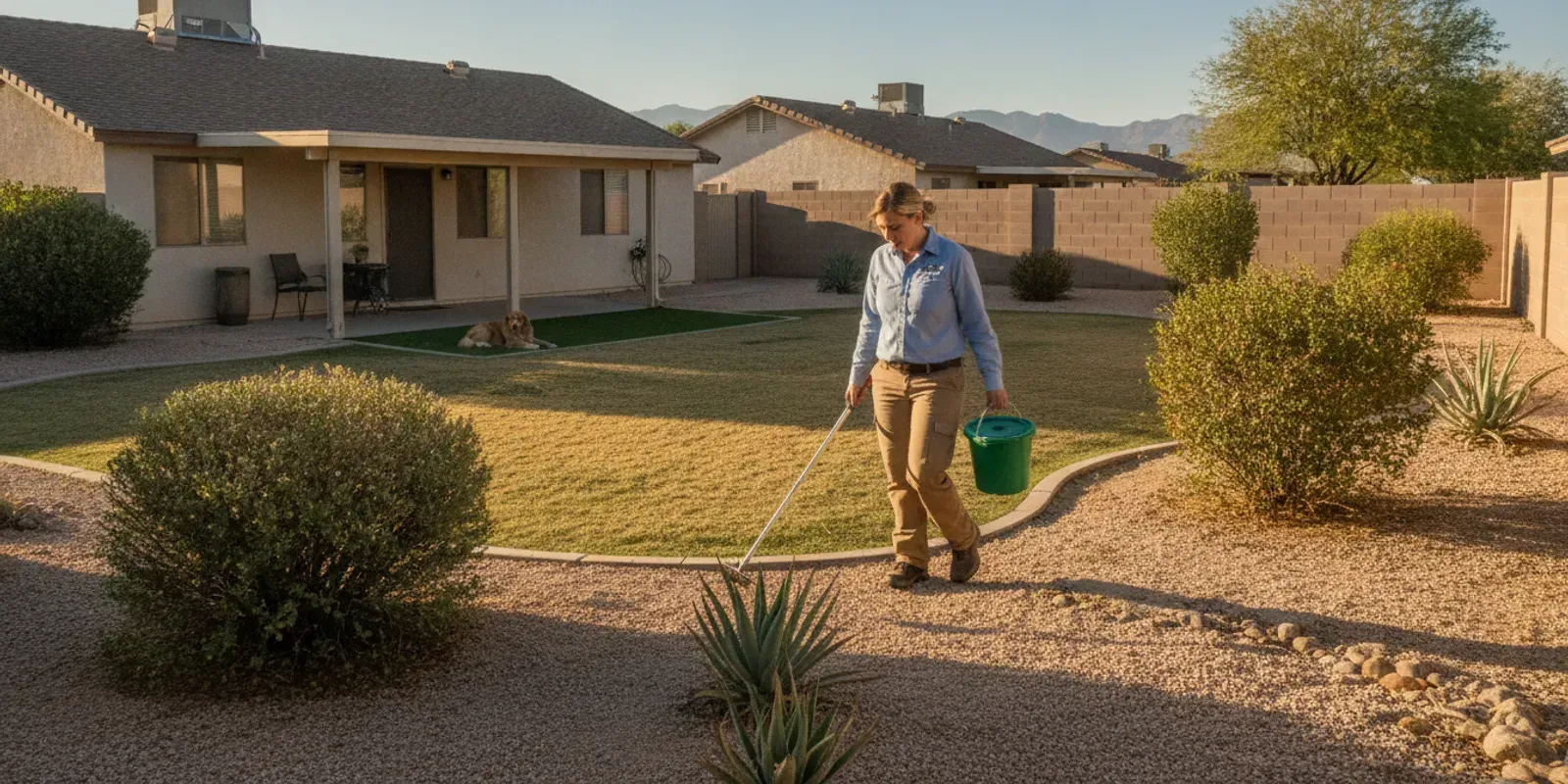
Professional HOA dog waste cleanup should follow a consistent route rather than relying on whichever area is most visible on the day of service. The technician reviews the property scope, checks access, inspects each assigned zone, removes waste, and records any condition that prevented complete coverage. The board then has a repeatable way to discuss service rather than relying only on resident impressions.
A typical workflow includes:
- Review the property map, access notes, and any recent service concerns.
- Walk the assigned route and inspect pet areas, paths, landscaping edges, and other included zones.
- Remove identified pet waste and place it in the approved disposal stream.
- Check pet stations or other optional items included in the proposal.
- Record blocked gates, damaged equipment, unusual accumulation, or areas needing board attention.
- Share the service result with the designated community contact when the proposal includes reporting.
 In a desert community, visual inspection matters. Waste can collect near rocks, shrubs, fences, benches, and the edges of synthetic or natural turf. A provider familiar with shared-property routes can help the board define the inspection standard before recurring service starts. The goal is not only a cleaner-looking central lawn, but dependable coverage of the areas residents actually use.
For a broader Tucson-area service connection, visit A1 Pet Maintenance's commercial pet waste removal Tucson guide. The Oro Valley article is more specific: it helps a board or manager turn local community conditions into a workable cleanup request.
How Can HOA Boards Measure Cleanup Results?
Boards do not need a complicated software system to evaluate a cleanup program. A simple monthly review can track whether the provider covered the agreed areas, whether access prevented service, whether station supplies were maintained when included, and whether resident complaints are declining. The board can then adjust the route or frequency based on documented patterns.
Useful measures include:
- Percentage of listed service zones completed on each visit.
- Number and location of missed or inaccessible areas.
- Resident complaints by location and date.
- Recurring hotspots that need a cadence or communication change.
- Condition of pet stations, bins, and bag supplies when those items are in scope.
- Time needed to resolve a reported service issue.
These measures give the board a practical record for vendor reviews and budget discussions. They also help distinguish a cleanup problem from a facilities issue, such as a broken gate, overflowing bin, poor lighting, or an area that needs redesign.
What Makes A1 Pet Maintenance a Fit for Oro Valley HOA Service?
A1 Pet Maintenance has operated since 1998 and serves more than 400 properties weekly across its markets. That experience supports route planning and recurring maintenance for residential and commercial properties. A1 works with HOAs, multi-family communities, property managers, and public spaces, with commercial proposals shaped around the property rather than a one-size-fits-all residential package.
The company also serves Tucson and surrounding areas, making an Oro Valley conversation a logical fit for boards looking for a local proposal. Ask A1 to review the community map, understand the shared-area requirements, recommend a service cadence, and explain what the board and residents should expect. Commercial pricing is custom, so the proposal should be based on the property's layout, access, and coverage needs rather than an unsupported public estimate.
For boards that want to compare the local service angle with a broader Tucson planning resource, the existing HOA dog waste pickup Tucson board guide offers additional context. This Oro Valley guide is intended to help a community manager prepare the next practical step: a site-specific cleanup plan and proposal request.
Call A1 Pet Maintenance at (702) 521-2624 today to discuss an Oro Valley HOA cleanup proposal
Frequently Asked Questions
What is included in HOA dog waste cleanup?
It usually includes inspection and removal of pet waste from the shared areas listed in the proposal. Pet station checks, bag replacement, event cleanup, reporting, and other maintenance items should be confirmed separately in the written scope.
How often should an Oro Valley HOA schedule dog waste cleanup?
Many communities can begin by evaluating weekly service, then adjust based on dog activity, property size, pet-area count, complaints, and observed waste volume. A provider should recommend a cadence after reviewing the actual site.
Can a provider clean multiple HOA pet areas on one route?
Yes. A route can cover multiple shared spaces when the proposal documents each zone, access requirement, and inspection expectation. Mapping the property before service helps reduce overlooked areas.
Should an HOA still require residents to pick up dog waste?
Yes. Contracted cleanup supports the maintenance of shared areas, but residents should still remove their own dogs' waste promptly and follow the community's rules and applicable local requirements.
How can an Oro Valley HOA request a proposal?
Prepare the property address, a site map or list of shared pet areas, access instructions, preferred service frequency, and the board or manager contact. Then call A1 Pet Maintenance at (702) 521-2624 to discuss the community's needs.