Artificial grass cleaning Tucson: Service Options and Planning Guide
Learn how to clean pet-used artificial grass in Tucson, compare DIY, one-time and professional options, and plan practical turf care for your property.
Artificial grass cleaning Tucson property owners can plan starts with routine debris removal, prompt attention to pet waste, and a rinse when the surface needs it. For persistent odor, buildup, or a large area that is difficult to manage, professional turf cleaning may be a better fit. Choose the approach based on the turf condition, how pets use it, and the size of the area—not on a one-size-fits-all schedule.
Ask A1 about turf cleaning for your property
What Does Artificial Grass Cleaning Involve?
Artificial turf needs care that suits its construction and use. Pet waste, loose leaves, dust, and tracked-in soil can collect on the surface or between the blades. A basic maintenance routine usually means removing solid debris, rinsing as appropriate, and checking the areas pets use most. Odor or stubborn residue may call for more than a quick rinse.
Start by checking the turf maker’s care instructions. Different products, backing materials, infill, and installation details can affect which tools or cleaners are suitable. Avoid assuming that a method that works on one yard is right for every surface. If you do not know the turf type, ask the installer or manufacturer before applying a product.
For artificial turf, upkeep is different from caring for living grass. A paper on artificial turf maintenance describes periodic cleaning as a replacement for some natural-grass maintenance tasks; it does not mean that every synthetic surface needs the same products or cleaning frequency. Read the artificial turf maintenance paper for background, then follow the directions for your own turf.
What Should Tucson Pet Owners Check Before Cleaning?
Before starting, take a slow look across the whole surface. A brief inspection helps you choose a sensible next step and can prevent unnecessary scrubbing or product use.
- Locate waste and debris. Pick up solid pet waste and remove leaves, twigs, and other visible material. Check edges and corners where debris can collect.
- Notice where pets spend time. Look for repeat-use spots, shaded corners, and routes between the yard and the door. These areas may need more attention than parts of the turf that see little use.
- Check the surface and drainage. Look for flattened blades, loose seams, standing water, or signs that the surface is not draining as expected. A rinse will not fix an installation or drainage concern.
- Read care instructions. Confirm whether the turf maker permits a particular brush, cleaner, or rinse method. Do not mix cleaning products or use a product just because it is labeled for outdoor use.
- Consider who uses the area. Keep pets and people away from a wet or treated area until it is ready for use, following any product and service directions.
 How Can You Handle Routine Turf Care Yourself?
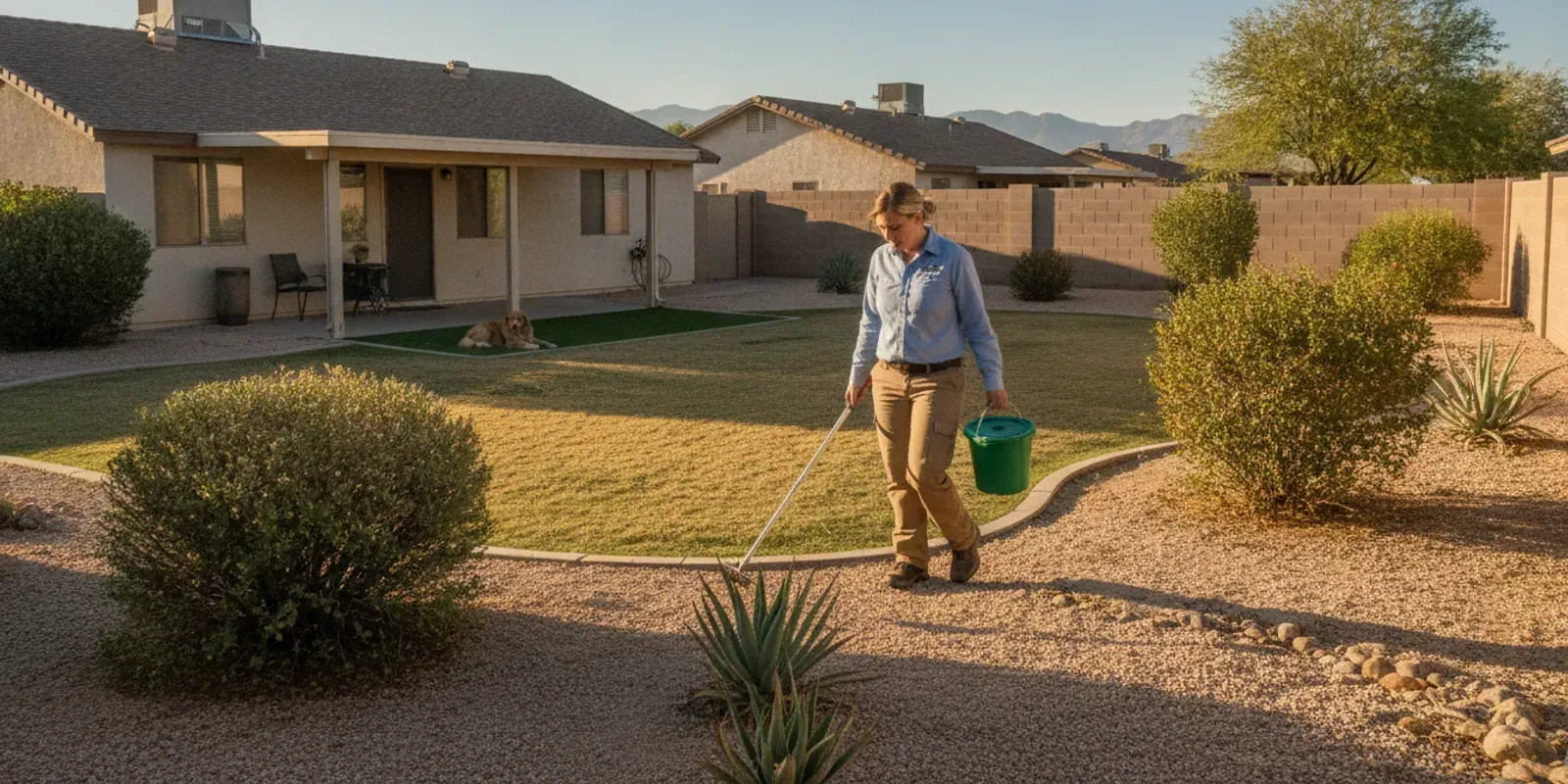
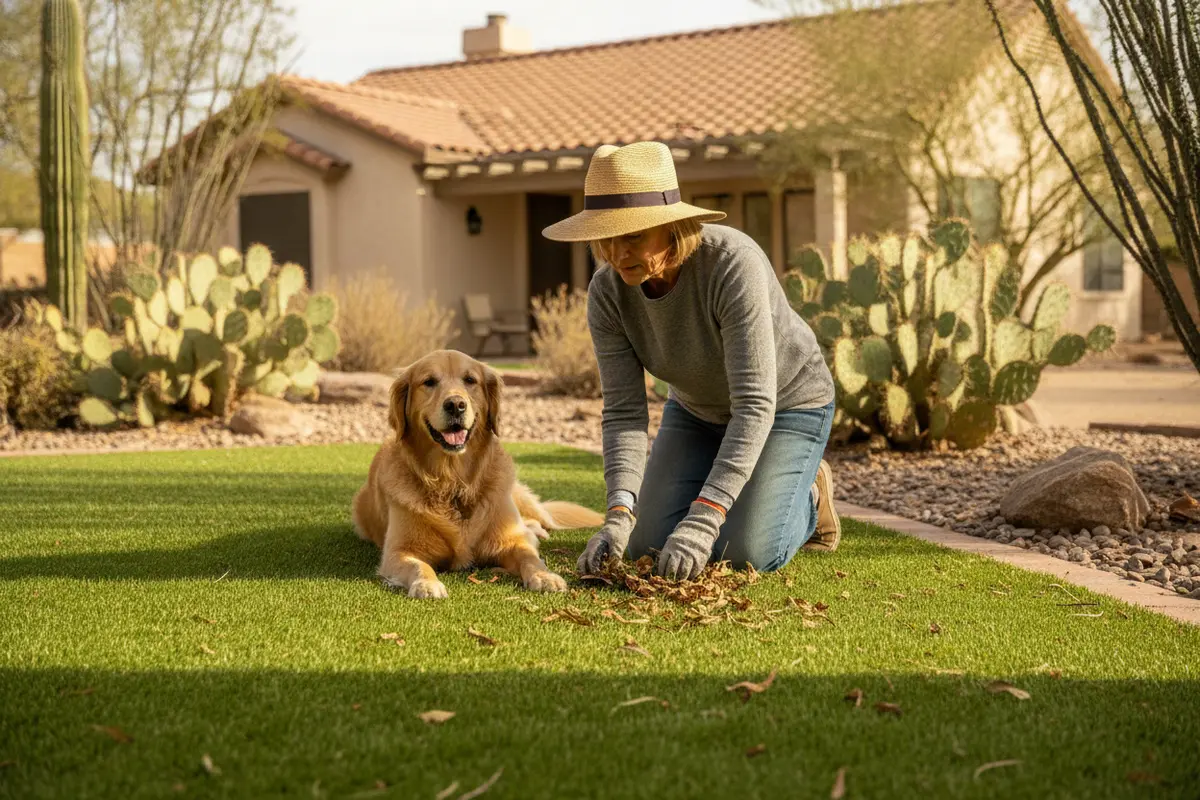
For ordinary upkeep, keep the process simple and consistent. Remove solid waste as soon as practical. Use a suitable rake or brush to lift loose leaves and help the turf blades stand up, if the manufacturer allows it. Rinse the surface when needed, taking care not to direct debris into a drain or neighboring area.
When pet waste is involved, pick up solids first rather than trying to wash them away. Follow the turf maker’s directions for any rinse or cleaning product. A rinse can remove some loose material, but it may not address residue or odor that has collected below the visible surface. Avoid aggressive scrubbing that could disturb the blades or infill.
Pay attention to how the yard changes over time. If the same spot keeps smelling after routine care, if residue remains, or if water pools instead of draining, pause and investigate rather than repeatedly adding cleaner. Check whether the turf instructions explain the issue, and contact the installer or a qualified service provider when the cause is unclear.
A simple inspection after picking up waste can make this routine more useful. Look for small items caught near borders, under outdoor furniture, or around areas pets use often. Remove debris with a tool the turf maker recommends, and avoid pulling sharply at blades or seams. If the turf has infill, do not rake aggressively or assume that adding more infill is an appropriate fix; check the product instructions or ask the installer first.
When rinsing is appropriate, use it to move loose residue off the surface without directing dirty water into a storm drain, neighboring yard, or area where it can create a nuisance. If the yard has a drainage outlet or a low spot, watch what happens during the rinse. Water that remains pooled may point to a drainage concern rather than a need for stronger cleaning.
For a basic routine, write down a few observations: where pets usually go, which areas collect debris, whether the surface drains normally, and what care you have already tried. This record can help you explain the problem if you request professional help. It also gives you a way to distinguish an isolated mess from a repeated concern that deserves a closer look.
When Is Professional Artificial Grass Cleaning Worth Considering?
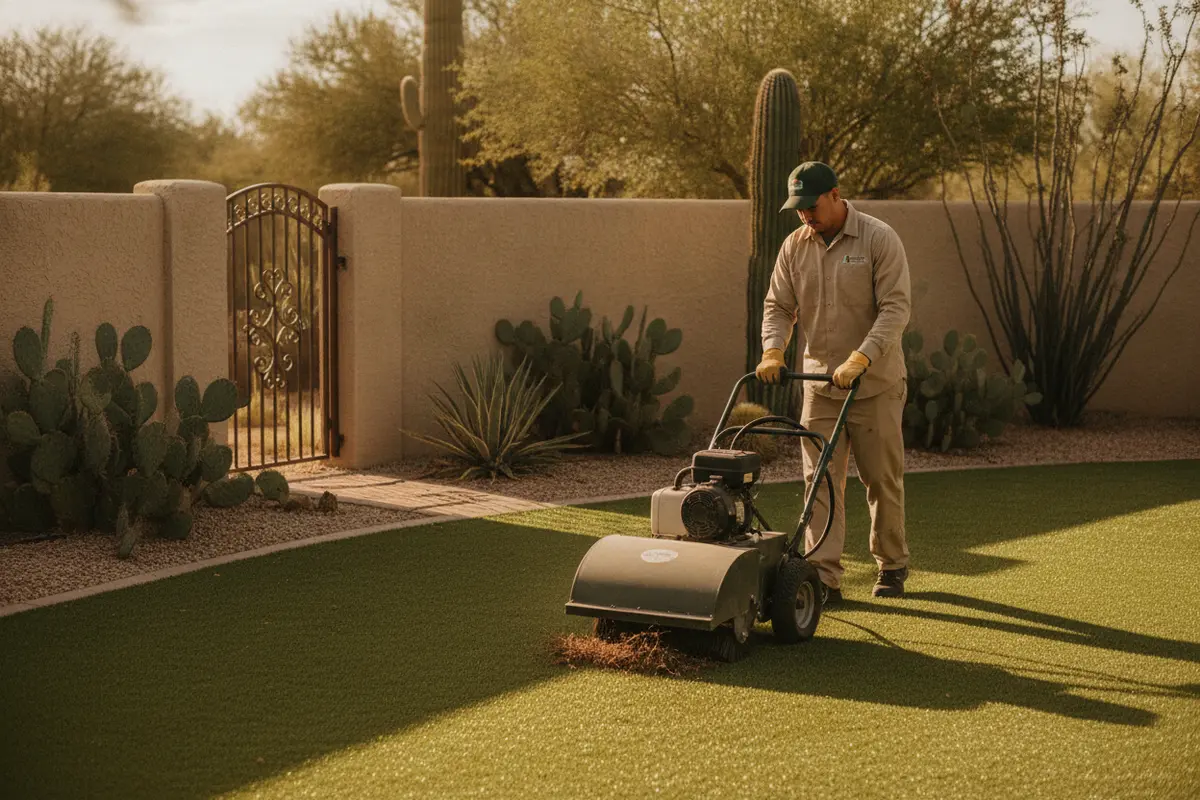
Professional help can be worth considering when routine pickup and rinsing no longer seem adequate, when several pet-use spots need attention, or when the area is too large to clean comfortably. A1 Pet Waste Maintenance offers artificial grass cleaning, including enzyme treatments and deep cleaning. A1 also serves the Tucson metropolitan area. Ask the team whether the particular turf service is available for your address and describe the issue before choosing an option.
Be specific about what you need addressed. Is the concern a recent mess, recurring odor, accumulated debris, or general turf maintenance? Mention the approximate turf area, how many pets use it, and any prior cleaning products or treatments. These details help set clear expectations about the visit and whether the requested service matches the problem.
Professional cleaning is not a substitute for fixing a damaged seam, a drainage issue, or another installation problem. If you see lifting edges, pooling, or a persistent patch of dampness, explain that when you ask for help. A service provider can clarify the scope of cleaning, while the installer may need to assess a construction or drainage concern.
See A1’s artificial grass cleaning and maintenance information for an overview of the service. If you are unsure how a visit is arranged, the guide to booking artificial grass cleaning offers another starting point.
 How Do DIY, One-Time, and Recurring Options Compare?
The right choice depends on the issue you are trying to solve. Routine care is for ongoing light upkeep. One-time cleanup can help with a discrete accumulation of pet waste. Turf cleaning is a separate service focused on the artificial grass itself. Regular pet waste removal is another option for households that want help with repeated waste pickups
A1 provides one-time pet waste cleanups as well as recurring pet waste removal. Weekly or bi-weekly schedules apply to that waste-removal service; they should not be confused with a prescribed turf-cleaning interval. For a pet yard, you may need to consider both services, depending on whether you want regular pickup, focused turf cleaning, or both.
How Should You Plan a Cleaning Visit?
A few practical details make it easier to discuss the job and decide what kind of help to request:
- Describe the surface. Say whether the area is artificial grass and share the product or installation information if you have it.
- Map the problem areas. Identify where pets spend time, where odor or visible residue occurs, and whether the concern is limited to one spot or spread across the yard.
- Explain the history. Note when the problem began and what cleaning methods or products have already been used. This helps avoid repeating a method that did not work.
- Make access clear. Explain how the service provider can reach the turf and whether there are gates, pets, or other access considerations.
- Agree on the requested scope. Ask what the service includes, what it does not include, and whether the team recommends turf cleaning, waste pickup, or a combination.
For a recurring cleanup plan, review A1’s service and billing FAQs and sign-up information. For a single accumulated mess, see the one-time cleanup details. These are different needs, so choose based on the condition of your yard and the kind of help you want.
How Can You Make Turf Maintenance Easier Between Visits?
A workable routine is easier to keep when it is tied to how the yard is used. Choose a quick, repeatable time to check the turf, such as after the dog has been outside or as part of ordinary yard tidying. Remove solid waste, clear visible debris, and make a note of any spot that looks different from the rest. The goal is not to deep-clean the surface every time; it is to notice small problems before they become confusing or harder to describe.
Keep basic care supplies together, but use only tools and products that match the turf maker’s directions. A small waste pickup tool, a suitable brush, and a hose may be enough for ordinary upkeep, depending on the surface. Keep any cleaning product in its original container and follow its label. Do not mix products or apply disinfectants, household chemicals, or fragrances unless the turf instructions say they are appropriate. More product is not automatically more effective.
It can also help to set expectations for shared yards. If several people or pets use the area, agree on who picks up waste and how to report a recurring odor or drainage problem. In a rental or managed property, note the location and date of a concern and share it with the property contact. This makes it easier to tell whether the issue is isolated, linked to a particular spot, or needs a service visit.
For properties with regular pet activity, separate the tasks in your plan: everyday waste pickup, occasional debris removal, and any deeper turf cleaning. They do not necessarily happen on the same schedule. This distinction helps prevent a request for recurring pet waste removal from being mistaken for a promise of repeated turf cleaning, or vice versa.
Frequently Asked Questions
How often should artificial grass be cleaned?
There is no single interval that fits every Tucson yard. Use the turf maker’s directions and consider how often pets use the surface, how much debris collects, and whether odors or residue appear. The weekly or bi-weekly schedules A1 offers refer to recurring pet waste removal, not a universal artificial turf cleaning schedule.
Can I remove pet odor from artificial turf with water alone?
A rinse may help remove loose material, but it may not resolve odor from residue or buildup. Pick up solid waste first and follow the turf manufacturer’s care instructions. If the odor persists, describe the issue and prior cleaning steps when asking about professional turf cleaning.
Is turf cleaning the same as pet waste removal?
No. Pet waste removal focuses on picking up waste from a property, while artificial grass cleaning focuses on cleaning the turf. A household may need one service or both, depending on the condition of the yard and the work requested.
Does A1 serve Tucson?
A1 serves the Tucson metropolitan area. Because service availability can depend on the specific address and service requested, contact the team to confirm whether artificial grass cleaning is available for your property.
What information should I have ready when I ask about cleaning?
Share your address, approximate turf area, the number of pets using it, the main concern, and any cleaning products or methods already tried. If available, provide the turf maker’s care instructions and mention drainage or surface damage.
Plan the Right Next Step for Your Tucson Turf
If routine care is not addressing odor, residue, or accumulated debris, tell A1 what you are seeing and ask whether artificial grass cleaning is available for your address. For recurring waste pickup or a one-time cleanup, explain that need separately so the service matches the yard.
Call A1 to discuss your turf cleaning needs
With clear information about the turf, the problem area, and the care already tried, you can choose a practical cleaning plan for your property.
| Option | Best suited to | What to clarify |
|---|---|---|
| DIY routine care | Visible debris and ordinary upkeep between deeper cleanings | Turf-maker instructions, suitable tools, and where runoff goes |
| One-time pet waste cleanup | A yard with accumulated pet waste that needs a reset | Area to be serviced, access, and whether turf cleaning is also needed |
| Professional artificial grass cleaning | Pet-use turf needing focused cleaning or deeper attention | Address coverage, turf type, the concern, and service scope |
| Recurring pet waste removal | Ongoing help picking up pet waste on a regular route | Number of pets, yard access, and whether weekly or bi-weekly service fits |