HOAs dog waste pickup Tucson: Board Guide
Learn how HOAs dog waste pickup Tucson plans help boards manage common areas, choose recurring service, and request a custom community quote.

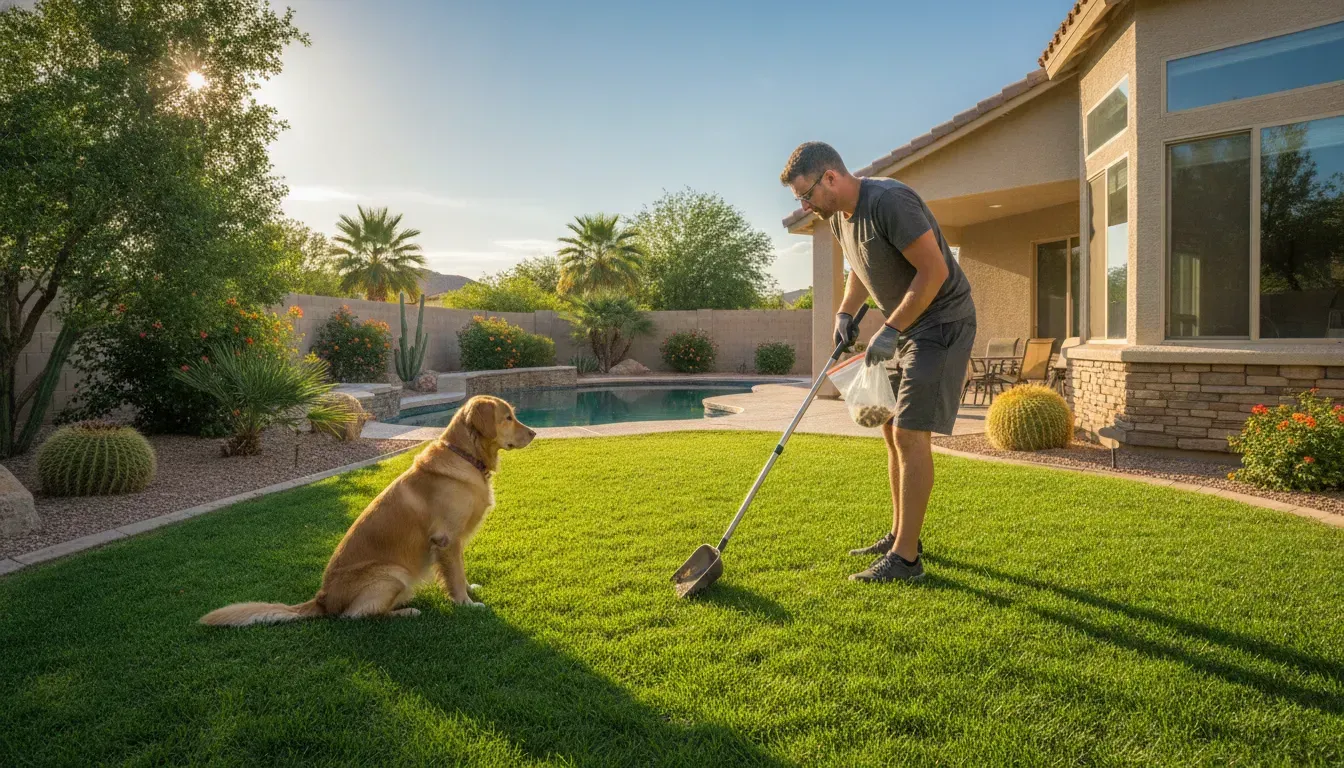
For an HOA board, HOAs dog waste pickup Tucson is more than an occasional cleanup issue. It affects shared lawns, walking paths, pet areas, resident expectations, and the amount of work property staff must coordinate. A recurring plan gives the community a defined way to keep common areas usable while making responsibilities easier to manage.
HOAs dog waste pickup Tucson can be arranged around the community's size, pet-area use, waste volume, access points, and preferred service frequency. A practical plan identifies the areas to cover, sets a dependable recurring schedule, defines collection and disposal expectations, and gives the board a clear process for requesting a customized community quote.
A1 Pet Maintenance serves Tucson and Pima County with recurring commercial service, including weekly, bi-weekly, and custom scheduling options. The right starting point is not simply choosing how often someone visits. It is documenting what the community needs covered and how the service should fit into daily operations.
Call A1 Pet Maintenance at (702) 521-2624 to discuss a Tucson community quote
What Should Tucson HOA Boards Include in an HOAs Dog Waste Pickup Tucson Plan?
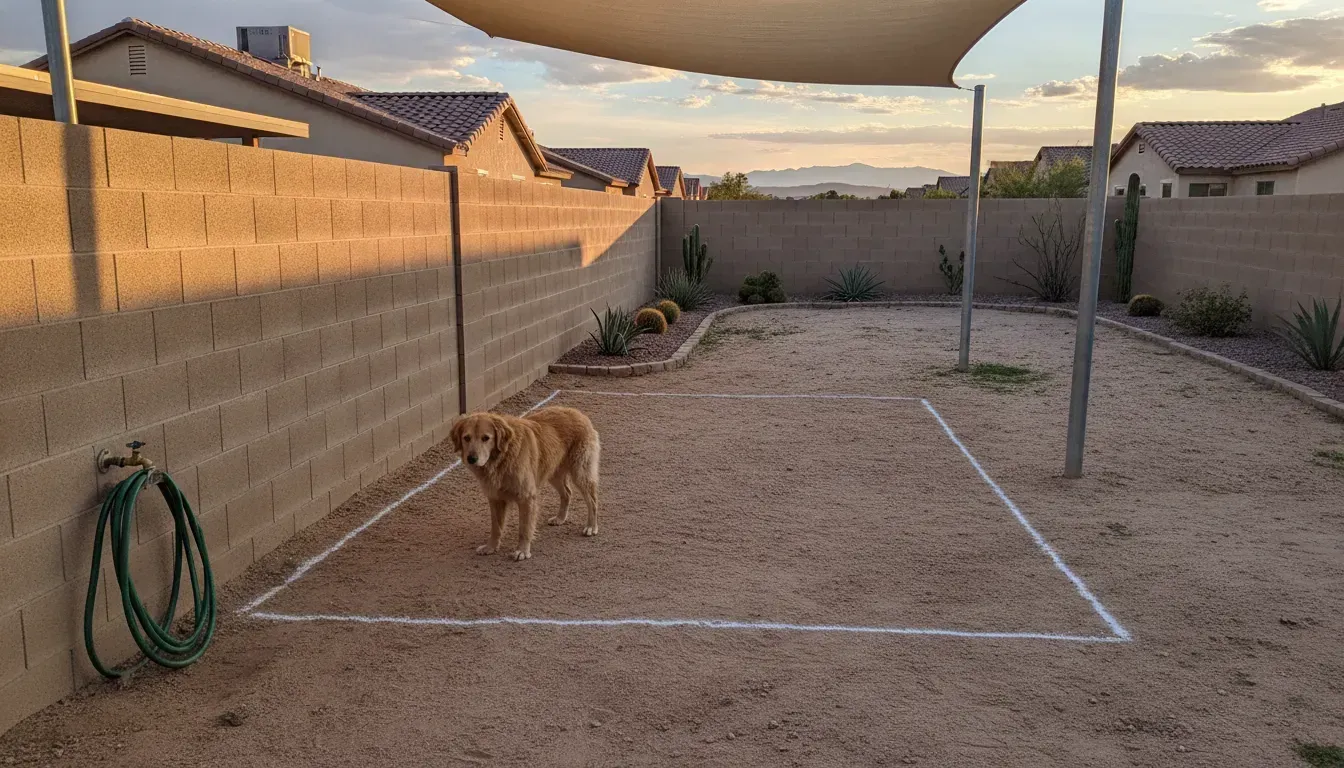
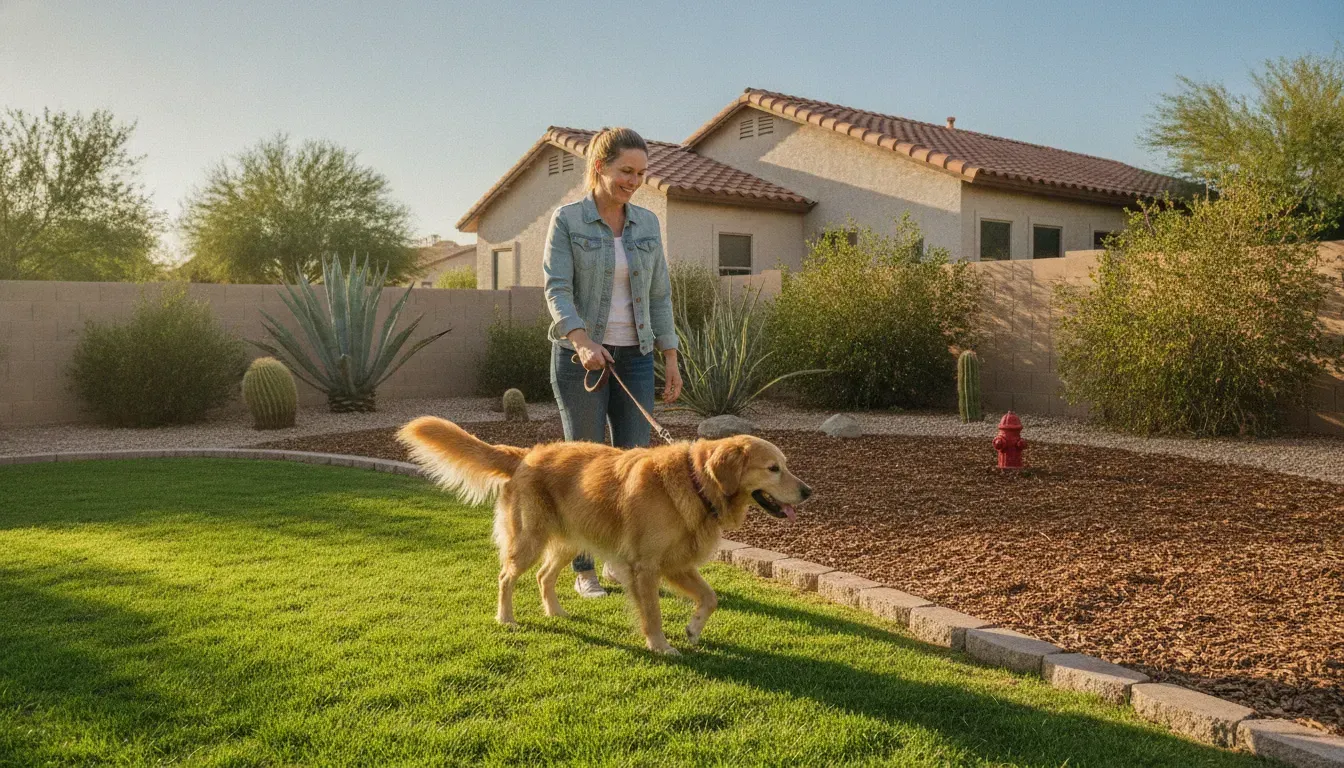
A useful pickup plan starts with a map, not a generic service frequency. Mark every shared outdoor area where dogs are likely to relieve themselves, including pet relief areas, sidewalks, walking paths, lawns, greenbelts, playground approaches, and spaces near community entrances. Then identify the locations residents use most often and the zones where waste is repeatedly reported. This gives the board and its vendor a shared definition of coverage.
Which areas and access points need to be documented?
List the areas included in routine service and note any exclusions. Include gates, pedestrian entrances, vehicle access points, lock codes, office contacts, and restrictions for pools, private yards, landscaped beds, or other areas that should not be entered. If a section of the property is difficult to reach, record the safest practical access route. Clear access details reduce missed areas and help a technician work consistently from visit to visit.
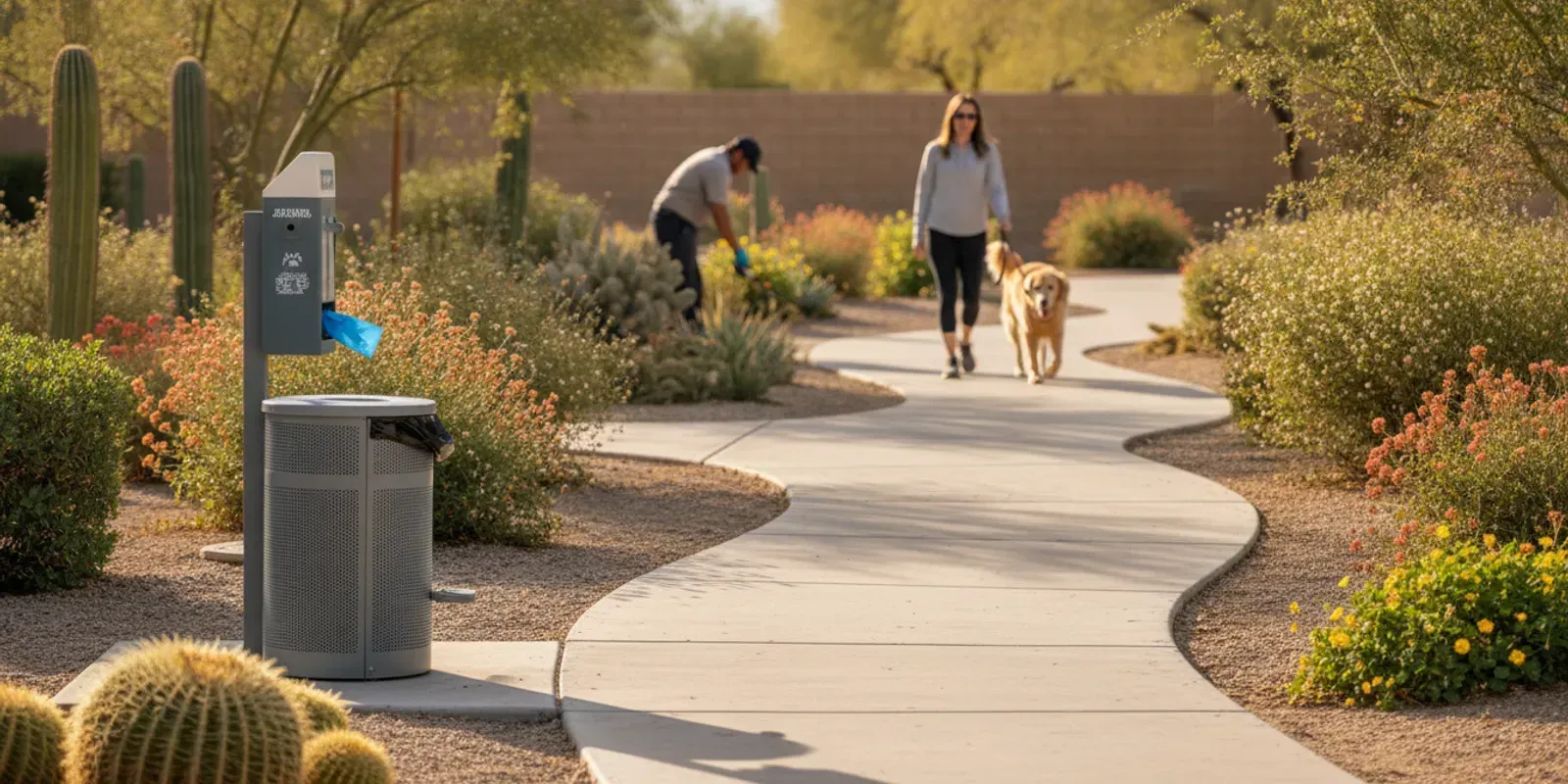
The plan should also identify pet stations, waste-bag dispensers, trash receptacles, and high-traffic paths. These details help the board decide whether the service should cover only open grounds or also include the areas surrounding stations and collection points.
- Pet stations: Mark each station, dispenser, and nearby receptacle.
- High-traffic paths: Note sidewalks, greenbelts, entrances, and routes residents use most.
- Problem zones: Flag corners, landscaping edges, or other places where waste is often missed.
A simple site map with labeled zones is often more useful than a long general description.
How should board rules and resident communication fit?
Review the community's governing documents, posted pet rules, and any applicable local requirements before finalizing the scope. This is not a substitute for legal advice, but it helps the board keep the vendor's work aligned with the community's existing procedures. Confirm who approves changes, who receives service questions, and how residents should report an overlooked area.
Resident communication should explain the service boundaries, planned visit cadence, access expectations, and the difference between routine pickup and resident responsibilities. Share the plan through the channels the community already uses, such as a resident notice, meeting update, or property bulletin. Avoid promising that every report will produce an immediate visit. Instead, establish a practical process for logging recurring problem zones and reviewing them with the property manager or board.
Finally, keep the plan easy to update. Pet areas, landscaping, construction zones, and access arrangements can change. A current map, contact list, and written scope give the board a dependable starting point when it reviews service performance or requests a revised proposal.
 How Can HOAs Dog Waste Pickup Tucson Services Support Common Areas?
HOAs dog waste pickup Tucson services typically follow a repeatable common-area workflow. The board or property manager identifies the areas that need coverage, confirms how the technician will enter the community, and chooses a recurring schedule that fits resident activity and waste volume. The goal is a cleaner, more usable property without asking board members or maintenance staff to manage every cleanup themselves.
Arrival and access coordination
Service begins with a scheduled route visit. Before the first visit, the HOA should identify gates, locked amenities, pet stations, maintenance entrances, and any areas that require advance access instructions. Clear access details help the technician reach the assigned areas efficiently and avoid overlooking a courtyard, dog run, walking path, or less visible portion of the property.
Fixed routes and consistent service days can also make the process easier for property teams. Managers know when to expect service, while technicians become familiar with the community layout and its recurring trouble spots. If access changes because of construction, landscaping, events, or gate repairs, the management team should communicate the update promptly.
Inspection, collection, and disposal
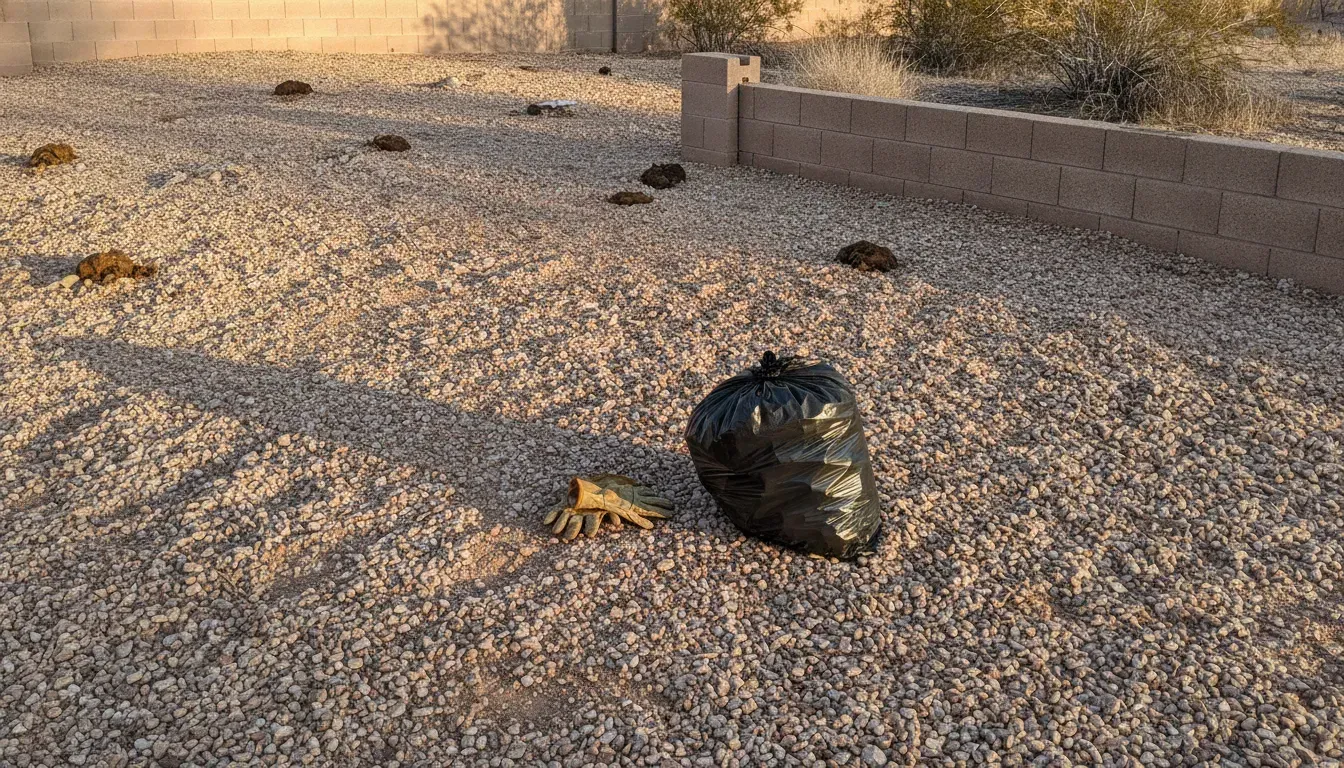
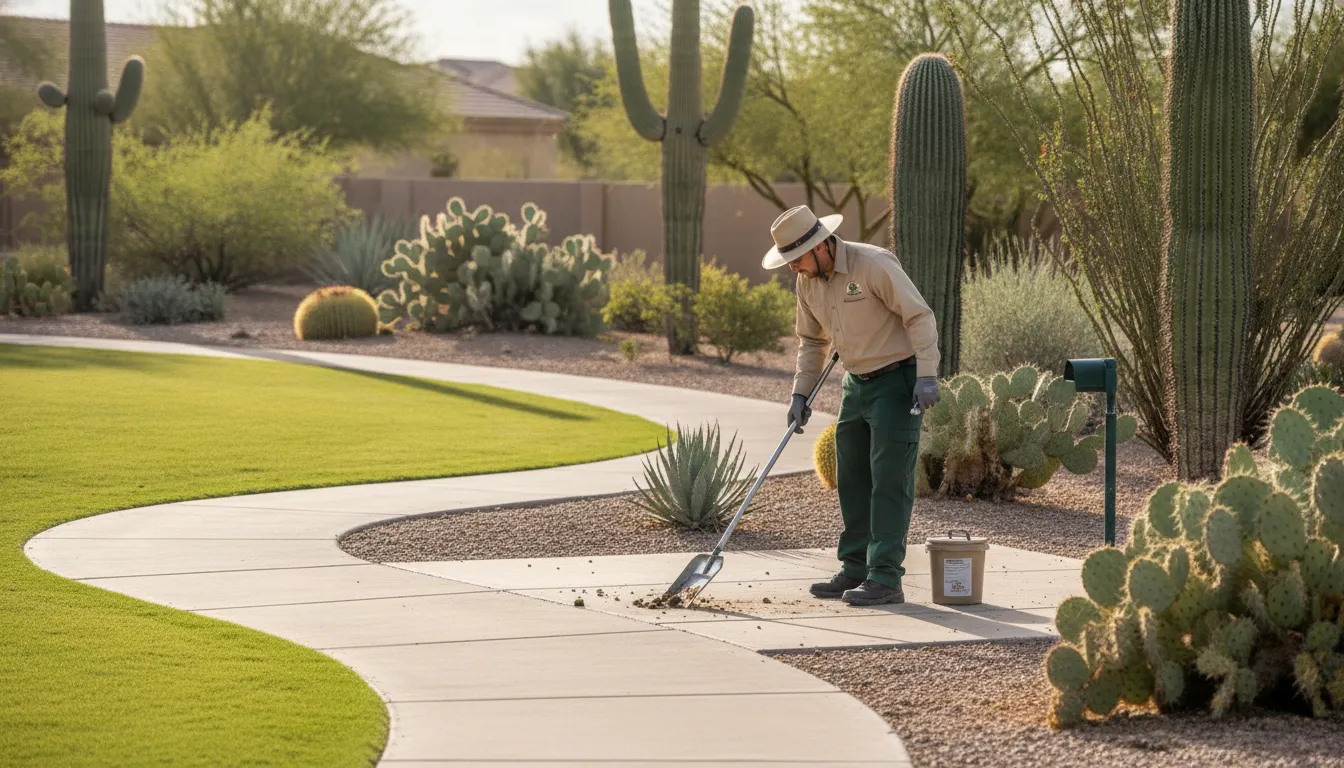
During the visit, the technician inspects the assigned areas rather than collecting only the waste that is easiest to see. That may include designated pet relief areas, grass, landscaped edges, sidewalks, and paths identified in the service scope. Waste is bagged, double-bagged as part of the documented process, hauled away, and disposed of through city sanitation procedures. This keeps the work focused on removal from the community, not simply moving waste to another onsite bin.
For broader coverage details, boards can review Tucson commercial pet waste removal and confirm which areas should be included in a customized proposal.
Communication and community expectations
A good HOA workflow also includes practical communication. The board should define the service boundaries, tell residents where waste pickup occurs, and provide a simple way to report access problems or areas that need attention. Tucson's Leash Up Clean Up education campaign reinforces the broader community expectation that people should manage dogs responsibly and clean up after them. An HOA service plan supports that expectation by giving shared spaces regular professional attention.
Weekly, bi-weekly, or custom visits may be appropriate depending on property size, pet-area use, and observed waste volume. The board can review conditions over time and adjust the scope or frequency when community needs change.
 What Should HOAs Dog Waste Pickup Tucson Service Include?
A recurring plan is easier to evaluate when the scope is written around the property, not just the number of visits. Before approving service, an HOA board should identify the areas that need attention and ask the vendor to explain how each area will be covered, checked, and documented.
HOA service scopeBoard needWhat to confirm with a vendorWhat good execution looks likeAssigned-area coverageWhich dog parks, pet stations, lawns, sidewalks, walking paths, and other common areas are included? Are exclusions clearly listed?The technician follows a defined route or site map and checks every assigned area instead of focusing only on the most visible problem spots.Schedule consistencyWhich service frequency fits the community, and will visits occur on consistent service days?The property is placed on a recurring route with a dependable cadence. Weekly, bi-weekly, or custom scheduling can be matched to traffic, pet-area use, and waste volume.Re-checks and quality controlHow does the vendor handle overlooked waste, high-use zones, or areas that need a second inspection?The technician performs a complete inspection and re-checks recurring problem areas before leaving, rather than treating one pass through the property as sufficient.Waste removed from the propertyDoes the service include bagging, hauling, and disposal, or does the community need to manage filled bags afterward?Collected waste is bagged, removed from the community, and handled through the documented disposal process. A1 describes its process as double-bagging, hauling away, and city-sanitation disposal.CommunicationWho should the technician or office contact about access issues, service questions, changed conditions, or resident concerns?The board and vendor agree on a practical contact path and escalation process before the first visit. Expectations are clear without relying on unconfirmed portal or notification features.DocumentationWhat service details can the board review, such as assigned areas, visit frequency, exclusions, and requested changes?The scope is written plainly so property managers can compare completed work with the approved plan and request adjustments when community conditions change.Custom scopeCan the proposal account for property size, access points, pet-area layout, special problem zones, and community rules?The plan reflects the actual site instead of forcing the HOA into a one-size-fits-all package. Boards evaluating Tucson commercial pet waste removal can request a scope built around those property details.
Put these items in the service discussion before comparing providers. A clear scope reduces misunderstandings, gives residents a more consistent experience, and helps the board judge whether the recurring service is being delivered as agreed.
How Often Should a Tucson HOA Schedule Dog Waste Pickup?
There is no single schedule that fits every community. A Tucson HOA should choose a pickup cadence by looking at how many residents and dogs use shared areas, how large the property is, and how quickly waste accumulates between visits. The right plan keeps common spaces usable without paying for a frequency that does not match actual demand.
When is weekly pickup the right fit?
Weekly service is a practical starting point for many communities with regular foot traffic and designated pet areas. It creates a predictable maintenance rhythm and limits the amount of waste that can build up between visits. It may suit an HOA with several dog-owning households, frequently used walking paths, or multiple lawns and pet relief areas that need routine attention.
Boards should map the areas that need coverage rather than assuming that one visible pet station represents the whole property. Include paths, open lawns, dog runs, entrances, and less visible corners where residents may not notice accumulation right away. The vendor should also understand which areas are included and which are excluded from the service plan.
When should an HOA consider bi-weekly service?
Bi-weekly pickup can work for a smaller property, a community with lighter shared-area use, or an HOA where residents handle waste promptly in most areas. Before selecting this cadence, review the volume found during an initial inspection and ask whether two weeks between visits will align with resident expectations. A schedule that looks efficient on paper can create complaints if a high-traffic area is left unattended for too long.
How can a board set a custom schedule?
A custom cadence may be appropriate when different parts of the property have different levels of use. For example, a heavily used dog area may need more frequent attention than a lightly used perimeter path. The board can discuss the property size, access points, waste volume, designated coverage zones, and any recurring problem areas with the service provider before finalizing the plan.
Fixed route days and consistent service days make the arrangement easier to manage. Board members and property managers can plan access, communicate expectations to residents, and recognize when a scheduled visit has occurred. During a review, compare the selected frequency with observed waste volume, resident feedback, access conditions, and the vendor's coverage documentation. If those conditions change, adjust the cadence rather than allowing the service plan to drift away from the community's needs.
How Can a Board Compare Dog Waste Vendors Without Guessing on Price?
Price is only useful when every vendor is quoting the same scope. Before comparing proposals, give each provider the same property map and service expectations. That makes it easier to see whether a lower number reflects a smaller service area, fewer visits, limited disposal, or a different level of follow-through.
Use the same scope for every proposal
Ask each vendor to confirm which areas are included. The scope may cover dog parks, pet relief areas, sidewalks, walking paths, lawns, entrances, and other recurring problem zones. It should also identify exclusions, access points, gates, and any areas that need special attention. A board should be able to compare proposals line by line rather than interpret broad phrases such as "community cleanup."
Ask what happens during each visit. A complete recurring service may include scheduled arrival, access coordination, inspection of assigned areas, collection, double-bagging, hauling away, and disposal through city sanitation. If disposal is not included, the board should know who handles the waste and where it goes.
Check reliability and communication
A dependable vendor should explain the proposed frequency and how the route will be managed. Weekly, bi-weekly, or custom scheduling may fit different properties depending on traffic, pet-area use, property size, and waste volume. Fixed routes and consistent service days can make expectations easier for managers and residents to follow.
Ask how the vendor handles access problems, missed areas, schedule changes, and new problem locations. The answer does not need to promise a particular notification system. It should give the board a clear contact path and a practical way to raise concerns. Also ask whether technicians become familiar with the property over time, since that can help them recognize common trouble spots.
Look for documentation and a workable proposal
Request a written proposal that lists the service areas, visit frequency, disposal responsibilities, access assumptions, exclusions, and any optional work. Clarify whether the arrangement is recurring and whether the property can adjust its schedule as needs change. A vendor should be willing to build a proposal around the community rather than force the board into a residential service package.
For a broader overview of what commercial service can include, review A1's Tucson commercial pet waste removal information. Then compare proposals on coverage, consistency, sanitation, communication, and documentation. Those details show what the board is actually buying and help residents receive a cleaner, more predictable shared-space experience.
What Information Does an HOA Need for a Community Quote?
A commercial pet waste proposal is most useful when it reflects how the community actually operates. Before contacting a provider, gather the details below so the discussion can focus on coverage, service frequency, access, and practical expectations. Commercial proposals are customized to the property, so there is no need to rely on a residential price or a generic package.
- Describe the property size and layout. Share the approximate acreage, number of buildings, number of units, and whether the community includes separate phases or distinct neighborhoods. A site plan, map, or marked-up aerial image can help identify the full service area.
- Mark designated pet areas. Identify dog parks, pet stations, walking paths, open lawns, drainage areas, and other places where residents commonly walk their dogs. Include recurring problem zones, even if they are outside the designated pet areas.
- Estimate expected waste volume. The board may not have an exact count, but observations about resident population, dog traffic, filled stations, and recent complaints provide useful context. Note whether waste has accumulated before service begins.
- List the requested visits. Indicate whether the community is considering weekly, bi-weekly, or another custom schedule. If traffic changes during the week or season, explain when the property needs the most attention.
- Explain access points and site logistics. Provide gate locations, lock or key instructions, parking expectations, restricted areas, and the best contact for access questions. Mention any areas that require advance coordination with a manager or maintenance team.
- Identify exclusions and boundaries. Clarify which lawns, private patios, resident-only spaces, landscaped areas, or neighboring parcels should not be included. Clear boundaries help prevent missed expectations on both sides.
- Note special services or preparation needs. If the community needs a reset before recurring visits, ask about a one-time pet waste cleanup. Also mention pet-station servicing, accumulated waste, or other site-specific requests that should be addressed in the proposal.
- Summarize current pain points and the decision timeline. Include resident complaints, sanitation concerns, missed areas, inconsistent prior service, or upcoming board meetings. Share when the board hopes to compare proposals and begin service. For a Tucson community quote, review Tucson commercial pet waste removal and provide these details when contacting A1.
This information gives a provider a practical starting point for recommending coverage and a schedule that fits the community. The board can then review the proposed scope, access plan, service days, and responsibilities before making a decision.
Call A1 Pet Maintenance at (702) 521-2624 to discuss a property-specific HOA cleanup proposal
Frequently Asked Questions
How does HOA dog waste pickup in Tucson work?
A Tucson HOA service plan identifies the common areas to inspect, the scheduled service day, access instructions, and disposal expectations. A1's documented process includes coordinating property access, completing an inspection and collection, double-bagging waste, and hauling it away for city sanitation disposal. Learn more about commercial property service.
Is weekly dog waste pickup enough for a Tucson HOA?
Weekly service can be a practical starting point for communities with moderate pet traffic, but it is not a universal standard. Boards should consider property size, dog-relief areas, resident use, events, complaints, and the cleanliness standard they want to maintain. Twice-weekly, custom, or one-time cleanup options may fit different Tucson conditions.
Does someone need to be home during service?
No resident needs to be present when the crew has clear, authorized access to the agreed service areas. Include gate codes, locked-area instructions, contact details, and any pet or amenity restrictions in the proposal so the visit can be completed safely and consistently.
Can you confirm service for my Tucson or Pima County community?
Service-area availability should be confirmed for the specific property before the board approves a plan. Share the community address, property layout, access requirements, common-area list, and preferred schedule so the provider can evaluate the request accurately rather than assuming a route or coverage area. A1 can use those details to discuss a Tucson community quote.
How much does HOA dog waste pickup in Tucson cost?
HOA pricing requires a property-specific proposal, not a residential rate table. The scope, number and type of service areas, visit frequency, access needs, accumulated waste, disposal requirements, and special cleanup terms can all affect the work. Request a written proposal that clearly defines those items before comparing Tucson options.
Ready to Plan HOAs Dog Waste Pickup Tucson for Your Community?
A property-specific conversation can help your board define common-area coverage, service frequency, resident communication, and proposal details around the way your Tucson community operates. A1 Pet Maintenance can review the property details, confirm service-area fit, and help the board determine the next step for a community quote.
Call A1 Pet Maintenance at (702) 521-2624 to discuss your Tucson HOA scope and proposal.