Municipal Dog Waste Management: A Practical City Guide
Learn how municipal dog waste management programs combine stations, routes, public education, contracts, and reporting. Keep shared spaces cleaner.

Dog waste programs work best when they are treated as routine public-space infrastructure, not an occasional cleanup project. Parks, trails, sidewalks, and shared grounds need clear responsibilities, dependable service coverage, and a practical way to identify problems before they affect visitors.
Effective municipal dog waste management combines accessible disposal stations, scheduled collection, public education, documented inspections, and simple reporting. The goal is not to promise that every germ or contaminant will disappear. It is to reduce unmanaged waste, support cleaner shared spaces, and give city teams a consistent system they can measure and improve.
Call A1 Pet Maintenance at (702) 521-2624 Today
A strong program begins with the reason behind these standards. Understanding how unmanaged pet waste can affect people, animals, soil, and runoff helps municipal leaders set priorities that are both responsible and workable.
Why Does Municipal Dog Waste Management Matter for Public Health and Water Quality?
Municipal dog waste management is a sanitation practice, not a promise that every illness or pollutant will be eliminated. Its purpose is to remove waste from shared spaces promptly, reduce avoidable exposure, and keep cleanup responsibilities clear for residents, staff, and service providers.
How can dog waste affect public health?
Dogs can carry germs that make people and other animals sick, even when the dog appears healthy. The CDC recommends picking up dog waste and keeping the surrounding environment clean because these actions reduce the risk of disease spreading. That matters in parks, sidewalks, trails, playground edges, and other places where people may touch soil or surfaces and then touch their faces or food. CDC guidance on dogs and public health provides the broader hygiene context.
Some risks involve parasites that can persist after the waste is no longer fresh. Toxocariasis usually spreads through contact with infected dog or cat feces. The eggs enter soil through animal waste and can survive for months or years under suitable conditions. A dependable municipal program therefore focuses on prompt collection, proper bagging, and disposal through the applicable waste system. These controls reduce exposure opportunities, but they do not make a public area disease-free. See the CDC overview of how toxocariasis spreads.
Why does water quality belong in the conversation?
Uncollected pet waste can be carried by rain or irrigation runoff into storm drains and nearby waterways. The USDA explains that pet-waste disposal systems can help protect water quality by keeping waste out of runoff pathways. That makes station placement, receptacle servicing, and inspection part of an environmental protection strategy, not just an appearance standard. Municipal teams can also use the EPA's NPDES stormwater resources when aligning local practices with broader stormwater pollution-prevention work.
The practical goal is consistent containment: make disposal convenient, service collection points before they overflow, and correct recurring problem areas. Trackable routes and clear public instructions support that goal without overstating what any single program can accomplish.
What Should a Municipal Dog Waste Management Program Include?
A dependable program connects the public-facing pieces with the behind-the-scenes work needed to keep them functioning. Bags do little good if dispensers are empty, and receptacles do not solve the problem if they overflow or sit outside the areas where people walk their dogs. Municipal dog waste management should therefore define the equipment, coverage, maintenance, inspection, and reporting practices as one operating system.
The right setup will vary by park design, usage, staffing, and local requirements. Rather than applying an unverified station count or service frequency, begin with a site review. Identify entrances, walking paths, play areas, athletic fields, drainage features, and locations where waste is repeatedly reported. Then use that information to set a practical service map and a baseline for improvement.
Core elements of a municipal dog waste management programProgram elementOperational purposeSuccess signalBag stationsMake disposal supplies available where residents begin or continue a dog walk.Dispensers are stocked, visible, and positioned at useful access points.Waste receptaclesProvide a contained place for used bags and support a defined removal route.Containers remain serviceable, secured, and free of persistent overflow.SignageExplain expected cleanup behavior, station use, and the correct reporting path.Instructions are easy to see, understand, and follow at each relevant site.Route coverageAssign every station and receptacle to a documented service area and schedule.Visits are completed consistently, including attention to higher-use locations.InspectionsCheck supplies, containers, surrounding ground, access, and visible maintenance issues.Problems are recorded and corrected before they become recurring complaints.AccessibilityKeep stations and receptacles practical for people using different paths and mobility devices.Residents can reach and use the equipment without unnecessary obstacles.
How should cities connect equipment with service coverage?
Assign each station and receptacle an identifiable location, then include it in route logs or inspection records. Those records can show when bags were replenished, waste was removed, and a damaged dispenser or full container was reported. A consistent inspection process also helps distinguish a one-time issue from a placement or capacity problem that needs broader review.
The program should account for accessibility from the beginning. Equipment should not block sidewalks, narrow travel paths, or conflict with entrances and gathering areas. Signage should be readable and placed where dog walkers can see it before they need a bag or receptacle. This practical, site-specific approach gives municipal staff a clearer basis for adjustments without relying on invented standards or assumptions about every park.
 How Can Cities Design Reliable Collection and Service Routes?
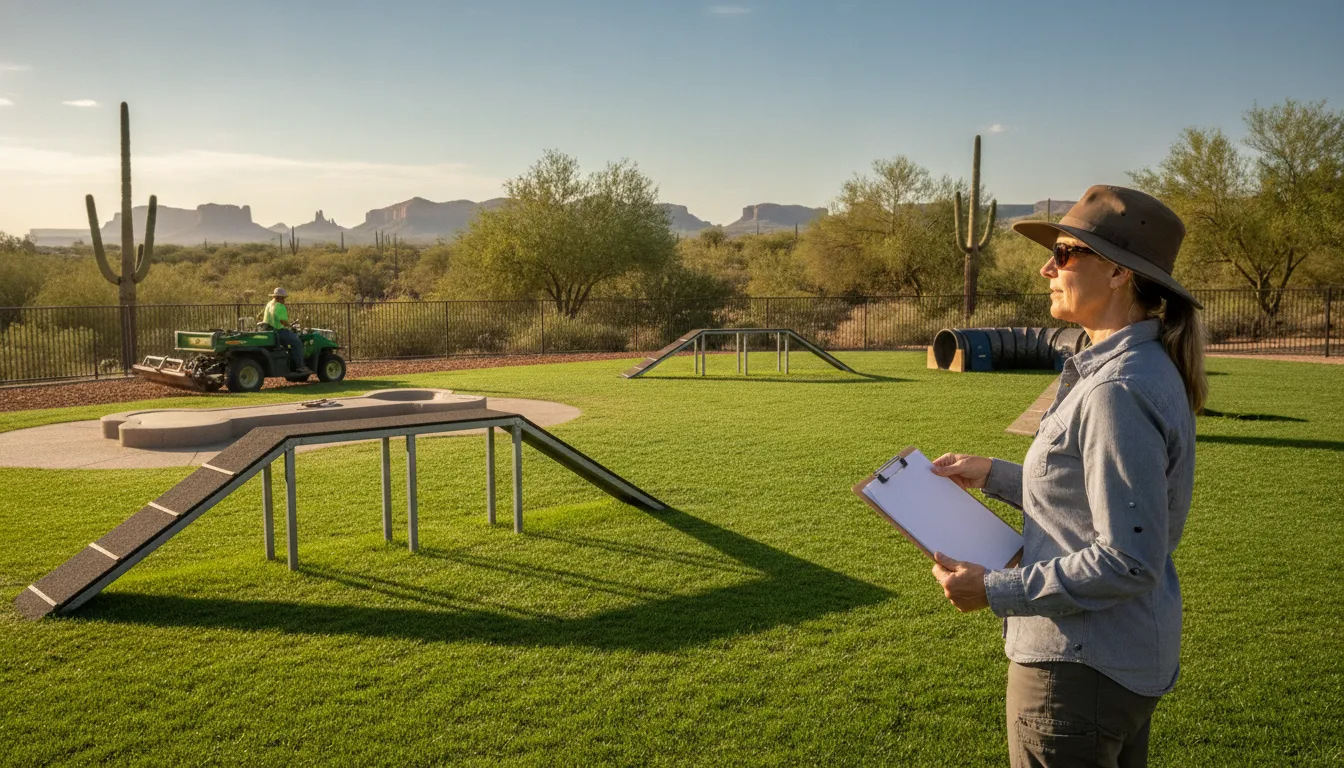
A dependable route is built around how people and dogs actually use each public space. The goal is not simply to visit every address on a calendar. It is to place service where waste accumulates, set a cadence that matches demand, and leave a record that helps staff correct problems before they become recurring complaints.
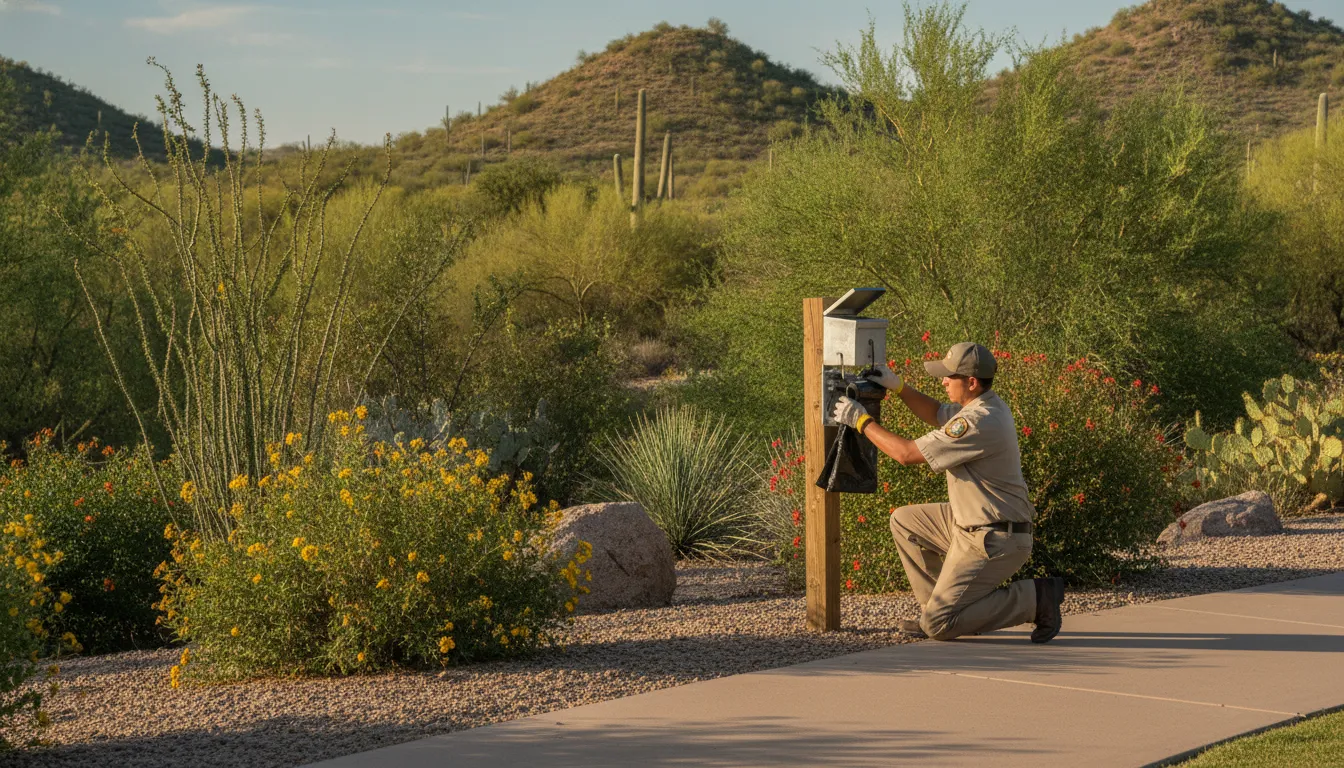 Map high-use areas first. Mark dog parks, walking paths, trailheads, sports fields, playground edges, apartment-adjacent public areas, and locations with existing complaints. Note station and receptacle locations, access points, parking limitations, and areas that become difficult to reach during events or seasonal changes. A map also helps separate routine collection from sites that need a faster response after heavy use.
- Set a site-specific service cadence. Do not assume that every park needs the same frequency. Compare observed waste volume, visitor patterns, receptacle fill levels, and peak days. A smaller site may need periodic service, while a busy dog park may require more frequent collection and supply checks. Write the expected visit frequency into the operating plan so parks staff and the service provider share the same standard.
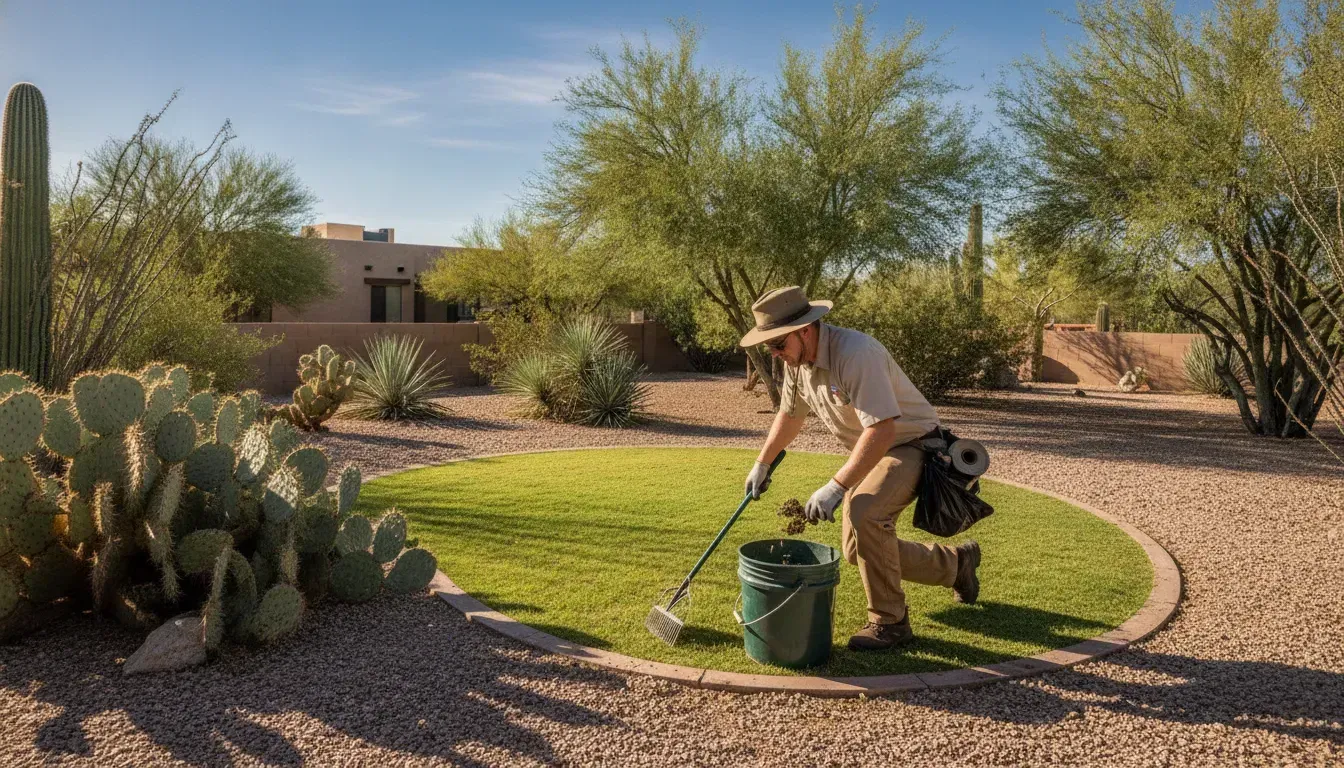
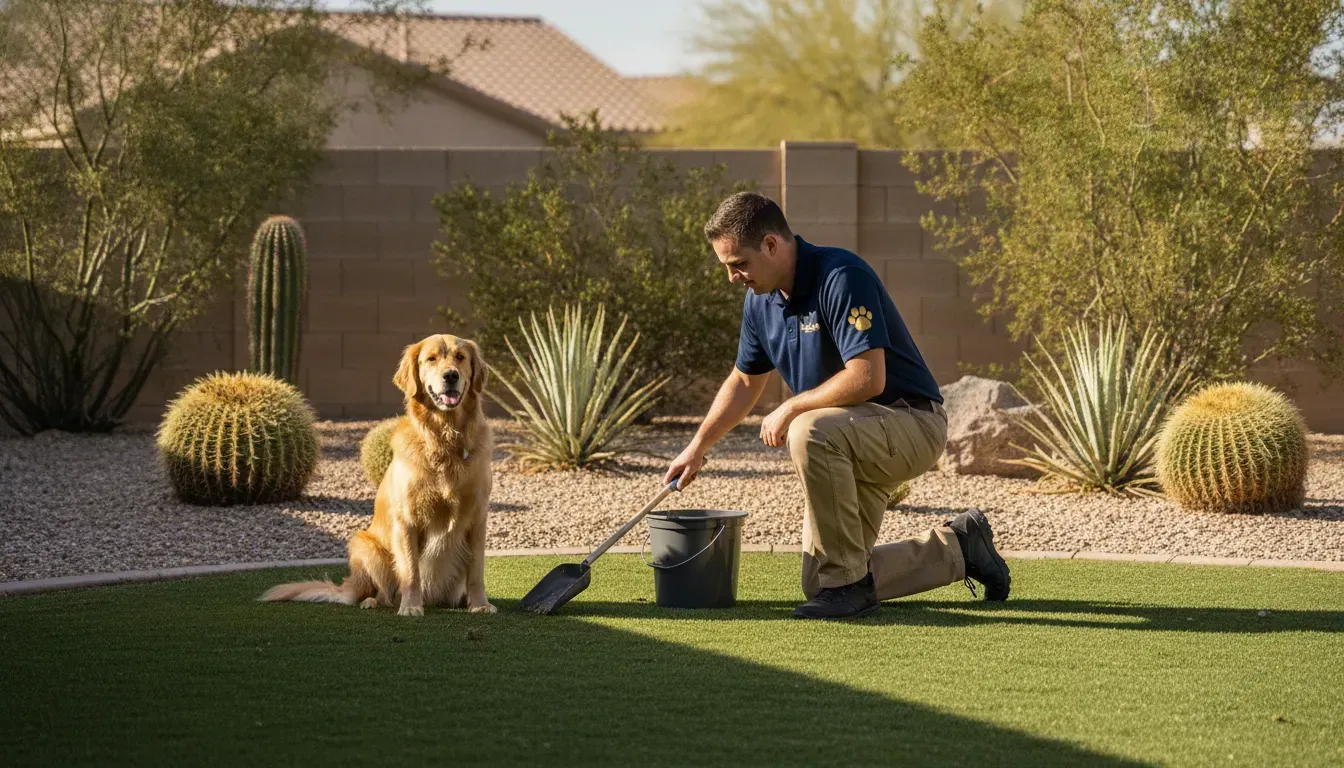
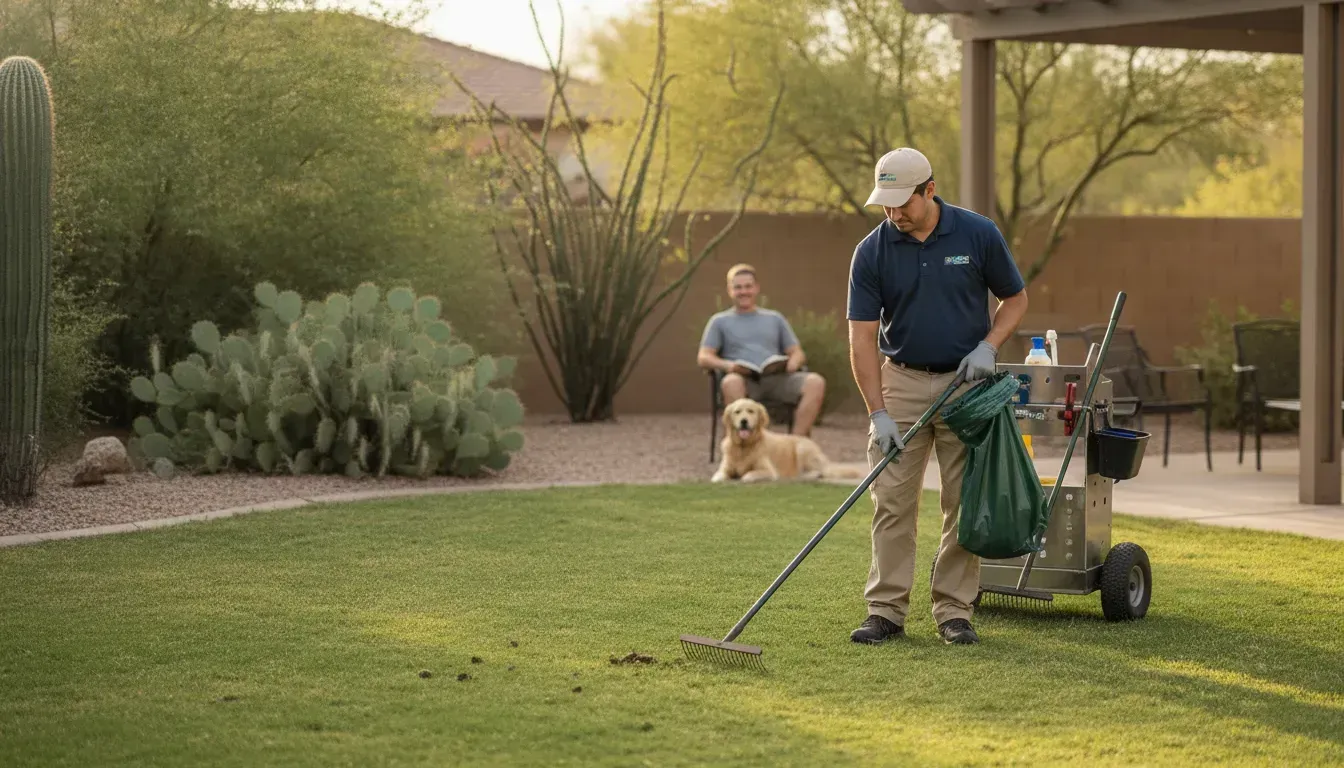
- Inspect stations and receptacles during every visit. Collection should include more than removing visible waste. Check whether bags are available, dispensers work, liners are secure, signs remain readable, and containers are positioned safely. Record damaged equipment, overflowing receptacles, access problems, and areas where waste is appearing outside the planned collection points. A1's documented process provides one example of combining inspection, collection, double-bagging, hauling, and city-sanitation disposal, but each municipality should confirm its own disposal requirements. Commercial pet waste removal and property maintenance can be scoped around the specific site and service needs.
- Log completion and exceptions. A useful route log identifies the site, date, arrival or completion status, supplies replenished, receptacle condition, collected waste, and unresolved issue. It should also note skipped service and the reason, such as a locked gate, event closure, unsafe condition, or access obstruction. A1 uses fixed geographic routes and consistent service days, with flexibility for special requests, as a documented example of how recurring work can remain predictable without becoming rigid.
- Review results and adjust the route. At a regular interval, compare logs with complaints, missed-service reports, supply usage, overflow incidents, and inspection findings. Move service timing, add a visit, repair a station, or revise the route when the evidence supports it. Treat the route as a working plan that improves through documented results, not as a schedule that stays unchanged after conditions shift.
How Should Public Education Improve Compliance?
Good public education makes the right action obvious at the moment a resident needs it. Signs and online notices should use direct instructions: pick up dog waste, tie the bag securely. Place it in the designated receptacle, and wash your hands after handling waste or supplies. The CDC recommends picking up dog waste, including in private yards and areas where children play. Because cleaning up after dogs and keeping the environment clean reduces the risk of disease spreading to people and other animals. Read the CDC guidance on dogs and public health.
Make every station self-explanatory
A station sign should identify the nearest bag dispenser and receptacle, show the basic use sequence. And explain what residents should do when bags are empty or a container is full. Use short sentences, large enough type, strong contrast, and familiar symbols. Place signs where people pause, such as park entrances, trail junctions, and high-use dog areas, rather than relying on a single notice at the main entrance.
Design for the whole community
Where a city serves residents who speak different languages, core instructions should be translated into the languages used locally. Accessibility matters as well. Pair text with clear icons, avoid placing critical information only in color, and make digital versions readable by screen readers. The goal is not to overwhelm visitors with policy language. It is to give every dog owner the same simple information about bags, disposal, and shared-space cleanliness.
Offer a low-friction reporting path
Residents should be able to report an empty dispenser, overflowing receptacle, damaged sign, or recurring waste problem without searching for the right department. A QR code, short web form, phone number, or clearly named service channel can route the issue to the responsible team. Tell residents what details help, such as the park name, station location, and approximate time. Reviewing those reports alongside inspection and service logs helps a municipality identify confusing signs, poorly placed stations, and areas that need a different service cadence.
What Should Municipal Contracts and Vendor Reviews Measure?
A useful contract turns a broad cleanliness goal into responsibilities that staff, residents, and a service provider can understand. Before requesting proposals or reviewing a vendor, define the public spaces included in the program and describe what successful service looks like at each site. A dog park, a neighborhood greenway, and a civic campus may need different coverage, access instructions, and inspection priorities.
Is the service scope specific enough?
List the locations, zones, waste stations, receptacles, sidewalks, turf areas, and other features that fall within the service area. Identify whether the vendor is expected to collect waste only, or also inspect stations, replace bags, report damaged equipment, and flag conditions that need municipal attention. The contract should also state the planned service frequency for each site. Avoid a single blanket schedule when traffic, events, seasonal use, or site conditions call for different attention.
Are access, disposal, and safety responsibilities clear?
Spell out access windows, locked gates, contact procedures, event conflicts, and any areas that require special instructions. The agreement should identify who provides keys or access codes and who is responsible for notifying the vendor about construction, closures, irrigation work, or other route changes. Disposal responsibilities also need to be explicit. State how collected waste is bagged, transported, and transferred to the municipality's designated sanitation process, rather than assuming the parties share the same procedure.
Safety language should address ordinary site hazards and a clear method for reporting unsafe conditions. It should not claim certifications or impose requirements that have not been confirmed by the jurisdiction. Procurement staff should review the final scope against applicable local policies and purchasing procedures. Those requirements vary by agency, so a general guide cannot substitute for the municipality's own procurement review.
What should service records and escalation include?
Require a service record that identifies the site, service date, work performed, missed access, supply issues, observed hazards, and follow-up needed. Consistent logs make vendor reviews more useful than relying on occasional complaints. Define how quickly the provider should report missed service, overflowing receptacles, blocked access, or urgent sanitation concerns, and identify who receives the notice. Response expectations should be written for the contract's actual scope rather than presented as an unsupported guarantee.
During a vendor review, compare completed records with the route plan, inspect representative locations, and look for recurring exceptions. A provider with documented government experience and a clearly defined route process may be easier to evaluate. A1's commercial pet waste removal and property maintenance services offer one example of the operational detail agencies can examine when building a site-specific proposal.
How Do Cities Track Results and Improve Sanitation Over Time?
A municipal dog waste management program becomes easier to improve when staff record consistent observations instead of relying on occasional impressions. Begin with a baseline inspection of each participating site. Note station locations, receptacle condition, visible waste, bag availability, access concerns, and areas that may need more frequent attention. The baseline does not need to promise a specific outcome. Its purpose is to create a clear starting point for future comparisons.
Use routine service records to identify patterns
Each route visit should produce a simple record. Depending on the contract and local system, that record may include the sites visited. Service date, bags replenished, receptacles that were emptied, overflow observed, and any missed or inaccessible service. Bag usage can help staff notice changing demand, but it should be interpreted alongside site conditions. A busy dog park, for example, may use supplies differently from a residential walking path.
Resident and staff complaints add another useful perspective. Track the location, type of concern, date received, and whether the issue involved waste, an overflowing container, missing bags, odors, damaged equipment, or a missed visit. Grouping complaints by site and issue can show whether a problem is isolated or recurring. Records should support practical decisions, not create reporting work that no one uses.
Turn observations into corrective actions
When records show a recurring issue, assign a specific response. That may mean checking a dispenser, adjusting route instructions, clarifying site access, replacing a damaged receptacle, reviewing service timing, or confirming that a missed visit was completed. Document the action and the follow-up observation so staff can determine whether the change addressed the problem.
Periodic reviews bring these records together. Municipal teams can compare baseline observations with route logs, complaint trends, supply use, overflow reports, and missed-service records. Review the findings with the service provider and site staff, then update the operating plan when the evidence supports a change. This feedback loop keeps sanitation management accountable while allowing each jurisdiction to set its own priorities and service expectations.
How Can Las Vegas and Henderson Agencies Apply These Practices?
Agencies in Southern Nevada can apply a municipal dog waste management framework by starting with the spaces they oversee. The service expectations for each location, and the records needed to review performance. A park system may need different visit schedules, station coverage, inspection routines, and reporting procedures than a smaller set of public facilities. Those details should be confirmed by each jurisdiction rather than assumed to be universal.
A1 Pet Maintenance brings documented local government experience to this conversation. The company was founded in 1998 and has documented government partnerships with the City of Las Vegas, the City of Henderson, and Clark County. A1 also services more than 400 properties weekly. These facts demonstrate an established Southern Nevada operating history, but they do not mean every agency, park, or public space receives the same service. Scope, frequency, access, response expectations, disposal responsibilities, and reporting should be defined for the specific agreement.
For an agency evaluating its next step, begin with an inventory of parks, trails, stations, receptacles, high-use areas, and known problem locations. Then connect that inventory to a practical route plan and a clear review process. Agencies can also use this city pet waste removal services buyer guide when comparing service scope and provider fit.
The strongest local program is one that residents can understand and staff can verify. Documenting service locations, completed visits, observed issues, corrective actions. And escalation contacts gives Las Vegas and Henderson agencies a clearer basis for improving sanitation over time without promising coverage beyond the agreed program.
Call A1 Pet Maintenance at (702) 521-2624 Today
Frequently Asked Questions
What are the goals of a municipal dog waste management program?
The goals are to keep parks and shared spaces cleaner, make disposal convenient, support sanitation. Reduce avoidable contamination, and give staff a consistent way to inspect, service, and report conditions. A strong program also makes expectations clear to residents.
Where should municipalities install dog waste stations?
Begin with areas where dogs and people regularly meet, such as park entrances, walking routes, trail connections, playground approaches, and other high-use zones. Review observed traffic, existing complaints, container capacity, accessibility, and the distance to the next disposal point before finalizing locations. Placement should reflect each site's layout rather than a universal spacing rule.
How should municipalities manage dog waste station bags?
Assign responsibility for checking dispensers, restocking bags, emptying containers, replacing liners, and recording completed service. Review usage by location and season so staff can adjust supplies before stations run empty. The contract or operating plan should identify who handles shortages, damage, overflow, and urgent requests.
How is dog waste disposed of safely?
Collected waste should be bagged securely and placed into the approved trash or sanitation stream for the jurisdiction. Local disposal requirements should be confirmed before launch. The CDC recommends picking up pet waste daily and bagging it for disposal in the trash, especially in areas where children may play. CDC guidance
How much does municipal dog waste management cost?
There is no responsible universal rate. Cost depends on the number and type of sites, station count, visit frequency, access conditions, disposal responsibilities, reporting needs, and response expectations. Municipal buyers should request a scope-based proposal that separates recurring service from one-time cleanup or special requests. A1's commercial and municipal proposals use custom pricing.
Ready to Build a Cleaner Public-Space Program?
A well-defined service scope can help municipalities keep routes consistent, clarify reporting, and support cleaner shared spaces. A1 Pet Maintenance can discuss the sites, service frequency, sanitation needs, and accountability details your program requires. To discuss a municipal or public-space pet waste service scope, call A1 Pet Maintenance at (702) 521-2624.