Rental Property Dog Poop Cleanup: A Landlord's GuideRental Property Dog Poop Cleanup: A Landlord's Guide
This is a subtitle for your new post

Unscooped dog waste is more than just an eyesore; it's a direct hit to your bottom line. Each yellow patch on the lawn represents future landscaping costs. Every complaint from a tenant is a risk to your renewal rates. And the time you spend dealing with violations is time you can't spend on growing your investment. Many property managers see professional services as just another expense, but a reliable system for rental property dog poop cleanup is an investment in your asset. It protects your grounds from damage, prevents potential fines, and helps attract and retain the kind of quality tenants who value a clean environment. Let's explore how a smart approach to pet waste can actually save you money.
Key Takeaways
- Define Your Rules in Writing: Your lease agreement is your most important tool. Create a specific pet addendum that outlines immediate cleanup requirements, disposal methods, and any fees for violations to ensure your policy is clear and enforceable.
- Set Tenants Up for Success: Make it easy for residents to follow the rules. Install pet waste stations in high-traffic areas, use clear signage as reminders, and walk through the pet policy with every new tenant during lease signing.
- Enforce Your Policy Consistently: A policy is only effective if it is enforced. Conduct regular property inspections, document every violation with photos and written warnings, and apply consequences fairly to all residents to maintain a clean and respectful community.
What Are a Tenant's Responsibilities for Dog Waste?
Setting clear expectations from the start is the key to a clean, pet-friendly rental property. While most tenants with pets have good intentions, their idea of "clean" might not match yours or what's required to maintain a sanitary environment. A tenant's responsibility for their dog's waste is defined by two main things: local laws and the rules you outline in your lease agreement. Understanding both will help you create a straightforward policy that protects your property, keeps your tenants happy, and avoids frustrating conflicts down the road.
Know Your Local Laws
Before you write your pet policy, you need to know the rules in your area. There isn't a single national law for picking up dog poop; these regulations are handled at the state, city, and county levels. For example, the rules in Clark County might differ from those in Tucson. Homeowner associations (HOAs) also have their own specific requirements that you and your tenants must follow. Checking your local government's website and reviewing your HOA's governing documents is a crucial first step. These laws provide a legal foundation for your lease agreement and give you the authority to enforce your property's rules.
What Your Lease Agreement Should Cover
Your lease is the most important tool you have for managing pet waste. To avoid any confusion, your lease agreement or a separate pet addendum must clearly state your rules. It should specify that tenants are required to clean up after their pets immediately and outline where they should dispose of the waste. If you plan to charge a fee for violations, that fee must be written into the lease. You cannot enforce a fine or penalty that a tenant hasn't already agreed to in writing. If you have a tenant on an old lease, you'll need to wait until it's time for renewal to add these new terms.
Common Tenant Misconceptions About Pet Waste
Many conflicts over pet waste happen because of simple misunderstandings. A tenant might think letting their dog out in a fenced yard and cleaning up once a week is perfectly fine. They may not be watching their dog every second and might not realize the impact of leaving waste behind. What seems like a minor nuisance is actually a health and safety issue. Dog waste is considered a pollutant by the Environmental Protection Agency because it can contain harmful bacteria and parasites that can make people and other pets sick. Explaining this to your tenants can help them understand why your cleanup rules are so strict.
How to Create a Pet Waste Policy for Your Lease
A strong pet waste policy starts with your lease agreement. Simply having a "pets allowed" rule isn't enough; you need a specific addendum that clearly outlines your expectations and the consequences of not meeting them. A well-defined policy is your best tool for preventing issues before they start. It creates a clear, legal understanding between you and your tenants, making enforcement straightforward and fair. When everyone knows the rules from day one, you can maintain a clean and pleasant property for all residents.
What to Include in a Dog Waste Addendum
Your pet addendum is the place to set foundational rules. A simple, direct clause can make a world of difference. Consider including a rule stating that tenants must clean up all dog poop immediately after it happens. This establishes a clear standard for cleanliness and responsible pet ownership. You can also specify that dogs should not be left unattended in the yard for long periods, as this often leads to missed waste. Putting these expectations in writing is a key part of a successful landlord-tenant relationship and helps protect your property value.
Set Clear Cleanup Timelines
Vague instructions lead to compliance issues. Instead of saying waste must be picked up "promptly," define exactly what that means. Your lease should include specific guidelines on how quickly dog waste must be removed. For example, you could require cleanup within a certain timeframe, like 20 minutes, or before the end of the day. This clarity removes any guesswork for the tenant and gives you a solid, enforceable standard. When tenants understand the precise expectation, they are much more likely to follow the rules and help keep common areas and private yards clean for everyone.
Define the Consequences for Not Cleaning Up
To ensure your policy has teeth, you must clearly state the consequences for violations. Your lease addendum should specify that a cleanup fee will be charged if a tenant fails to pick up after their pet. A fee of $10 to $20 per pile can be an effective financial incentive for tenants to stay on top of their responsibilities. This isn't just about penalties; these fees can help cover the cost if you need to hire a professional service to handle the cleanup. Having this outlined protects your investment and ensures your commercial property remains clean and sanitary.
Include Rules for Guests and Dog Walkers
Pet waste responsibility doesn't stop with the tenant. It's important to clarify in your lease that the tenant is accountable for their pet's waste, regardless of who is handling the dog at the time. This includes friends, family, or professional dog walkers. This clause ensures there are no loopholes or confusion about who is responsible for cleanup. By making the tenant the ultimate point of accountability, you simplify enforcement and reinforce the importance of your community's cleanliness rules. This is a standard part of most local ordinances regarding animal care and control.
Set Up Your Property to Encourage Compliance
A clear pet policy is a great start, but making it easy for tenants to follow the rules is even better. When you set up your property with pet waste management in mind, you’re not just hoping for compliance; you’re actively encouraging it. A few simple, physical additions to your property can make a huge difference in keeping common areas clean and resolving issues before they start. Think of it as creating an environment where doing the right thing is the easiest option for your tenants and their furry friends.
This proactive approach saves you time, reduces conflict, and shows residents you’re a thoughtful property manager. It transforms the dynamic from enforcement to partnership. Instead of just penalizing bad behavior, you're providing the infrastructure for good behavior to flourish. This can significantly improve tenant morale and make your property a more desirable place to live, which can lead to lower turnover rates. A clean, well-maintained property is attractive to everyone, especially responsible pet owners who are looking for a long-term home. By investing in these simple setups, you're investing in the value and reputation of your property.
Install Pet Waste Disposal Stations
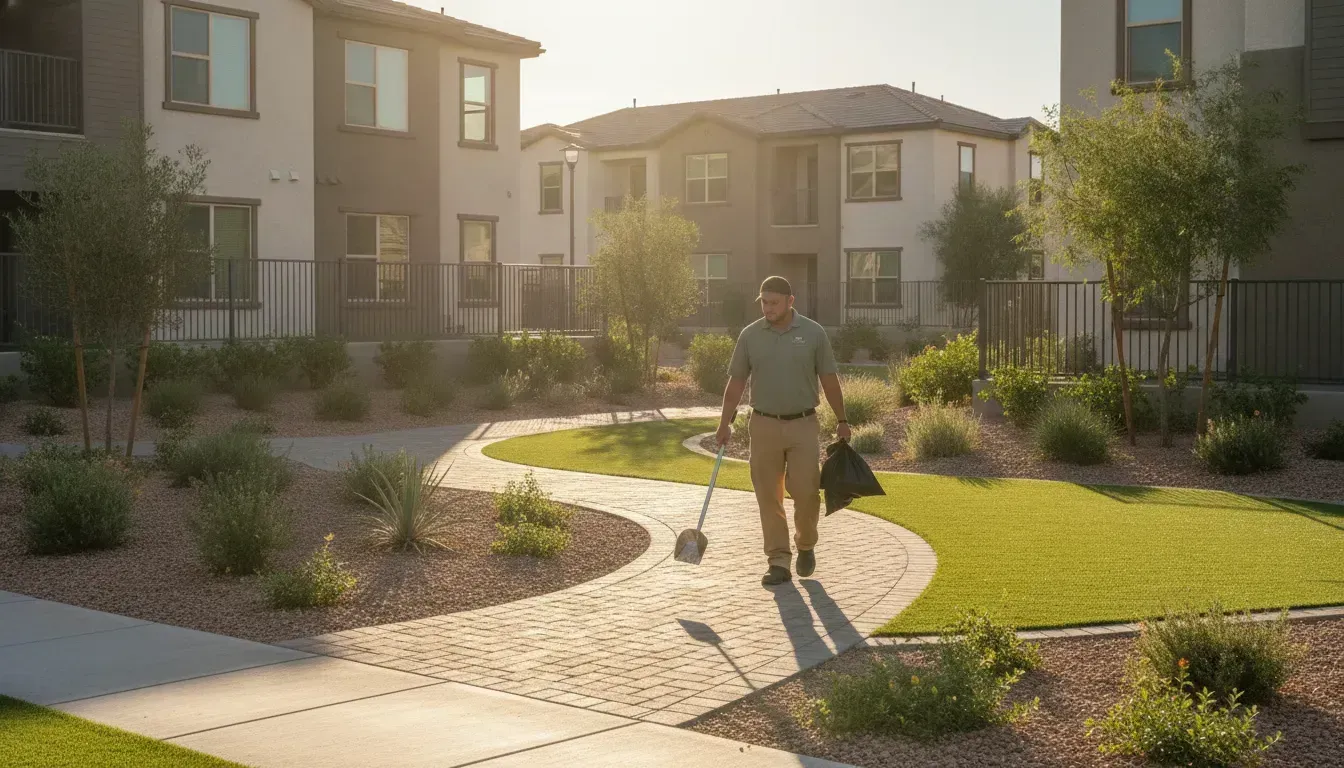
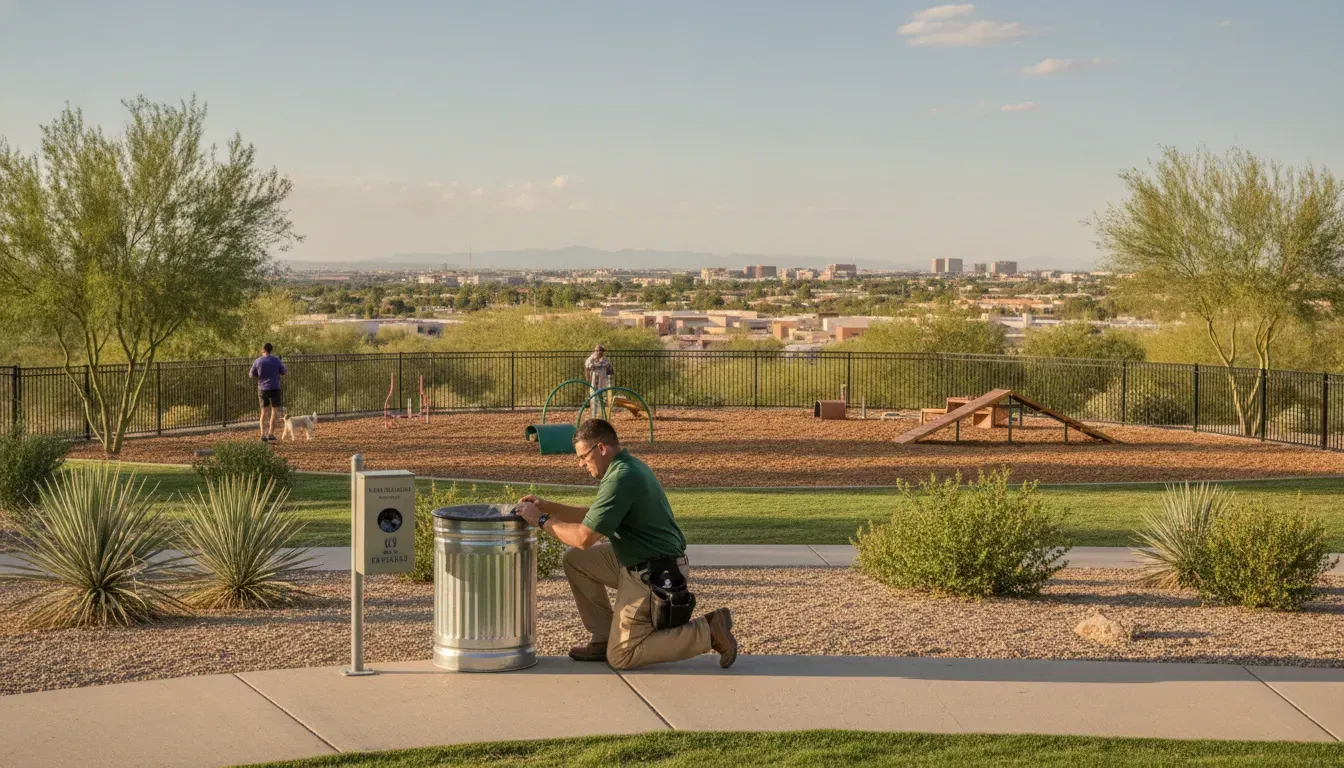
Installing pet waste stations around your property is one of the most effective ways to encourage cleanup. When a resident has easy access to bags and a designated trash can, the excuse of "I forgot a bag" disappears. These stations send a clear message that you take pet waste seriously and are providing the tools for success. For multi-family properties, place them in high-traffic areas and near common green spaces. Keeping these stations stocked and emptied is just as important. If you want to ensure constant compliance without adding another task to your plate, hiring a professional pet waste removal service can keep your property clean and your stations ready for use.
Designate Dog Relief Areas
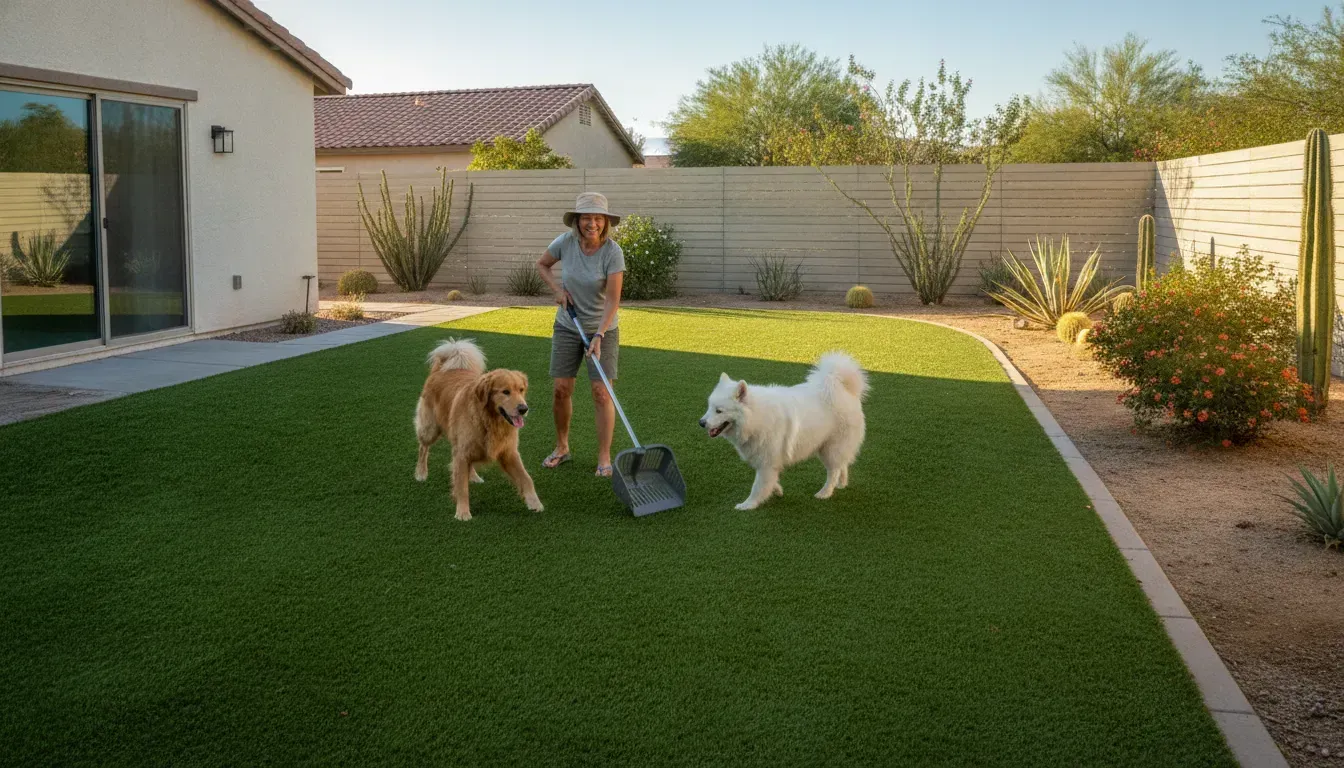
To protect your landscaping and keep the mess contained, consider creating designated dog relief areas. This can be a specific patch of grass, a gravel area, or a section with mulch that’s away from main walkways and patios. Clearly mark these spots with signage so residents know exactly where their pets should go. This strategy is especially useful for preventing brown spots on manicured lawns or damage to shared green spaces. If your property features turf, concentrated use can lead to odor and bacteria buildup, so regular artificial grass cleaning and maintenance is essential for these designated spots. Reinforce the use of these areas in your lease, stating that all waste must be cleaned up immediately.
Use Documentation to Track Violations
Even with the best setup, you may still encounter a resident who doesn’t clean up. When this happens, documentation is your best friend. Before you can enforce a fine or issue a formal warning, you need proof. If you or another tenant witnesses a violation, create a detailed record. Write down the date, time, and location of the incident. If possible, take a clear photo or video of the pet and the waste left behind. This isn't about being sneaky; it's about gathering facts to ensure fair and consistent enforcement of your community rules. Having this clear documentation is crucial for backing up any claims and protecting your property.
How to Communicate Your Pet Policy to Tenants
A solid pet policy is only as good as its communication. Simply having rules in your lease isn’t enough; you need to make sure your tenants understand them and know you’re serious about enforcement. Clear, consistent, and friendly communication is your best tool for preventing misunderstandings and keeping your property clean. It sets a collaborative tone from the start, showing that you want to work with your tenants to create a great living environment for everyone, including furry residents. By discussing the policy upfront, using visual reminders, sending polite notices, and even offering incentives, you can build a culture of compliance that feels less like a chore and more like a shared responsibility.
Discuss the Policy at Move-In
The best time to prevent future problems is right at the beginning. When your new tenants are signing their lease, take the time to walk them through the pet addendum. Don't just slide it across the table. Point out the key clauses, especially those about waste cleanup. One landlord found success by explaining their reasoning upfront, telling tenants that dogs couldn't be left unattended partly to ensure waste was picked up immediately. This isn't about being strict; it's about setting clear expectations. When you have this conversation face-to-face, it establishes a foundation of mutual respect and makes it much harder for a tenant to later say, “I didn't know.”
Use Clear Signage and Reminders
Visual cues are a powerful, low-effort way to reinforce your rules. Place professional, easy-to-read signs in common areas, near designated dog relief spots, and right next to your pet waste stations. A simple sign that says, “Please Clean Up After Your Pet” along with a reminder of the cleanup fee can work wonders. These signs act as a constant, impersonal reminder, so you don’t have to personally police the property. They help normalize the behavior you want to see and support the community-wide effort to keep your commercial property clean and welcoming for all residents and their guests.
Send Friendly Written Notices
When you notice a violation, address it quickly and professionally. A friendly written notice, whether through a text or an email, is often all it takes to correct the behavior. Keep the tone light and non-confrontational. For example, you could send a message like, “Hi [Tenant Name], just a friendly reminder to please pick up after [Pet’s Name] in the yard. Thanks for helping keep the property clean!” While one text might solve the issue, consistency is key if the problem persists. Remember to document these communications, even if they’re informal. This creates a simple paper trail you can reference if the situation escalates.
Incentivize Good Behavior
While fines can be effective, positive reinforcement often works even better. Instead of only focusing on penalties, think about how you can encourage compliance. One of the best ways to do this is by making cleanup incredibly easy. By hiring a professional pooper scooper service, you remove the burden from your tenants and guarantee the job gets done right. You can frame this as a luxury amenity and include the cost in the monthly pet fee. This approach transforms a potential point of conflict into a valuable benefit for your tenants, ensuring your property remains pristine and reducing your own management headaches. A1 offers a variety of services to make this a simple solution.
How to Enforce Your Dog Poop Policy
Having a solid pet policy in your lease is the first step, but consistent enforcement is what truly keeps your property clean and your tenants happy. It can feel awkward to address pet waste issues, but ignoring them only leads to bigger problems like foul odors, pest infestations, and resident complaints. The key is to be fair, firm, and consistent with every tenant, every time.
Think of enforcement not as a punishment, but as upholding the community standards you’ve set for your property. When residents see that the rules apply to everyone, they are more likely to respect them. A well-enforced policy protects your investment, maintains curb appeal, and creates a healthier environment for all. For property managers juggling multiple responsibilities, bringing in a professional service can make enforcement for commercial properties much simpler, ensuring the grounds are always clean without adding to your workload.
Conduct Routine Property Inspections
Regularly walking the grounds is one of the most effective ways to ensure tenants are following your pet waste rules. This isn’t about spying; it’s about proactive property management. Many well-meaning pet owners let their dogs out in a fenced yard and plan to clean up later, but "later" can easily turn into a week or more. By conducting routine inspections of common areas and even tenant yards (with proper notice, of course), you can spot issues before they become major complaints. These checks show that you are attentive and serious about maintaining a clean property, which encourages residents to stay on top of their responsibilities.
Issue Written Warnings and Document Everything
When you find a violation, your first step should be to issue a friendly but formal written warning. Documentation is your best friend in these situations. A simple verbal reminder is easy to forget or deny, but a written notice creates a clear paper trail. Your notice should state the date, the nature of the violation, and a reminder of the lease policy. Be sure to take time-stamped photos of the waste as evidence. Keeping a detailed log of every incident and every warning you issue protects you and demonstrates that you’ve followed a fair process if you need to take further action.
Use Security Deposits and Cleanup Fees
Money can be a strong motivator. If your lease allows for it, charging a fee for cleaning up pet waste can quickly correct the problem. Some landlords implement a "poop fee" of $10 to $20 per pile they have to clean up. You can frame this as a service charge for the time and effort required to handle the waste. If the problem persists, you may be able to deduct the accumulated fees from the tenant's security deposit upon move-out. Just remember, these fees must be clearly defined in your pet addendum from the start. You can’t introduce them halfway through a lease.
Know When to Issue a Lease Violation
If written warnings and fees don't solve the problem, it’s time to issue a formal lease violation notice. This is a more serious step that officially notifies the tenant they are in breach of their rental agreement. It’s critical to understand that you can only enforce the terms explicitly stated in your signed lease. If your current agreement doesn't mention specific fines or consequences for pet waste, you cannot legally charge them. Instead, you’ll have to wait until the lease renewal to add a stronger pet addendum. This is why having a detailed, ironclad policy from day one is so important for protecting your property.
What Happens When Tenants Don't Clean Up?
When a tenant leaves dog waste on the property, it creates more than just an unsightly mess. It introduces serious risks and can lead to significant consequences for everyone involved, including the tenant, their neighbors, and you as the property manager. Understanding these potential outcomes is key to enforcing your pet policy effectively and maintaining a clean, safe environment for your community. From damaged landscaping and health code violations to fines and even eviction, the stakes are higher than many people realize. Let's look at exactly what can happen when pet waste is left behind.
The Risks: Property Damage and Health Hazards
First, let's clear up a common misconception: dog poop is not fertilizer. In fact, its high nitrogen content and acidic nature can burn grass, leaving yellow, dead patches across a lawn. Beyond ruining the landscaping, piles of waste create a welcoming environment for pests like rats and flies, which can lead to infestations that are difficult and expensive to resolve. The biggest concern, however, is the health risk. Pet waste is full of harmful bacteria and parasites, such as E. coli and Giardia. According to the CDC, these pathogens can easily spread to people and other pets, causing serious illness. Rain can also wash these contaminants into local waterways, creating a broader environmental hazard.
The Consequences: Fines, Liability, and Eviction
Failing to clean up after a pet isn't just a breach of a lease agreement; it can also be a violation of local laws. Many cities and counties have "scoop the poop" ordinances that carry civil penalties, with fines often ranging from $50 to over $500 for each offense. As a landlord, you can also outline consequences in your pet addendum, such as charging a cleanup fee for each pile you have to remove. If a tenant repeatedly ignores the rules, you can issue formal lease violations. Documenting these instances is crucial, as a consistent failure to comply can become grounds for eviction. This protects you, your property, and the well-being of your other tenants from the negligence of one resident.
Is Professional Dog Waste Removal Worth It for Rentals?
Dealing with pet waste is one of the least glamorous parts of managing a rental property. While a strong lease addendum is your first line of defense, enforcing it can feel like a constant battle. This is where a professional dog waste removal service comes in. It might seem like an extra expense, but when you weigh the costs against the benefits, you might find it’s one of the smartest investments you can make for your property.
A professional service shifts the responsibility from you and your tenants to a reliable third party. This ensures your property stays clean, safe, and attractive for everyone.
How It Benefits Landlords and Property Managers
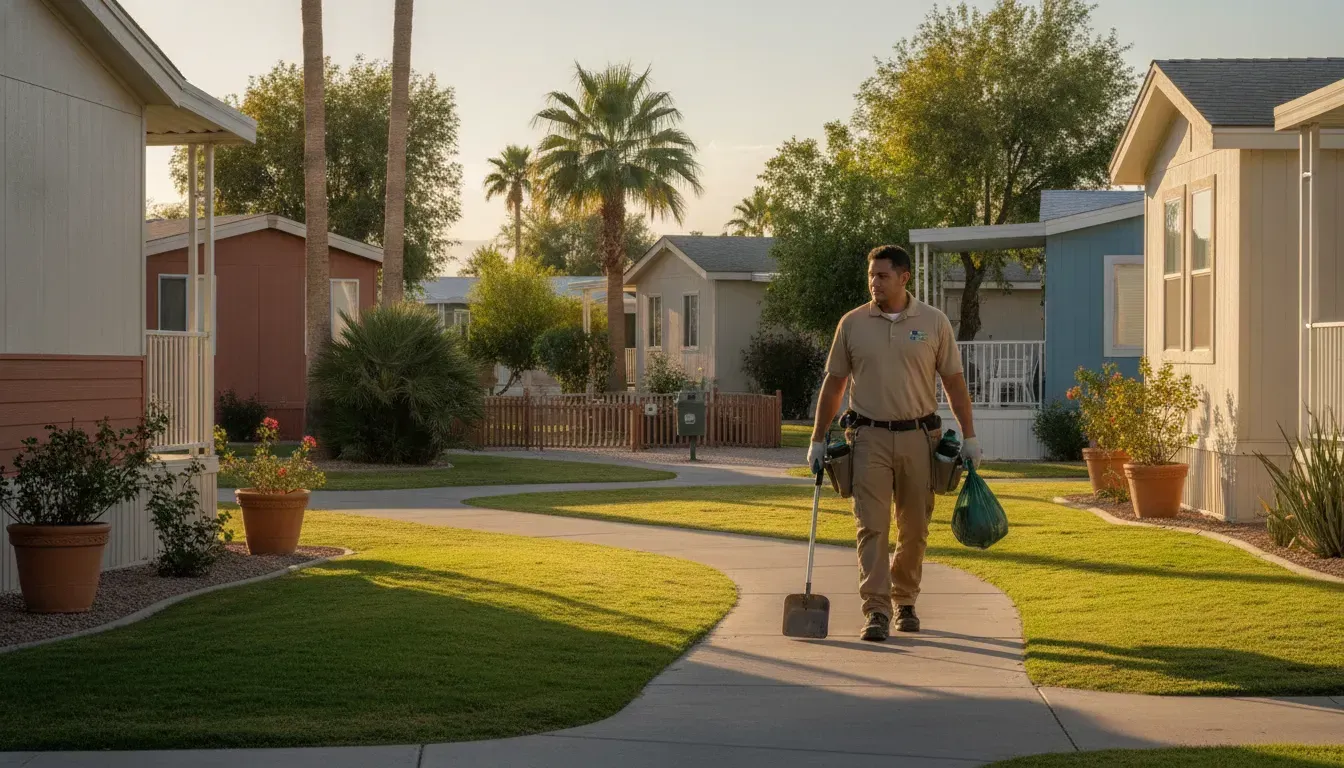
For landlords and property managers, a clean property is a profitable one. Unscooped dog waste doesn't just look bad; it actively harms your investment. The high nitrogen content in dog poop burns grass, leaving behind ugly yellow spots that can be expensive to repair. Beyond aesthetics, pet waste is a health hazard that attracts pests like rats and flies and can spread harmful bacteria and parasites. Hiring a professional service removes these headaches. Instead of spending your time policing tenants or cleaning up messes yourself, you can trust that the job will be done consistently and correctly. This maintains your property’s curb appeal and protects your landscaping. Think of it as an essential maintenance task, just like landscaping or pest control, that protects your asset and frees you up to focus on other management duties. Our commercial property services are designed to handle this for you.
How It Benefits Your Tenants
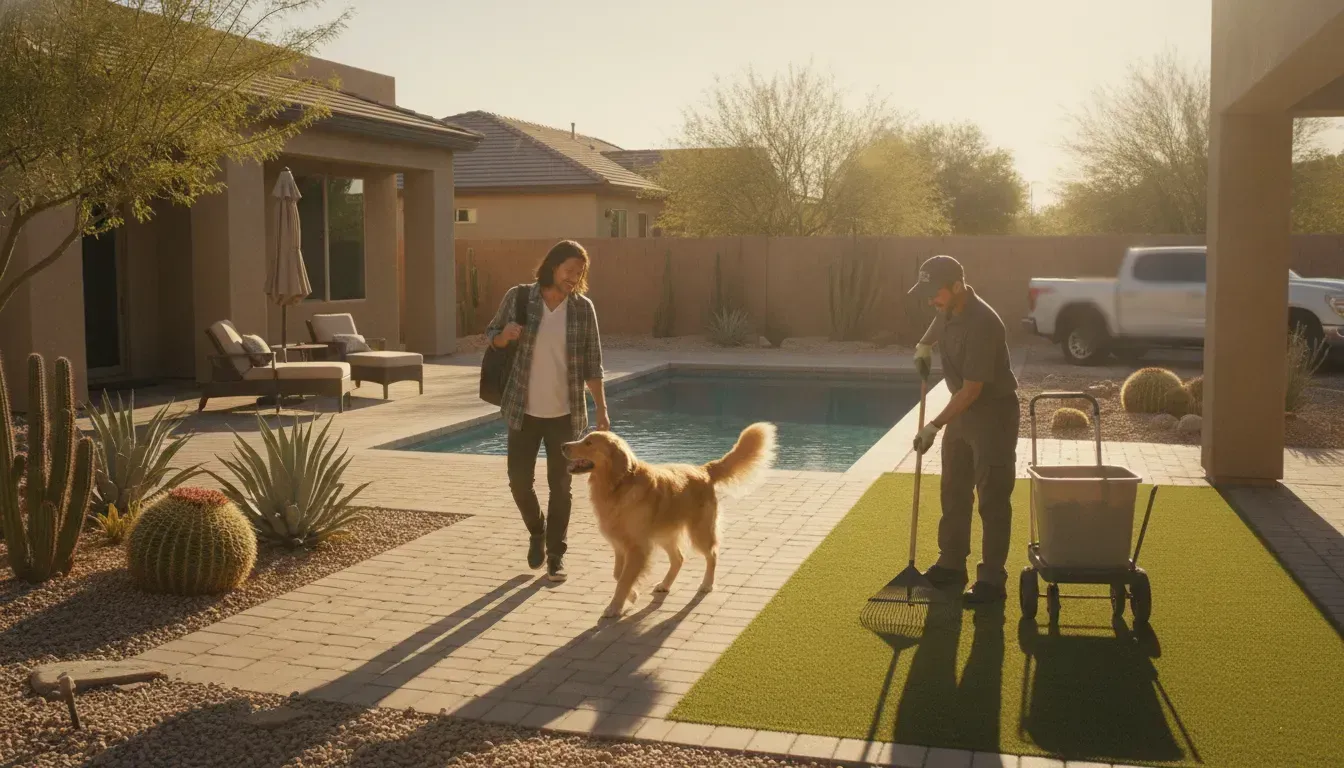
A professional scooping service isn't just a benefit for you; it's a valuable amenity for your tenants. When common areas and yards are consistently clean, residents can actually use and enjoy them. Families with children can let their kids play outside without worrying about them stepping in a mess. It transforms a simple patch of grass into a genuine extension of their living space. This service also reduces a major source of friction in pet-friendly communities. It eliminates neighborly disputes over whose dog made which mess and prevents awkward conversations between you and your tenants. For pet owners, it’s a huge convenience. Offering this service shows you understand their needs and are invested in creating a pleasant, stress-free living environment for everyone.
How A1 Pet Waste Maintenance Supports Rental Properties
At A1 Pet Waste Maintenance, we partner with property managers to create clean and welcoming communities. We understand that every property is different, which is why we offer customized services for single-family homes, apartment complexes, and HOAs. Our uniformed technicians provide reliable, scheduled cleanups, so you can set it and forget it. We document our visits, giving you peace of mind that the job is getting done right. We do more than just scoop poop. Many properties in our service areas have turf, which requires special care. We offer professional artificial grass cleaning and maintenance to disinfect and deodorize surfaces, keeping them fresh and sanitary for residents and their pets. By handling the dirty work, we help you enforce your pet policies, improve tenant satisfaction, and maintain the value of your property.
Related Articles
- Commercial Property Pet Waste Cleanup | Las Vegas, NV
- Pooper Scooper FAQs | A1 Pet Waste Maintenance | NV
- Pet Waste Maintenance | A1 Pet Waste Maintenance | NV
- Artificial Grass Cleaning & Maintenance | Las Vegas, NV
Frequently Asked Questions
Can I legally charge my tenants a fee for not picking up after their dog?
Yes, you absolutely can, but there's a key step you must take first. The fee and the specific violation must be clearly written into the lease agreement or a pet addendum that the tenant has signed. You can't decide to charge a fee out of the blue. By defining the fee, for example, $20 per incident, in the lease, you create a legally binding agreement that gives you the authority to collect it when a rule is broken.
My current lease doesn't have a pet waste policy. What can I do now?
If you're working with an existing lease that lacks a pet policy, you unfortunately have to wait until it's time for renewal. You can't legally change the terms of a lease mid-term without the tenant's agreement. When the renewal period comes up, you can introduce a new lease or a pet addendum with all your specific rules, timelines, and consequences. This is the perfect time to get everything in writing for the next lease term.
What's the most effective way to get tenants to actually follow the rules?
The best strategy is a combination of clear communication and making it easy to comply. Start by discussing the policy during the lease signing so there are no surprises. Then, install pet waste stations with bags and trash cans in convenient locations. This removes common excuses. Consistent, friendly reminders and visible signage also help reinforce the rules without you having to play police. When tenants see you're invested in providing the tools for success, they're more likely to partner with you to keep the property clean.
A tenant claims it wasn't their dog. How do I handle that?
This is where documentation becomes essential. Before you approach a tenant or issue a fine, you need solid proof. If you witness a violation, note the date, time, and location. If possible and safe, take a time-stamped photo or video that clearly shows the pet and the waste being left behind. Without this evidence, it becomes a "he said, she said" situation that's impossible to enforce fairly. Having clear proof allows you to address the issue with confidence and uphold your policy consistently.
Is hiring a professional service really better than just enforcing fines?
While fines can motivate some tenants, they require you to constantly monitor the property and deal with conflicts. A professional service shifts the focus from punishment to prevention. It guarantees a clean property, which protects your landscaping and reduces health risks. For tenants, it becomes a valuable amenity that eliminates a chore and prevents neighborly disputes. This approach saves you time, reduces your stress, and ultimately makes your property a more desirable place to live.