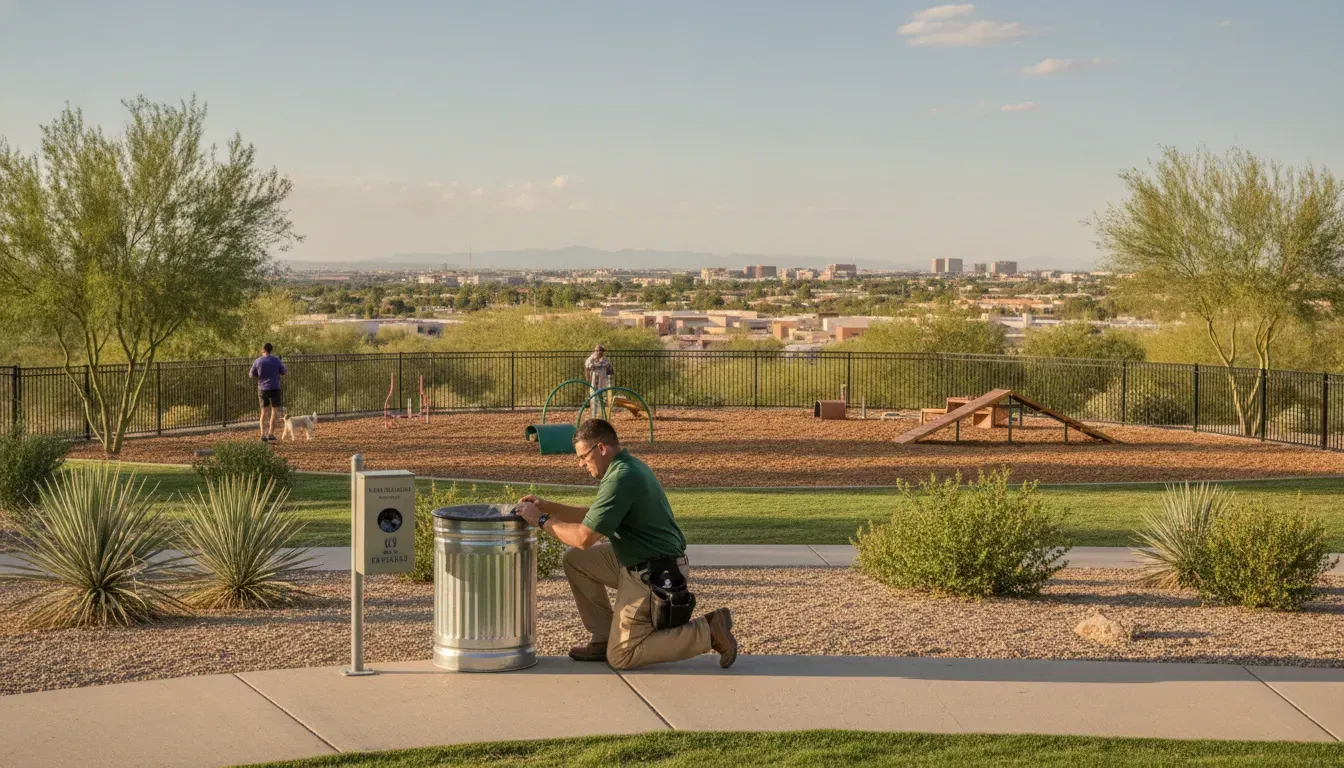
Your Guide to Artificial Turf Cleaning for Dog Parks
This is a subtitle for your new post

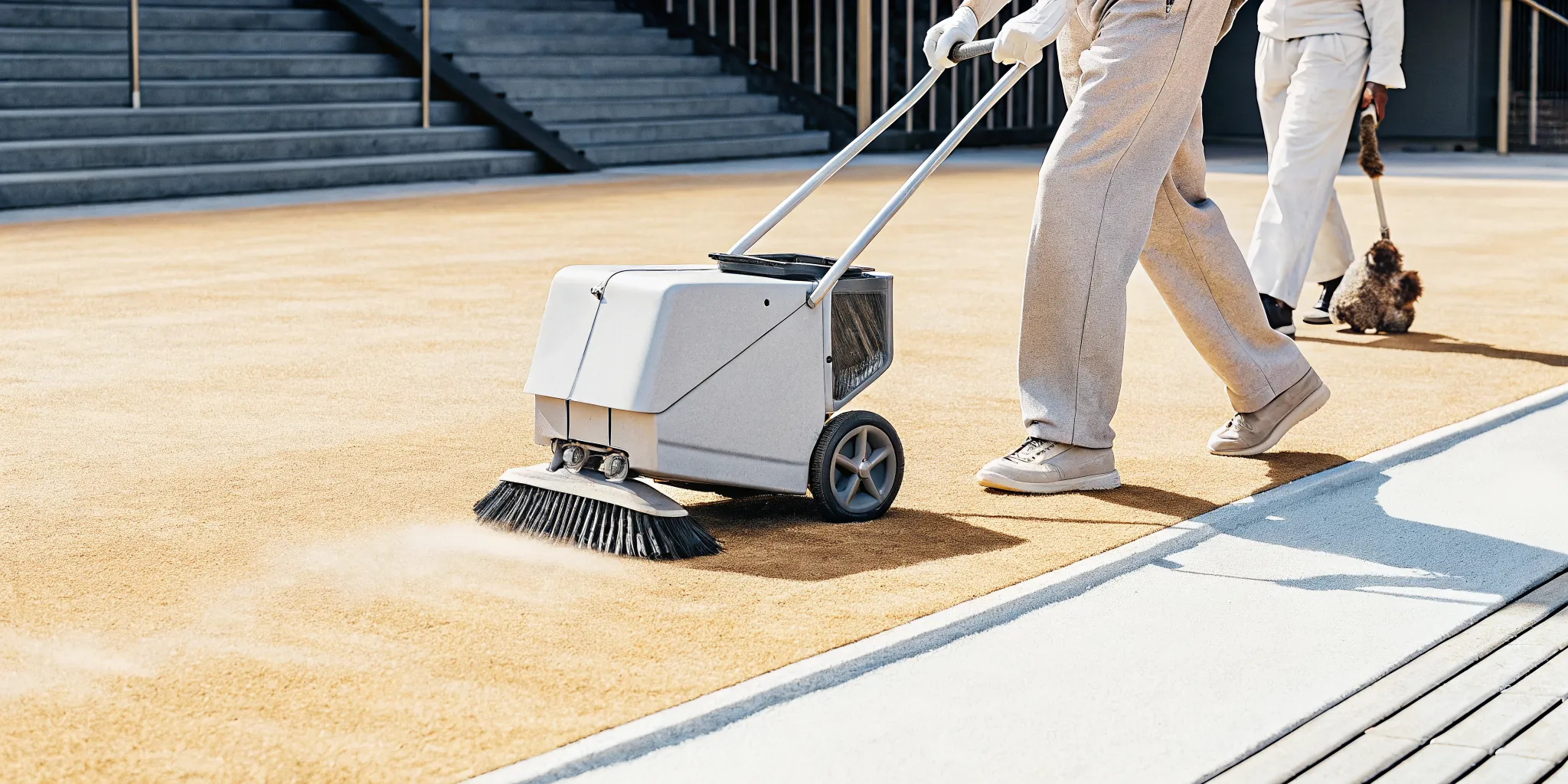 You see the mess, you grab the hose, and you give the dog park turf a good rinse. Problem solved, right? Not quite. While rinsing the surface can provide temporary relief, it doesn't address the root cause of odors and bacteria. Dog urine seeps past the green blades and settles deep into the infill below, creating a concentrated source of ammonia that water alone can't neutralize. This is why that unpleasant smell always seems to come back, especially on hot days. Effective artificial turf cleaning for dog parks requires more than just water. It demands the right techniques and solutions to sanitize the turf system from the bottom up, which is where professional services make all the difference.
Key Takeaways
- Go beyond surface cleaning: The real source of odors and health risks is the infill underneath the turf blades, where bacteria from pet waste accumulates. A simple rinse with a hose will not solve deep-seated issues like persistent smells or sanitation concerns.
- Build a consistent cleaning routine: Your maintenance plan should include daily solid waste removal, weekly rinsing with pet-safe enzyme cleaners, and regular brushing to keep turf fibers upright. This proactive approach is the best way to prevent major issues from developing.
- Know when to call a professional: While DIY methods are great for upkeep, persistent odors, matted turf, or poor drainage are clear signs you need an expert. A professional service can fully sanitize the turf and infill, protecting your investment and community health.
Is Cleaning Artificial Turf in a Dog Park Really Necessary?
The short answer is yes, absolutely. It’s easy to see the appeal of artificial turf for a dog park: it’s durable, stays green year-round, and eliminates muddy paws. But thinking you can skip regular cleanings is one of the biggest and most common mistakes property managers and homeowners make. While turf is lower maintenance than natural grass, it is not a no-maintenance solution, especially in a space used by dozens of dogs every day.
Proper maintenance goes far beyond just picking up solid waste or giving the area a quick rinse with a hose. It’s about actively managing the health and safety of the pets and people who enjoy the park. Neglecting this duty leads to persistent, foul odors that can make the space unusable and drive visitors away. More importantly, it creates a breeding ground for harmful bacteria that can make pets and humans sick. A consistent, thorough cleaning routine is the only way to protect your community, eliminate odors, and preserve the significant investment you’ve made in your turf. A clean park is a popular park, and keeping it that way shows you care about your residents and their furry family members.
What Dog Waste Does to Your Turf
Even if you’re diligent about picking up solid waste, urine and trace amounts of feces inevitably get left behind. This residue seeps down through the turf blades and settles into the infill and backing material. Over time, this creates a concentrated source of ammonia and bacteria that is difficult to remove. The result is a persistent, unpleasant odor that a simple hosing-down won't fix. This buildup can also lead to discoloration and even break down the turf materials, shortening its lifespan. A professional artificial grass cleaning service is essential for tackling this deep-seated waste.