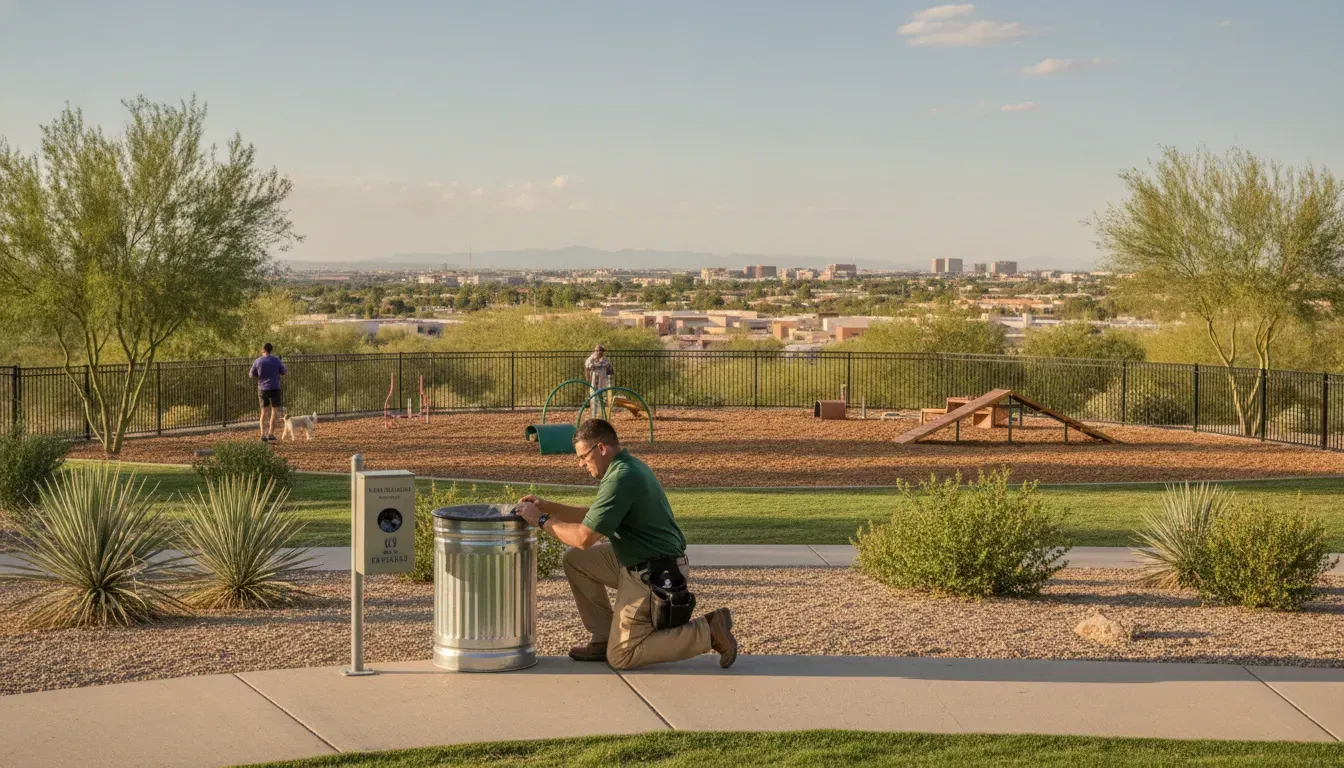
How to Choose the Right Dog Park Cleaner
This is a subtitle for your new post

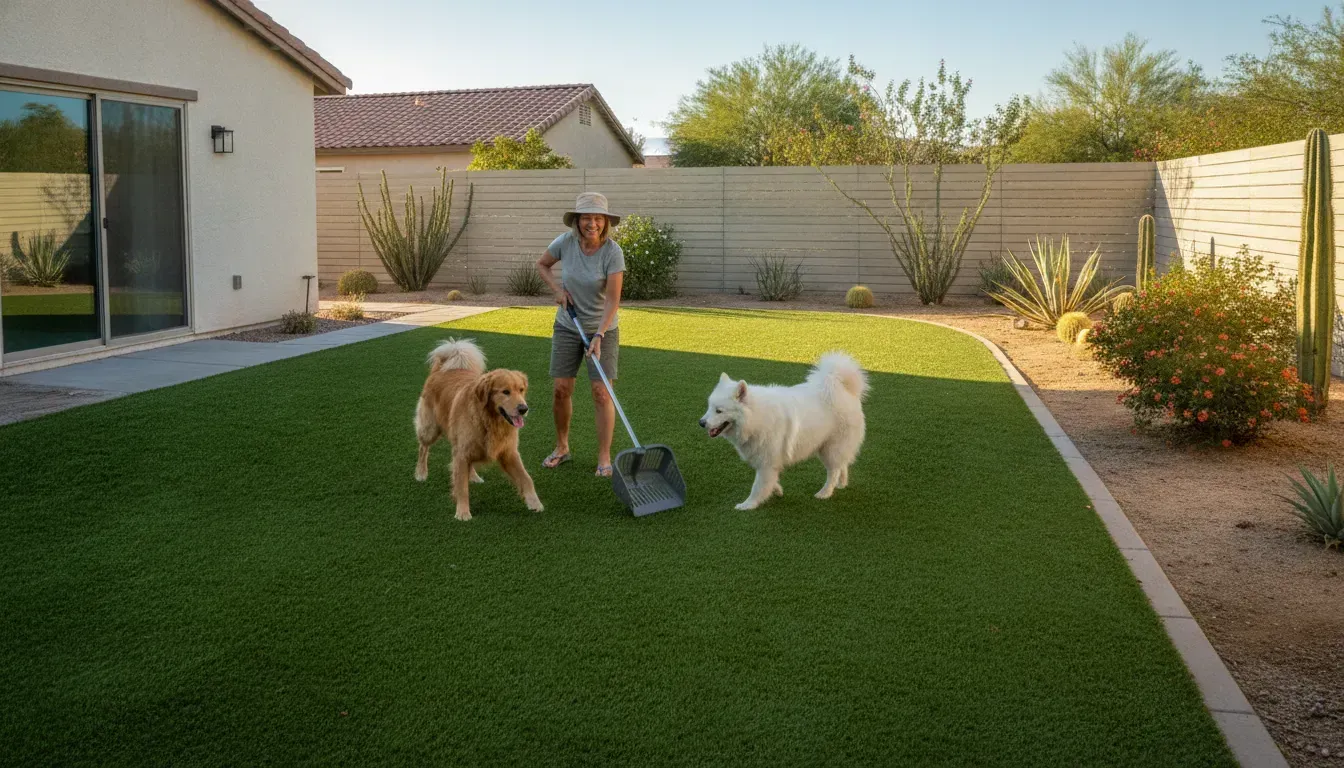
It’s a common belief that if a dog park looks tidy, it must be safe. Unfortunately, this is a dangerous myth. The most significant health risks in a park are often invisible. Harmful germs like E. coli and Salmonella from pet waste can survive on surfaces for weeks, while parasites can linger in the soil long after visible messes are gone. Simply picking up waste and hosing down a patio doesn’t address these hidden threats. A professional dog park cleaner uses specialized, pet-safe disinfectants and enzyme solutions to eliminate pathogens and odors at their source, providing a level of hygiene that DIY efforts simply cannot match.
Key Takeaways
Key Takeaways
- Go beyond surface scooping: A park that appears clean can still harbor invisible germs from pet waste. A consistent cleaning schedule is necessary to address these hidden health risks and ensure the park is truly sanitary.
- Fight odors and germs separately: Use two different tools for a complete clean. Enzyme cleaners are essential for breaking down and eliminating the organic source of odors, while pet-safe disinfectants are needed to kill the germs and viruses that can make dogs sick.
- Invest in a professional maintenance plan: Daily tidying by park users is helpful, but it doesn't address deep-seated bacteria and odors. A professional service creates a custom plan to properly sanitize all surfaces, including artificial turf, protecting the health of pets and the longevity of the park.
Why a Clean Dog Park Matters
A trip to the dog park should be a highlight of your pet's day, a place for fun, exercise, and socialization. But the difference between a great park and a mediocre one often comes down to cleanliness. A clean dog park is about more than just appearances; it's a cornerstone of health for our pets, the local environment, and the community itself. When waste and bacteria are left unchecked, that fun-filled space can quickly become a source of stress and potential illness. Understanding the real impact of park hygiene helps us all see why consistent, thorough cleaning is so important.
Protect Your Pet from Hidden Health Risks
You might think a park that looks clean is safe, but invisible dangers can lurk on surfaces. Dog waste can carry harmful germs like E. coli and Salmonella, which are easily spread and can survive for a long time. A park might look tidy, but dangerous germs can still be present in areas with poor drainage, on worn-out turf, or in dirty water bowls. Regular, effective cleaning is essential to protect pets from these health hazards. Simply picking up visible waste isn't enough. True safety comes from sanitizing surfaces and ensuring the entire environment is free from the pathogens that can make our dogs sick.
How Pet Waste Harms the Local Environment
Dog waste isn't just an eyesore; it poses a real threat to the local environment. Unlike waste from wildlife, dog feces are full of bacteria and parasites that don't belong in the ecosystem. When it rains, these contaminants wash into storm drains and can pollute our local waterways. Pathogens from dog waste can remain active on surfaces and in the soil for days or even months if not properly treated. The regular removal of dog waste is crucial for preventing the spread of these harmful organisms and protecting the health of our shared natural spaces. It's a simple action that has a big impact on environmental safety.
Keep Your Community Park Thriving
A clean dog park is a happy dog park, and that positive atmosphere extends to the entire community. When a park is well-maintained, it encourages responsible pet ownership and makes the space more welcoming for everyone. A clean environment also directly impacts your wallet by reducing the risk of disease transmission that could lead to expensive vet bills. More importantly, it creates a safer play area, preventing injuries and promoting positive interactions between dogs. Investing in professional commercial property maintenance for your community's dog park ensures it remains a thriving, safe, and enjoyable asset for all residents and their furry friends.
The Biggest Challenges in Keeping a Dog Park Clean
A thriving dog park is a beautiful thing, but it doesn't stay clean and safe on its own. Behind every great park is a solid maintenance plan that tackles the constant challenges that come with mixing pets, people, and the great outdoors. From overflowing trash cans to muddy puddles, these issues can quickly turn a community asset into a neighborhood nuisance. Understanding these hurdles is the first step toward creating a park that everyone, on two legs or four, can enjoy.
Managing Waste in High-Traffic Areas
The most obvious challenge is also the most persistent: pet waste. High-traffic zones like entrances, water stations, and popular shady spots see a constant accumulation of waste. According to park management experts, these areas require daily attention to prevent the spread of harmful parasites and bacteria like Giardia and E. coli. A single missed pile of poop isn't just an unpleasant surprise for an unsuspecting shoe; it's a potential health hazard for other pets and people. Keeping up with the demand requires a consistent strategy, as even one busy afternoon can overwhelm waste bins and leave a park looking and smelling neglected. This is why professional maintenance is so critical for busy commercial and community properties.
Dealing with Poor Drainage and Contaminants
Water, whether from rain, sprinklers, or spilled water bowls, can create significant problems when it doesn't drain properly. When water mixes with dirt and urine, it creates smelly, unsanitary puddles that become breeding grounds for germs and mosquitoes. Park experts recommend that drainage systems be checked regularly to ensure water doesn't stand for more than a few hours. On artificial grass, poor drainage is especially problematic, as urine can get trapped in the backing and lead to powerful, hard-to-remove odors. Without proper flushing and the use of the right cleaning solutions, the surface can become a source of contamination. Addressing these issues often requires specialized cleaning for artificial turf to keep it sanitary and fresh.
Encouraging Owners to Clean Up
While most dog owners are responsible, relying on everyone to follow the rules 100% of the time is a risky strategy. The "someone else will get it" mentality can take hold, especially in a large, busy park. The key to overcoming this is to make it as easy as possible for people to do the right thing. This means installing plenty of clearly marked waste stations with readily available bags and covered trash cans. When owners have to search for a bag or walk a long way to a bin, compliance drops. Fostering a community culture of cleanliness through clear signage and peer-to-peer accountability also plays a huge role in upholding good dog park etiquette.
Preventing Surface Wear and Tear
Dogs play hard, and the ground beneath their paws takes a beating. On natural grass, constant running and digging can create bare patches, while dog urine leads to brown, dead spots. Overgrown grass can make it difficult to spot and pick up waste, compounding cleaning issues. Artificial turf is durable, but it's not indestructible. Heavy traffic can cause the fibers to mat down, and digging can damage the turf's backing. These worn-out areas are not only unsightly but can also become safety hazards, creating uneven surfaces and muddy holes. A plan for regular maintenance, like reseeding grass or professionally grooming turf, is essential to protect the park's surface and longevity.
What to Look for in a Dog Park Cleaner
Keeping a dog park clean, safe, and inviting requires more than just a hose and a bottle of soap. The products you use matter immensely, not just for appearance but for the health of the pets and people who enjoy the space. Choosing the right cleaner means looking past marketing claims and focusing on what's inside the bottle. A great cleaner needs to be safe for paws and noses, powerful enough to eliminate odors instead of just covering them up, and versatile enough for the park's different surfaces.
Whether you're a property manager for a large apartment complex or a dedicated member of your local community, understanding these key factors will help you maintain a space that everyone can enjoy. Let's break down exactly what you should look for when selecting a cleaning solution for your dog park.
Choose Pet-Safe, Non-Toxic Formulas
The most important rule of dog park cleaning is to protect the animals. Dogs explore the world with their mouths and noses, and they often lick their paws after a good run. Any cleaning product used in their space will inevitably come into contact with them. That's why you must select pet-safe, non-toxic formulas. Harsh chemicals found in standard industrial cleaners can cause skin irritation, allergic reactions, or more serious health issues if ingested.
Always read the label and look for products specifically designed for use around animals. In high-traffic areas, especially those with artificial turf, a professional deep cleaning is essential to address the buildup in the infill. For parks that see dozens of dogs daily, a monthly professional service ensures that the cleaning is both thorough and completely safe for every visitor.
Find a True Odor Eliminator
There's a big difference between masking an odor and actually eliminating it. Many cleaners simply cover up unpleasant smells with strong fragrances, which provides only temporary relief and can be irritating to sensitive noses (both human and canine). To truly solve the problem, you need a cleaner that breaks down the source of the smell.
Look for products that use enzymes to combat odors. These special liquids contain beneficial bacteria that produce enzymes to break down the organic matter in pet waste and urine. Instead of leaving a flowery scent on top of a bad smell, enzyme cleaners digest the odor-causing compounds, leaving the area genuinely fresh and clean. This approach is far more effective and creates a more pleasant environment for everyone.
Ensure It Works on All Surfaces
Dog parks are rarely uniform. They often feature a mix of surfaces, including natural grass, dirt, concrete paths, and increasingly, artificial turf. Each surface presents its own cleaning challenges. A good cleaning solution should be effective and safe across all of them without causing damage. For example, a product that works well on concrete might harm natural grass or degrade the materials in a synthetic lawn.
Artificial turf, in particular, requires specific care. It needs regular "grooming" to redistribute the infill and remove trapped waste. Without proper artificial grass cleaning and maintenance, turf can quickly develop stubborn odors and become a breeding ground for bacteria. The ideal cleaner will tackle germs and smells on every surface your park has to offer.
Prioritize Ease of Use
Even the best cleaner won't be effective if it's too complicated to use. A straightforward cleaning process encourages consistency, which is key to maintaining a sanitary dog park. For property managers or community volunteers, an efficient routine makes the job much more manageable. An effective process generally involves a few simple steps: removing solid waste and debris, applying a pet-friendly cleaner to sanitize the area, and using a specialized solution to neutralize any remaining odors.
If your team finds the process too time-consuming or physically demanding, it might be time to consider professional help. Hiring a dedicated service simplifies everything. Experts arrive with the right tools and products to get the job done quickly and correctly, freeing you to focus on other priorities. You can explore various professional services to find a plan that fits your park's needs.
Debunking Common Dog Park Cleaning Myths
When it comes to keeping dog parks clean, a lot of misinformation gets passed around. Let's clear the air and tackle some of the most common myths so you can be sure your park is truly safe and welcoming for every pup and person. These misconceptions can lead to unsanitary conditions, so understanding the truth is the first step toward effective maintenance.
Myth: If It Looks Clean, It Is Clean
It's easy to fall for this one. You do a quick scan, see no visible waste, and think the job is done. But looks can be seriously deceiving. A park that appears spotless can still be a breeding ground for invisible threats. Harmful germs and parasites often lurk in areas with poor drainage, on worn-out surfaces, or even in a communal water bowl that hasn't been sanitized. True cleanliness goes deeper than a surface-level glance; it requires addressing the hidden bacteria and pathogens that can put pets at risk.
Myth: Household Cleaners Are Safe for Parks
Grabbing a bottle of bleach or your go-to kitchen cleaner might seem like a quick fix, but it's a risky move. Many household cleaners contain chemicals that are toxic to dogs if ingested or if they come into contact with their paws. Plus, these products aren't designed to break down the specific organic matter and pathogens found in pet waste. The CDC notes that dog feces can carry germs like Giardia and Salmonella, which require specialized cleaning solutions to be properly eliminated. Always opt for products specifically formulated for pet environments to ensure safety and effectiveness.
Myth: A Weekly Clean Is Enough
If only it were that simple! While a weekly deep clean is a great start, it's often not enough for a busy dog park. The ideal cleaning frequency depends entirely on how much foot (and paw) traffic the park gets. For high-use areas, daily spot-checks and waste removal are essential to prevent buildup. Research shows that properly maintained parks can see up to 80% fewer cases of parasite infections. A consistent cleaning schedule, rather than a once-a-week blitz, is the key to creating a genuinely healthy space for dogs to play.
Myth: New Turf Cleans Itself
Artificial turf is a fantastic, low-maintenance option for dog parks, but it's not a "set it and forget it" solution. While it offers great drainage, turf doesn't magically make pet waste disappear. Urine can seep through the blades and get trapped in the infill below, creating stubborn odors and a breeding ground for bacteria over time. Even the best turf requires routine maintenance to stay fresh and hygienic. Proper artificial grass cleaning involves rinsing, using a turf-safe enzyme cleaner, and occasionally brushing the fibers to keep it in top shape for playful pups.
Enzyme Cleaners vs. Disinfectants: What's the Difference?
Walking into a dog park, you want to be greeted by happy barks, not unpleasant smells. Keeping these spaces clean involves more than just scooping poop; it means choosing the right cleaning products. You'll often see "enzyme cleaners" and "disinfectants" mentioned, and while they might sound similar, they do very different jobs. Think of it this way: enzyme cleaners are for eliminating odors, while disinfectants are for killing germs.
An enzyme cleaner is your go-to for tackling the source of bad smells, breaking down the organic matter in pet waste. A disinfectant, on the other hand, is what you need to sanitize surfaces and kill harmful bacteria and viruses that can make pets and people sick. Understanding when and where to use each one is the key to maintaining a park that is not only fresh but also genuinely safe for everyone. For a truly comprehensive clean, you'll likely need a strategy that incorporates both.
How Do Enzyme Cleaners Work?
If you've ever used a cleaner that just seemed to cover up a bad smell with a strong fragrance, you know it's a temporary fix. Enzyme cleaners are different. They use beneficial bacteria that produce enzymes, which are basically tiny helpers that break down and digest organic waste like urine, feces, and saliva. Instead of masking an odor, they completely eliminate the molecules causing it.
This is why they are so effective for pet messes. The enzymes literally eat away at the source of the smell until it's gone. This process is perfect for porous surfaces like concrete or the backing of artificial grass, where odors can get trapped. It's a science-backed way to achieve a true, lasting clean without harsh chemicals.
When Should You Use a Disinfectant?
While enzyme cleaners are odor-fighting superstars, they don't sanitize. That's where disinfectants come in. A disinfectant's job is to kill microscopic pathogens, including bacteria, viruses, and other germs that can spread disease. According to the CDC, dog waste can contain harmful pathogens that linger on surfaces long after the waste is gone. In a high-traffic dog park, this creates a health risk for every pet that visits.
Using a disinfectant is a crucial step for deep cleaning and ensuring the health and safety of the community. It's especially important for shared spaces managed by commercial properties, like HOAs or apartment complexes, where many dogs play. Regular disinfection helps prevent the spread of illnesses like Parvo and kennel cough, making the park a safer place for our furry friends.
Read the Label: Ingredients to Look for and Avoid
When you're standing in the cleaning aisle, the number of options can be overwhelming. The most important thing you can do is flip the bottle over and read the label. Look for products that are explicitly marked as "pet-safe," "pet-friendly," or "non-toxic." Your goal is to find a formula that is tough on germs and odors but gentle enough for paws and noses.
Try to avoid harsh chemicals like bleach, ammonia, and certain phenols, which can be irritating or even toxic to pets. A quality cleaning product doesn't need to have a scary ingredient list to be effective. If you're unsure, a professional pet waste removal service will always use products that are proven to be both safe and effective, taking the guesswork out of the equation for you.
How to Clean an Artificial Grass Dog Park
Artificial grass is a fantastic, durable solution for dog parks, but it's not a set-it-and-forget-it surface. Unlike a natural lawn where soil and microbes help break down pet waste, turf requires a specific cleaning routine to stay fresh, hygienic, and odor-free. Without proper care, urine and bacteria can build up in the turf's layers, creating unpleasant smells and potential health risks for pets and their owners. A consistent cleaning plan not only keeps the park smelling clean but also protects your investment by extending the life of the turf.
Why Turf Requires Special Care
Even the most advanced artificial turf needs regular cleaning to stay healthy, especially in a high-traffic dog park. The structure of turf, with its backing and infill material, can trap urine, residue, and bacteria. Over time, this buildup creates stubborn ammonia odors that a simple rain shower can't wash away. This environment can become a breeding ground for germs that could affect the dogs playing there. A proper cleaning regimen goes beyond surface-level scooping; it involves treating the underlying layers to neutralize odors and sanitize the area, ensuring a safe and pleasant space for the whole community. For a truly deep clean, professional services can restore your turf's freshness.
Manage Drainage and Odors in Turf
The key to controlling odors in artificial turf lies in managing what happens below the surface. The infill, which is the granular material between the grass blades, is where urine often settles and causes odors. While regular rinsing helps flush some waste through the drainage system, it's not enough for a busy dog park. A professional deep cleaning is necessary to treat the infill directly. The frequency depends on usage; a small community park with a few dogs might only need quarterly service, while a large public park with dozens of daily visitors should schedule monthly cleanings to prevent odor buildup and keep the space sanitary.
Find Cleaning Products Safe for Turf
When cleaning artificial grass, it's crucial to use products that are both effective and safe for pets and the turf itself. Avoid harsh household chemicals like bleach, as they can damage the turf fibers and backing, and may be toxic to animals. Instead, look for enzyme-based cleaners specifically formulated for pet turf. These cleaners use beneficial bacteria to break down the organic compounds in urine and waste, eliminating the source of the odor instead of just masking it. Regular deep cleaning helps keep the turf in good shape and makes it last longer, preserving its look and feel.
How Often Should You Clean a Dog Park?
Keeping a dog park safe and inviting isn't a one-and-done job. It requires a consistent cleaning schedule that tackles different tasks on a daily, weekly, and monthly basis. The right frequency depends on how many pups use the park, but a structured routine is the best way to stay on top of waste, odors, and germs. A well-maintained park keeps dogs healthy and encourages community members to visit and take pride in the space. Here's a simple breakdown of what a cleaning schedule should look like.
Your Daily Cleaning Checklist
Think of this as your list of non-negotiables. These simple, daily tasks are the first line of defense against a dirty park. The most important job is poop patrol. In a moderately busy park, waste should be removed every four to six hours. For very popular parks, you'll want to check every two to three hours. Entrances are another hotspot for dirt and germs, so they should be swept or hosed down daily to prevent anything from being tracked in. Finally, keep an eye on the trash cans. Empty them when they are about 70-80% full to prevent overflow, which attracts pests and creates terrible smells.
Your Weekly Deep-Clean Routine
Once a week, it's time to go beyond the basics. This is your chance to address the germs and grime that build up over time. Wipe down all high-touch surfaces like gates, benches, and water fountain handles using a pet-safe cleaner. Check any drainage systems to make sure they're clear and not creating standing water, which is a breeding ground for mosquitoes and bacteria. Don't forget the fence lines, either. Walk the perimeter and clear away any trash, waste, or overgrown plants that have collected there. This weekly reset keeps the park feeling fresh and sanitary for everyone.
Plan for Monthly and Seasonal Tasks
While daily and weekly cleaning helps, some jobs require a more powerful approach. A thorough deep clean should happen at least every few months to sanitize surfaces and prevent long-term damage. For parks with artificial turf, this is especially critical. Over time, urine and bacteria seep into the turf and its infill, creating odors that surface cleaning can't fix. A park with heavy foot traffic may need a professional artificial grass cleaning service monthly to truly disinfect the area and protect the turf. This deeper cleaning is an investment in the park's longevity and the health of the pets who play there.
Encourage a Cleaner Park in Your Community
A professional cleaning service is essential for deep sanitation, but a truly clean dog park relies on daily effort from everyone who uses it. Fostering a sense of shared responsibility is the key to maintaining a space that's consistently pleasant and safe. When pet owners feel connected to their local park and see that it's cared for, they are far more likely to pitch in and help keep it clean. It's a positive feedback loop: a clean park encourages clean habits.
Encouraging this community-wide effort doesn't have to be complicated or feel like a chore. It often comes down to two simple things: making it easy for people to do the right thing and creating opportunities for them to get involved. By providing the right tools, clear communication, and a positive atmosphere, you can inspire a culture of cleanliness that benefits every person and pup who visits. This approach transforms park-goers from passive users into active stewards of the space, creating a stronger, more engaged community in the process. The goal is to make picking up after one's pet the clear and easy norm, not the exception.
Install Clear Signage and Waste Stations
The easiest way to encourage people to clean up is to make the process incredibly simple. Start with clear, friendly signage that reminds owners of the park rules and the importance of picking up after their pets. A positive, direct message is always more effective than a long list of stern warnings.
Next, ensure waste stations are abundant, visible, and well-maintained. A station is useless if it's overflowing or out of bags. For property managers, maintaining these stations is just as important as installing them. Regularly stocking bags and emptying receptacles prevents small issues from becoming big, smelly problems and shows your community that you are committed to cleanliness.
Organize Community Clean-Up Days
Community clean-up days are a fantastic way to build a sense of ownership and pride among park-goers. These events bring pet owners together for a common cause: creating a safer, more enjoyable environment for their dogs. A well-maintained park reduces the risk of disease transmission and helps prevent injuries, so everyone benefits from the group effort.
You can make it a fun social event with coffee, snacks, or even a raffle for pet-related prizes. When people feel like they are part of a team, they become more invested in the park's long-term health. For larger parks or more significant cleaning needs, you can always supplement volunteer efforts with professional services to handle the heavy-duty tasks.
DIY vs. Professional Dog Park Cleaning
Keeping a dog park clean is a big job, and you might be weighing whether to handle it yourself or bring in a professional. While a DIY approach can manage daily tidying, it often falls short of what's needed for a truly clean and safe environment. Professional services offer a level of deep cleaning and maintenance that tackles the hidden grime and health risks that surface cleaning just can't reach. Let's break down the differences so you can make the best choice for your community park.
Know the Limits of DIY
Just picking up dog poop isn't enough to keep a park sanitary. Even with diligent scooping, you're only addressing the most obvious problem. Urine, bacteria, and other contaminants soak deep into the ground, especially in areas with artificial turf. The base layer of turf, called the infill, can trap odors and germs that regular cleaning can't touch. Over time, this buildup creates persistent smells and potential health hazards for both pets and people. A professional artificial grass cleaning is often necessary to get rid of these hidden issues and restore the turf to a safe, fresh state. Without the right equipment and products, DIY efforts can feel like a losing battle against deep-seated grime.
What a Professional Service Includes
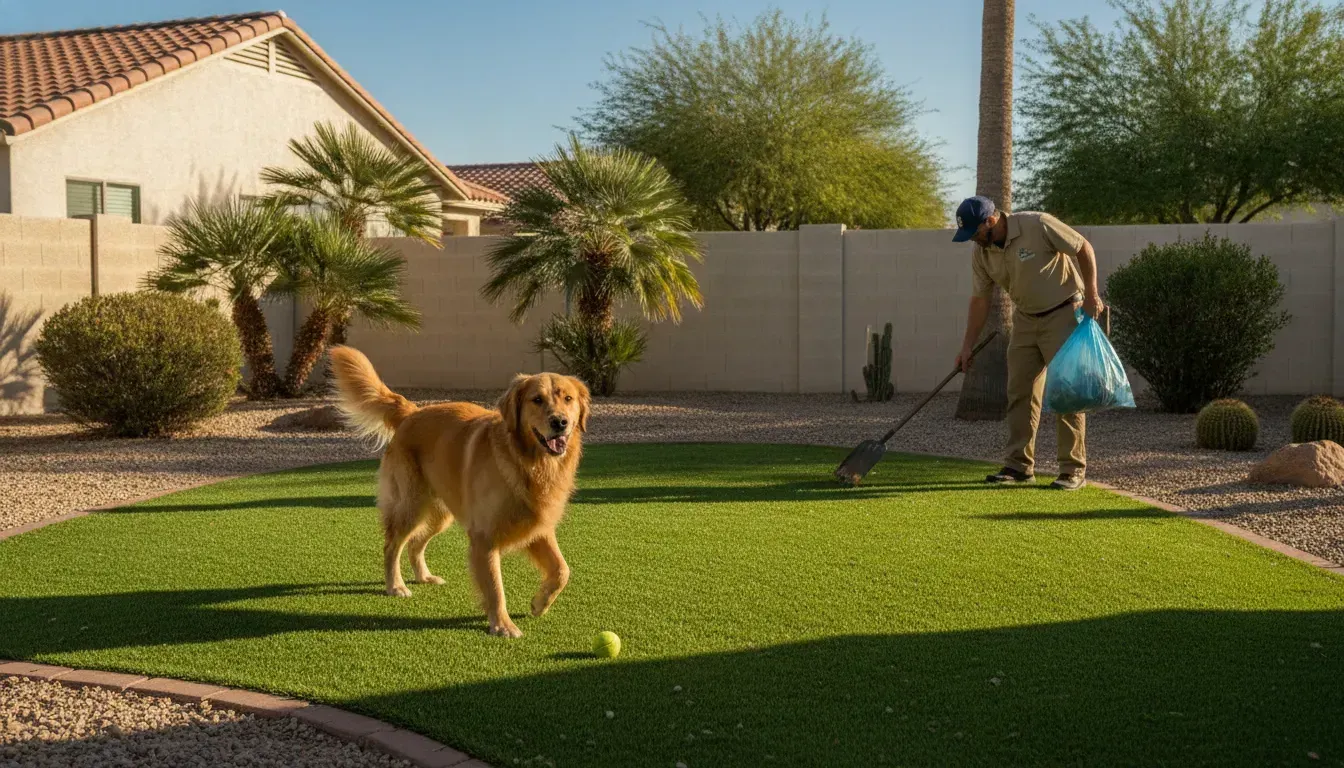
When you hire a professional, you're getting more than just waste removal. A thorough service involves a multi-step process designed to clean, sanitize, and deodorize every inch of the park. Experts start by inspecting the area and removing all surface waste and debris. Then, they use specialized, pet-safe cleaners to kill germs and powerful enzyme solutions to break down odor-causing bacteria at the source. For turf parks, this often includes grooming the blades and checking the infill levels. This comprehensive approach ensures your commercial property remains a clean, welcoming, and safe space for the entire community to enjoy.
Get a Custom Maintenance Plan
Every dog park is different, and a one-size-fits-all cleaning schedule rarely works. The best professional cleaners understand this and will work with you to create a custom maintenance plan. The right schedule depends on factors like the size of the park, the type of surface, and, most importantly, how many dogs use it each day. A park with heavy foot (and paw) traffic will need more frequent deep cleaning than a smaller, less-used space. A tailored plan ensures your park gets the attention it needs, right when it needs it, making it a smart and efficient investment in the health and happiness of your community's pets.
Professional Dog Park Cleaning in Southern Nevada & Tucson
If you manage a dog park for an HOA, apartment complex, or municipality in Las Vegas or Tucson, you know the desert sun doesn't just bake the ground; it can intensify odors and health risks. Keeping a park safe is a major responsibility. According to the CDC, harmful pathogens from dog waste can linger on surfaces for months if not properly treated, turning a community asset into a liability. This makes professional cleaning less of a preference and more of a necessity to protect pets, visitors, and your property. A dedicated commercial property service understands these stakes and can provide the deep cleaning required.
Finding a reliable local expert makes all the difference. A1 Pet Waste Maintenance has been a trusted name in Southern Nevada since 1998, working with clients like the City of Las Vegas, Henderson, and numerous property management companies. This long-standing experience means they understand the specific challenges of our region. They can also create a maintenance schedule that fits your park's needs. A busy municipal park might require monthly deep cleaning, while a smaller community space could thrive with quarterly service. Their range of services can be customized to ensure you get the right level of care.
Many parks in our area use artificial turf to conserve water, but this surface comes with its own cleaning challenges. Without proper care, turf can trap urine and bacteria, leading to stubborn odors that worsen in the heat. Using the wrong products can damage the turf blades or leave behind harmful residues. A professional service specializing in artificial grass cleaning & maintenance uses the right techniques and pet-safe solutions to sanitize the turf, eliminate odors at the source, and protect your investment for years to come.
Related Articles
- Artificial Grass Cleaning & Maintenance | Las Vegas, NV
- Commercial Property Pet Waste Cleanup | Las Vegas, NV
- Pooper Scooper FAQs | A1 Pet Waste Maintenance | NV
- Pet Waste Maintenance | A1 Pet Waste Maintenance | NV
Frequently Asked Questions
My park has artificial turf. Isn't it supposed to be maintenance-free?
That's a common misconception. While artificial turf is durable and water-wise, it's not a "set it and forget it" surface, especially with pets. Urine can seep through the turf blades and get trapped in the infill below, creating a breeding ground for bacteria and stubborn odors that a simple rinse won't fix. Proper care involves using specialized, pet-safe cleaners and occasionally grooming the turf to keep it sanitary and fresh for every dog that visits.
We encourage owners to pick up waste. Isn't that enough to keep the park sanitary?
Having responsible owners is a huge part of the equation, but it's only the first step. Visible waste is just one piece of the puzzle. Invisible germs from urine, saliva, and even trace fecal matter can linger on surfaces and in the soil, posing health risks. True sanitation requires deep cleaning with products that kill pathogens like Salmonella and Giardia, ensuring the park is safe on a microscopic level, not just a visual one.
What's the real difference between an enzyme cleaner and a standard disinfectant?
Think of it this way: enzyme cleaners are for odors, and disinfectants are for germs. An enzyme cleaner uses beneficial bacteria to break down and "eat" the organic molecules that cause bad smells, like those in urine. A disinfectant, however, is what actually kills harmful pathogens like viruses and bacteria. For a park to be both fresh and truly safe, you need a cleaning strategy that uses both.
How often should our community's dog park be professionally cleaned?
There isn't a single answer, as the right schedule depends entirely on traffic. A small, private park used by a few dogs might only need a professional deep clean quarterly. However, a large, popular public park that sees dozens of dogs every day should consider a monthly service. This frequency prevents the deep-seated buildup of odors and bacteria, protecting the health of the pets and the longevity of the park's surfaces.
Can't I just use a strong household cleaner like bleach to save money?
Please don't. While it might seem like a powerful and cheap solution, using harsh chemicals like bleach or ammonia is dangerous in a pet environment. These products can cause skin irritation, paw burns, and serious illness if a dog licks or ingests them. A professional service uses specially formulated, pet-safe products that are designed to be tough on germs but completely gentle on paws, noses, and the environment.