How to Get Rid of Dog Urine Smell in Yard for Good
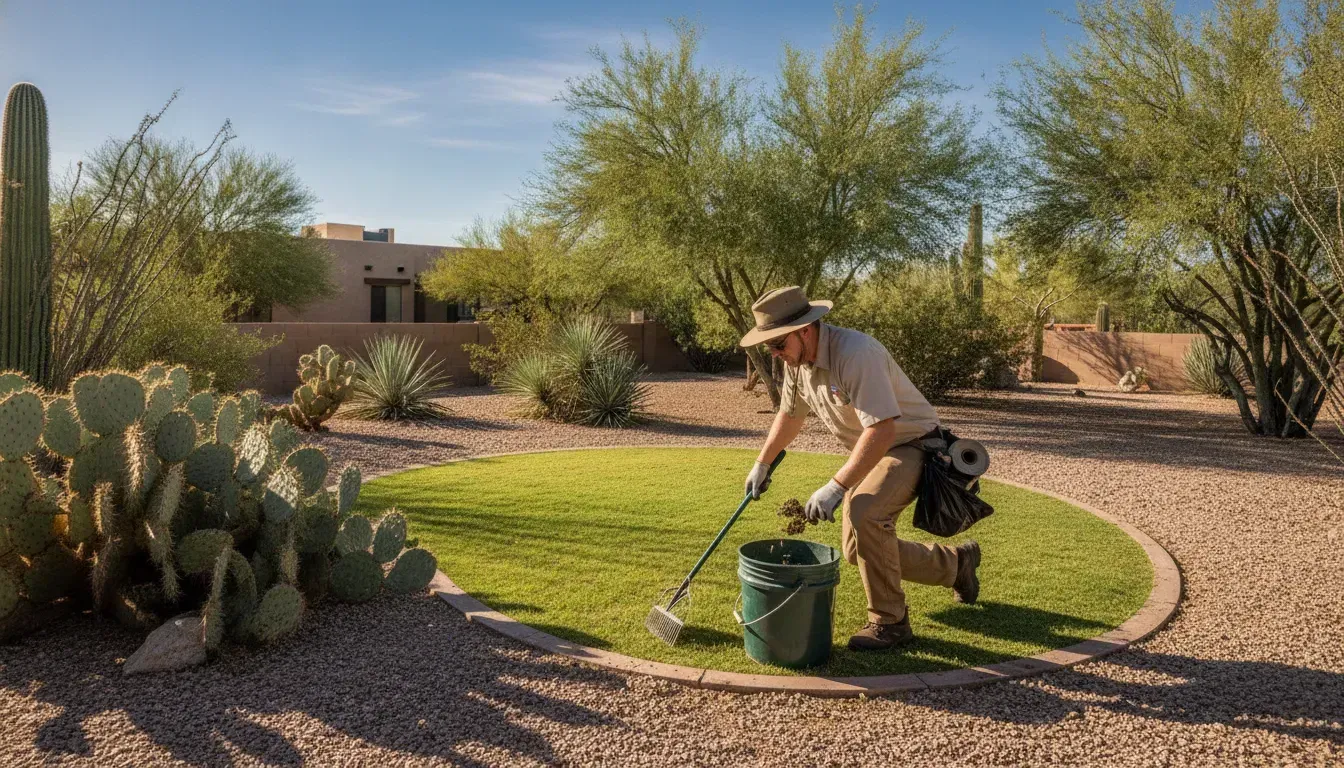
That persistent dog pee smell in your yard isn’t your imagination, and it’s not just dirt. The real culprit is chemistry. Dog urine contains uric acid, which forms stubborn, non-water-soluble crystals as it dries. These crystals embed themselves into surfaces like concrete, soil, and even artificial turf. When you spray the area with a hose, you’re only washing away the liquid components, leaving the odor-causing crystals behind. The moment they get wet again from humidity or your sprinklers, they reactivate and release that pungent smell. Understanding this science is the first step in learning how to get rid of dog urine smell in yard for good, because it’s not about masking the scent, but destroying its source.
Key Takeaways
- Understand the Real Culprit: That stubborn urine smell comes from uric acid crystals that water alone can't wash away. To get rid of the odor for good, you must use a product that specifically breaks down these crystals.
- Choose an Enzymatic Cleaner: Skip the temporary fixes like vinegar and use an enzymatic cleaner instead. These formulas contain beneficial bacteria that digest the uric acid, which permanently eliminates the smell rather than just masking it.
- Create a Proactive Prevention Plan: Keep your yard fresh by rinsing your dog's favorite spots every few days, training them to use a designated potty area, and making sure your yard has good drainage to prevent urine from pooling.
Why Your Yard Smells Like Dog Urine
You love your dog, but you don’t have to love what their bathroom breaks do to your yard. If you’ve ever been hit with that unmistakable ammonia scent, you know how frustrating it is. You might hose the area down, but the smell just keeps coming back, especially on hot days. It’s not your imagination. The problem is a combination of chemistry and the very ground under your feet. Understanding what’s causing that persistent dog urine smell is the first step to getting rid of it for good.
The Science Behind the Smell
So, why does dog pee smell so strong and stick around for so long? It comes down to chemistry. Dog urine contains uric acid, which isn't water-soluble. As the urine dries, this acid forms sharp, stubborn crystals that embed themselves deep into porous surfaces. When you just spray the area with a hose, the water washes away the liquid components but leaves the uric acid crystals behind. Then, when the area gets damp from humidity, rain, or your sprinklers, or when it heats up in the sun, these crystals "reactivate" and release that pungent ammonia smell all over again. This is why the odor seems to disappear only to return with a vengeance.
Surfaces That Trap Odors
Those uric acid crystals need a place to hide, and your yard offers plenty of options. Porous surfaces are the biggest culprits for trapping odors. This includes concrete patios, pavers, wood decks, gravel, and even bare dirt. Each of these materials has tiny nooks and crannies where urine crystals can settle in and resist being washed away. Even natural grass can hold onto smells, especially in dry, compacted soil. And what about artificial turf? While it’s a fantastic, low-maintenance option for pet owners, it’s not odor-proof. The turf itself and the infill beneath it can trap urine, requiring specialized artificial grass cleaning to fully remove the smell.
Common Myths About Dog Urine Odor
When you're dealing with a smelly yard, you'll try just about anything to get relief. It's easy to fall for popular DIY hacks and quick fixes you see online. While some of these ideas have good intentions, they often miss the mark and can even make the problem worse. Let's clear the air and tackle some of the most common myths about dog urine odor so you can focus on what actually works.
"Vinegar and baking soda are a cure-all"
This is probably the most common DIY solution out there. It makes sense why it's so popular; you likely have both items in your pantry right now. While a vinegar and baking soda paste might fizz up and seem like it's doing something, it's mostly for show. This mixture can temporarily neutralize the ammonia smell, but it doesn't break down the uric acid crystals in dog urine, which is the real source of the lingering odor. For a permanent fix, you need to use enzyme cleaners that are specifically designed to digest and eliminate the organic matter causing the smell.
"Artificial turf is odor-proof"
Many homeowners install artificial turf thinking it's a maintenance-free solution for pets. While it eliminates muddy paws and dead grass patches, it is definitely not odor-proof. Urine can seep through the turf and get trapped in the sub-layer, creating a persistent, unpleasant smell, especially on hot days. As turf experts note, your artificial grass can get stinky, but you can manage it with the right approach. The key is consistent and proper maintenance, which includes regular rinsing and using pet-friendly turf cleaners. Without this upkeep, your beautiful green lawn can quickly become a source of foul odors.
"Covering the smell works just as well"
When you're in a pinch, grabbing a can of air freshener or lighting a citronella candle seems like an easy way to handle the dog pee smell in your yard. Unfortunately, this is like putting a bandage on a problem that needs stitches. Masking products only cover up the odor for a short time. Once the fragrance fades, the underlying urine smell will return, sometimes even stronger than before. To truly solve the problem, you need a product that will get rid of the smell completely. This means using a cleaner that breaks down and eliminates the odor-causing bacteria and uric acid at the source, rather than just hiding it under a layer of perfume.
How Enzymatic Cleaners Really Work
If you've ever felt like you're fighting a losing battle against dog urine smell in your yard, you're not alone. It can feel like no matter how much you scrub or spray, the odor lingers. The secret to winning isn't a stronger fragrance or a more aggressive scrubbing brush; it's science. Enzymatic cleaners are a complete game-changer because they don't just cover up odors with a pleasant scent. Instead, they work on a microscopic level to find and destroy the very source of the smell, ensuring it doesn't come back.
Think of them as a highly specialized cleanup crew for your yard. These unique formulas use a combination of beneficial bacteria and enzymes that are specifically programmed to target the components in dog urine that cause that persistent, unpleasant smell. While regular soaps and detergents might wash away the liquid part of the mess, they leave behind the real troublemakers. An enzymatic cleaner gets to the root of the problem, breaking down the odor-causing compounds until there's nothing left to smell. This is why they are the go-to solution for professionals and savvy pet owners who want a yard that smells genuinely fresh, not just "less like pee." It’s about working smarter, not harder, to reclaim your outdoor space.
Breaking Down Uric Acid
So, what exactly are these cleaners fighting that makes them so special? The main culprit is uric acid. Dog urine contains uric acid crystals, which are notorious because they don't dissolve in water and are incredibly stubborn. This is the reason you can hose down a patio or patch of turf, and the smell returns with a vengeance as soon as it dries or gets a little damp. Those pesky crystals are still there, just waiting to be reactivated by moisture.
Enzymatic cleaners are designed specifically to tackle this. The enzymes in the formula act as catalysts, kickstarting and speeding up the process of breaking down the uric acid into simple, odorless compounds like carbon dioxide and water. The good bacteria in the cleaner then essentially "eat" the broken-down organic waste, leaving nothing behind to cause a smell.
Why They're More Effective Than Standard Cleaners
Most standard cleaning products, and even popular DIY solutions like vinegar, simply can't compete on this level. They might temporarily mask the smell with a strong floral or chemical scent, or clean the visible surface, but they don't actually break down the uric acid crystals. This means the odor is just hiding, waiting for the next humid day or rain shower to make its unwelcome return. You’re not imagining it; the smell really does come back because the source was never truly eliminated.
Enzymatic cleaners are different because they offer a permanent solution. By destroying the uric acid, they remove the smell for good. This is precisely why professional services rely on them. For tough, set-in odors, especially on porous surfaces like concrete or deep within synthetic turf fibers, a high-quality enzymatic treatment is the only way to truly restore freshness. It’s the same principle we use in our professional artificial grass cleaning to guarantee results for our clients.
What to Look for in an Odor Eliminator
Walking down the cleaning aisle can feel overwhelming. So many products promise to eliminate pet odors, but only a specific type truly gets the job done. To permanently get rid of that dog urine smell, you need a cleaner that breaks down the source of the odor, not one that just covers it up with a flowery scent. Let's look at the key ingredients that make a real difference and the ones you should steer clear of.
Essential Enzymes and Bacteria
The secret to defeating dog urine odor lies in science. The most effective products are enzymatic cleaners. These formulas contain beneficial bacteria and natural enzymes that act like tiny odor-fighting machines. Instead of just masking the smell, they target and break down the uric acid crystals in urine, which are the stubborn compounds responsible for that lingering ammonia-like scent. When you see "enzymatic" on a label, you know the product is designed to digest and eliminate the odor at its source, ensuring it won't come back to haunt you on the next humid day.
Helpful Supporting Ingredients
While enzymes are the star players, a great odor eliminator often includes a team of supporting ingredients. Think of them as helpers that make the enzymes' job easier. These can include surfactants, which help the solution penetrate porous surfaces like concrete or soil, ensuring the enzymes reach every last uric acid crystal. A well-formulated product is designed for complete elimination, leaving your yard smelling fresh and clean. For especially tough or large-scale jobs, professional artificial grass cleaning services use specialized, high-potency formulas to guarantee results.
Ingredients to Avoid
Just as important as knowing what to look for is knowing what to avoid. Many common DIY remedies like vinegar, baking soda, or hydrogen peroxide only offer a temporary fix. They might neutralize the smell for a short time, but they don't eliminate the uric acid crystals. This means the odor will inevitably return. Furthermore, some household chemicals can be harmful to your pets, damage your lawn, or stain your patio. Always check product labels to ensure they are non-toxic and be mindful of the potential dangers of cleaning products for your furry friends.
A Step-by-Step Guide to Using Enzymatic Cleaners
Alright, you’ve picked out a quality enzymatic cleaner and you’re ready to reclaim your yard. That’s great! Using these products isn’t complicated, but following the right steps makes a huge difference in how well they work. Think of it like baking: you have the right ingredients, but the method matters. Rushing the process or skipping a step can leave you with a lingering smell and a lot of frustration. Let's walk through the process together to make sure you get the fresh, clean yard you and your pets deserve. This step-by-step approach ensures the cleaner can do its job effectively, breaking down the stubborn uric acid crystals that cause the odor. For really tough jobs or large areas, remember that professional pet waste removal services have the industrial-grade tools and experience to handle it efficiently, saving you time and effort.
Step 1: Remove Solid Waste
Before you even think about spraying anything, you need to clear the area of any solid pet waste. This is a simple but essential first step. The enzymatic cleaner is designed to break down the uric acid crystals in liquid urine, and any solid waste will just get in the way, preventing the cleaner from reaching the source of the smell. Grab your pooper scooper and do a thorough sweep of the spot you plan to treat. This ensures the product makes direct contact with the urine-soaked ground, allowing it to get straight to work on neutralizing those stubborn odors.
Step 2: Rinse the Spot
Once the solid stuff is gone, give the area a good rinse with your garden hose. You don’t need a high-pressure nozzle, just a gentle, steady stream of plain water. The goal here is to dilute any remaining surface urine and help moisten the ground. As cleaning experts at Simple Green point out, this pre-rinse helps the enzymatic solution penetrate deeper into the soil, gravel, or turf. This is especially important for older, more concentrated urine spots that have had time to soak in and dry out. It preps the area for a much more effective treatment.
Step 3: Apply the Cleaner Evenly
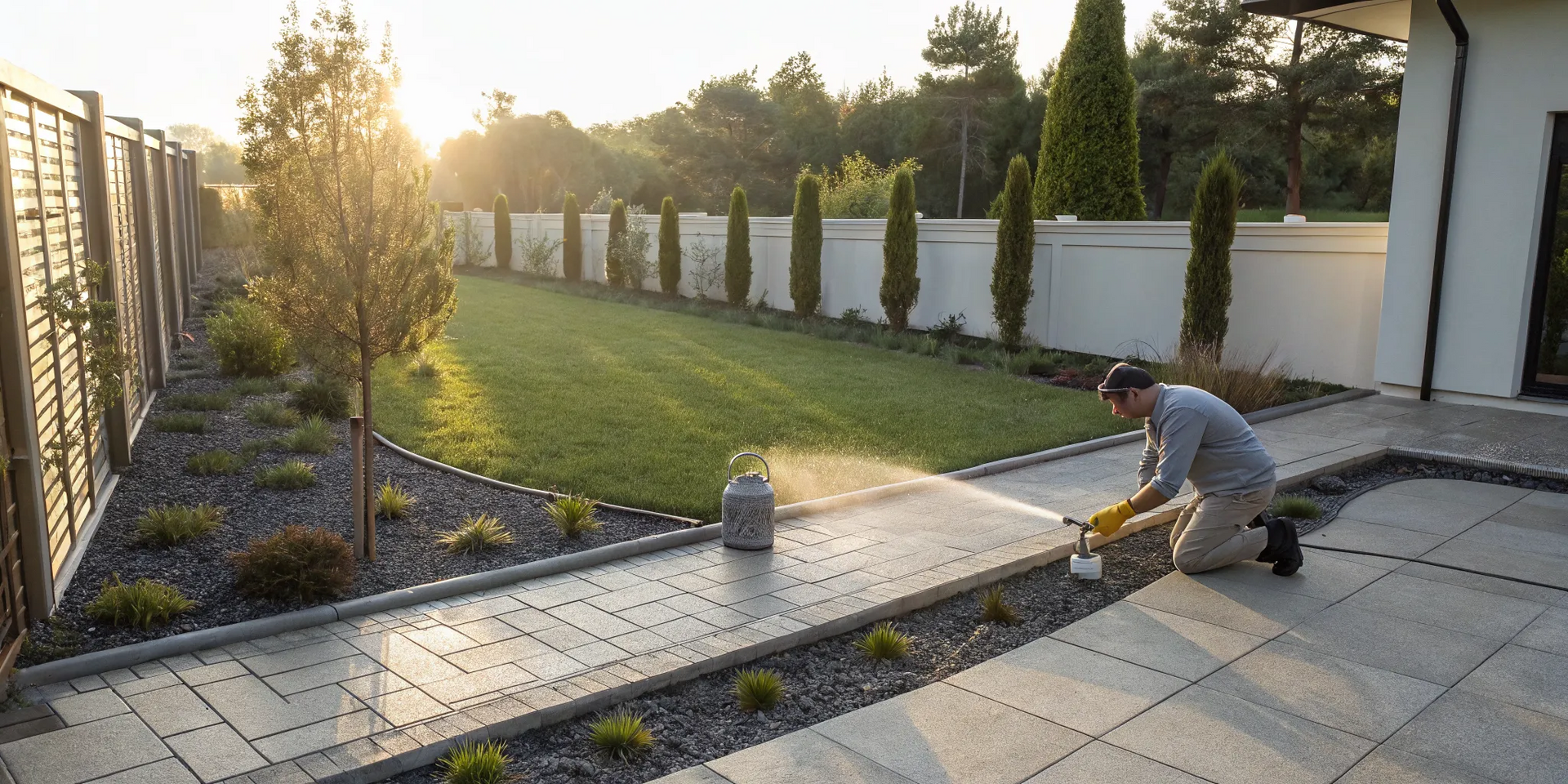
Now it’s time for the main event. Following the instructions on your product, apply the enzymatic cleaner generously over the entire affected area. Most outdoor cleaners are designed to be used with a hose-end sprayer for easy application. You want to completely saturate the spot, ensuring the cleaner soaks as deep as the urine did. Don’t be shy with it; a light misting won’t be enough to tackle the odor-causing bacteria hiding below the surface. Make sure you cover not just the main spot, but also a small border around it, as urine can spread out underground.
Step 4: Apply at the Right Time (Think Dusk)
This is a pro tip that makes a world of difference. The best time to apply your enzymatic cleaner is during the coolest part of the day, like early in the morning or, even better, around dusk. Why? Because the enzymes need to stay wet to work their magic. If you apply the cleaner in the middle of a hot, sunny day, it will evaporate almost immediately, before the enzymes have a chance to break down the uric acid. Applying it in the evening gives the solution hours to sit, stay damp, and do its job overnight without the sun interfering.
Step 5: Keep the Area Damp
Related to the last step, moisture is your best friend during this process. The beneficial bacteria and enzymes in the cleaner are living organisms that go dormant when they dry out. To keep them active and breaking down odors, the treated area needs to remain damp. If you live in a hot or windy climate like Las Vegas or Tucson, you might need to lightly mist the area with water a few times to prevent it from drying out too quickly. This ensures the cleaner works for its maximum effective duration, giving you the best possible results.
Step 6: Let It Dry Completely and Repeat if Needed
After you’ve given the enzymes plenty of time to work while damp, let the area air dry completely. Once it’s dry, do a smell test. In many cases, the odor will be gone. However, for very old or severe odors, one application might not be enough. Don’t be discouraged if a faint smell lingers. Simply repeat the process. For recurring issues on specific surfaces, like a favorite potty spot on your artificial grass, a second or third treatment may be necessary to fully eliminate the deeply embedded odor crystals.
Treating Odor on Different Outdoor Surfaces
Getting rid of dog urine smell isn't a one-size-fits-all job. The surface your dog uses as their personal restroom plays a big role in how you should tackle the odor. Porous materials like dirt and concrete will trap smells differently than natural grass or artificial turf. The key is to adapt your cleaning method to the material you’re treating to make sure you’re getting to the source of the smell and not just masking it. Let’s walk through how to handle the most common yard surfaces.
Natural Grass
If you have a natural lawn, you’ve probably noticed your dog has a few favorite spots. Over time, the urine concentration in these areas creates a powerful, lingering odor. Because dog urine can stick around for months if you don't clean them properly, a simple rinse with the hose won't cut it. You need to thoroughly saturate the affected patches with an enzymatic cleaner. This allows the good bacteria to travel down into the soil and break down the uric acid crystals that are causing the smell. For lawns with widespread odor, you might consider using a hose-end sprayer to apply the cleaner evenly.
Artificial Turf
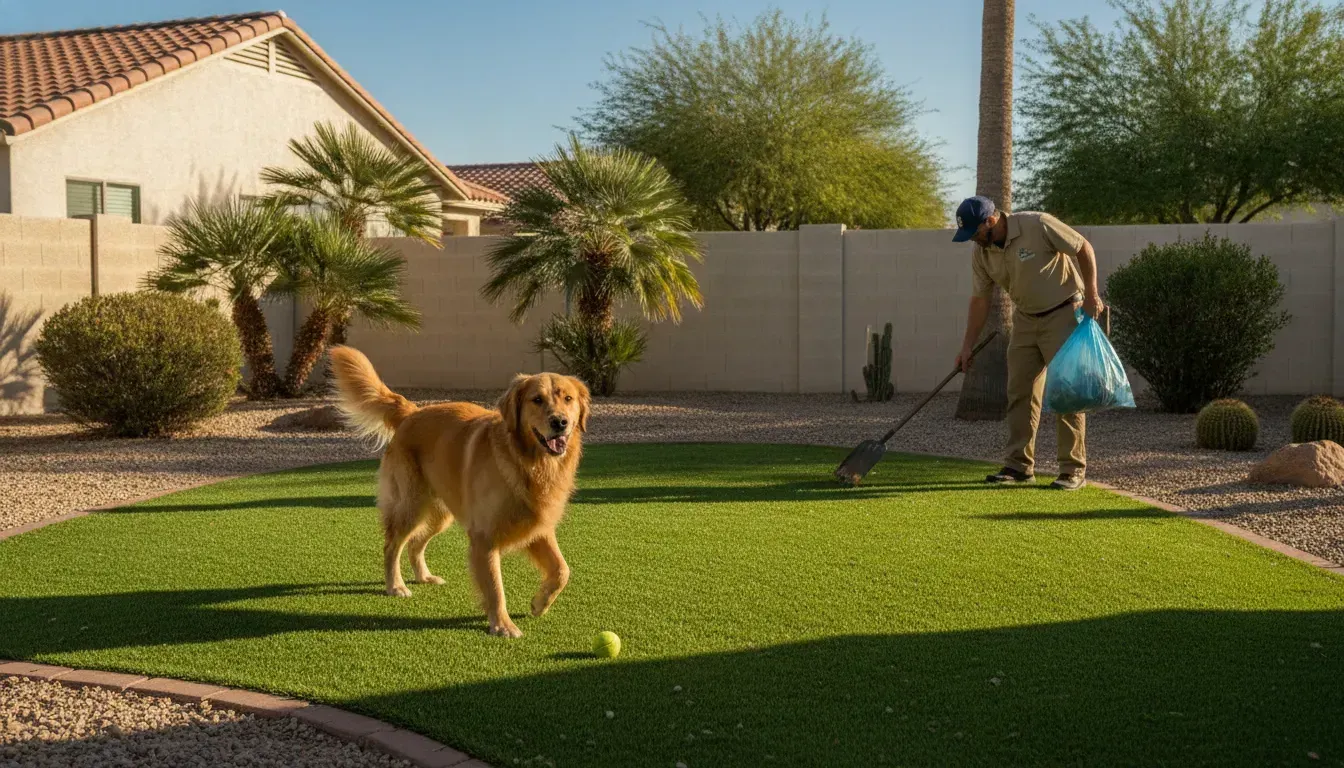
Many of us love artificial turf for its low-maintenance appeal, but it’s not completely odor-proof. Dog urine can seep through the turf blades and get trapped in the backing material or infill, creating a persistent stink, especially on hot days. To combat this, you’ll need a pet-friendly enzymatic cleaner specifically designed for synthetic grass. After removing solid waste, rinse the area and apply the cleaner generously. For stubborn smells or large areas, professional artificial grass cleaning & maintenance can restore your turf’s freshness and extend its life.
Gravel, Mulch, or Dirt
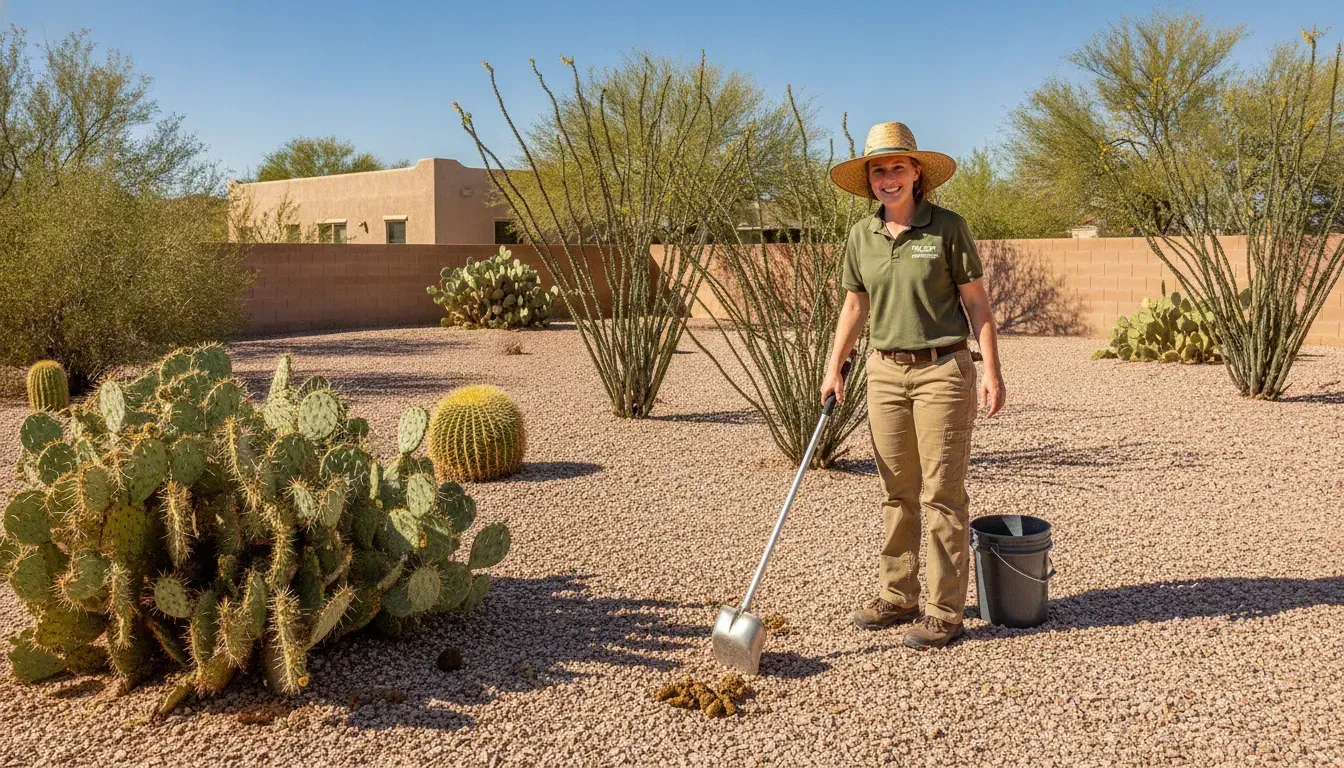
Gravel, mulch, and dirt are highly porous, which means liquids (and smells) can sink in deep. Hosing these areas down often just pushes the urine further into the ground. This is where enzyme cleaners are your best friend. These products work by breaking down the organic matter causing the odor. Be generous with your application; you want to completely saturate the area so the cleaner can reach as deep as the urine did. Rake back any mulch or gravel to ensure the cleaner makes direct contact with the soil or base layer underneath for the best results.
Concrete, Pavers, and Decks
You might think hard surfaces like concrete, stone pavers, or sealed decks are immune to smells, but they are more porous than they appear. Dog urine contains uric acid, which forms crystals that can get into the tiny pores of these materials and become difficult to remove with just water. After applying your enzymatic cleaner, use a stiff brush to scrub the area. This helps work the cleaner into the surface and break up the stubborn uric acid crystals. Let the solution sit for the recommended time before rinsing it away completely.
Budget-Friendly DIY Methods
Before you invest in a specialized product, you might want to try a few home remedies. These DIY methods use common household items that can provide temporary relief from dog urine smells, especially if you're dealing with a fresh spot. They are great for a quick fix, but it's important to know their limitations. While they can help reduce the odor, they often don't fully eliminate the uric acid crystals that cause the smell to return, especially on humid or hot days. Think of these as the first line of defense in your battle against backyard odors. If these methods don't cut it, you may need to consider professional services for a more permanent solution.
The Vinegar and Water Method
This is a classic for a reason. White vinegar is a natural acid that can help break down the urine's components, making the smell less intense. For a simple solution, mix equal parts white vinegar and water in a spray bottle. Thoroughly saturate the affected area of your lawn or patio. The vinegar smell will be strong at first, but it should dissipate as it dries, hopefully taking the urine odor with it. While it's a safe and inexpensive option for many surfaces, be mindful that the acidity can sometimes harm delicate plants, so try to apply it directly to the trouble spots.
The Baking Soda Method
Baking soda is another pantry staple famous for its deodorizing powers. You can use it in a couple of ways. For dry surfaces like concrete or pavers, simply sprinkle a generous amount of baking soda over the smelly spot, let it sit for several hours to absorb the odor, and then sweep or rinse it away. For a more active approach on your lawn, you can sprinkle baking soda and then spray it with the vinegar and water solution. The resulting fizzing action can help lift the odor-causing agents from the grass. While effective for surface odors, this method may not penetrate deep enough to fully neutralize the urine odor at its source.
The Hydrogen Peroxide Method
If you're dealing with a stubborn, set-in stain on a hard surface, hydrogen peroxide might be an option. It's a powerful oxidizer known for its ability to break down protein stains and kill odor-causing bacteria. However, you need to be very careful with this one. Hydrogen peroxide can bleach fabrics, discolor pavers, and damage grass. Always dilute it first (a solution of one part 3% hydrogen peroxide to eight parts water is a safe start) and test it on a small, hidden area. If it seems safe, apply it to the spot, let it bubble and work for about 10 to 15 minutes, then rinse the area thoroughly with water.
How to Prevent Odors From Coming Back
Getting rid of dog urine smell is one thing, but keeping it from returning requires a solid game plan. Once you’ve deep-cleaned your yard, a few key habits can prevent that frustrating odor from creeping back in. Think of it as maintenance; a little proactive effort goes a long way in keeping your outdoor space fresh and enjoyable for everyone. By focusing on diluting urine, containing the mess, and ensuring proper drainage, you can create a long-term solution that works.
Rinse Your Yard Regularly
One of the simplest yet most effective ways to manage dog urine odor is to rinse the affected areas regularly. Soaking your dog’s favorite spots with a garden hose helps dilute the urine and wash away the odor-causing compounds before they have a chance to build up. In hot, dry climates like those in Las Vegas and Tucson, uric acid crystals can concentrate quickly, making this step even more important. Aim to rinse your yard every few days, paying extra attention to high-traffic areas. For artificial turf, regular rinsing is essential for preventing odors from setting in. A consistent rinse routine is a core part of any effective artificial grass cleaning and maintenance plan.
Designate a "Potty Spot"
Training your dog to use a designated "potty spot" can make odor management much easier. Since dogs often return to the same areas to relieve themselves, teaching them to use one specific location contains the mess and the smell. This allows you to focus your cleaning efforts on a smaller, more manageable area instead of treating the entire yard. You can create this spot using materials like pea gravel, mulch, or a small patch of artificial turf. Use positive reinforcement to encourage your dog to use their new spot consistently. It takes a bit of patience up front, but the long-term payoff is a cleaner, better-smelling yard for you and your family to enjoy.
Improve Your Yard's Drainage
Poor drainage is a major culprit behind lingering yard odors. When urine can't drain away properly, it pools and soaks into the ground, creating a breeding ground for smelly bacteria. For natural lawns, aerating the soil can help improve water flow. On hard surfaces like concrete or pavers, make sure there isn't any standing water after rinsing. This is especially critical for artificial turf, where improper installation can trap liquids and lead to persistent smells. If your turf smells no matter what you do, the issue might be the sub-base underneath. Efficient drainage is the foundation of an odor-free yard, and addressing it can solve many of your problems before they even start.
When Is It Time to Call for Help?
You’ve scrubbed, you’ve sprayed, you’ve followed all the steps, but that stubborn dog urine smell just won’t quit. It’s frustrating, and it’s a common problem. Sometimes, even the best DIY efforts aren’t enough to tackle a deeply set odor, and that’s perfectly okay. Knowing when to call in a professional can save you time, money on products that aren't working, and a lot of headaches.
The main reason odors linger is because of uric acid. When your dog pees, the urine seeps into porous surfaces like concrete, soil, and even the backing of artificial turf. It then forms uric acid crystals that don't just wash away with water or simple cleaners. These crystals can lie dormant until they're exposed to moisture or heat, which "reactivates" them and releases that familiar, unpleasant smell all over again. This is why your yard might smell fine on a cool day but becomes overwhelming after a bit of rain or during a hot Las Vegas afternoon.
So, how do you know you've reached that point? It’s probably time to call for professional help if:
- The smell persists despite multiple cleanings. You’ve used enzyme cleaners and followed the instructions, but the odor comes right back.
- The odor gets stronger with heat or humidity. This is a classic sign that uric acid crystals are embedded deep in the surface.
- The affected area is large or complex. Tackling an entire yard, a large patio, or a full artificial grass area is a massive job for DIY methods. Professionals have the equipment to cover large areas efficiently and effectively.
- You manage a multi-family or commercial property. Keeping shared outdoor spaces fresh and clean is essential for residents and customers. A professional service ensures the job is done right on a consistent schedule for your commercial property.
When you hire a professional service, you’re not just paying for a cleaning. You’re getting expertise and access to commercial-grade equipment and solutions that are more powerful than what’s available in stores. They know exactly how to neutralize uric acid for good, leaving your yard truly fresh and clean for you and your pets to enjoy.
Related Articles
- Artificial Grass Cleaning & Maintenance | Las Vegas, NV
- Pooper Scooper FAQs | A1 Pet Waste Maintenance | NV
- Pet Waste Maintenance | A1 Pet Waste Maintenance | NV
- Commercial Property Pet Waste Cleanup | Las Vegas, NV
Frequently Asked Questions
Why does the dog pee smell on my patio come back after I wash it? This is a super common problem, and it happens because of chemistry. Dog urine contains uric acid crystals, which don't dissolve in water. When you hose down the area, you're only washing away the liquid parts of the urine. The stubborn crystals get left behind in the tiny pores of the concrete. When the area gets warm or damp again, those crystals "reactivate" and release that strong ammonia smell all over again.
Are enzymatic cleaners safe to use around my pets and on my lawn? Yes, most high-quality enzymatic cleaners are designed to be safe for both pets and plants when you use them according to the directions. These cleaners use natural enzymes and beneficial bacteria to break down odors, not harsh chemicals. It's always a good idea to check the product label for specific safety information, but they are generally a much safer choice for your family and yard than many traditional chemical cleaners.
I tried an enzyme cleaner, but I can still smell a faint odor. What should I do? Don't get discouraged; this can happen with very old or concentrated spots. The most common reason is that the cleaner dried out too quickly. The enzymes need to stay damp to work. Try applying it again in the evening when it's cool, and consider lightly misting the spot with water to keep it damp for a few hours. For really tough odors, a second or even third application might be necessary to fully break down all the embedded uric acid crystals.
Can I just use vinegar and baking soda instead of buying a special cleaner? While vinegar and baking soda can help neutralize the smell for a short time, they don't offer a permanent fix. These household items can mask the odor or clean the surface, but they don't break down the uric acid crystals that are the true source of the smell. This means the odor will likely return. An enzymatic cleaner is different because it digests and eliminates the crystals completely, solving the problem at its source.
My artificial turf smells terrible in the heat. Isn't it supposed to be odor-proof? This is a frequent misconception about artificial turf. While it's a great low-maintenance option, it is not immune to smells. Urine can seep through the turf blades and get trapped in the backing or the infill underneath. When the sun heats the turf, it intensifies the smell. Regular rinsing helps, but to truly eliminate the odor, you need to use an enzymatic cleaner designed for turf or consider a professional artificial grass cleaning service to deep clean the turf and infill.